Buyers ask us the same fourteen questions week after week, so here they are with direct answers. Turpentine oil is a natural pine derived solvent, it keeps for years in sealed drums, prices track oleoresin harvests, and export is routine under HS 3805.10 with the right documents. The details follow.
What is turpentine oil, in one paragraph?
Turpentine oil is the volatile fraction of pine oleoresin, recovered by steam distillation. Its main constituents are terpene hydrocarbons, chiefly alpha-pinene, with beta-pinene, delta-3-carene and other monoterpenes in smaller amounts. Our full primer is at what is turpentine oil.
Is turpentine oil natural or synthetic?
Gum turpentine is entirely natural. The resin is tapped from living pine trees, distilled with steam, and nothing synthetic is added. This separates it from petroleum solvents sold under confusingly similar names, which we compare in turpentine vs mineral turpentine.
What is the difference between GTO and double distilled turpentine?
Our gum turpentine oil is the standard single distilled grade, typically 60 to 70 percent alpha-pinene. Double distilled turpentine oil goes through a second fractionation that lifts alpha-pinene to 70 to 80 percent and cuts residue and colour. The full comparison sits in gum turpentine vs double distilled.
What is the shelf life of turpentine oil?
In original sealed 200 litre barrels, kept cool and out of sunlight, turpentine holds specification for two years or more. Once a drum is opened, air exposure slowly oxidises the pinenes, so decant quickly and reseal under a tight bung. Practical guidance is in turpentine storage and safety.
Why do turpentine prices move so much?
Because supply starts in a forest, not a refinery. Tapping is seasonal, resin yields swing with rainfall and labour availability, and Chinese demand for pinene feedstock can pull the whole market. Crude oil prices matter only indirectly, through freight and substitute solvents.
What is your minimum order quantity?
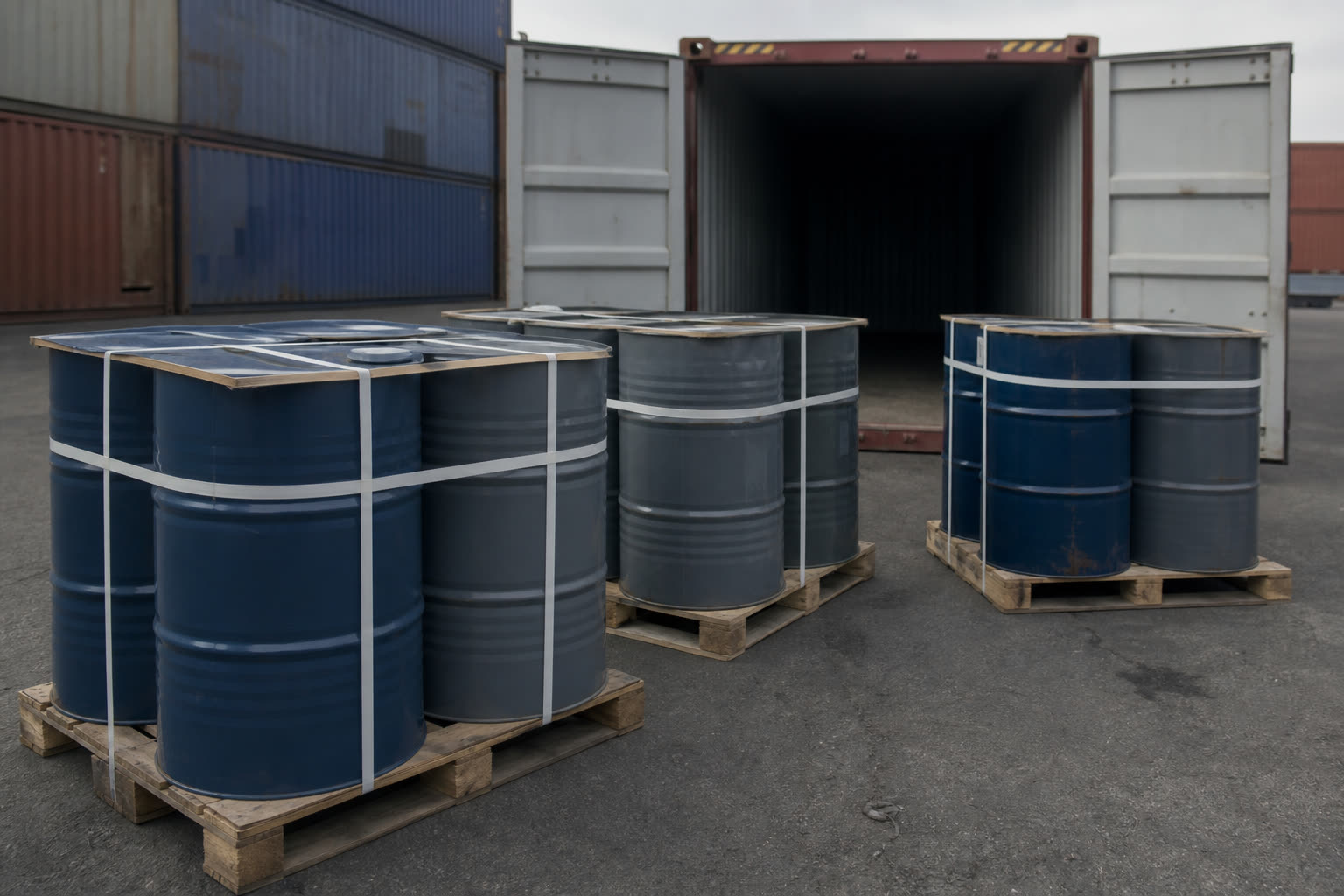
One 200 litre barrel for domestic trial orders. For export we normally work in multiples of a 20 foot container, which takes 80 barrels. Bulk road movement within India runs in 12,000, 15,000 and 18,000 litre tankers.
Do you send samples before a bulk order?
Yes. We send samples before any bulk commitment so your lab can run gas chromatography, specific gravity and refractive index against our declared values. Every consignment then ships with a certificate of analysis matching the approved sample.
Can turpentine oil be exported, and where do you ship?
Yes, it is a routinely traded commodity under HS 3805.10. We export worldwide, with regular movements to the United States, Thailand, Indonesia and China. It travels as UN 1299, Class 3 dangerous goods, Packing Group III, which every freight forwarder handles daily.
Is turpentine the same as paint thinner?
No. Most hardware store thinner is mineral turpentine, a petroleum cut with no pine content. True turpentine dissolves natural resins and oils that mineral solvents struggle with. See choosing a paint thinner for when each makes sense.
What purity should I specify?
Specify by alpha-pinene content and physical constants, not by trade names. Typical GTO runs specific gravity 0.855 to 0.870 and refractive index 1.465 to 1.480. Perfumery and synthesis buyers who need tighter pinene numbers should look at DD grade or isolated alpha-pinene 95.
Which industries buy turpentine oil?
- Paints, varnishes and artist colours as a solvent and brush cleaner
- Pharma and personal care, covered in turpentine oil pharma applications
- Fragrance and flavour houses using it as pinene feedstock
- Polish, wax and camphor producers
- Rubber and adhesive processors
Does colour tell me anything about quality?
Less than most buyers assume. Good turpentine is water white to pale straw. A slightly deeper tint can still assay perfectly on GC, while a bright looking drum can hide high residue. Judge by the certificate of analysis, not the eye.
How is turpentine oil packed for shipment?
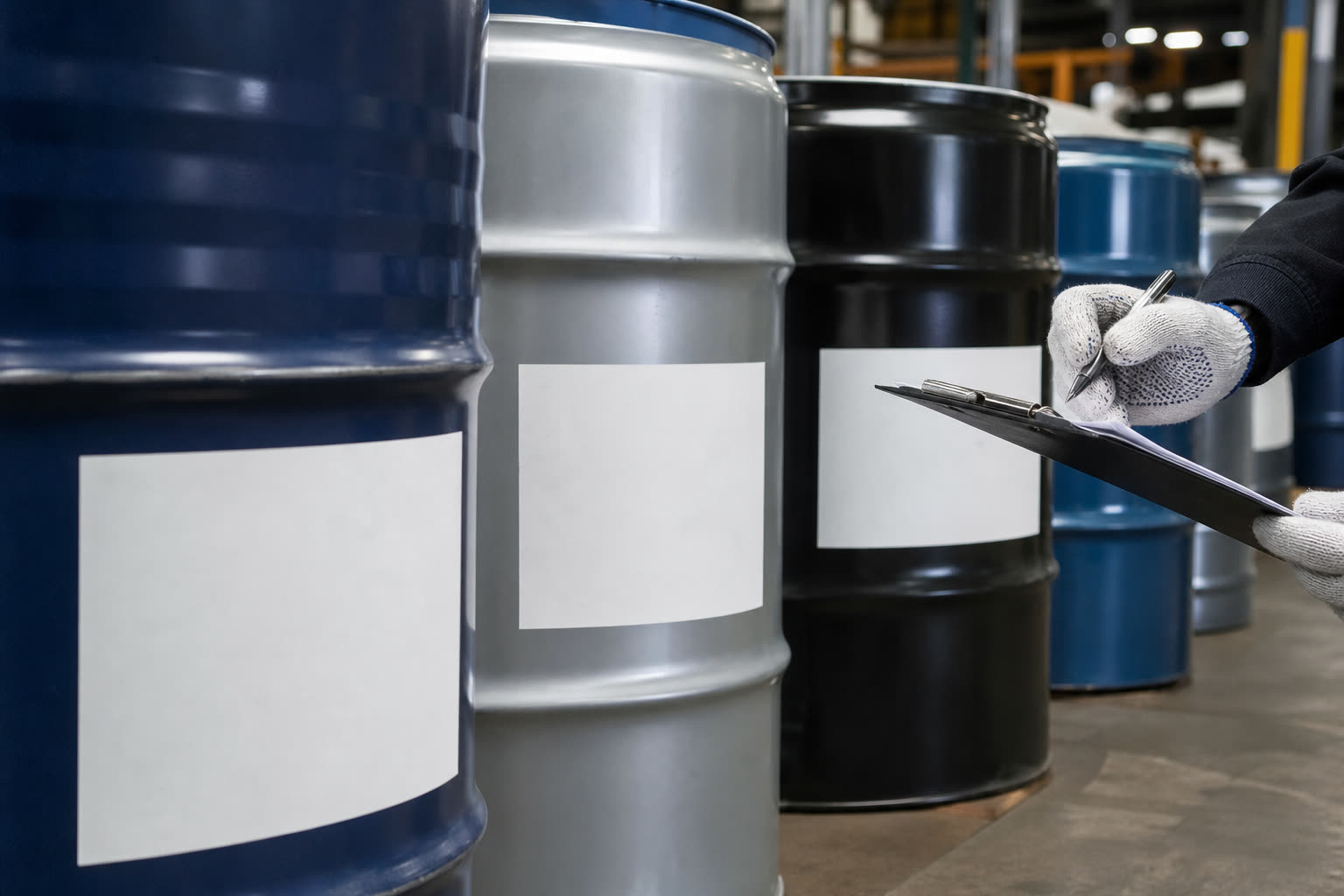
Standard export packing is new 200 litre mild steel barrels with sealed bungs, UN certified for Class 3 liquids. Domestic bulk buyers can draw from tanker loads of 12,000 to 18,000 litres delivered to their storage.
What documents come with a consignment?
Commercial invoice, packing list, certificate of analysis for the exact lot, safety data sheet, and for exports the shipping bill, dangerous goods declaration and certificate of origin where the buyer needs one for duty benefit.
Can I visit or audit before buying?
Yes. We have supplied from Kanpur since 1980 and buyers are welcome to inspect barrels, review lot records and witness sampling before loading. Long term contracts usually start exactly this way.
How do I get a current price?
Prices are quoted against live oleoresin costs, so we quote per enquiry rather than publish a list. The drivers behind each quote are explained in turpentine oil price factors.
What is the flash point, and does summer heat matter?
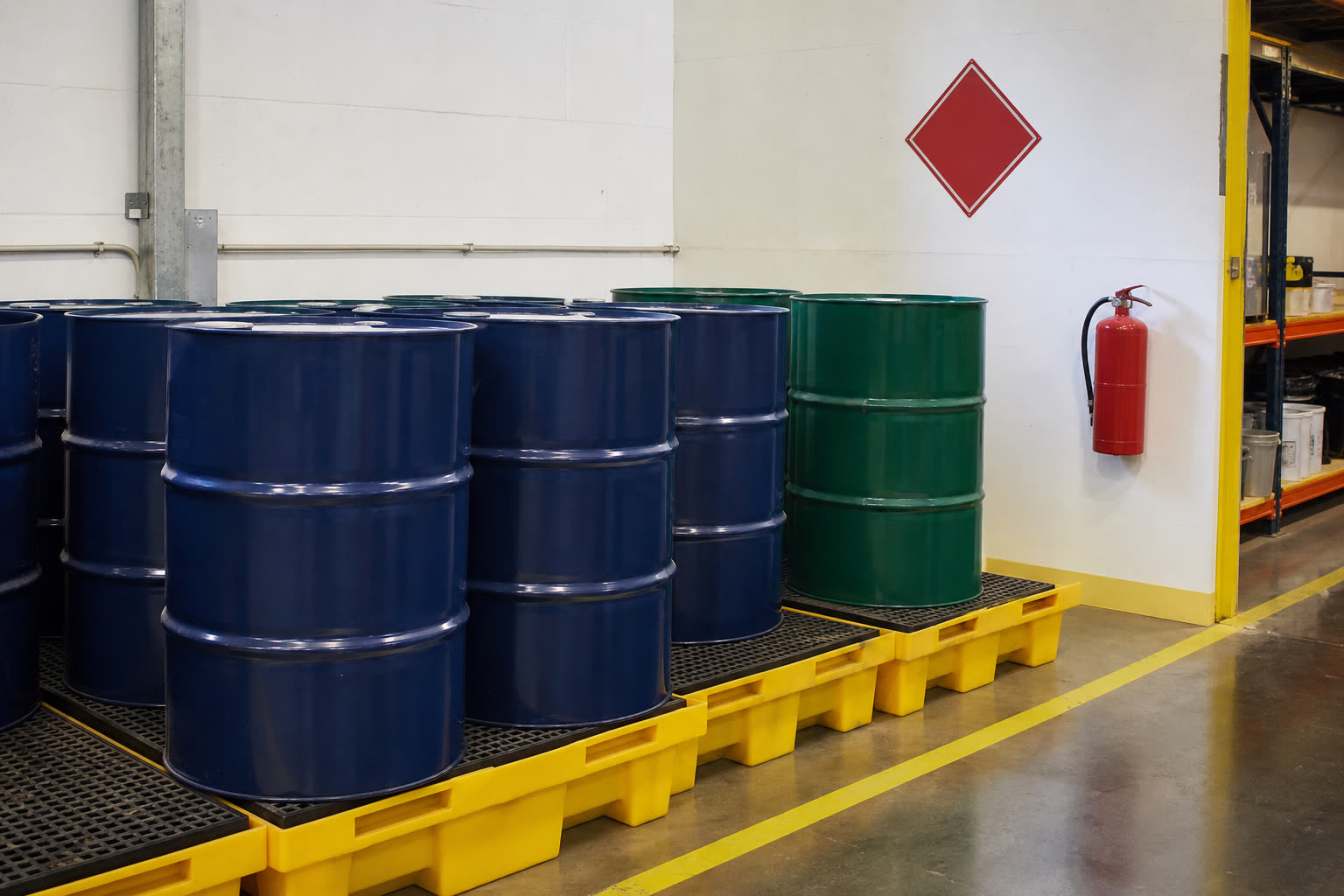
Gum turpentine flashes in the low thirties Celsius, which is why it carries a Class 3 flammable classification. In an Indian summer that number is close to ambient warehouse temperature, so the rules are simple and non negotiable: keep barrels sealed, shaded and away from ignition sources, ventilate any room where drums are opened, and earth metal containers during transfer. Handled this way, turpentine has moved safely in bulk for over a century. The heat does not spoil the product inside a sealed drum, it only raises the handling discipline required around it.
Is turpentine used in fragrance and flavour work?
Indirectly and at scale. Fragrance houses rarely put crude turpentine into a bottle. Instead they buy it as feedstock, fractionate out the pinenes and convert them into camphor, terpineol and dozens of downstream aroma chemicals. This synthesis demand, not the paint trade, is what anchors global turpentine consumption today, and it is why assay figures matter so much in modern contracts.
Do you supply other pine chemicals besides turpentine?
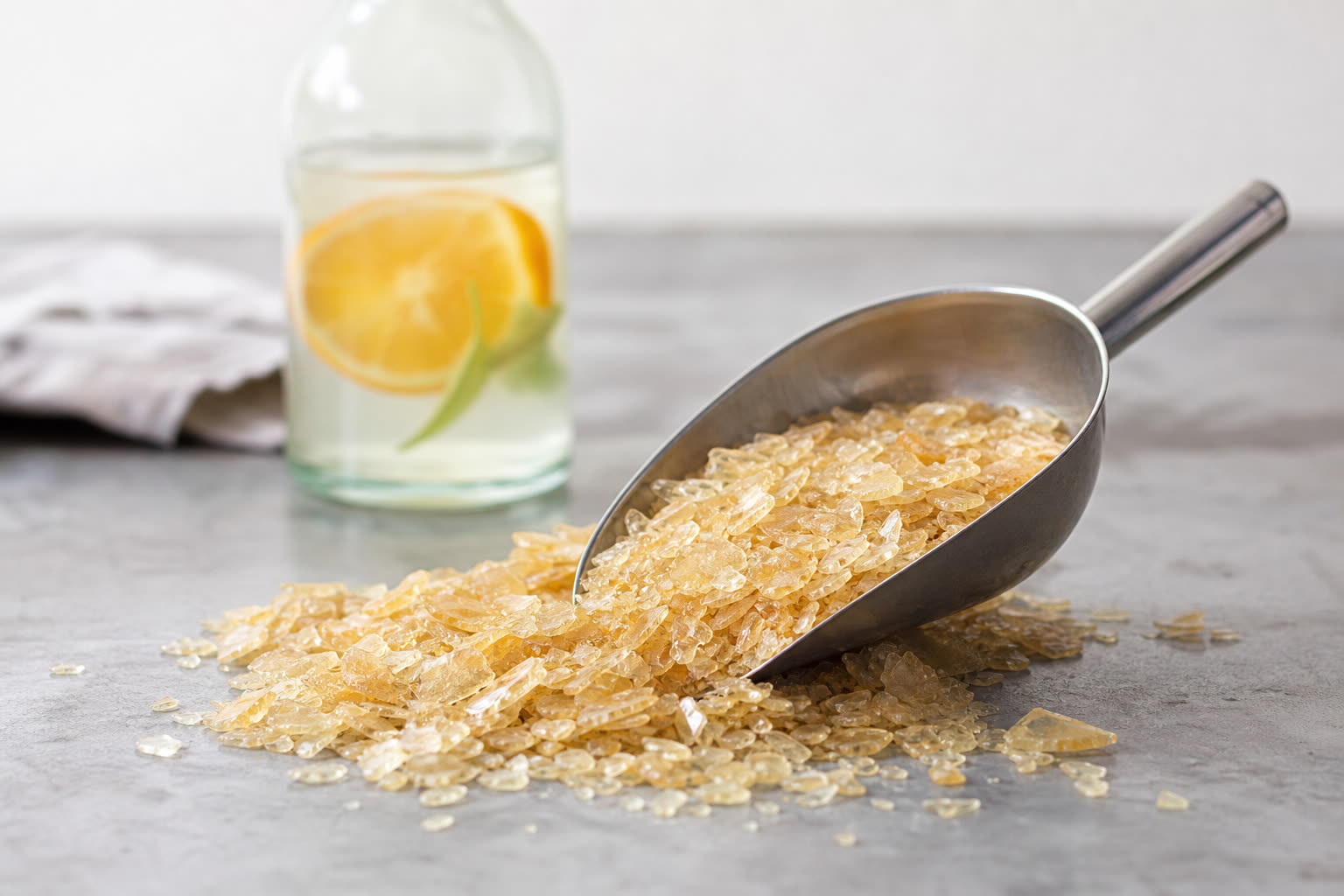
Yes. The same oleoresin stream yields gum rosin, and fractionation supplies isolated terpenes including dipentene for solvent and rubber duties. Buyers who need turpentine plus rosin or a specific terpene usually consolidate them into one consignment to save freight and paperwork.
Have a question this page did not cover? Call +91 96965 09933 or write to info@shadeshinepine.com and we will answer it directly, then follow up with a sample and a quote on 200 litre barrels.