Turpentine oil prices move on six forces: the pine tapping season, the economics of its coproduct gum rosin, supply from the big origins China, Brazil and Indonesia, the balance between gum turpentine and crude sulphate turpentine, downstream demand from fragrance and coatings buyers, and freight plus currency. Understanding the chain lets a buyer time contracts instead of chasing spot.
Why does the tapping season set the rhythm?
Turpentine begins as oleoresin bled from living pines, and resin only flows well in warm weather. Each origin has a defined tapping window, and collection collapses outside it. Producers and traders build inventory through the season and draw it down through the off months, so prices firm when stocks run thin ahead of the new season and soften as fresh resin arrives. Weather shocks amplify this: drought, unseasonal rain or storms in a key tapping region cut resin yields with no short term fix, because the supply response is labour in forests, not a valve in a plant. Labour itself is the other seasonal constraint. Tapping is manual work, and rural wage inflation or labour migration in producing regions raises the floor price of resin year after year. The full journey from tree to drum is described in how turpentine is distilled.
How does gum rosin drag turpentine around?
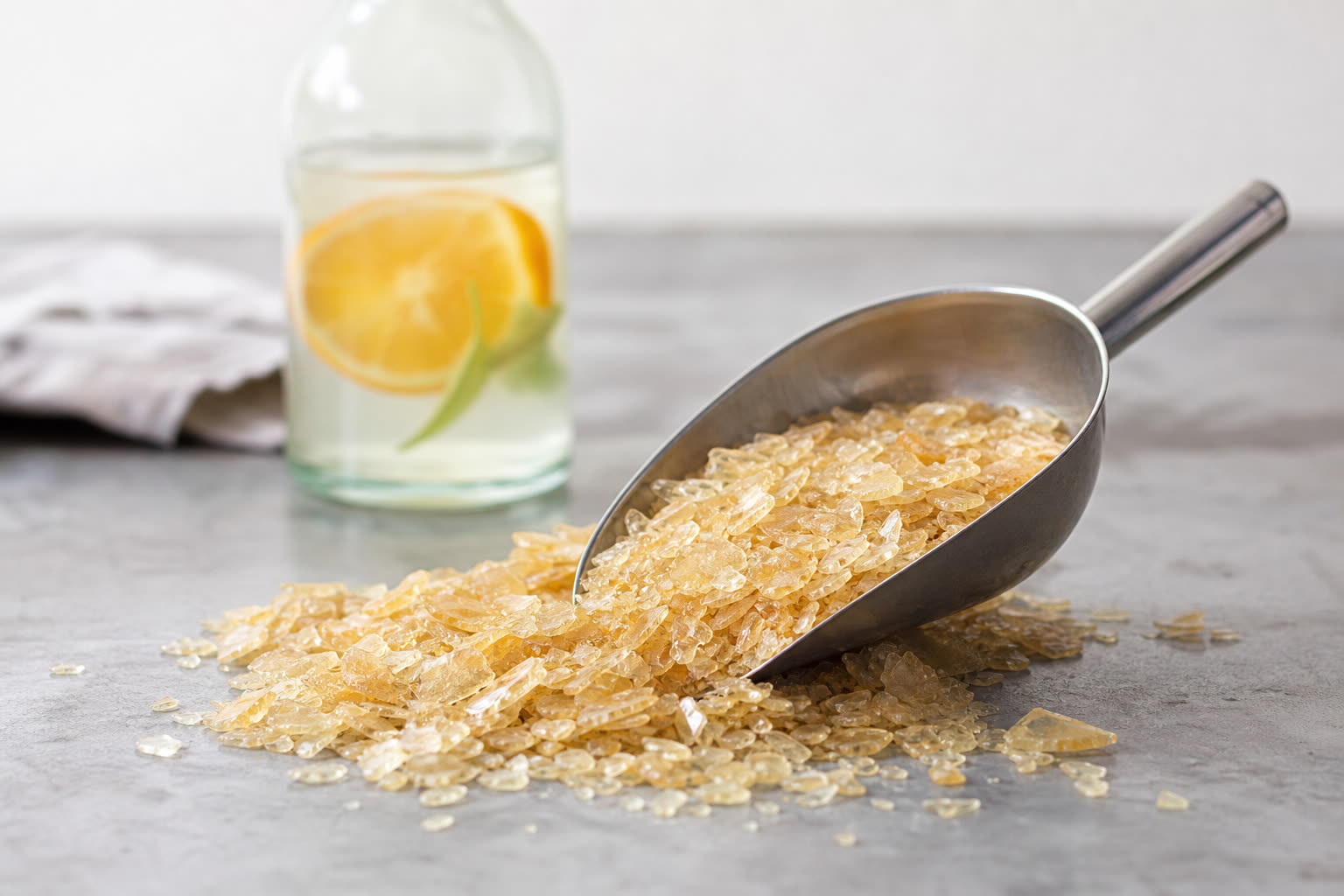
This is the factor outsiders miss most. Turpentine and gum rosin come out of the same still from the same resin, at roughly one part oil to three or four parts rosin. Distillers decide how much resin to process based mainly on rosin economics, because rosin is the bigger revenue stream. Market reporting by Argus Media has made exactly this point, noting that turpentine price swings hinge on rosin fundamentals. The mechanics:
- When rosin demand is strong, plants run hard and turpentine arrives as an abundant coproduct, capping its price.
- When rosin demand is weak, plants cut runs, and turpentine supply tightens even if turpentine demand never changed.
- A soft rosin market therefore often produces a firm turpentine market, a pattern seen clearly through 2024 and 2025 when thin turpentine inventories met steady demand.
Which origins move the global price?
| Origin | Role in the market | What to watch |
|---|---|---|
| China | Largest gum rosin and turpentine producer, also a big consumer | Domestic downstream demand, tapping labour costs, export appetite |
| Brazil | Major gum turpentine exporter to India, the US, Mexico, Japan and China | Slash pine resin harvests, port prices; Argus put elliottii gum turpentine near 3,000 dollars per tonne fob in late 2025, up roughly 29 percent year on year |
| Indonesia and Vietnam | Steady mid volume gum producers | Weather, state forestry output, local processing capacity |
| India | Producer from chir pine plus significant importer of resin and oil | Himalayan resin auctions, import parity pricing |
| US and Nordics | Dominant CST source from kraft pulp mills | Pulp production rates, mill closures |
Because Brazil and China export heavily, a harvest problem or policy shift in either ripples into Indian landed costs within a quarter.
What does CST have to do with gum turpentine prices?
Crude sulphate turpentine is recovered as a by product of kraft pulping and, after desulphurisation and fractionation, competes with gum turpentine as a source of pinenes for fragrance and aroma chemistry. When pulp mills run flat out, cheap CST pinene caps what converters will pay for gum material. When pulp output falls, or when both gum and CST availability are low in the same year, as reported through 2024 and 2025, the whole terpene complex reprices upward together. Buyers of the finished oil should track pulp industry news for this reason alone. Note that end users needing clean odour, coatings, polishes and pharma adjacent work, cannot substitute crude CST for gum oil, which keeps a persistent quality premium on grades like gum turpentine oil and double distilled turpentine oil.
Which demand streams pull hardest?
- Fragrance and aroma chemicals. Pinene conversion into terpineol, camphor and aroma intermediates is the deepest demand pool, and it prices material on alpha-pinene content, explained in alpha-pinene content explained.
- Coatings, polishes and thinners. Steady, price sensitive demand tied to construction and furniture cycles.
- Pharma and personal care. Smaller volume, quality led, favours redistilled grades and pays for consistency.
How do freight and currency finish the equation?
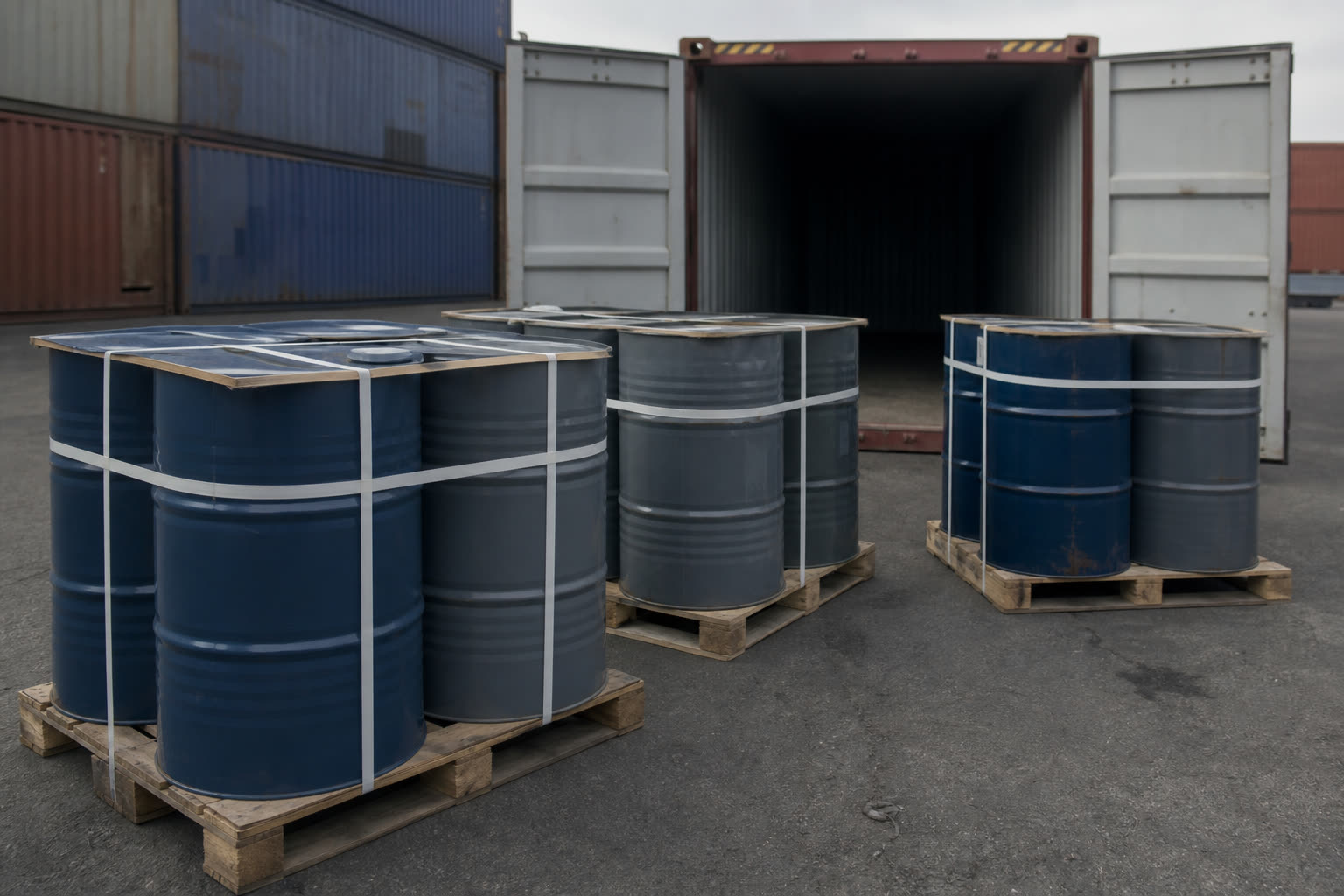
Turpentine is a UN 1299 Class 3 cargo, so it moves as hazardous freight with the associated surcharges, and most volume travels in 200 litre barrels or tank equipment. Container rate spikes, hazardous cargo space shortages and rerouting events feed straight into landed cost. Currency matters twice for Indian buyers: the rupee against the dollar for imports of resin or oil, and origin currencies against the dollar for competing offers.
What signals belong on a buyer's dashboard?
A purchasing team does not need a terminal subscription to stay ahead of this market. Five low cost indicators cover most of the movement:
- Gum rosin offers from China and Brazil. Rosin turns first, turpentine follows as production decisions adjust.
- Tapping season progress reports from the origins you buy against, including weather anomalies in resin regions.
- Pulp mill operating news in the US and Nordics, as a proxy for CST availability.
- Hazardous cargo freight rates on your trade lane, which move independently of the product itself.
- The rupee dollar rate, for Indian landed cost on anything import linked.
When three or more of these point the same way, the spot market usually follows within a quarter, which is the window to bring contract talks forward or extend cover.
How should a buyer respond to all this?
- Time annual contracting against the tapping calendar rather than the calendar year.
- Watch rosin prices as a leading indicator for turpentine supply.
- Qualify a supplier on COA discipline and consistency, not on the lowest spot quote, since regrading a failed lot costs more than the discount. Our checklist is in buy turpentine oil India.
Shade & Shine Pine Chem has traded these cycles from Kanpur since 1980, shipping to the United States, Thailand, Indonesia and China with a COA on every consignment. For a current market read and a firm quote on 200 litre barrels or 12,000 to 18,000 litre tankers, call +91 96965 09933 or email info@shadeshinepine.com, samples come first for every new buyer.