Turpentine is produced by steam distilling pine oleoresin. Tappers wound living pine trees, collect the resin that flows, and deliver it to a distillery. There, steam carries the volatile terpenes overhead as turpentine oil while the non volatile resin acids stay behind and solidify as gum rosin. One raw material, two products, split by boiling point.
How is pine oleoresin tapped?
Oleoresin is the tree's own defence fluid, held under pressure in resin ducts. Tapping opens those ducts in a controlled way.
- The face. Workers remove a narrow strip of bark and cut a shallow streak into the trunk. A lip or gutter directs flow into a cup or bag fixed below the wound.
- Freshening. Resin flow slows as the wound seals, so the streak is renewed on a regular cycle through the season, moving up the face a few millimetres at a time.
- Stimulant paste. Modern practice brushes a dilute acid based stimulant on the fresh streak. It does not create more resin, it keeps the ducts open longer, so each wound yields more before sealing.
- Seasonality. Flow follows temperature. Yields peak through warm months and fall away in winter, which is why oleoresin supply, and therefore turpentine pricing, moves with the season. We cover that in turpentine oil price factors.
Species sets the chemistry. Indian chir pine, Chinese Masson pine, Brazilian slash pine and Indonesian Merkus pine each give oleoresin with a different terpene fingerprint, which flows straight through to the finished oil.
What happens at the distillery?
Cleaning the crude resin
Oleoresin arrives as a sticky mass carrying bark chips, sand, insects and water. It is melted, thinned with recycled turpentine, filtered and washed. Skipping this step shows up later as dark rosin and off odour oil, so a serious producer treats cleaning as a quality gate, not a formality.
Steam distillation
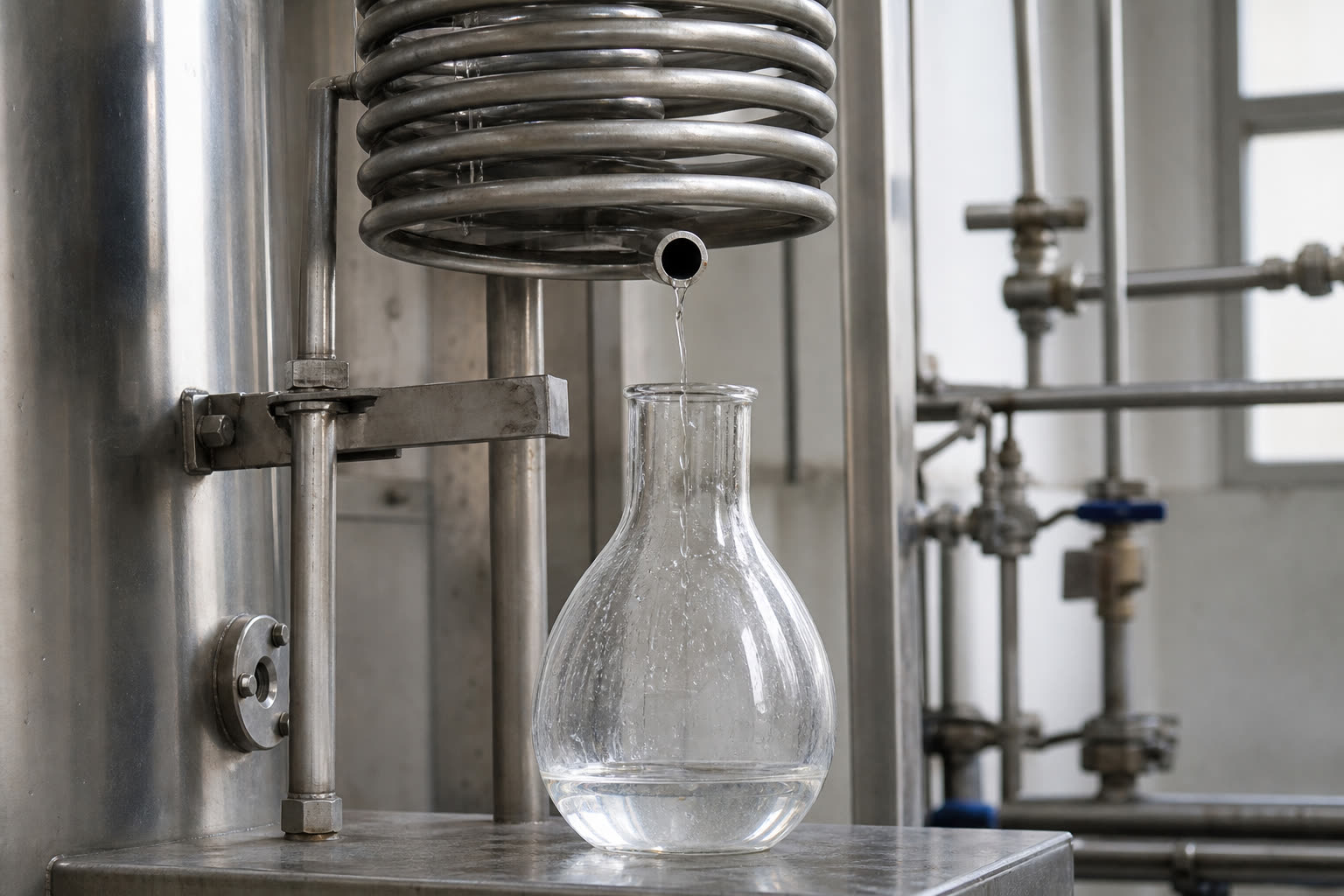
The cleaned resin goes to the still. Steam injection does two jobs: it heats the charge and it lowers the effective boiling temperature of the terpenes, so the volatile fraction comes over well below its atmospheric boiling point and without scorching. The vapour, a mix of steam and terpenes, passes through a condenser. In the separator the condensed turpentine floats on the water and is drawn off continuously.
The rosin split
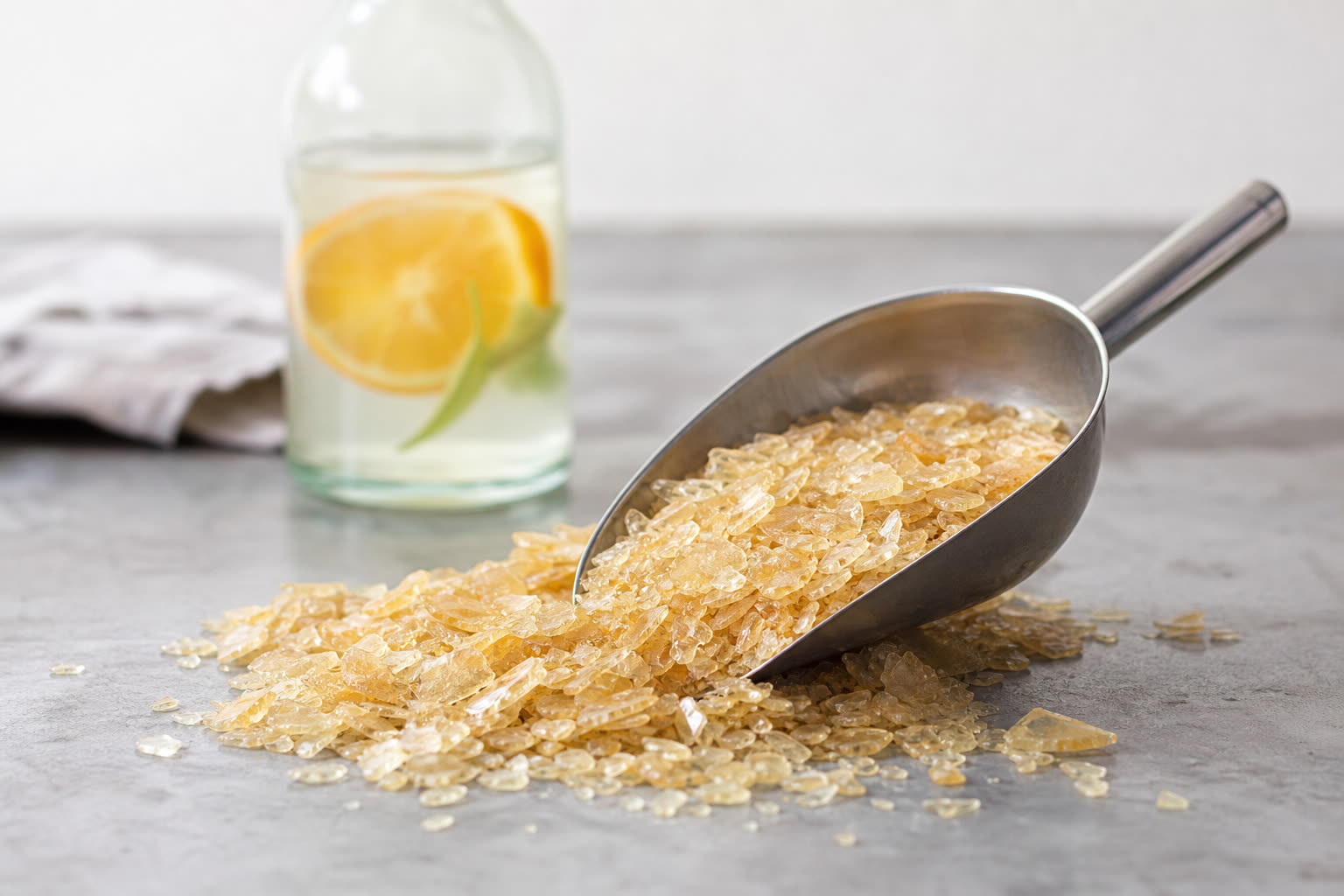
What never leaves the pot is the point of the whole exercise for many plants. The resin acids remain behind and are run off hot, then cooled into pale translucent gum rosin. Typical oleoresin yields roughly 70 to 80 percent rosin and 15 to 25 percent turpentine by weight, with the balance lost as water and trash. Because the two products come from one feedstock, their economics are chained together: when rosin demand drives tapping, turpentine supply follows, and the reverse.
What separates turpentine from rosin, exactly?
| Turpentine oil | Gum rosin | |
|---|---|---|
| Chemistry | Monoterpenes, C10 hydrocarbons, mainly alpha-pinene | Diterpene resin acids, mainly abietic type, C20 |
| Volatility | Distils with steam, boils around 155 to 180 degrees C | Non volatile, stays in the still |
| Form at room temperature | Mobile liquid | Brittle glassy solid |
| Share of oleoresin | Roughly 15 to 25% | Roughly 70 to 80% |
The separation is purely physical. No reaction takes place, which is why the GC profile of the oil mirrors the terpene profile of the tree that produced the resin.
What does the second distillation add?
Straight run turpentine is saleable, but a second fractionation produces the premium cut. Redistillation takes a heart cut that concentrates alpha-pinene from the 60 to 70 percent typical of straight gum turpentine oil up to 70 to 80 percent, drops the colour to water white and strips heavy ends that would otherwise leave residue. That heart cut is sold as double distilled turpentine oil. Push fractionation further, with more theoretical plates and tighter cuts, and the still yields individual terpenes: alpha-pinene 95%, beta-pinene, delta-3-carene and dipentene, each a product in its own right. The commercial trade offs between straight and redistilled grades are laid out in gum turpentine vs double distilled.
How do yields and profiles differ by origin?
The process is universal, the output is not. A tapper in the Brazilian slash pine belt, a Chinese Masson pine forest and an Indian chir pine slope all deliver oleoresin, but the oil that condenses differs measurably. Chinese and Indonesian oils run high in alpha-pinene with little carene. Brazilian oil brings useful beta-pinene alongside the alpha. Indian chir pine oil carries a substantial delta-3-carene fraction, which fractionators separate and sell into its own applications. Resin yield per tree also varies with species, climate and tapping method, which is why per tonne resin costs, and therefore oil costs, differ so much between origins.
For a buyer, the practical takeaway is that origin is a specification, not a footnote. Two drums both labelled gum turpentine can behave differently in a fragrance conversion or a sensitive coating because their GC fingerprints differ. Ask where the oleoresin was tapped, and read the chromatogram against that answer. A profile inconsistent with the declared origin is one of the cleanest adulteration flags available, as covered in alpha-pinene content explained.
How is quality controlled through the process?
Three checkpoints keep a distillery honest.
- Incoming resin grading. Colour, trash content and moisture of the crude oleoresin set the ceiling on finished quality.
- Still discipline. Steam rate and cut points decide how much heavy material rides over with the oil. Sloppy cuts show up as residue on evaporation.
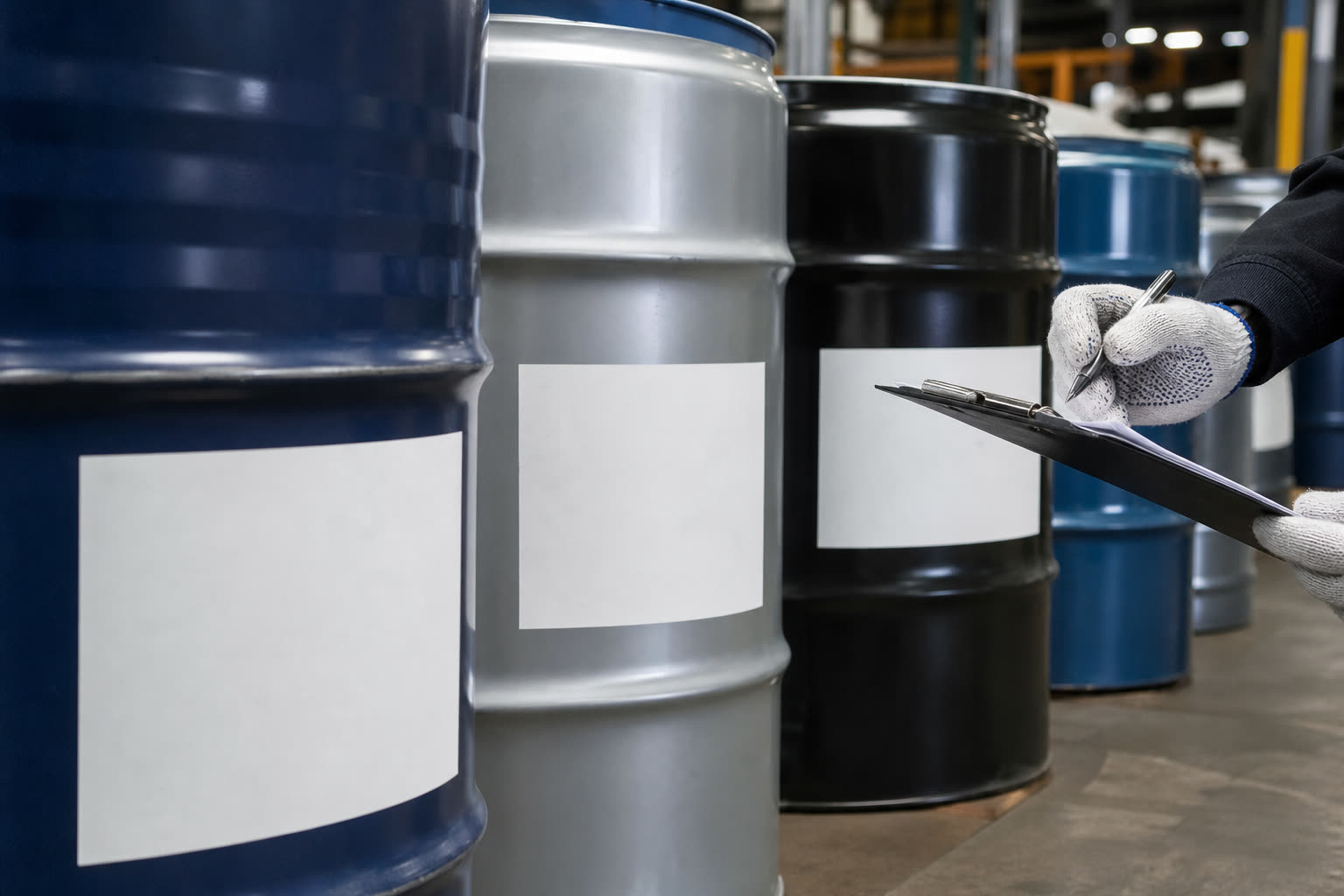
- Finished lot testing. Every batch should carry specific gravity of 0.855 to 0.870, refractive index of 1.465 to 1.480 and a GC alpha-pinene figure, recorded on a COA tied to the batch number.
Where can buyers see this quality in a drum?
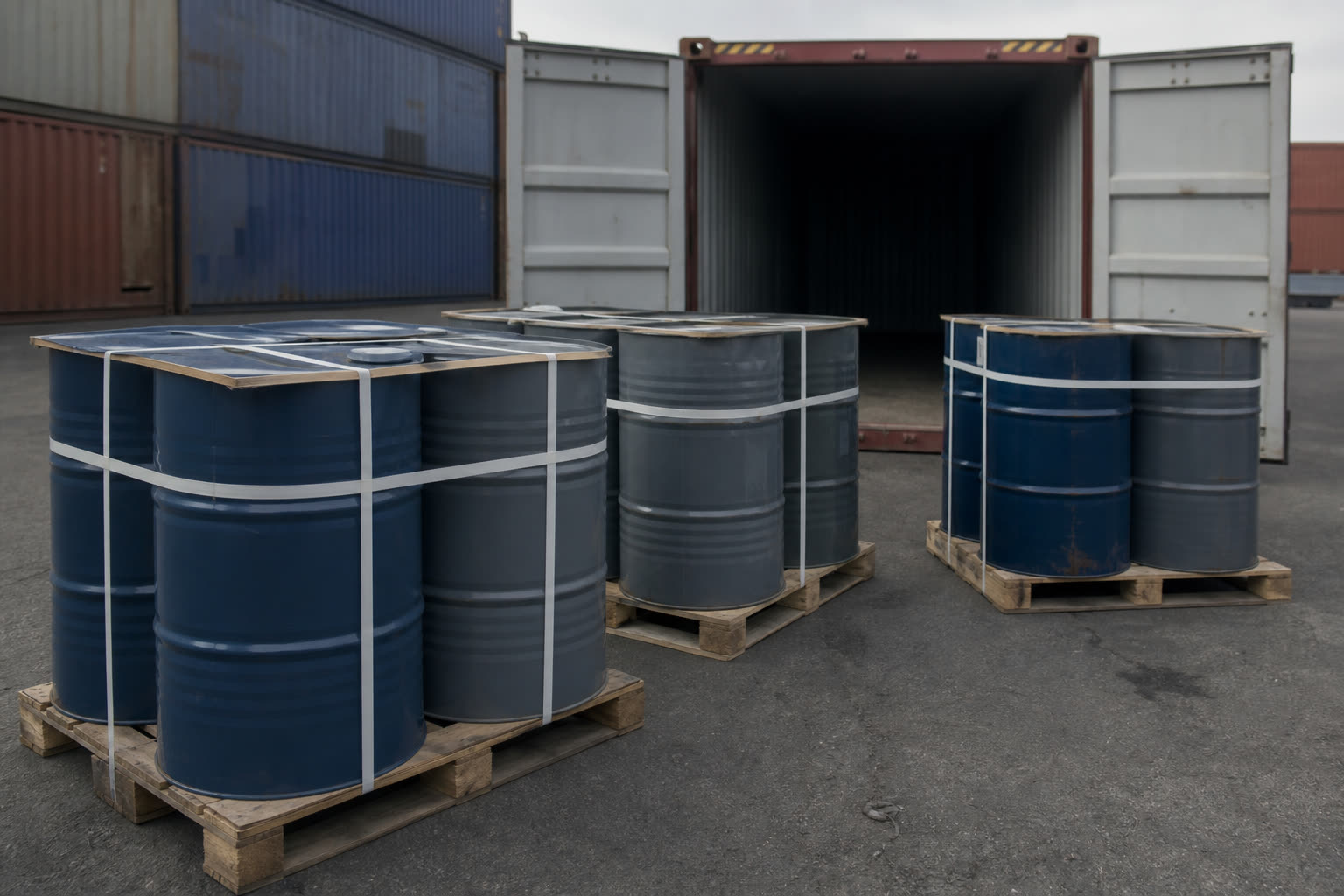
Shade & Shine Pine Chem has run pine chemistry in Kanpur since 1980, producing gum turpentine, double distilled turpentine and rosin, with exports to the United States, Thailand, Indonesia and China. Every consignment ships with a COA, in 200 litre barrels or tankers of 12,000 to 18,000 litres. Judge the process by its output: request a sample from a current production lot, then call +91 96965 09933 or email info@shadeshinepine.com to book barrels.