
Ester gum and glycerol ester of gum rosin are closely related products. Both are formed by the esterification of rosin (a mixture of resin acids, primarily abietic acid and related diterpene acids) with glycerol at high temperature, typically 250-280 deg C, using an acid or base catalyst. The resulting product is a pale, hard, brittle resin with improved water resistance, higher softening point, and much better oxidative stability compared to the original rosin. Despite the chemical similarity, the two products serve quite distinct markets, and the specifications required are different enough that they are not freely interchangeable.
What Is Ester Gum?
Ester gum is the trade name most commonly used for the industrial-grade product. It is produced from gum rosin (or tall oil rosin in some cases) and glycerol, with the primary goal of improving the properties of the rosin for use in coatings, adhesives, and inks. Typical parameters:
- Softening point: 80-90 deg C (Ring and Ball)
- Acid value: below 10 mg KOH/g
- Colour: Gardner 3-6 for standard grades, lighter for pale-process variants
- Ash content: below 0.1%
Industrial applications include:
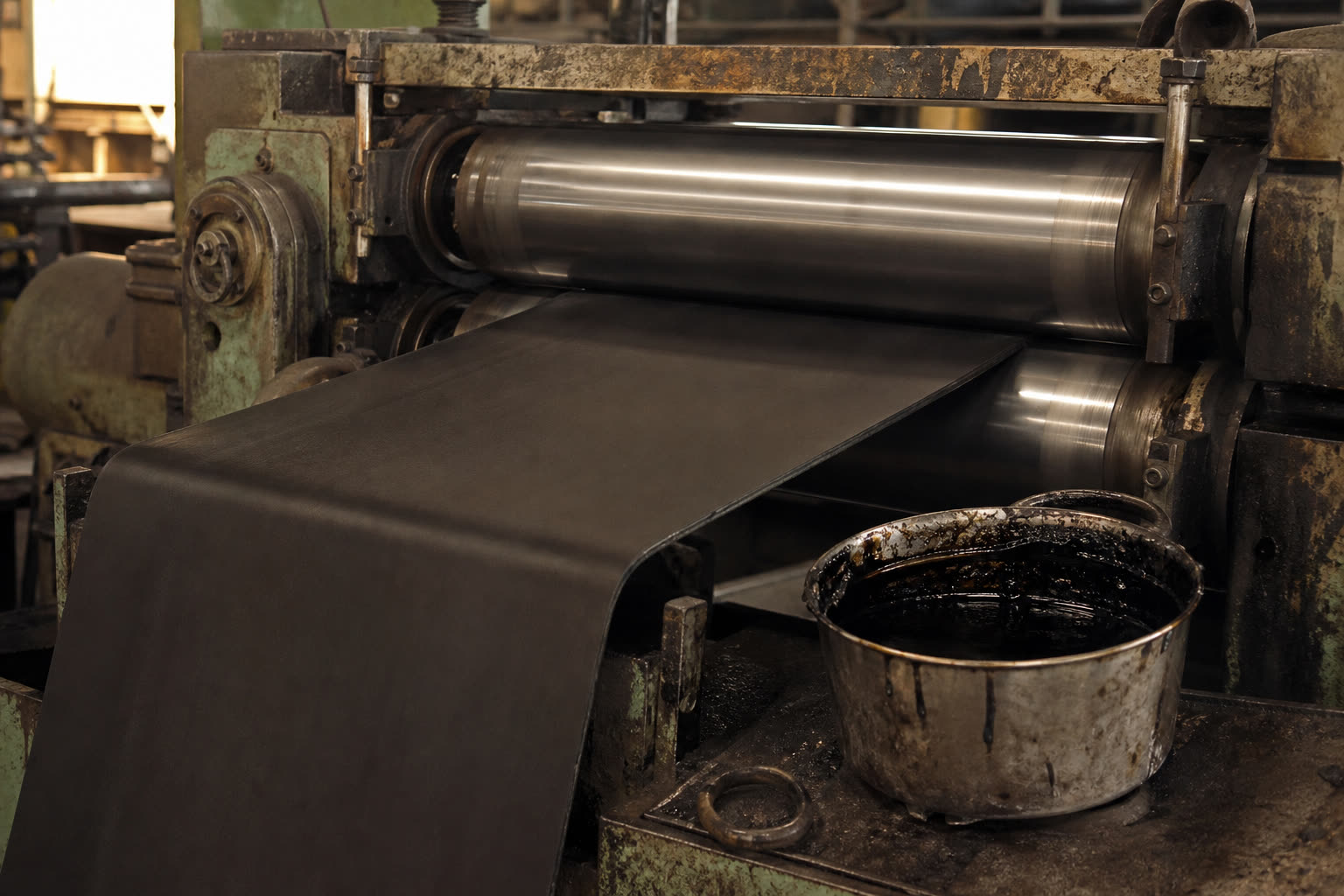
- Pressure-sensitive adhesives: ester gum is a tackifier that improves the tack and peel strength of rubber-based and acrylic-based adhesive systems
- Hot-melt adhesives for packaging and assembly
- Printing inks: ester gum dissolves in hydrocarbon solvents and imparts gloss and adhesion to printing ink films
- Road-marking paints and traffic paints, where ester gum provides binding and film-forming properties
- Rubber compounding as a softener and processing aid
What Is Glycerol Ester of Gum Rosin?
Glycerol ester of gum rosin is chemically the same class of compound but produced and tested to meet food safety standards. It is listed as a food additive in most major regulatory frameworks:
- US FDA: listed as GRAS (Generally Recognised As Safe) and approved as a food additive under 21 CFR 172.862 for use as a weighting agent in beverages
- European Union: listed as E445 for use in cloud emulsions for soft drinks
- Joint FAO/WHO Expert Committee on Food Additives (JECFA): evaluated and allocated an acceptable daily intake
The key additional requirements for the food-grade product over industrial ester gum are:
- Very low acid value: typically below 7-8 mg KOH/g (residual free acids are restricted in food use)
- Colour: typically Gardner 3 or lighter, often tested as a 50% toluene solution
- Heavy metals limits: lead, arsenic, and other regulated elements must be below strict food-grade thresholds
- Residual solvents: not applicable (no solvent is used in production) but process impurities are tightly controlled
- Full traceability and documentation: Certificate of Analysis matching the food-grade specification, batch traceability from rosin source to finished product
Beverage Weighting Agent
One of the most technically interesting uses of glycerol ester of gum rosin is as a weighting agent in citrus beverages. Citrus-flavoured soft drinks and sports drinks often contain small amounts of citrus oil for flavour and cloudiness. These oils are less dense than water and tend to separate to the surface of the beverage unless a weighting agent is added to bring the density of the oil phase closer to that of the water phase. Glycerol ester of gum rosin, with its density of around 1.08-1.10 g/cm3, does this effectively at very low usage levels (typically well below 100 ppm in the finished drink). It is approved for this purpose in the US, EU, and many other markets.
Chewing Gum Base
Both ester gum and glycerol ester of gum rosin can appear in chewing gum base formulations. Gum base is a complex mixture of elastomers, resins, plasticisers, and fillers that provides the chew character of chewing gum. Rosin esters contribute to the resin phase, affecting softening, cohesion, and compatibility with other gum base components. Food-grade glycerol ester is required for finished chewing gum products in regulated markets.
Choosing Between the Two
If your application is a food, beverage, or chewing gum product, you need glycerol ester of gum rosin meeting your regulatory market's specifications. If your application is an adhesive, coating, ink, or rubber compound, ester gum at the appropriate industrial specification will do the job at lower cost. Do not attempt to use an industrial ester gum in a food application: the specifications are different and the regulatory compliance is not equivalent. Equally, there is no need to pay for food-grade quality in an industrial adhesive.
Starting gum rosin grade matters: the colour and acid value of the finished ester ester are directly influenced by the rosin input, so pale rosin produces pale ester, and darker rosin gives a darker product with higher residual acid value.
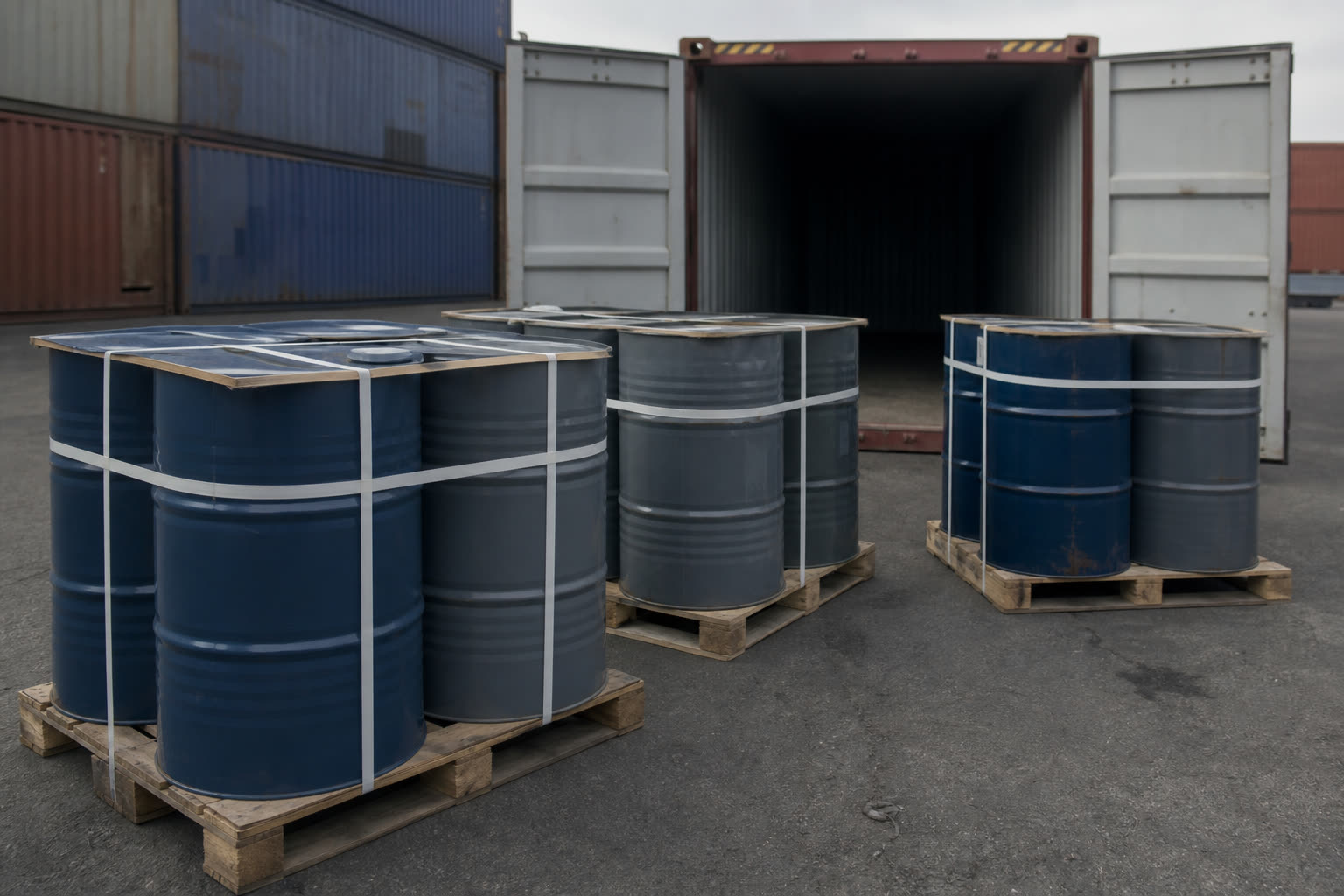
Shade Shine Pine Industries has worked in pine chemistry from Kanpur since 1980 and supplies both industrial ester gum and food-grade glycerol ester of gum rosin. We export to buyers in the food, beverage, adhesive, and coatings sectors globally. Product samples and full Certificates of Analysis are available on request. For bulk orders in 200 litre barrels or larger, contact us at +91 96965 09933 or info@shadeshinepine.com.