When a procurement team orders a chemical for the first time, they often search by trade name or generic description. This works until it does not: trade names differ between countries, the same name can refer to different purity levels or even different compounds, and what one supplier calls terpineol another calls pine oil 85%. The CAS (Chemical Abstracts Service) registry number solves this. Every distinct chemical compound has a unique CAS number, and that number is recognised universally by chemists, suppliers, customs agencies, and regulatory bodies. Using CAS numbers in purchase orders, tenders, and specifications is a mark of professional procurement.
What Is a CAS Number?
The Chemical Abstracts Service, a division of the American Chemical Society, has maintained the world's largest chemical registry since 1907. Each substance registered is assigned a CAS Registry Number, a unique numerical identifier in the format NNNNNN-NN-N (a sequence of digits separated by hyphens). The number itself carries no chemical information: it is simply an index that points to a specific entry in the registry, which contains the compound's name, molecular structure, molecular formula, and synonyms.
CAS numbers do not indicate purity. CAS 8006-64-2, for example, is turpentine oil. Whether it is 60% alpha-pinene or 75% alpha-pinene, single-distilled or double-distilled, all fall under that CAS number for customs and regulatory purposes. The CAS number identifies the substance type; the specification sheet provides the quality parameters. Both are needed.
Why Serious Buyers Use CAS Numbers
- Cross-supplier comparison: when requesting quotes from multiple suppliers, specifying a CAS number ensures everyone is pricing the same substance, not different things with similar names
- Import and export documentation: customs authorities in the US, EU, and most Asian markets require CAS numbers on import declarations and safety data sheets (SDS). Getting this wrong delays shipments.
- Regulatory compliance: REACH in the EU, TSCA in the US, and local chemical inventories are all maintained by CAS number. Knowing the CAS number of each substance in your formulation is a basic compliance requirement.
- Safety data sheets: SDSs are filed and searched by CAS number. Quickly pulling up the right SDS for a substance entering your plant requires knowing its CAS number.
- Avoiding mix-ups with isomers: alpha-pinene and beta-pinene are both pinenes, but they are different compounds. Their CAS numbers, 80-56-8 and 127-91-3 respectively, make the distinction unambiguous.
Key CAS Numbers for Pine-Derived Chemicals
| Chemical | CAS Number | Common Trade Names |
|---|---|---|
| Alpha-pinene | 80-56-8 | 2-Pinene, alpha-pinene 95% |
| Beta-pinene | 127-91-3 | Nopinene, beta-pinene 95% |
| Alpha-terpineol | 98-55-5 | Terpineol alpha, pine oil 85% |
| Dipentene (racemic limonene) | 138-86-3 | dl-Limonene, dipentene |
| Terpinolene | 586-62-9 | Isoterpinene, delta-terpinene |
| Delta-3-carene | 13466-78-9 | 3-Carene, car-3-ene |
| Camphene | 79-92-5 | 2,2-Dimethyl-3-methylenebicyclo[2.2.1]heptane |
| Isoborneol | 124-76-5 | Isoborneol powder |
| Camphor | 76-22-2 | 2-Bornanone, camphor powder |
| Terpinyl acetate | 8007-35-0 | Terpinyl acetate (mixed isomers) |
| Dihydromyrcenol | 18479-58-8 | DHM, 2,6-dimethyl-7-octen-2-ol |
| Eucalyptol (1,8-cineole) | 470-82-6 | Cineole, eucalyptol |
| l-Menthol | 2216-51-5 | Natural menthol crystals, bold/rice grade |
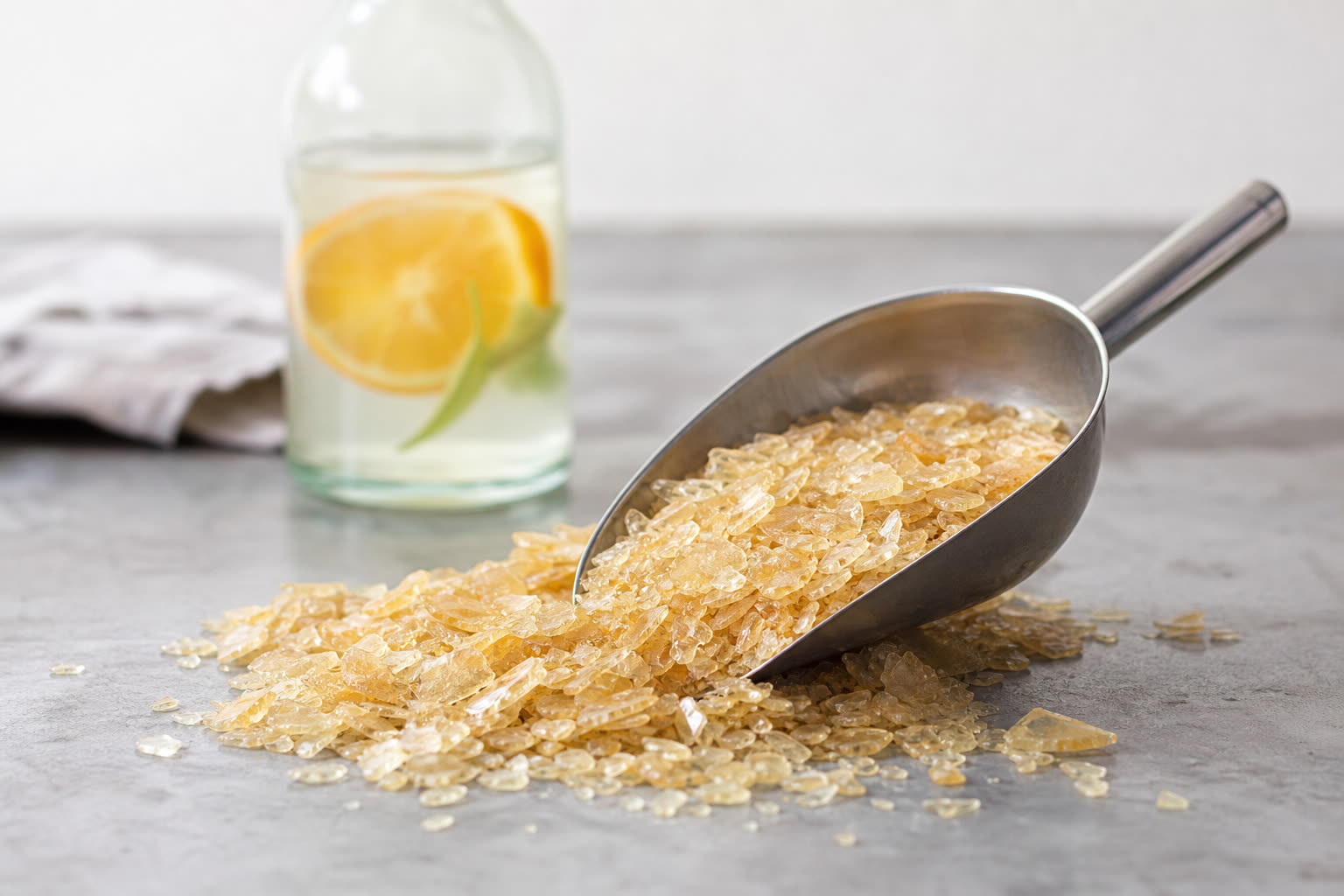
| Gum rosin | 8050-09-7 | Colophony, rosin, WW/WG/X/N/K grade |
| Glycerol ester of gum rosin | 8050-31-5 | Ester gum, E445, weighting agent |
| Gum turpentine oil | 8006-64-2 | Spirits of turpentine, turpentine oil |
Practical Tips for Procurement
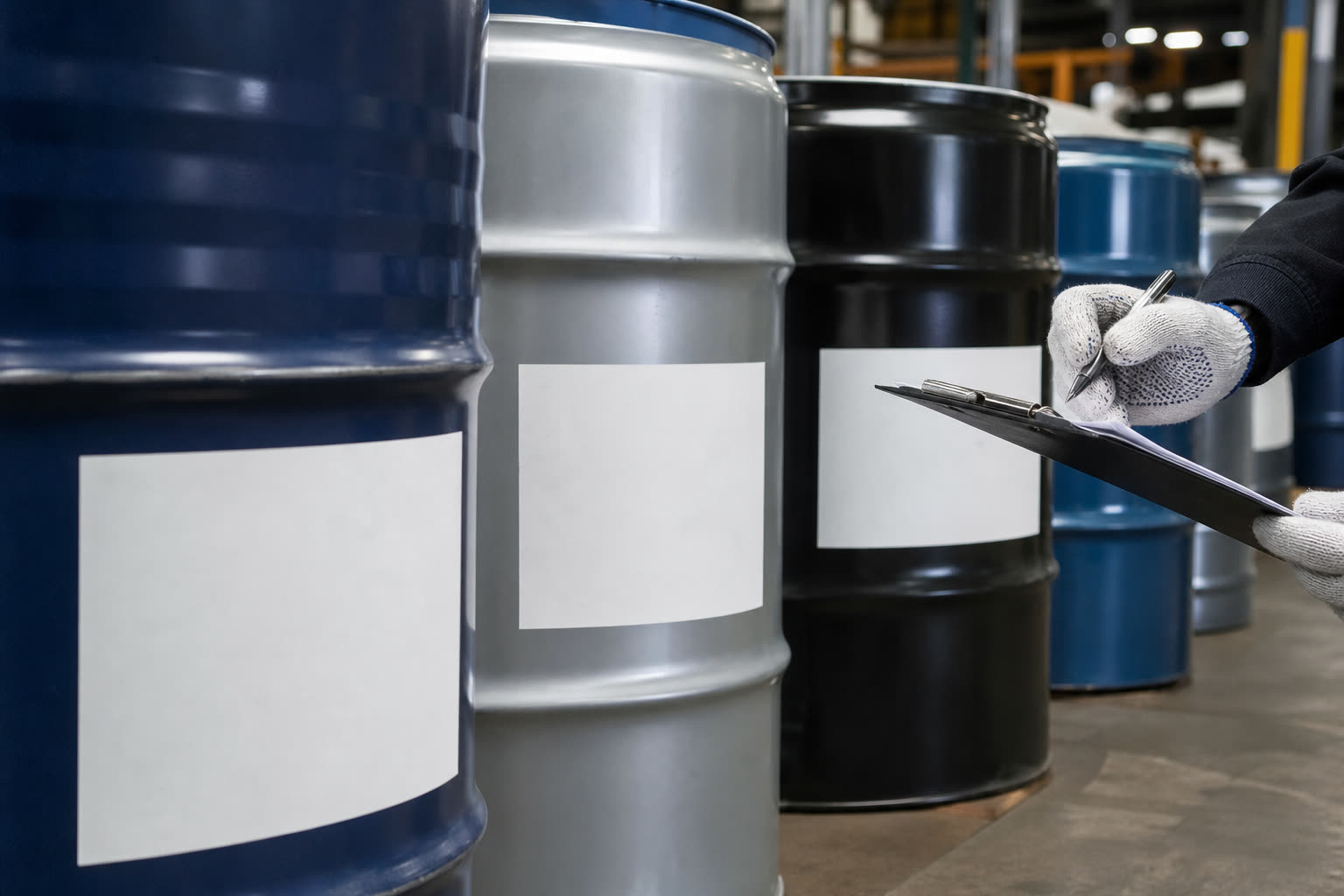
When writing a purchase specification, include: the CAS number, the minimum purity or grade standard, the relevant analytical test method (GC, Gardner colour, specific gravity, etc.), and the packaging format you need. For alpha-pinene or beta-pinene, specifying 95% purity by GC alongside the CAS number gives a supplier everything they need to quote accurately. For gum rosin, CAS 8050-09-7 plus the grade (e.g. WW, N, K) and softening point gives a complete specification. For terpineol, CAS 98-55-5 is alpha-terpineol specifically: if you want the mixed isomer product, note that CAS 8000-41-1 covers the mixed terpineol product.
When requesting an SDS from a supplier, quote the CAS number. This ensures you receive the SDS for the actual substance, not a generic document that may cover a different grade or mixture. For multi-component products such as pine oil or turpentine, the SDS will cover the mixture, but the CAS number of the main component should still be referenced in your documentation.
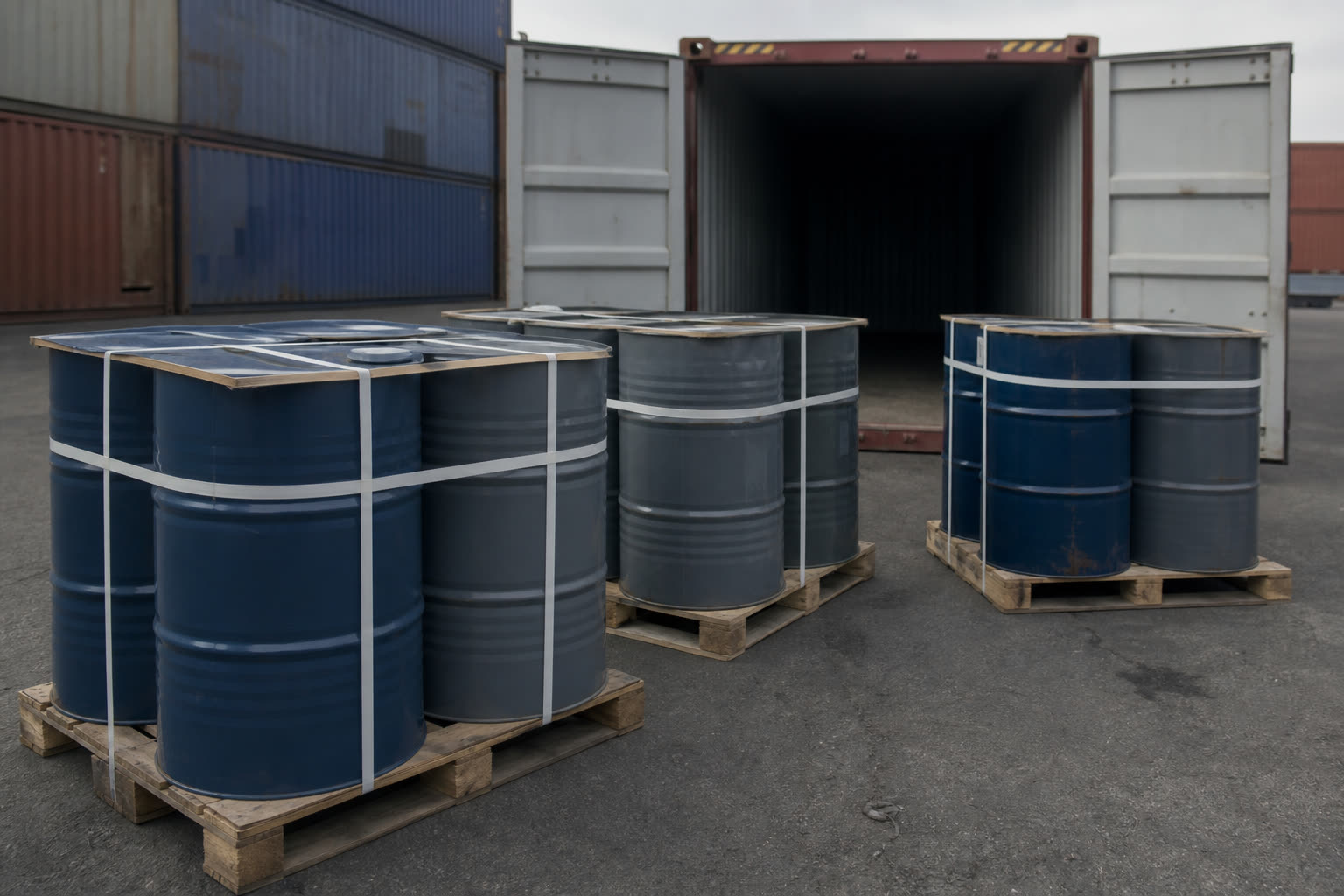
Shade Shine Pine Industries supplies all pine chemicals with full Certificates of Analysis including CAS numbers, purity by GC, and physical property data. We have exported from Kanpur since 1980 and are familiar with international documentation requirements for US, EU, and Asian destinations. Samples are available before commitment to a 200 litre barrel order. Contact us at +91 96965 09933 or info@shadeshinepine.com with your CAS-referenced specification.