Pine tar oil is produced by the destructive distillation of pine wood, particularly the resin-rich heartwood and roots of Pinus sylvestris and related species. Unlike the clear, pale terpene oils recovered by steam distillation of oleoresin, pine tar oil is a dark, viscous liquid with a strong smoky-phenolic odour. It is rich in phenols, cresols, xylenols, guaiacol, aromatic hydrocarbons, and some residual terpene compounds. This complex composition is precisely what makes it useful across several quite different industries.
Pine Tar Oil in Rubber Compounding
The rubber industry has used pine tar oil as a processing aid and softener for well over a century. Its specific functions in a rubber compound include:
Softening and Plasticisation
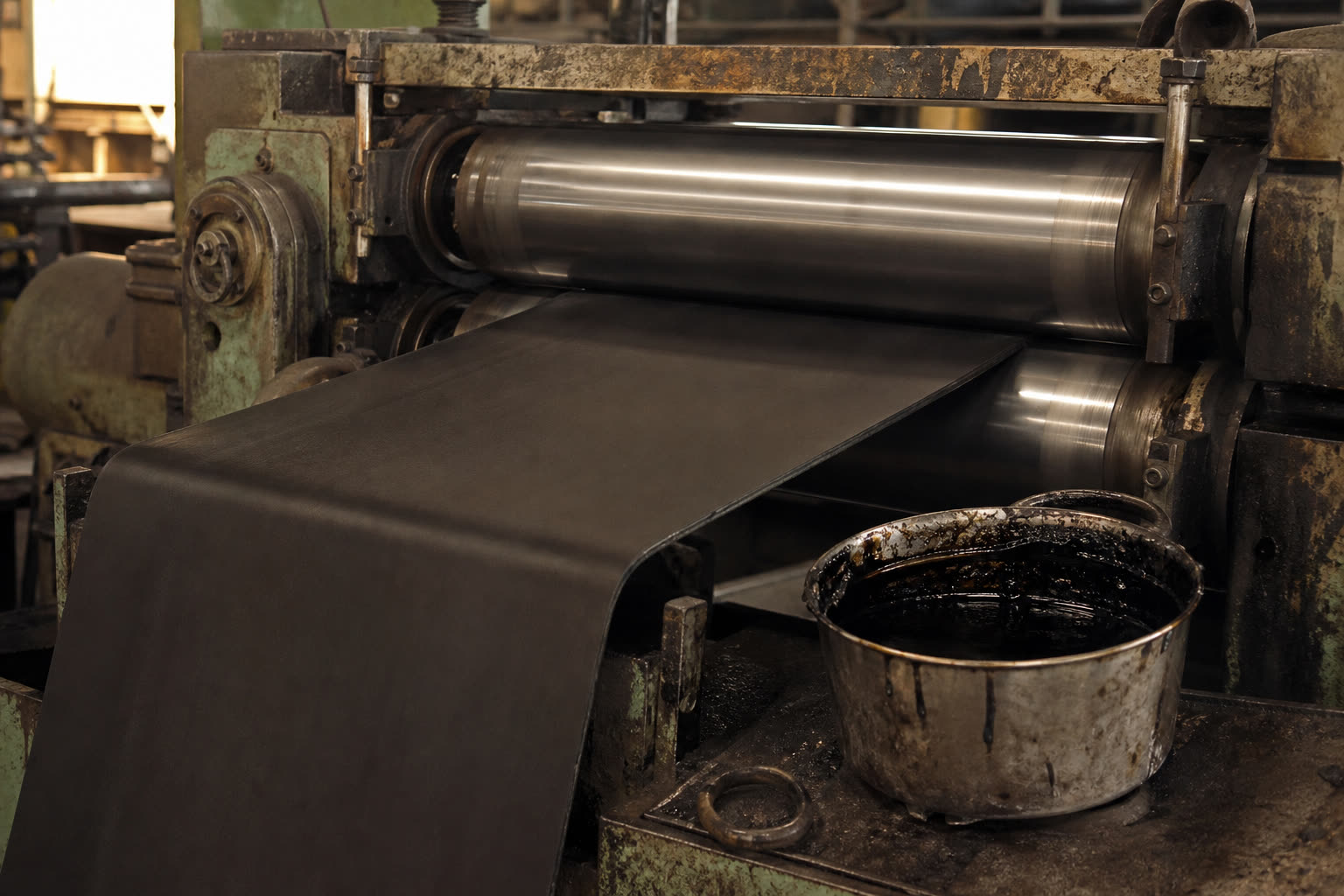
Pine tar oil reduces the hardness and stiffness of natural rubber and synthetic rubber (particularly SBR) compounds. It lowers the Mooney viscosity of the uncured compound, making it easier to mill, calender, and extrude at processing temperatures. Unlike purely aliphatic process oils, pine tar has polar phenolic groups that interact with the rubber polymer network in a distinctive way, often giving softer, more elastic vulcanisates at equivalent loading.
Dispersing Aid
Carbon black dispersion in rubber is critical to final compound performance. Pine tar oil wets the carbon black surface and helps break up agglomerates during mixing, producing a more uniform dispersion and, in turn, better physical properties in the cured rubber. This function is broadly similar to what dipentene provides, but the phenolic content of pine tar oil gives an additional chemical interaction with the rubber matrix.
Processing Aid for Reclaim
In reclaimed rubber processing, pine tar oil softens the scrap rubber and facilitates the devulcanisation process. It reduces the energy required for the pan or autoclave devulcanisation step and helps produce a reclam with acceptable plasticity for remilling.
Activator for Certain Accelerators
The phenolic components in pine tar oil can interact with sulphur vulcanisation chemistry. In some formulations, pine tar is included deliberately as part of the accelerator system chemistry, particularly in compounds using thiuram or dithiocarbamate accelerators.
Wood Treatment and Preservation
Pine tar has been used on timber for preservation since at least the 18th century, when it was applied to ship hulls and rigging. The mechanism is straightforward: phenols and cresols are biocidal against the wood-rotting fungi and bacteria that attack timber. Pine tar penetrates wood grain, waterproofs the surface to some degree, and leaves a protective film.
Current uses in wood treatment include:
- Fencing posts and agricultural wooden structures, particularly in applications where prolonged ground contact causes decay
- Traditional treatment of wooden boat hulls and decks
- Treatment of wooden tool handles and wooden components in outdoor structures
- Restoration of old timber where a traditional, chemically simple treatment is preferred over modern synthetic wood preservatives
Pine tar oil for wood treatment is typically applied by brush or by immersion of end-grain sections. Its dark colour is a limitation in applications where appearance matters, but for utilitarian outdoor woodwork this is rarely a concern.
Veterinary Applications
Pine tar oil has an established history in veterinary use, particularly in large animal care:
- Hoof dressings for cattle and horses: applied to cracked or dry hooves, pine tar softens the hoof horn, provides some protection against wet ground conditions, and the phenolic components help control bacterial and fungal infections at the hoof-ground interface
- Wound dressings: the antiseptic properties of pine tar phenols have led to its use in livestock wound preparations, particularly for minor cuts and abrasions, where it also acts as a fly repellent due to its strong odour
- Mange and skin condition treatments in cattle, where pine tar is part of traditional topical formulations
Veterinary pine tar preparations are distinct from pharmaceutical tar products for human skin use (which use coal tar or highly refined pine tar fractions). The veterinary-grade product does not need to meet the same purity requirements as cosmetic or pharmaceutical grades.
Handling Notes
Pine tar oil is viscous and can be difficult to pump and handle at ambient temperature in cool weather. Gentle heating to 40-50 deg C lowers viscosity and aids transfer. It is combustible (flash point typically above 80 deg C) and should be stored away from ignition sources. The strong phenolic odour requires appropriate ventilation in enclosed spaces. PPE including gloves and eye protection should be used when handling bulk quantities.
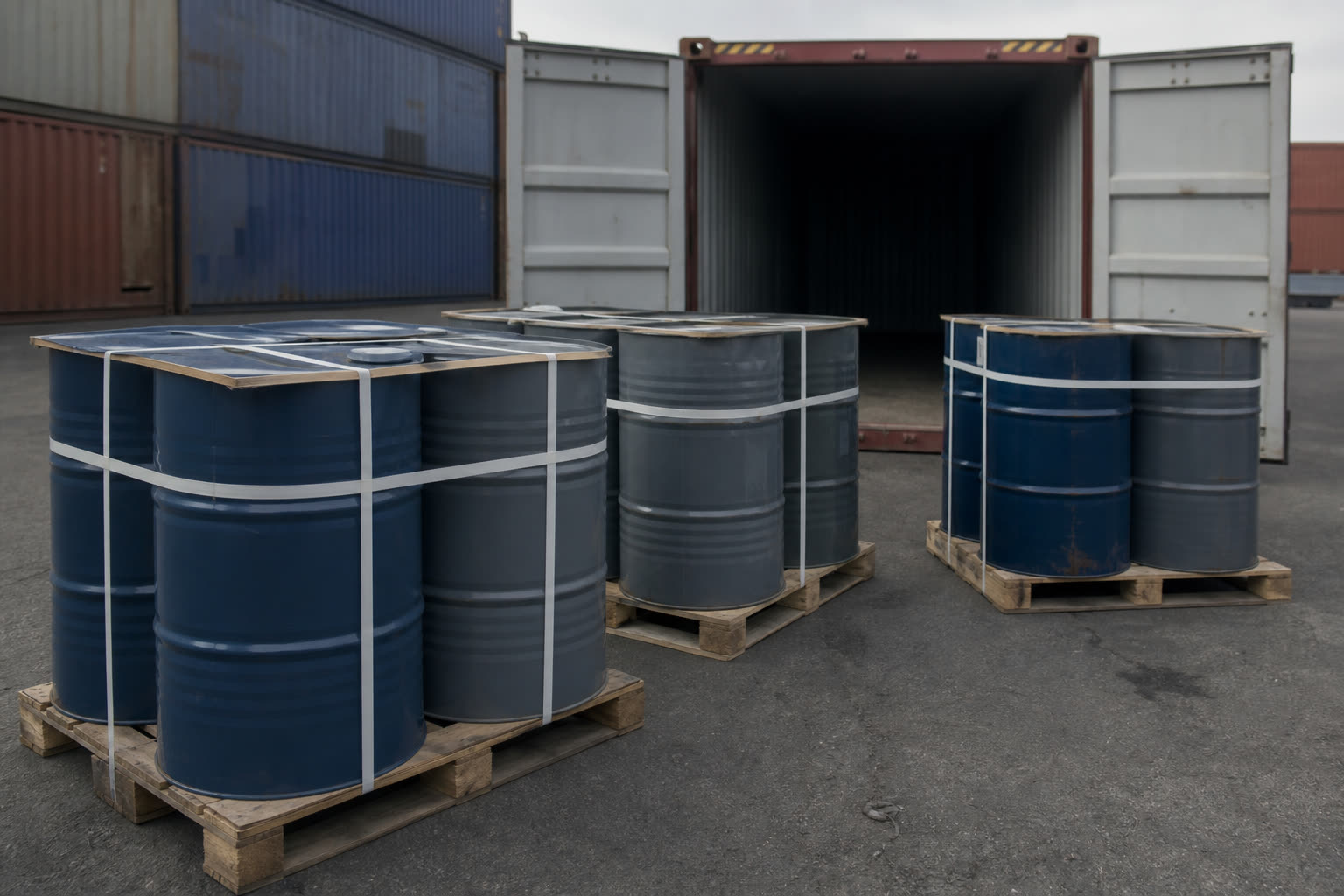
Shade Shine Pine Industries supplies pine tar oil in 200 litre barrels and can arrange tanker quantities for bulk rubber compounding operations. We have supplied pine chemicals to rubber and wood treatment customers from Kanpur since 1980. If you want to evaluate our pine tar oil against your current supply, samples are available on request. Call us on +91 96965 09933 or write to info@shadeshinepine.com.