Turpentine and mineral turpentine are both clear, flammable solvents sold into similar markets, but they come from completely different sources. Real turpentine is a terpene hydrocarbon mixture steam-distilled from pine oleoresin or wood. Mineral turpentine is a petroleum distillate, essentially a light white spirit with a narrow boiling range. The distinction matters because the two solvents behave differently in formulations, carry different regulatory profiles and are not interchangeable in all applications.
What is real turpentine?
Real turpentine is produced by distilling pine oleoresin (gum turpentine), by steam-processing pine stumps (wood turpentine), or as a by-product of the kraft pulping process (sulphate turpentine, also known as crude sulphate turpentine or CST). In each case the core chemistry is terpene hydrocarbons: alpha pinene and beta pinene are the dominant constituents, together making up 60-90% of the product depending on source. Smaller amounts of delta 3 carene, camphene, terpinolene and other C10 terpenes are also present.
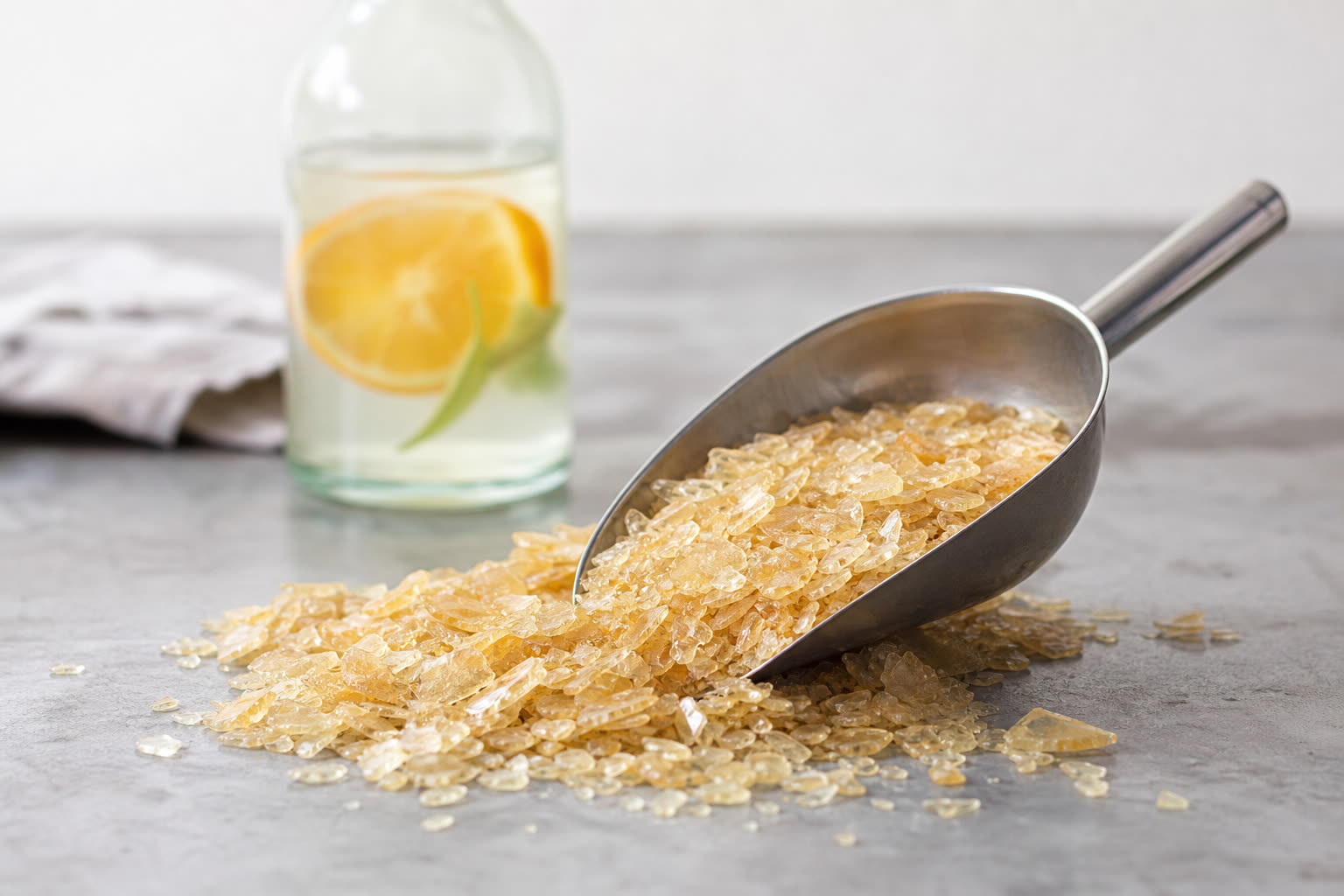
Gum turpentine, distilled directly from freshly tapped pine resin, is the cleanest and most consistent type. It is produced mainly in China, Indonesia, Brazil and India. Double-distilled (DD) turpentine is gum turpentine that has been redistilled to remove water and heavier fractions, giving a tighter boiling range and higher purity.
What is mineral turpentine?
Mineral turpentine goes by many names in different markets: white spirit, mineral spirits, paint thinner, Stoddard solvent and mineral turps are all terms for the same class of product. It is a petroleum fraction distilling roughly between 150 and 200 degrees Celsius. Unlike real turpentine, it contains no terpene alcohols and cannot be used as a feedstock for chemical synthesis. Its components are predominantly aliphatic and alicyclic hydrocarbons (hexane, heptane, octane and their isomers), with varying amounts of aromatic hydrocarbons depending on grade.
How do the solvency properties compare?
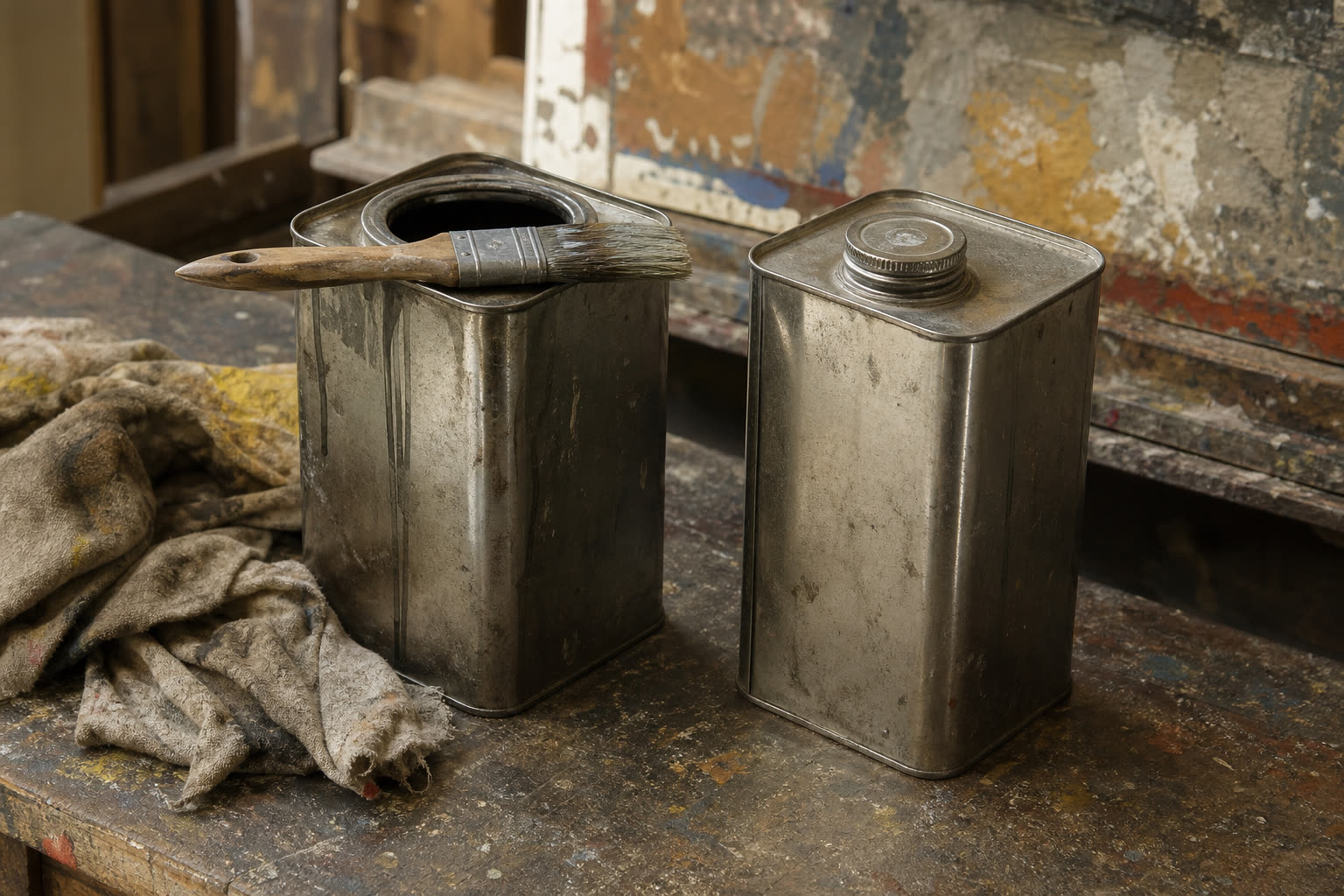
Real turpentine has stronger solvency for natural resins, copal, amber and dried oil paint films than mineral turpentine has. This is because the terpene molecules in real turpentine are chemically closer to the polymerised resin acids in dried alkyd and oil-based coatings. Mineral turpentine is a weaker solvent for these substrates but is adequate for thinning fresh, uncured oil paint and cleaning brushes. For removing aged, hardened paint or varnish, real turpentine is markedly more effective.
Real turpentine vs mineral turpentine comparison
| Property | Real Turpentine (gum or DD) | Mineral Turpentine (white spirit) |
|---|---|---|
| Source | Pine tree oleoresin or wood | Petroleum distillation |
| Main chemistry | Alpha pinene, beta pinene and related terpenes | C7-C12 aliphatic and aromatic hydrocarbons |
| Boiling range (approx.) | 150-170 °C | 150-200 °C |
| Solvency for natural resins | Strong | Moderate to weak |
| Reactivity (chemical synthesis) | High; alpha pinene reacts with acid catalysts | None; inert hydrocarbons |
| Odour | Characteristic pine, resinous | Petroleum, somewhat odourless at low aromatic grades |
| Renewable | Yes | No |
| Typical uses | Paints, varnishes, chemical synthesis, fragrance | Paint thinners, degreasers, dry cleaning |
When should you use real turpentine?
Real turpentine is the correct choice when:
- The solvent is being used as a chemical feedstock. Mineral turpentine cannot be converted to terpineol, camphor or other terpene derivatives; real turpentine can.
- Strong solvency for aged or polymerised natural resin films is needed, for example in fine art conservation or traditional varnish removal.
- The end-use specification calls for a bio-based or renewable solvent. In some markets, formulators are replacing mineral spirits with gum turpentine to reduce the petroleum content of their products.
- A characteristic pine fragrance note is required in the formulation, for example in pine disinfectants and some wood treatments.
When is mineral turpentine preferable?
- Cost-sensitive applications where strong solvency for natural resins is not required.
- Situations requiring lower odour, where odourless white spirit grades are preferred over the characteristic terpene smell.
- Large-volume industrial degreasing where price per litre dominates purchasing decisions.
What about double-distilled turpentine?
Double-distilled turpentine is real gum turpentine that has been redistilled to remove water, heavy terpene fractions and odorous sulphur compounds that sometimes contaminate crude gum turpentine. The result is a cleaner-smelling, more consistent product with a narrower boiling range. It is preferred in paint and varnish applications where colour and odour are important, and in fragrance work where the crude turpentine odour would be intrusive.
Practical guidance for purchasing teams
When raising a purchase order, be explicit about which product you need: specify "gum turpentine oil" or "double-distilled turpentine oil" for real terpene-based products, and "white spirit" or "mineral spirits" with the relevant boiling range specification for petroleum solvents. The term "mineral turpentine" can cause confusion because it is used colloquially to mean both petroleum spirit (in Australian English) and sometimes imprecisely for any clear solvent.
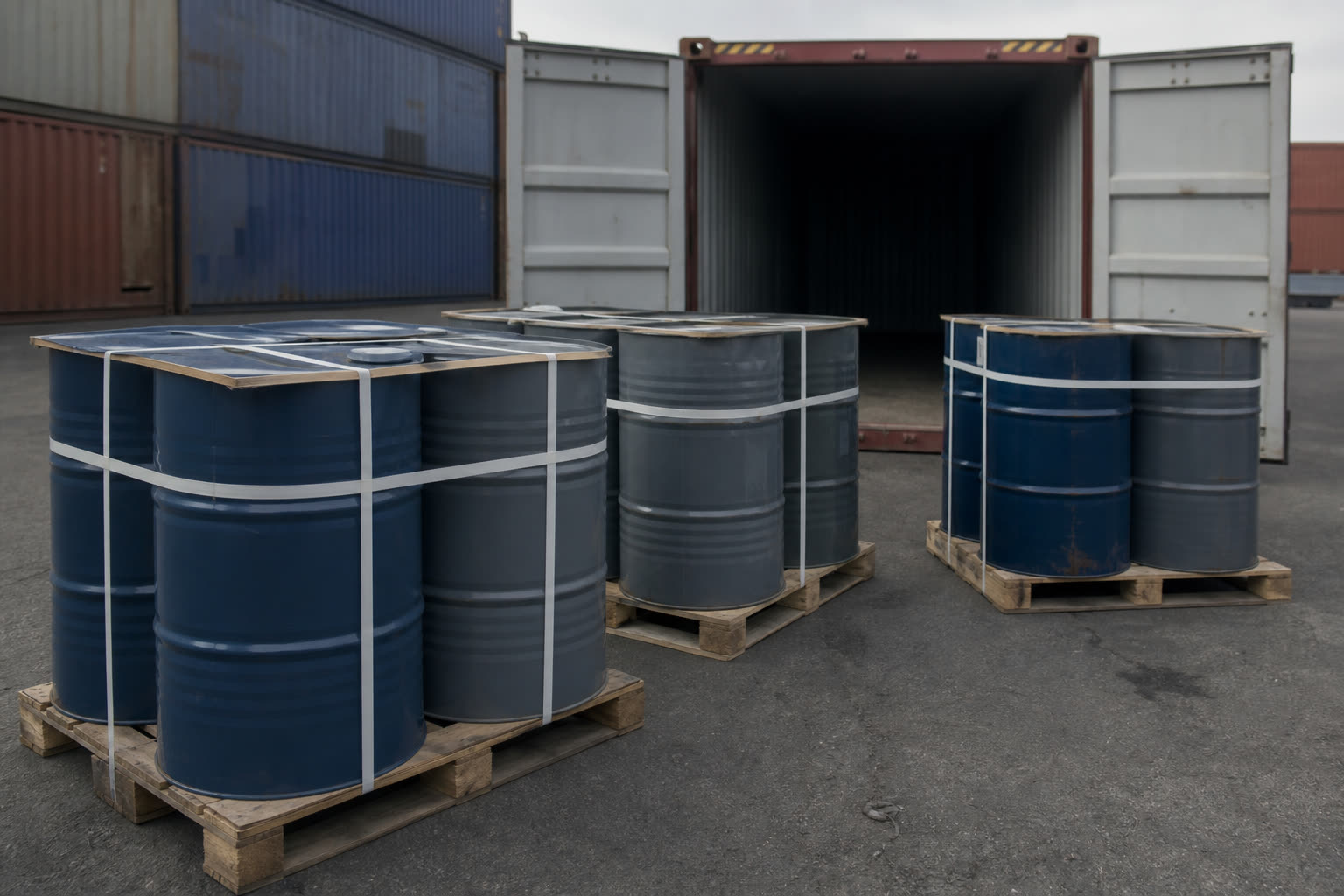
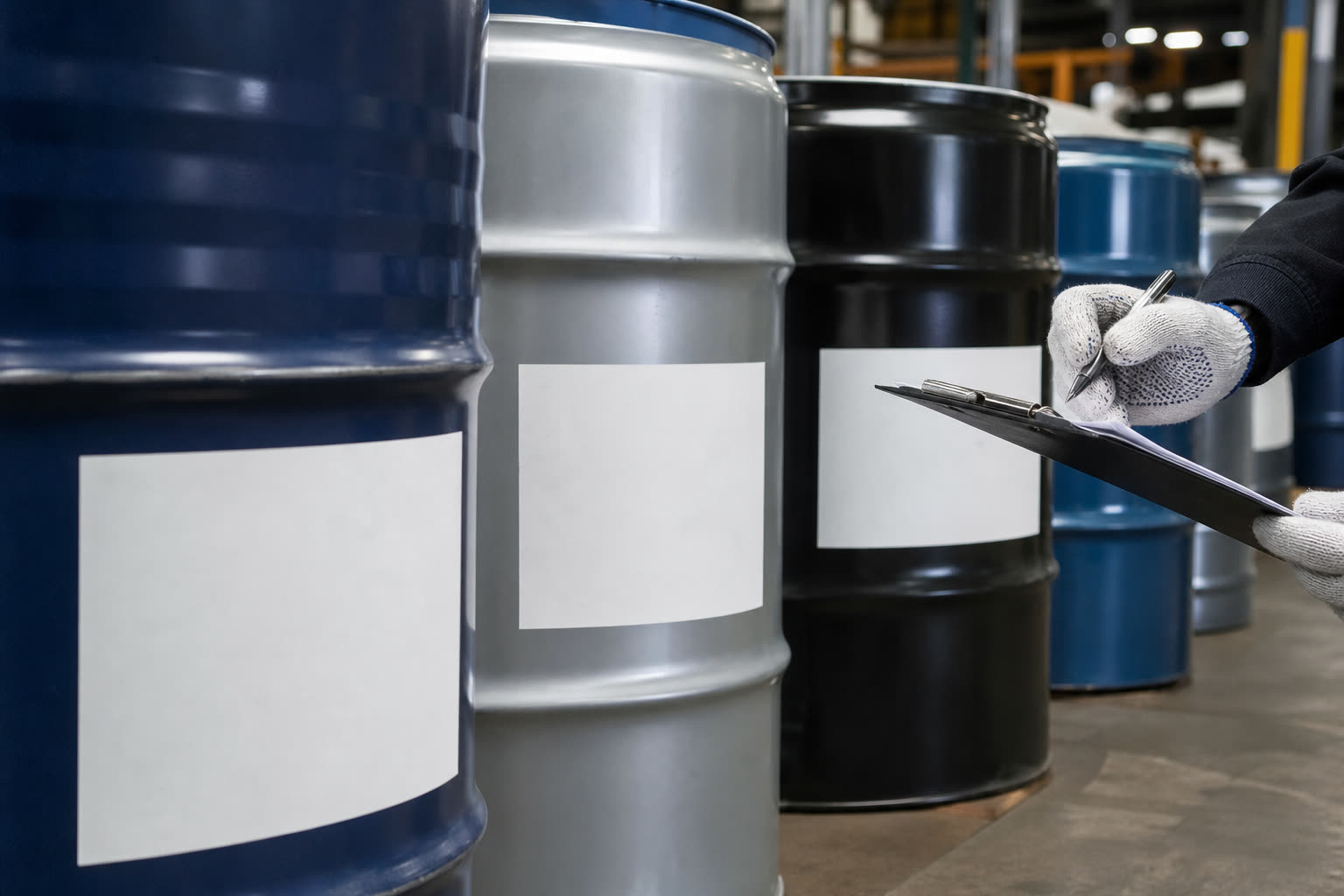
For international shipments, both products are classified as flammable liquids under UN transport regulations. Real turpentine is generally classified as UN1299 (Turpentine); mineral spirits typically fall under UN1300 (Turpentine substitute) or UN1993 (Flammable liquid, NOS) depending on flash point and composition. Ensuring the correct UN number is on the shipping documentation prevents regulatory delays at customs.
From a quality assurance perspective, the most reliable way to confirm that a real turpentine shipment contains genuine terpene content is gas chromatography showing alpha pinene and beta pinene peaks. Mineral spirits, by contrast, will show no terpene peaks under the same GC method.
Shade Shine Pine offers both gum turpentine oil and double-distilled turpentine oil, sourced from gum oleoresin rather than wood or kraft streams. For buyers who want to understand the terpene composition of a specific lot, certificates of analysis showing alpha pinene and beta pinene content are available. If your downstream process requires isolated alpha pinene, that is also available separately. Request samples or discuss volumes by calling +91 96965 09933 or emailing info@shadeshinepine.com. Supply is available in 200 litre barrels and road tankers.