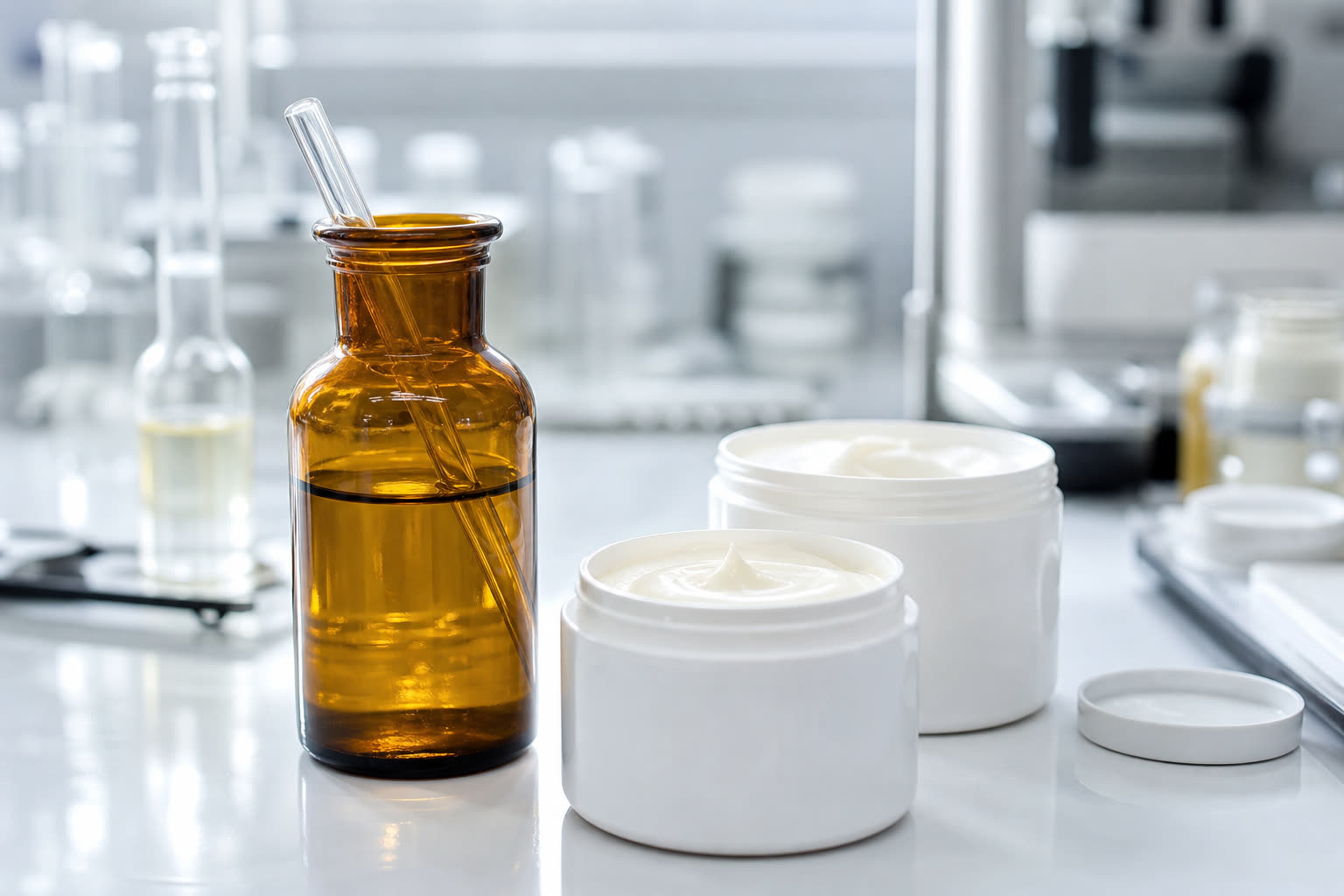
Turpentine oil is used in pharma and personal care as a topical counterirritant and rubefacient. Applied to skin in a formulated product, it produces local warmth and redness that eases muscular and joint discomfort. It appears in liniments, balms, medicated chest rubs and veterinary preparations, always for external use and always as one ingredient in a finished formulation.
One point before anything else: this article describes pharmacopoeia standards as industry context for formulators. It is not a claim that any particular industrial turpentine lot is certified to a pharmacopoeia. Compliance of a finished drug product is established by the formulator through their own testing and regulatory process.
Which products actually contain turpentine oil?
- Liniments. The classic format. Turpentine Liniment BP is a long standing formulation built on soft soap, camphor and turpentine oil, applied with massage for muscular pain, sprain and stiffness. White Liniment BP is an emulsion carrying 25 percent v/v turpentine oil, positioned for sciatica, lumbago, sprains and rheumatic pain.
- Chest rubs and balms. Many traditional vapour rub and pain balm formats across Asia combine turpentine oil with camphor, menthol, eucalyptus oil and pine oil in an ointment base.
- Veterinary preparations. Liniments and topical dressings for livestock draw on the same counterirritant action.
- Disinfectant adjacent products. Terpene derived actives such as terpineol, made downstream from pinene, carry pine chemistry into antiseptic and hygiene formulations.
What do the pharmacopoeias say about turpentine oil?
Pharmacopoeias have carried turpentine monographs for well over a century, and the pattern is consistent across editions and regions.
- The material is defined by source and process. Monographs describe the oil distilled from pine oleoresin, then rectified, meaning redistilled to strip colour, odour taints and residue.
- Identity is fixed by physical constants. Historical USP and BP entries put rectified turpentine oil at a specific gravity around 0.855 to 0.870 and refractive index of 1.465 to 1.480, distilling substantially between about 156 and 180 degrees C.
- Purity is fixed by residue limits. The rectified oil must evaporate leaving practically no weighable residue, a direct check against heavy ends and adulterants.
Notice how closely those historical compendial constants sit to a modern trade spec. A good gum turpentine today shows SG 0.855 to 0.870 and RI 1.465 to 1.480, which is exactly the window our own COAs report. The pharmacopoeia concept of rectification also maps directly onto the commercial double distilled turpentine oil grade, where a second distillation lifts alpha-pinene to 70 to 80 percent and cuts residue to very low levels. That is why pharma formulators start their sourcing conversations at the DD grade rather than single distilled oil. The comparison between the grades is detailed in gum turpentine vs double distilled.
Why do formulators prefer redistilled turpentine?
| Formulation concern | Why redistillation helps |
|---|---|
| Odour of the finished rub | Second distillation removes harsh back notes, leaving a clean pine odour that blends with camphor and menthol |
| Colour of the product | Water white oil keeps white emulsions and pale balms on colour target |
| Residue and skin feel | Very low evaporation residue avoids greasy or tacky after feel |
| Batch to batch consistency | Narrow distillation cut and a GC backed pinene range make QC release predictable |
What should a pharma buyer check before purchase?
Bulk turpentine for formulation work should be qualified like any other input material.
- GC profile. Ask for the chromatogram. Alpha-pinene of 70 to 80 percent with a clean heavy end is the signature of a properly redistilled oil. Our post on alpha-pinene content explains how to read the numbers.
- Physical constants. SG 0.855 to 0.870 and RI 1.465 to 1.480, checked on receipt against the COA.
- Evaporation residue. A simple in house test that catches adulteration with petroleum cuts.
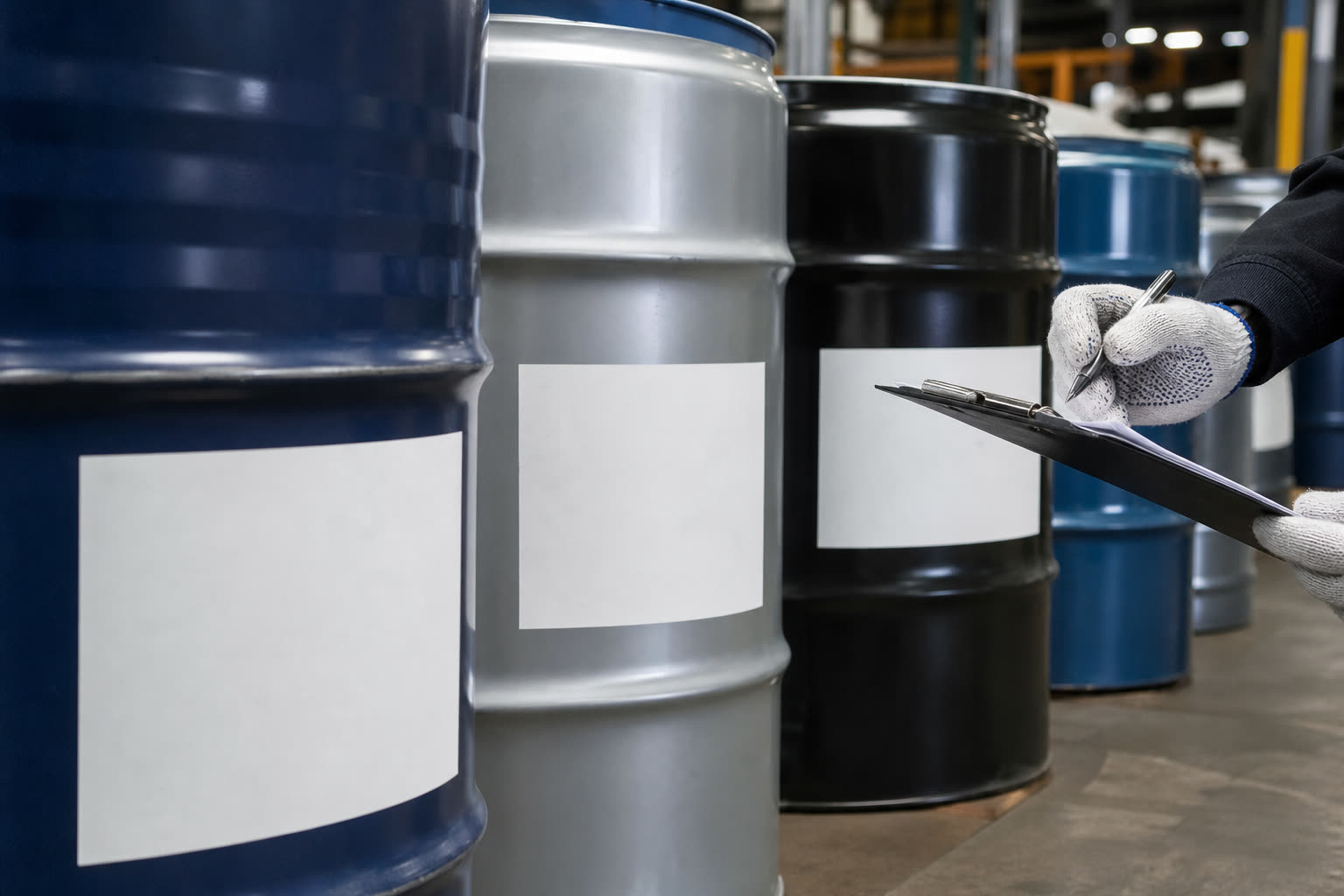
- COA discipline. A certificate of analysis with every consignment, tied to the batch number on the barrels.
- Samples first. Run a pre shipment sample through your own QC and a formulation trial before releasing a bulk order.
What about safety and handling in a pharma plant?
Turpentine oil is a flammable liquid, UN 1299, Class 3, packing group III. Warehouses and dispensing rooms need the same controls as any Class 3 solvent store: ventilation, bonding against static during transfer, and sealed containers to limit oxidation of pinene on air contact. Full guidance is in our post on turpentine storage and safety. For external use products, occupational exposure during dispensing is managed with normal solvent handling practice and the measures on the safety data sheet.
How did turpentine earn its place in the pharmacopoeias?
The monographs read the way they do because of a long clinical history. Nineteenth and early twentieth century pharmacopoeias carried not only the oil but official preparations built on it, turpentine liniment, turpentine emulsion and acetic turpentine liniment among them, and they specified rectification precisely because the crude oil of the day varied so much in odour and residue. The USP of that era described rectifying the oil by redistilling it over alkali, which stripped the decomposition products responsible for harsh odour and taste.
The therapeutic logic has narrowed since then. Internal uses have disappeared from modern practice, while the external counterirritant role survives in registered products like White Liniment BP and in a wide field of traditional balms across Asian markets. For a bulk buyer the historical detail carries one practical lesson: the quality markers the compendia fixed a century ago, tight distillation range, minimal residue, clean odour, are exactly the parameters that still separate a formulation grade oil from a hardware store solvent, and they remain the right acceptance criteria today.
Where can formulators source consistent material?
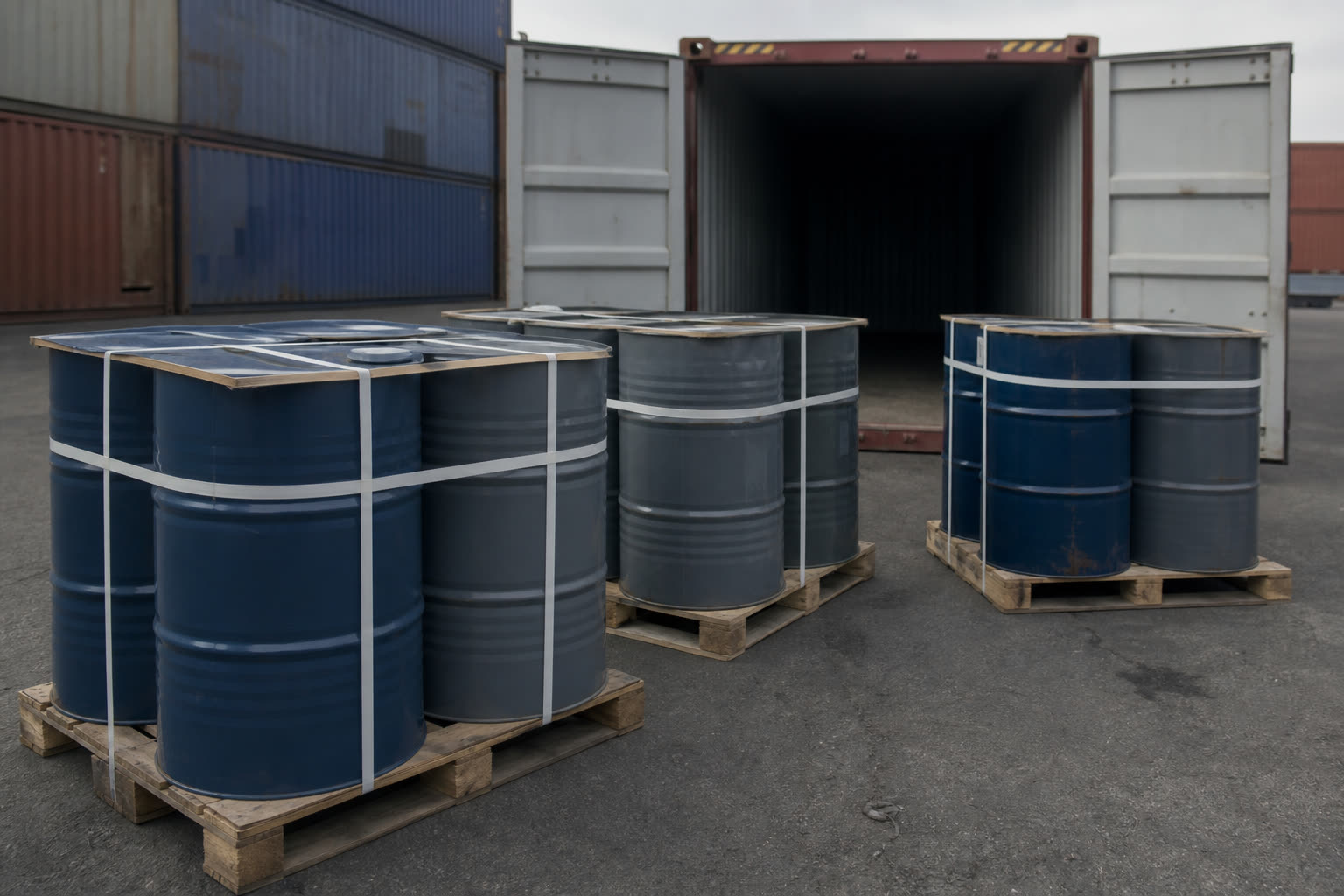
Shade & Shine Pine Chem has produced turpentine grades in Kanpur since 1980 and supplies formulation houses in India and export markets including the United States, Thailand, Indonesia and China. Material ships in 200 litre barrels or 12,000 to 18,000 litre tankers, always with a COA, and always sample first for new buyers. Ask for a documented sample of our double distilled grade, run it through your QC, then call +91 96965 09933 or write to info@shadeshinepine.com for barrel pricing.