Choosing a paint thinner comes down to four questions: what resin must it dissolve, how fast should it leave the film, what odour and residue can the product tolerate, and what does the budget allow. Answer those and the choice between gum turpentine, double distilled turpentine, dipentene and mineral spirits settles itself.
What are the four candidates?
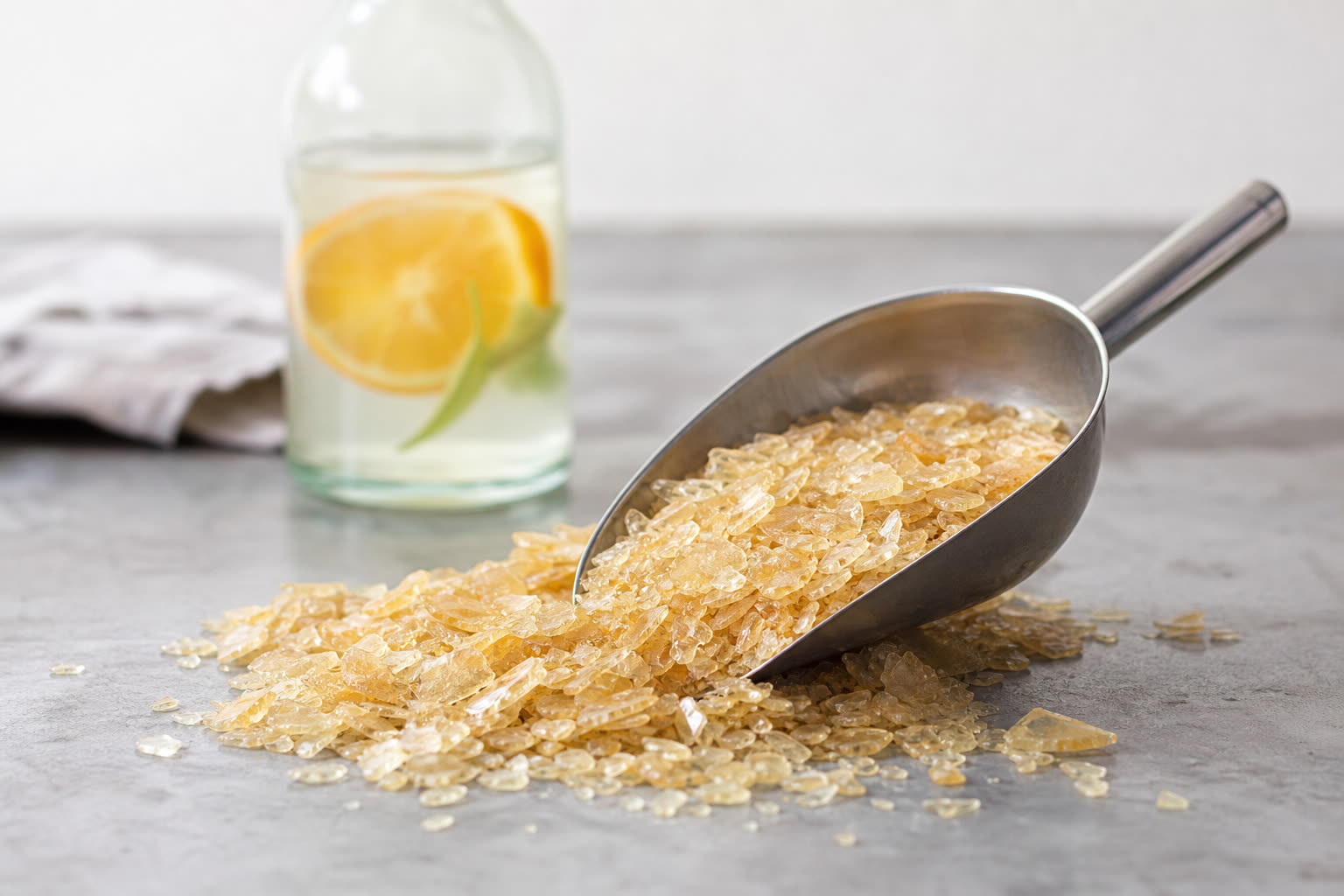
- Gum turpentine oil. Steam distilled from pine oleoresin, 60 to 70 percent alpha-pinene. Strong solvency for oils and natural resins, characteristic pine odour, moderate evaporation.
- Double distilled turpentine oil. The same oil after a second fractionation, 70 to 80 percent alpha-pinene, water white, very low residue, cleaner odour. The premium grade for quality sensitive lines.
- Dipentene. A limonene rich terpene cut. Strong solvent with slow evaporation, used as a tail solvent and anti skinning agent rather than a primary thinner.
- Mineral spirits, also sold as mineral turpentine or white spirit. A petroleum distillate. Weak solvency for natural resins, cheap, consistent, mild petroleum odour. Not a pine product at all, despite the name, as we explain in turpentine vs mineral turpentine.
How do they compare head to head?
| Property | Gum turpentine | DD turpentine | Dipentene | Mineral spirits |
|---|---|---|---|---|
| Solvency for natural resins | Strong | Strong | Strong | Weak |
| Solvency for drying oils | Strong | Strong | Strong | Adequate |
| Evaporation speed | Moderate | Moderate, clean finish | Slow | Moderate |
| Residue on evaporation | Low | Very low | Slightly higher | Low |
| Odour | Pine, strong | Pine, cleaner | Mild citrus pine | Petroleum |
| Relative cost | Medium | Medium high | Medium | Low |
Which thinner for which job?
Artist colours and fine finishes
DD turpentine, without much debate. Artists thin paint that sits centimetres from their face for hours, so odour quality matters, and any evaporation residue dulls gloss in glazing layers. Natural resin mediums and dammar varnishes will not dissolve properly in mineral spirits at all. The redistilled grade also keeps its colour in the bottle, which matters for retail shelf life.
Traditional varnishes and resin systems
Gum turpentine. Cooked varnishes based on gum rosin, ester gum or natural resins need true terpene solvency, and standard gum grade delivers it at a better price than DD. Where the varnish skins in the can, blend in five to ten percent dipentene as a slow tail to keep the surface open.
Wood polishes, waxes and reviver blends
Gum turpentine, often for market reasons as much as technical ones. A beeswax and turpentine polish is a recognised traditional product, and buyers expect the pine odour. Solvency for waxes is excellent and evaporation is slow enough to allow buffing.
General purpose thinning and equipment cleaning
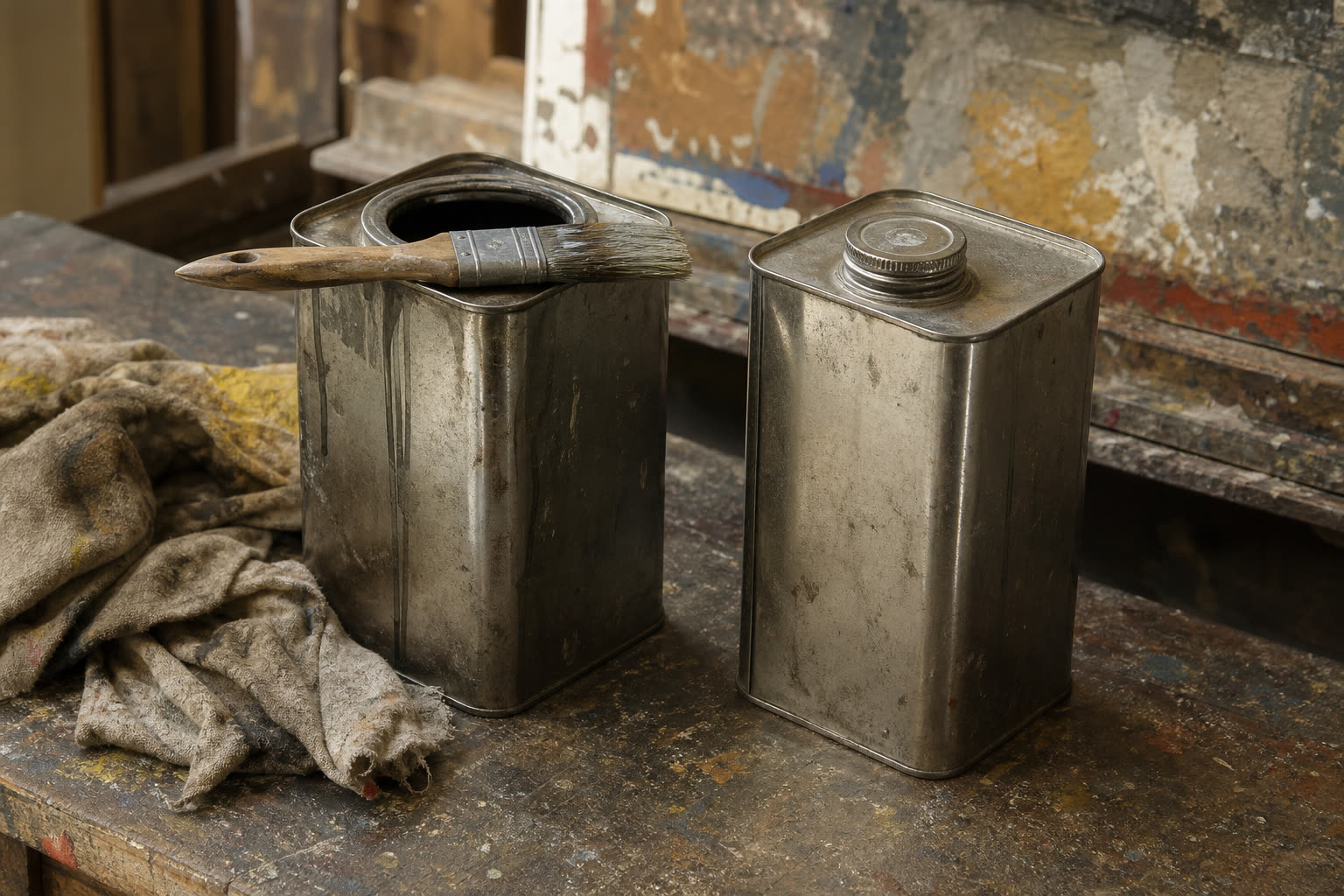
Mineral spirits. Where the resin system is alkyd and the only tasks are viscosity adjustment and brush washing, petroleum solvent wins on cost and there is no technical case for terpenes. Keep turpentine for the jobs that use its strengths.
Anti skinning and open time control
Dipentene. Its slow evaporation keeps the surface of an oil based paint or ink open, fighting skin formation in part filled cans and improving flow out of brush marks. It is a modifier used at low percentage, not a whole thinner.
What about mixing thinners?
Formulators rarely use one solvent. Common working blends include mineral spirits with 10 to 20 percent gum turpentine to lift solvency for a stubborn resin without paying full terpene price, and turpentine with a dipentene tail for open time. Terpenes and petroleum cuts blend freely, so ratio experiments are cheap to run at bench scale, and a morning of trials will usually locate the cheapest blend that still dissolves the resin cleanly. Test evaporation residue on the final blend, not the components, since the tail solvent controls what stays behind.
What goes wrong when switching thinners?
Most thinner problems appear after a substitution that looked equivalent on paper. The recurring failures are worth knowing in advance.
- Resin kick out. Replacing turpentine with mineral spirits in a natural resin varnish drops solvency below the threshold and the resin comes out of solution as haze or precipitate, sometimes days later in the can rather than immediately at the mixer.
- Changed open time. Swapping grades shifts the evaporation curve. A paint that levelled beautifully starts showing brush marks, or a polish flashes off before it can be buffed. Requalify working time on every switch.
- Odour complaints. Moving from DD grade to a rougher cut saves money per litre and then generates retail returns on smell, a trade that rarely pays.
- Residue and gloss loss. A thinner with a heavier tail leaves high boilers in the film, reading as reduced gloss or persistent tack on the finished surface.
- Dry time drift in oil systems. Turpentine participates mildly in the oxidative dry of oil films where petroleum cuts are inert, so a straight swap can move through dry times in traditional formulations.
The protocol that prevents all five: run the candidate thinner in a full formulation trial, check the film after a week, not an hour, and only then change the purchase order.
How do you check the thinner you were sold?
Adulteration is the practical hazard when buying terpene solvents, because kerosene blended turpentine looks identical in the drum. Three quick controls:
- Specific gravity. Genuine turpentine sits at 0.855 to 0.870. Kerosene cuts pull the number down.
- Refractive index. 1.465 to 1.480 on a bench refractometer, a sixty second check.
- GC alpha-pinene. The decisive test. Insist on a COA stating the pinene content, 60 to 70 percent for gum grade, 70 to 80 percent for DD, and audit occasionally with an independent lab. See alpha-pinene content explained for how to read the report.
Where does a coatings buyer go from here?
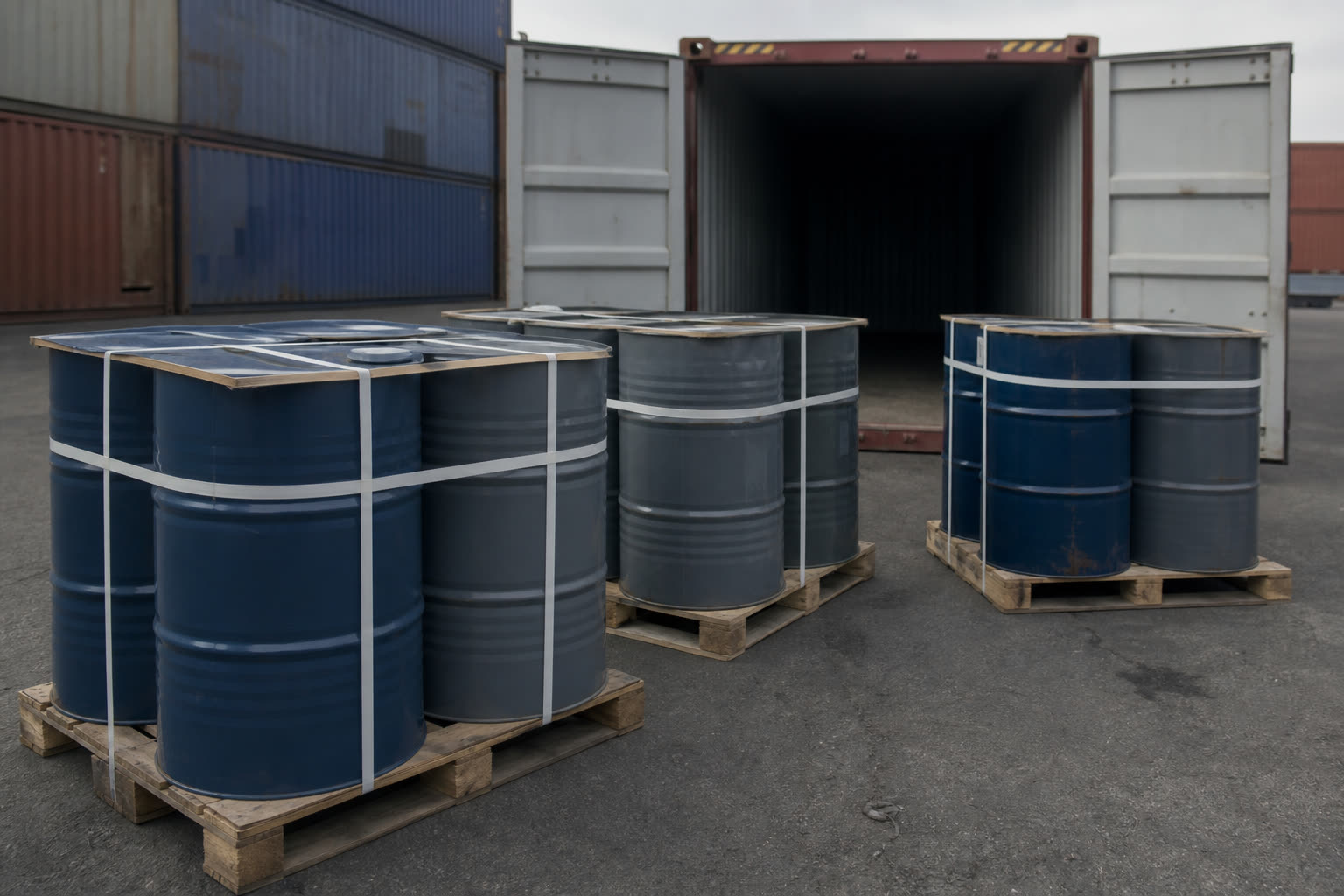
Shortlist the grade against your product tier, then test before you buy volume. Shade & Shine Pine Chem has supplied thinner grade turpentine, DD turpentine and dipentene from Kanpur since 1980, with a COA on every consignment and exports to the United States, Thailand, Indonesia and China. Try a bench sample of two grades side by side in your own formulation, then call +91 96965 09933 or email info@shadeshinepine.com for pricing on 200 litre barrels or tanker volumes.