After four decades of supplying turpentine from Kanpur we keep meeting the same nine myths, and some of them cost buyers real money. The short version: turpentine grades differ widely, mineral turpentine is not turpentine at all, sealed drums age well but open ones do not, and neither colour nor smell can replace a laboratory assay.
Myth 1: All turpentine is the same, so buy the cheapest
Fact: turpentine varies by pine species, origin and processing. Alpha-pinene can run from around 60 percent in standard Indian GTO to 80 percent in double distilled grade, and the minor terpene fingerprint changes with every resin source. For a painter cleaning brushes the difference may not matter. For a camphor plant or a fragrance house it decides yield. The grade comparison is laid out in gum turpentine vs double distilled.
Myth 2: Mineral turpentine is just another type of turpentine
Fact: mineral turpentine is a petroleum distillate that borrowed the name. It contains no pine terpenes, has different solvency, a different odour and a different regulatory identity. Substituting it into a recipe built on gum turpentine changes wax solubility, resin compatibility and drying behaviour. The full head to head is in turpentine vs mineral turpentine.
Myth 3: Turpentine never expires
Fact: in a sealed, cool, shaded 200 litre barrel, turpentine holds specification for years. But once air enters, the pinenes slowly oxidise, forming peroxides and resinous residues. Colour deepens, odour sharpens, and residue climbs. So the honest statement is that unopened stock keeps very well and opened stock is on the clock. Rotation and handling rules are in turpentine storage and safety.
Myth 4: Water white colour proves high quality
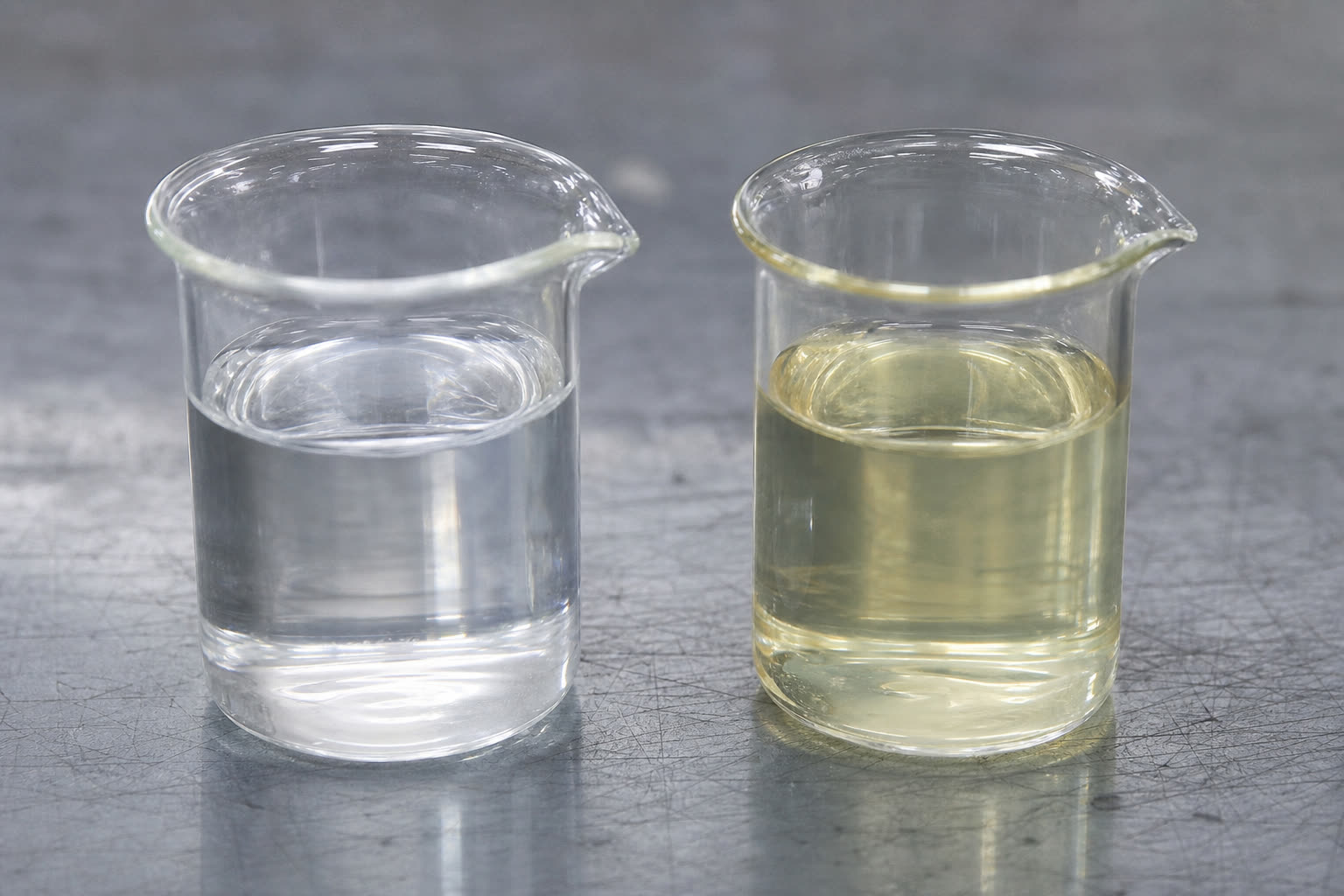
Fact: colour is a screening check, not a verdict. A pale sample can still carry high residue or a blended composition, and a slightly straw tinted lot can assay perfectly on gas chromatography. Judge lots on the certificate of analysis, confirm with your own GC, specific gravity and refractive index, and use colour only to flag changes between deliveries. The numbers that matter are explained in alpha-pinene content explained.
Myth 5: The smell test is enough to verify turpentine
Fact: an experienced nose catches gross substitution, since petroleum cuts smell nothing like pine. It cannot catch partial blending, cannot estimate alpha-pinene within twenty percentage points, and cannot detect residue. Adulteration at 10 to 20 percent routinely passes the smell test and fails a two minute specific gravity check. Genuine gum turpentine sits at 0.855 to 0.870 specific gravity and 1.465 to 1.480 refractive index. Trust instruments.
Myth 6: Turpentine is old technology being phased out everywhere
Fact: the solvent role in mass market paint has indeed shifted to petroleum products, but global turpentine demand today is driven by chemistry. It is the feedstock for camphor, terpineol, fragrance intermediates and flavour chemicals, exactly because it is a renewable source of pinene. Our double distilled turpentine oil sells to synthesis plants, not to a shrinking hardware trade. The application map is in what is turpentine oil.
Myth 7: Higher price always means higher purity
Fact: price carries freight, packaging, season and trader margin along with quality. An imported drum can cost more than domestic material of identical assay purely on logistics. Compare certificates of analysis at equal terms of delivery, then compare price. What actually moves quotations is covered in turpentine oil price factors.
Myth 8: Turpentine and pine oil are the same product
Fact: they are different products from the same industry. Turpentine is the volatile hydrocarbon fraction of pine oleoresin, dominated by pinenes. Pine oil is alcohol rich, mainly terpineols, with a different odour, higher boiling range and its own uses in cleaners and flotation. Buying one when a recipe calls for the other is a common and expensive mix up, as is confusing turpentine with gum rosin, the solid residue of the same distillation.
Myth 9: Any drum will do for storage and transport
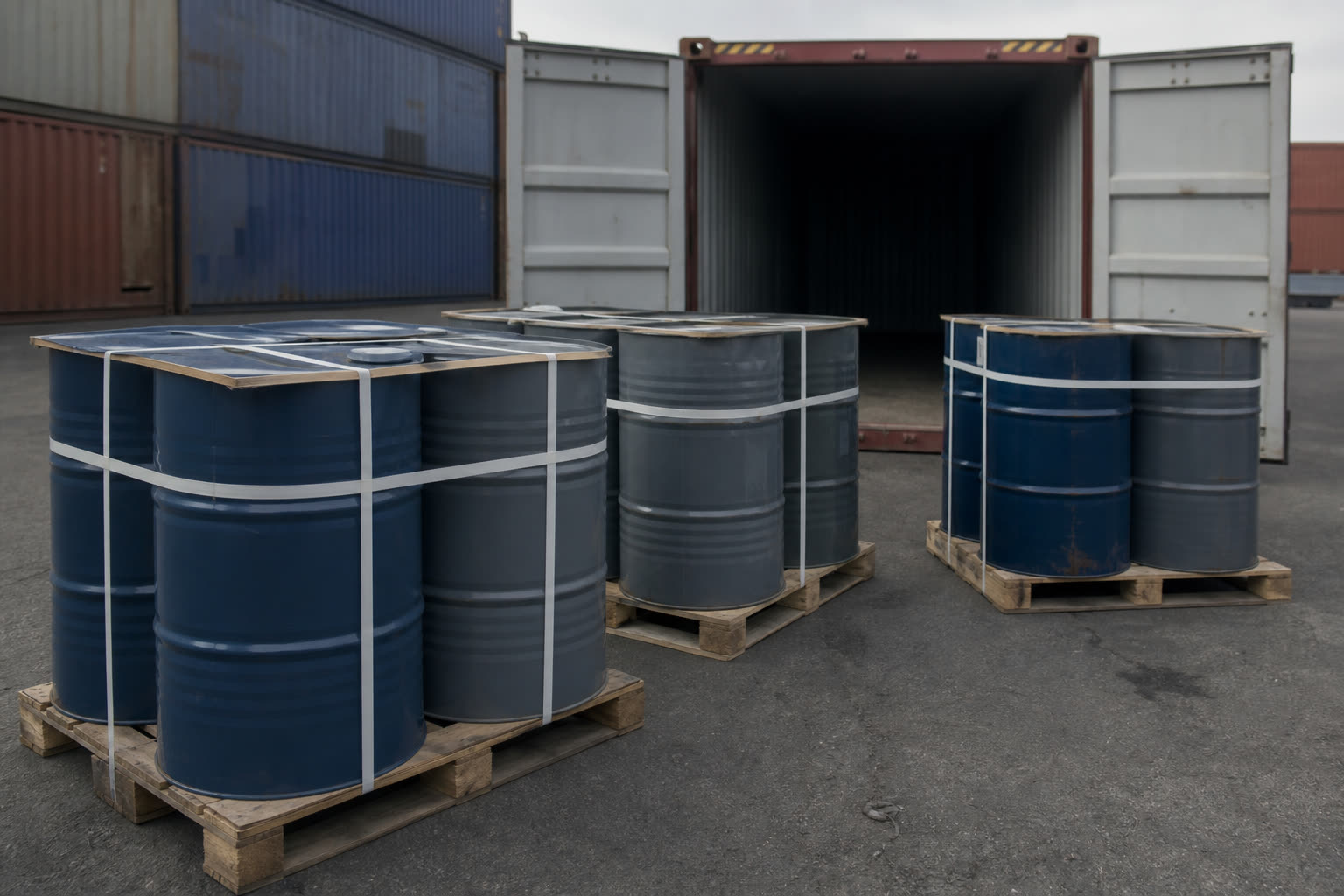
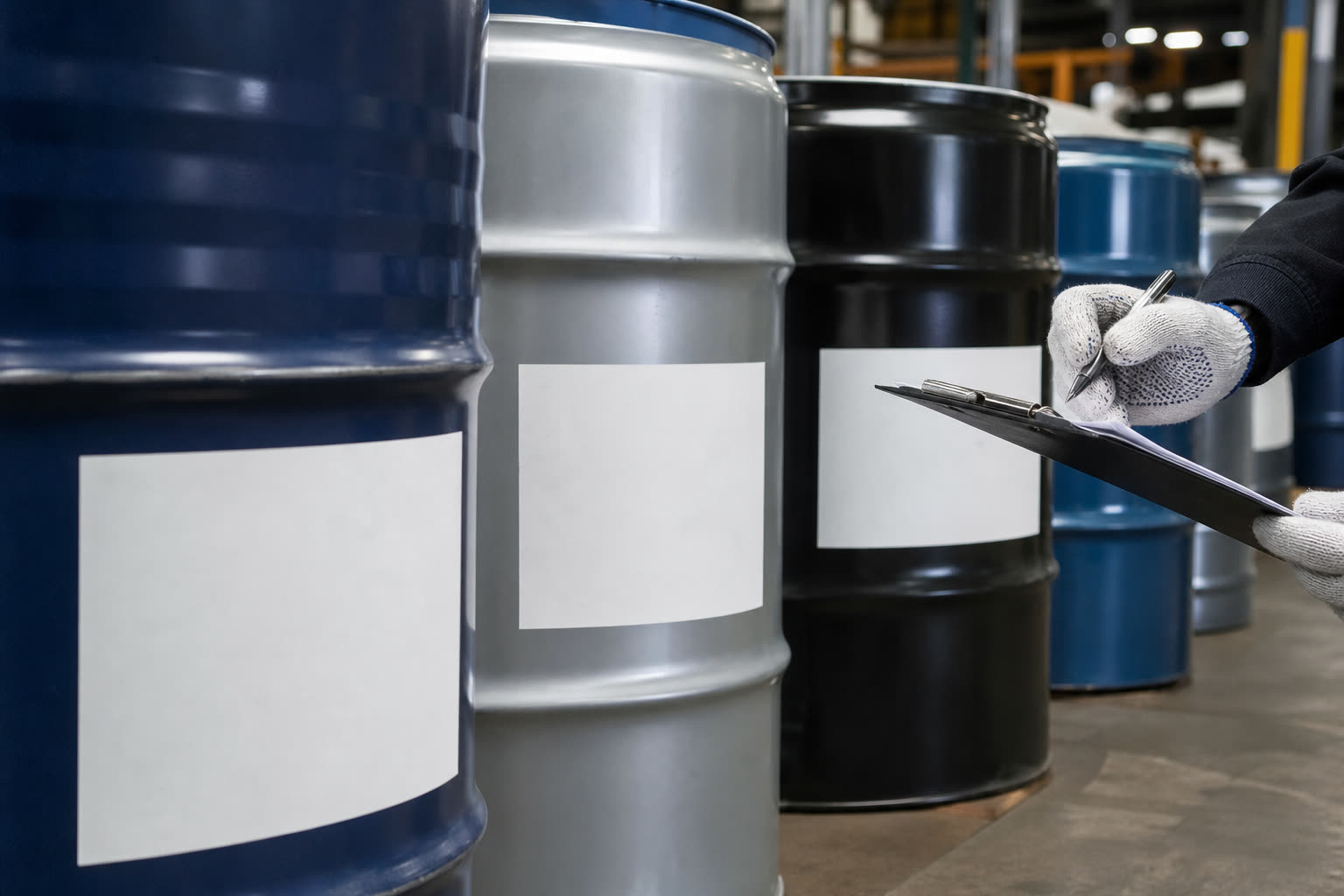
Fact: turpentine is UN 1299, Class 3 flammable liquid, Packing Group III, and it is an aggressive solvent that extracts residues from dirty or reused drums. Proper practice is new sealed steel barrels, correct hazard labels, earthed handling and shaded storage. Cutting corners here risks both the cargo and the compliance file that lets you ship it at all.
Myth 10: Direct purchase is only for very large buyers
Fact: the entry point is one 200 litre barrel. Formulators often assume they must route small requirements through local resellers, accepting repacked material of uncertain age and no lot traceability. In reality a single barrel with a lot number, a certificate of analysis and a sealed bung is available direct, and it is usually cheaper per litre than repacked tins. The volume ladder then runs from barrels to container loads to 12,000, 15,000 and 18,000 litre tankers as consumption grows, without ever changing supplier or specification. The one thing we do insist on at every scale is the sampling step: a sample goes out before the first bulk order so the material is approved in your lab, not on trust.
Why do these myths persist?
Mostly because turpentine straddles two worlds. In the retail world it is a small tin on a hardware shelf, where folklore about smell and colour costs nobody much. In the industrial world it is a specified raw material bought by the tonne, where the same folklore leads to failed batches and rejected shipments. The myths are retail habits imported into industrial purchasing. The cure is equally simple: treat turpentine like any other specified chemical input, with numbers, certificates and retained samples.
What should a buyer do with all this?
- Specify by numbers: assay, specific gravity, refractive index, residue.
- Demand a lot specific certificate of analysis, then verify a sample in your own lab.
- Buy from a supplier whose material and paperwork stay consistent season after season.
We have supplied gum turpentine oil and DD grade since 1980 and we are happy to be tested against every myth on this page. Ask for a sample, run your checks, then order 200 litre barrels or tanker volume on +91 96965 09933.