In the rubber industry, turpentine oil works as a swelling and dissolving solvent for rubber cements, a processing aid in reclaiming scrap rubber, and a carrier in tackifier and adhesive systems built on pine resins. Standard gum turpentine oil covers most of these jobs, while its heavier cousin dipentene is often the more economical choice for reclaim work.
Why do rubber processors use terpene solvents at all?
Natural rubber is a polyterpene. Turpentine and its fractions are monoterpenes, chemically close relatives, which is why they wet, swell and partially dissolve rubber far more effectively than many petroleum cuts of similar price. That kinship shows up in three practical properties: strong solvency for unvulcanised rubber, good compatibility with pine derived tackifying resins, and a controlled evaporation rate that keeps films workable longer than fast petroleum solvents. The chemistry background sits in what is turpentine oil.
Where does turpentine fit in rubber cements and adhesives?
Rubber cements and solutions are made by dissolving masticated rubber in solvent, often with a tackifying resin. Turpentine earns its place here in three ways:
- It swells the rubber quickly, cutting mixing time in the churn.
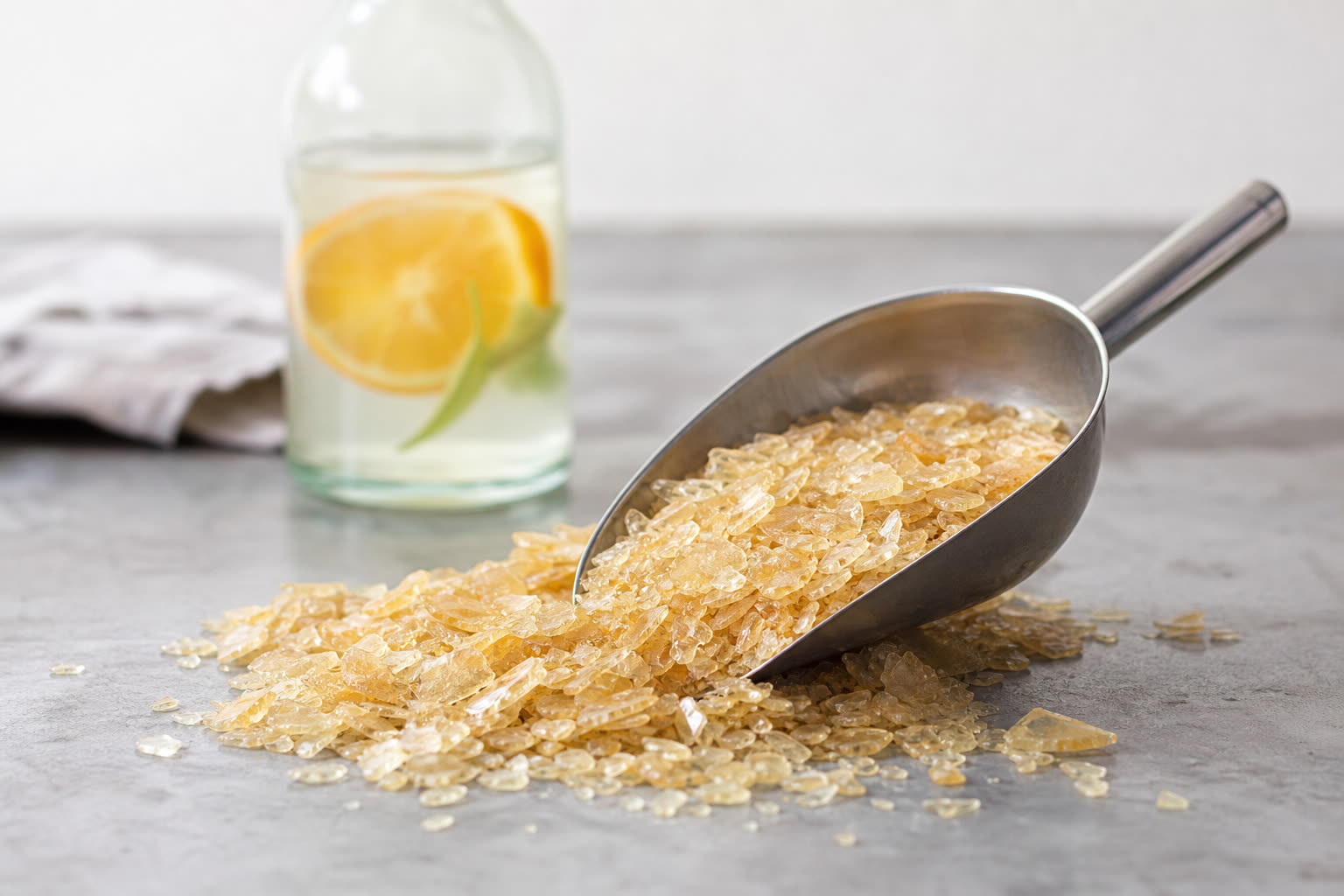
- It dissolves gum rosin and rosin ester tackifiers cleanly, so the resin and rubber stay in one homogeneous phase.
- Its moderate evaporation gives longer open time for tyre repair cements, patch adhesives and footwear bonding, where the film must stay tacky while parts are positioned.
Formulators who need a tighter odour and colour window in premium adhesives specify double distilled turpentine oil, which carries less residue and a paler colour than the standard grade. The differences are set out in gum turpentine vs double distilled.
What is the role of terpene solvents in rubber reclaiming?
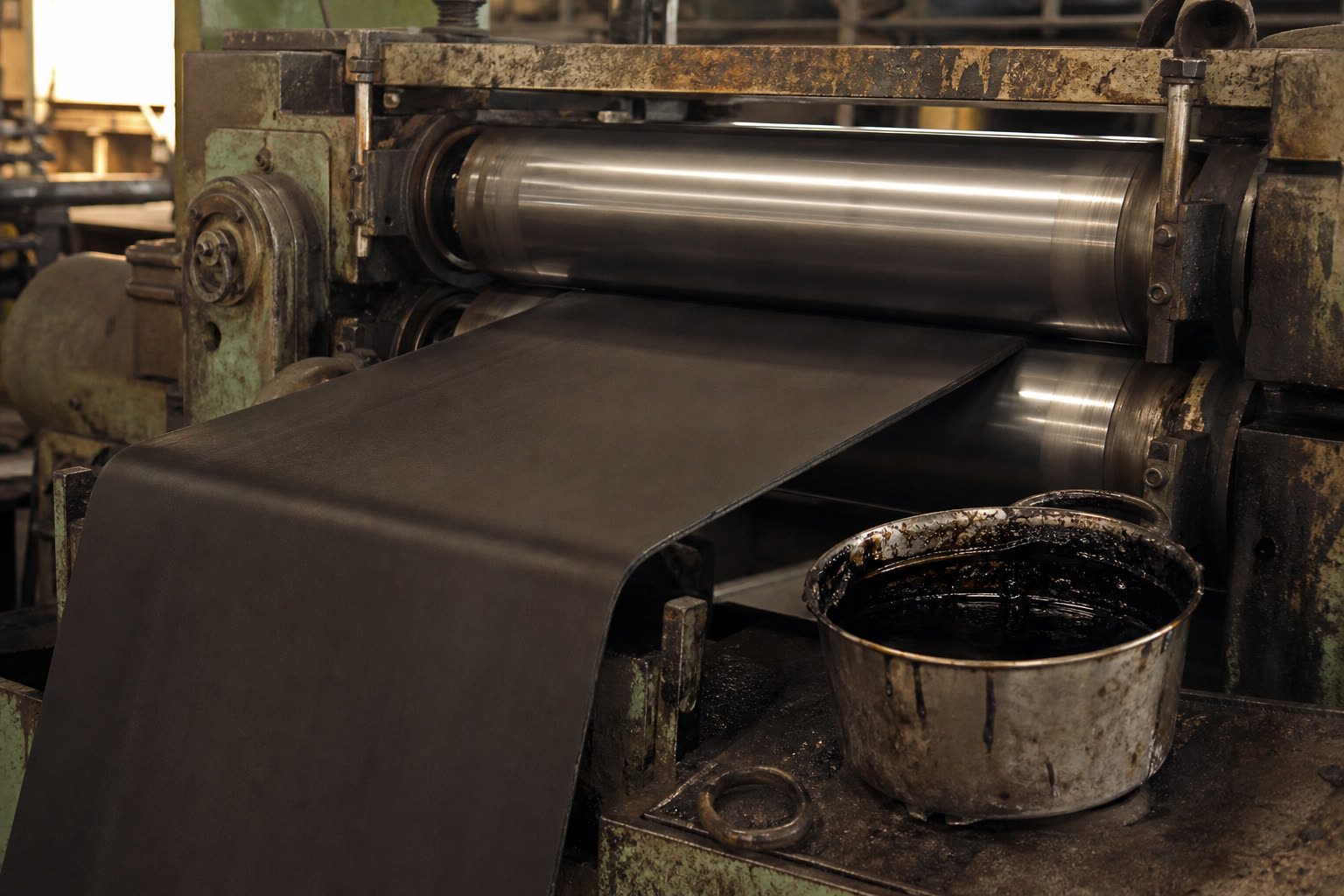
Reclaiming converts scrap vulcanised rubber back into a processable material by breaking down the sulphur crosslink network under heat, shear and chemical attack. Terpene based reclaiming oils have a long history in this process. They swell the vulcanised crumb so heat and reclaiming agents penetrate, they soften the stock, and they help devulcanised material band smoothly on the mill. Dipentene, the limonene rich fraction recovered alongside pinenes during fractionation, is the workhorse here: it boils higher than turpentine, stays in the stock longer at process temperature, and typically prices below fresh GTO. Many reclaimers run dipentene for the swelling duty and keep turpentine for cement lines, buying both against one supply contract.
Which grade should a rubber unit specify?
| Application | First choice | Why |
|---|---|---|
| Tyre repair and patch cements | Gum turpentine oil | Fast swelling, good open time, rosin compatibility |
| Premium or light coloured adhesives | Double distilled turpentine | Low residue, pale colour, cleaner odour |
| Reclaim swelling oil | Dipentene | Higher boiling, longer action, lower cost |
| Tackifier resin solutions | GTO with gum rosin | Single chemistry family, stable solutions |
What should the purchase specification say?
Keep it measurable. For turpentine, state specific gravity 0.855 to 0.870, refractive index 1.465 to 1.480, alpha-pinene 60 to 70 percent for GTO or 70 to 80 percent for DD, and a low evaporation residue limit, since residue left in a cement film weakens the bond. Demand a certificate of analysis per lot and test the first samples in your own churn before committing volume. A practical bench routine is described in alpha-pinene content explained.
How should rubber plants handle and store it?
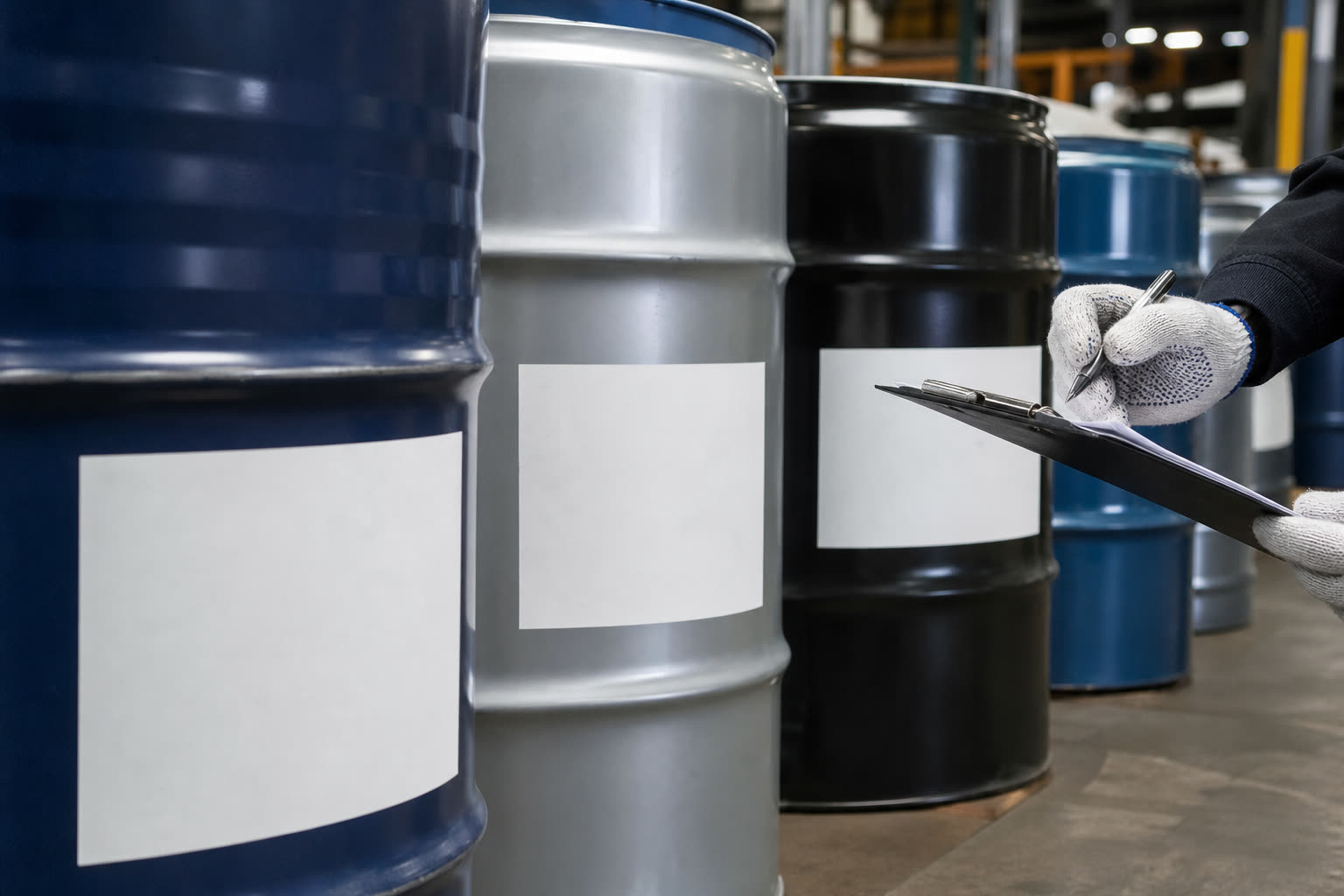
Turpentine is UN 1299, Class 3, Packing Group III, so treat it like any flammable process solvent: earthed drum handling, no ignition sources in the mixing area, good ventilation over churns, and stock rotation so drums do not sit open and oxidise. Keep barrels sealed, cool and shaded and the material holds specification for years. Full warehouse guidance is in turpentine storage and safety.
How does turpentine compare with pine tar in rubber compounding?
The two are cousins with opposite jobs. Pine tar is a heavy, dark product of destructive wood processing, used inside the rubber compound itself as a softener, tackifier and dispersing aid, and it stays in the vulcanised article. Turpentine is a light, volatile distillate of fresh oleoresin, used outside the compound as a solvent that does its work and then leaves the film. A tyre compounder adding tack to a masterbatch reaches for pine tar or rosin derivatives. A repair shop or adhesive plant dissolving rubber into a workable cement reaches for turpentine. Specifying one where the recipe means the other is a classic sourcing error, because both carry the pine name while behaving completely differently in the factory. When in doubt, ask whether the material is meant to remain in the finished rubber. If yes, you want the heavy resinous family. If it must evaporate, you want turpentine or dipentene.
Where does turpentine appear in retreading and repair work?
Tyre retreaders and repair plants use rubber solutions daily to prime buffed casings before new rubber is applied. A turpentine based solution wets the freshly buffed surface, carries tackifier into the texture, and flashes off at a rate that leaves the surface tacky exactly when the cushion gum goes on. Shops in hot climates sometimes blend in a slower fraction to extend that window, which is another point where dipentene earns its keep alongside straight turpentine.
Does price volatility hit rubber buyers differently?
Somewhat. Cement and adhesive producers use turpentine as a minor but quality critical input, so they usually prioritise consistency over the last rupee. Reclaimers consume terpene oil in bulk, so they watch the market closely and often split volume between dipentene and turpentine as relative prices move. Either way, understanding what moves the market helps timing, and that is covered in turpentine oil price factors.
What does a typical supply arrangement look like?
- Trial: one sample each of GTO, DD and dipentene, tested in your actual compounds.
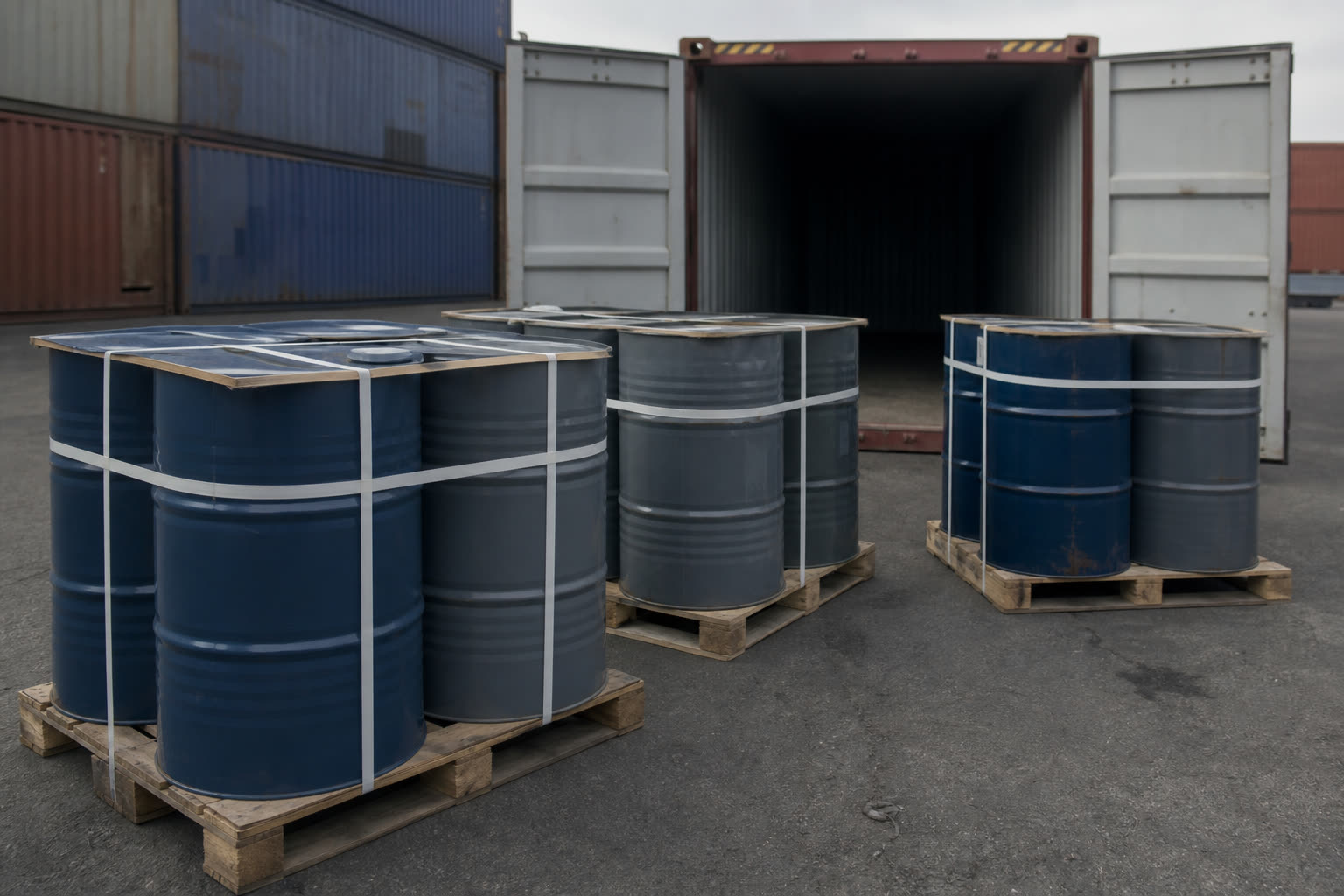
- Start: a few 200 litre barrels of the winning grade, COA attached.
- Scale: monthly barrel contracts, or 12,000 to 18,000 litre tanker deliveries for reclaim units with bulk storage.
We have supplied terpene solvents from Kanpur since 1980 and ship worldwide. Tell us whether the duty is cements, reclaiming or tackifier solutions and we will recommend the grade, send samples, and quote 200 litre barrels or tanker volumes on +91 96965 09933.