Turpentine oil is the classic carrier solvent in shoe polish, furniture wax and marble polish because it dissolves hard waxes like carnauba and beeswax at moderate heat, holds them in a stable paste at room temperature, and then evaporates at a rate that lets the wax film level and buff to gloss. That combination is why premium polish recipes still specify it a century on.
What does the solvent actually do in a wax polish?
A paste polish is essentially wax dissolved in solvent, sometimes with dyes and additives. The solvent has four jobs: dissolve the wax blend completely in the hot kettle, set into a smooth gel as the batch cools, soften on application so the wax spreads thin, and then leave the film at the right speed. Evaporate too fast and the polish drags and streaks. Too slow and the shine never hardens. Gum turpentine sits in the useful middle, evaporating slower than fast petroleum cuts, which gives the long buffing window polish users associate with quality.
Why is turpentine preferred over mineral solvents in premium polish?
- Stronger wax solvency, so the paste carries a higher wax load without graininess.
- Slower, steadier release, producing a deeper gloss on buffing.
- A pine odour that consumers read as a traditional quality marker, against the flat petroleum smell of cheaper polish.
- Natural origin, which matters for brands positioning on plant based content.
Budget lines still blend mineral turpentine in for cost, and many commercial recipes run a mixed solvent system. The trade offs are set out in turpentine vs mineral turpentine.
How is shoe polish built around turpentine?
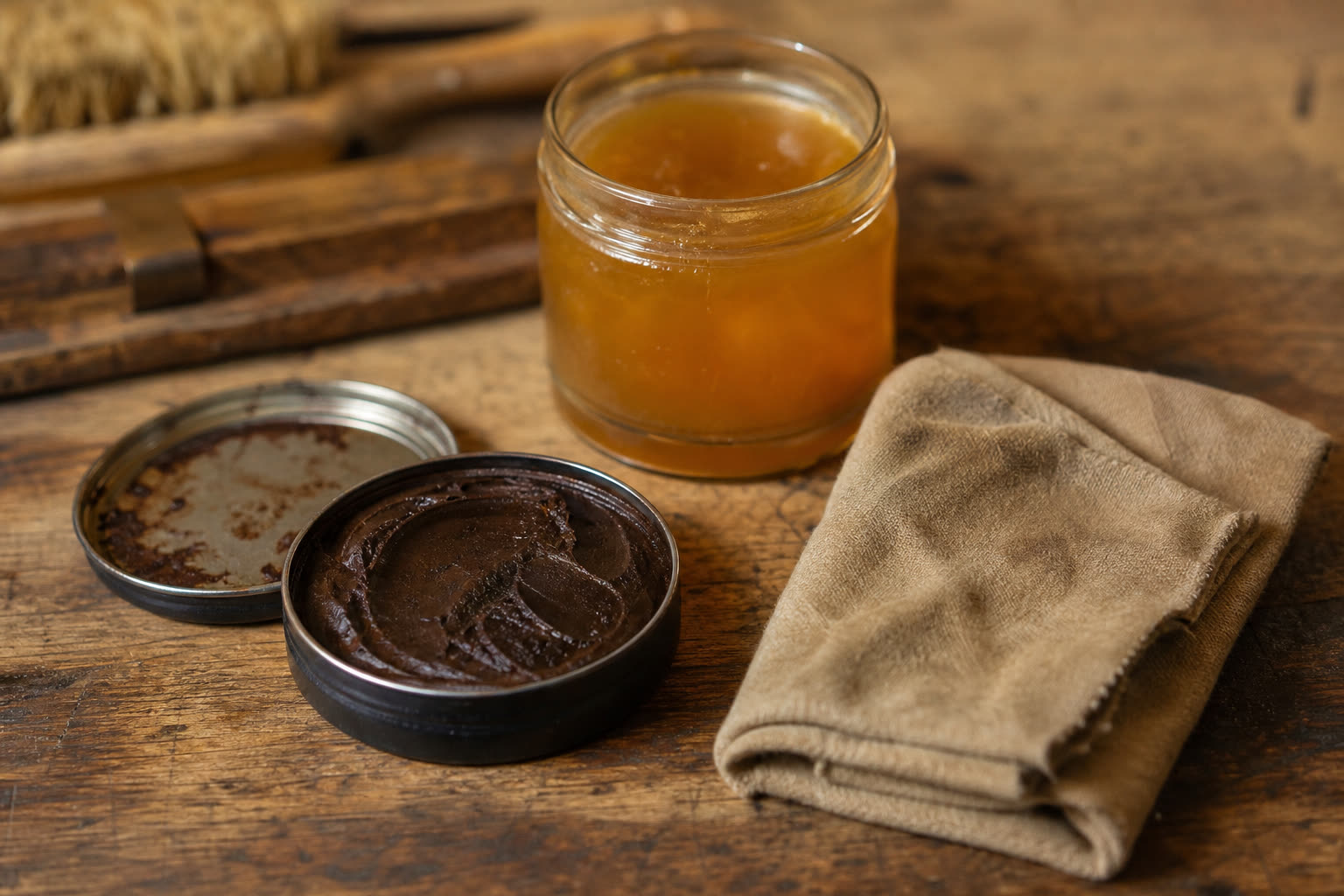
A typical solvent paste shoe polish is roughly one part wax blend to two to three parts solvent by weight. The wax blend combines a hard wax such as carnauba for gloss, beeswax or paraffin for body, and sometimes montan wax for black grades. The process is simple but exact: melt the waxes, remove from direct flame, stir in warmed turpentine well away from any ignition source, add oil soluble dyes, and pour into tins before the gel sets. Turpentine keeps the dye evenly dissolved and gives the paste its characteristic soft draw from the tin. Producers wanting a paler paste and minimal residue in light and neutral shades specify double distilled turpentine oil, whose broader application list is in double distilled turpentine uses.
What about furniture wax and wood polish?
Furniture wax follows the same skeleton, usually beeswax and carnauba in turpentine, often around one part wax to two parts solvent for a soft paste or thinner for a liquid polish. Here turpentine adds a second function: it slightly softens aged shellac and oil finishes at the surface, letting the new wax key in rather than sit on top. Restorers value this bite, which mineral solvents deliver weakly. Some recipes add a small fraction of pine oil to slow evaporation further and deepen the odour profile, or a touch of terpineol in scented ranges.
How does marble and stone polish use turpentine?
Traditional marble polish pastes suspend fine abrasives and waxes in a solvent carrier. Turpentine performs three roles there: it keeps the wax and abrasive in a workable paste, it flashes off cleanly without staining the stone, and it leaves the wax as a thin protective film that buffs to a wet look. Because marble is porous, low evaporation residue matters more than in shoe polish, so this is another application where the DD grade earns its premium over standard gum turpentine oil.
Which grade for which polish?
| Product | Recommended grade | Reason |
|---|---|---|
| Black and dark shoe polish | Gum turpentine oil | Full solvency at the best cost |
| Neutral and light shoe polish | Double distilled turpentine | Pale colour, low residue |
| Furniture and antique wax | GTO or DD by price point | Bite into old finishes, classic odour |
| Marble and stone polish | Double distilled turpentine | Minimal residue on porous stone |
What should polish producers watch in production?
- Never add turpentine over an open flame. Melt waxes first, then blend solvent off the heat with good ventilation.
- Buy against numbers: specific gravity 0.855 to 0.870, refractive index 1.465 to 1.480, and a certificate of analysis with every lot.
- Keep drums sealed and cool so the solvent does not oxidise and yellow your light shades. Handling detail is in turpentine storage and safety.
- Trial every new lot in a small batch, since wax gel structure is sensitive to solvent composition.
Can turpentine be blended with other solvents in polish?
Yes, and most commercial polish lines do exactly that to balance cost against performance. A common structure keeps turpentine as the active fraction for wax solvency and gloss, blended with a petroleum cut for economy. The formulation consequences are predictable: as the turpentine share falls, maximum stable wax load drops, the paste sets harder in the tin, the buffing window shortens, and the signature pine note fades. Premium and heritage branded lines therefore hold turpentine high or exclusive, while economy lines run leaner. Whatever the ratio, keep it fixed and documented, because a quiet change in solvent split shows up months later as consumer complaints about drag, bloom or weak shine that no one connects back to purchasing. If a marketing brief calls for a fully plant based label, the blend option disappears and grade selection between GTO and DD becomes the only lever left.
What causes common polish defects, and is the solvent to blame?
- Grainy paste: wax load too high for the solvent share, or a lot with weaker solvency than the approved sample. Check the GC assay before blaming the kettle.
- Sweating tins: solvent separating from a gel that set too fast, often after a solvent substitution.
- Yellowing in neutral polish: oxidised solvent from an old opened drum, or a standard grade used where DD was specified.
- Weak shine: evaporation too fast, typical when mineral solvent share creeps up.
How do polish units typically buy?
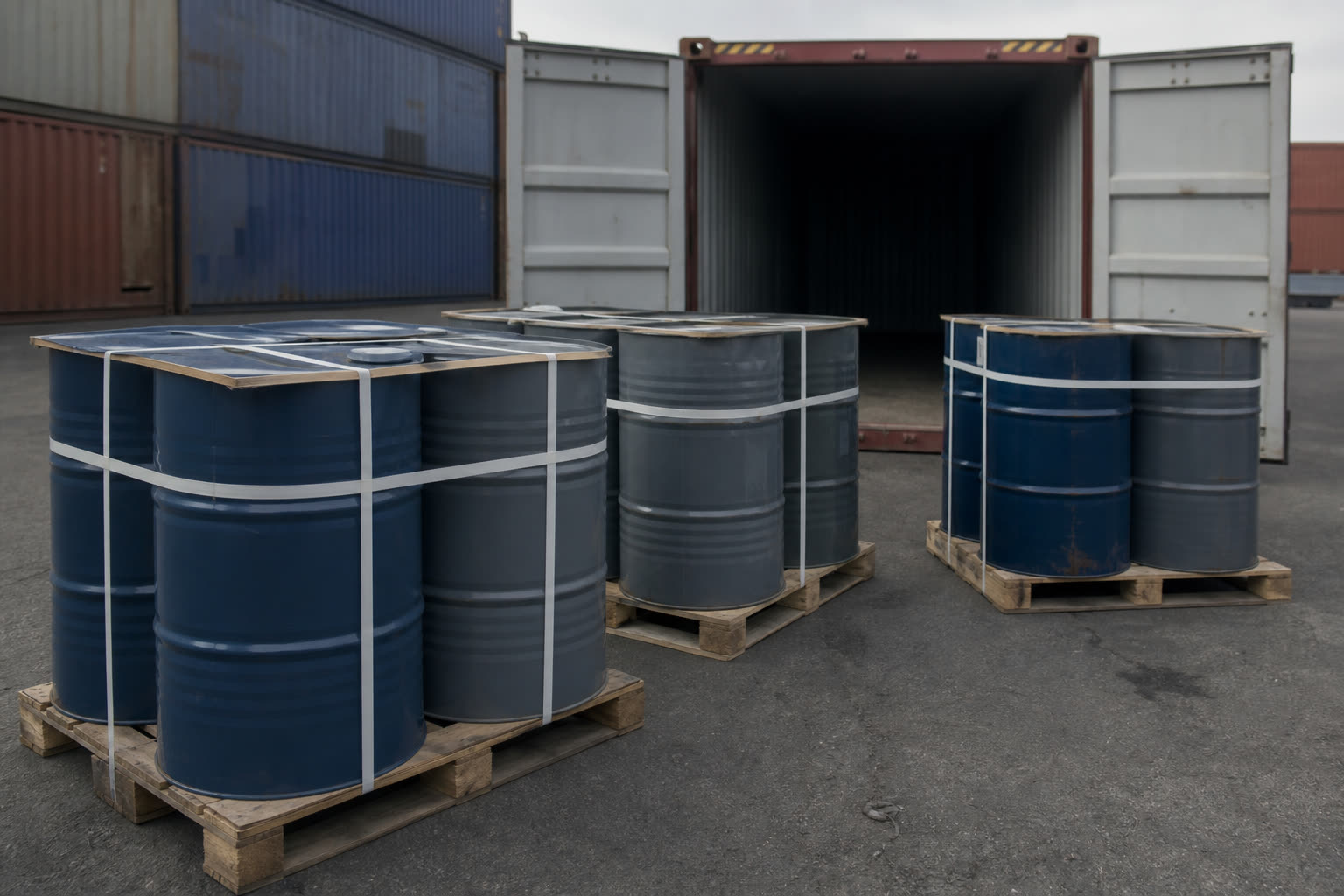
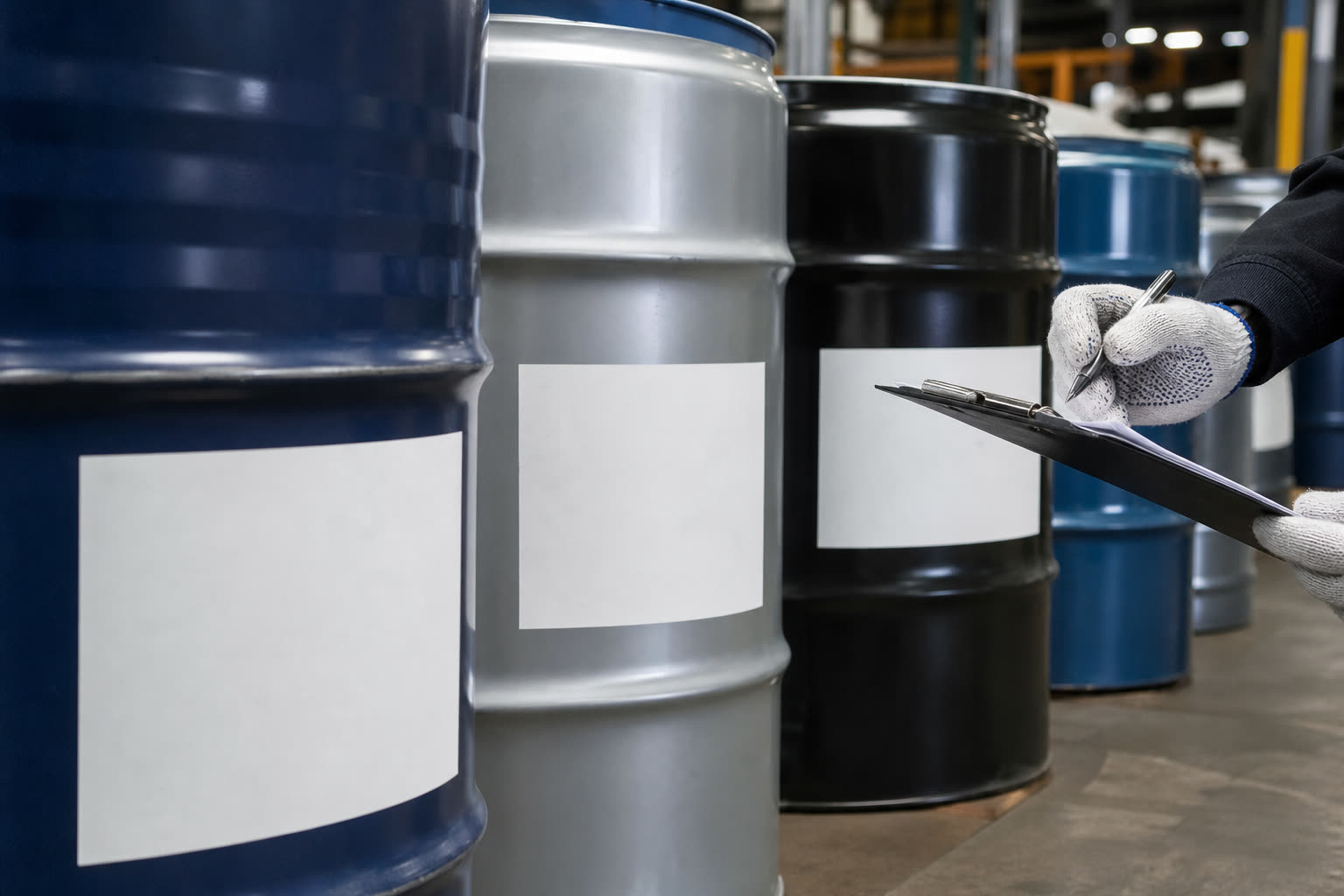
Small and mid size polish producers run on 200 litre barrels, drawing one to ten barrels a month depending on season, with festival and winter demand pulling hardest. Larger plants take tanker deliveries of 12,000 to 18,000 litres into fixed storage. Either way the sequence is the same with us: sample first, lab approval, then supply with a COA on every consignment.
If you formulate shoe polish, furniture wax or stone care products, ask for parallel samples of GTO and DD grade and test them against your current solvent. Then price 200 litre barrels on +91 96965 09933 or info@shadeshinepine.com and see what the switch does to your gloss ratings.