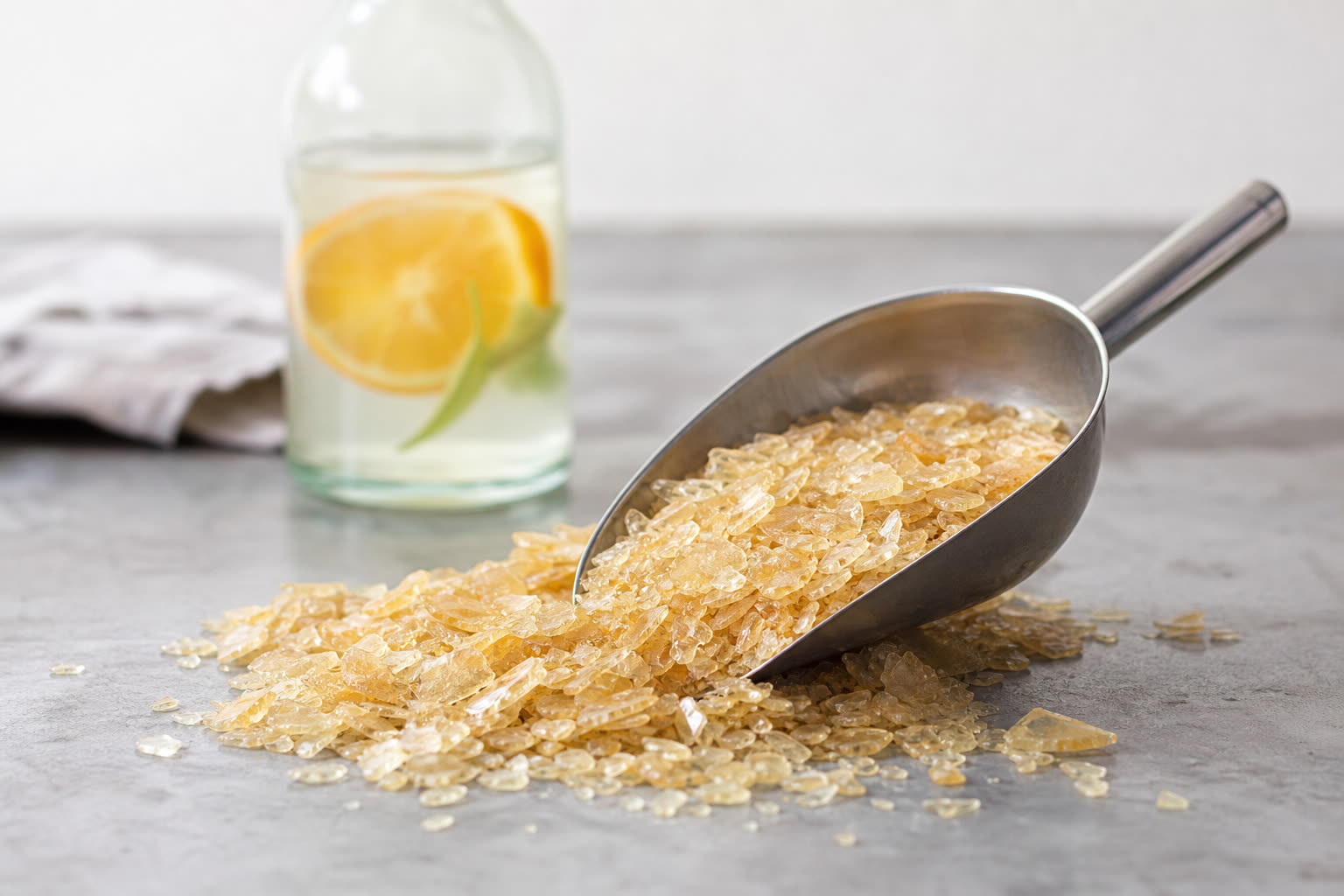
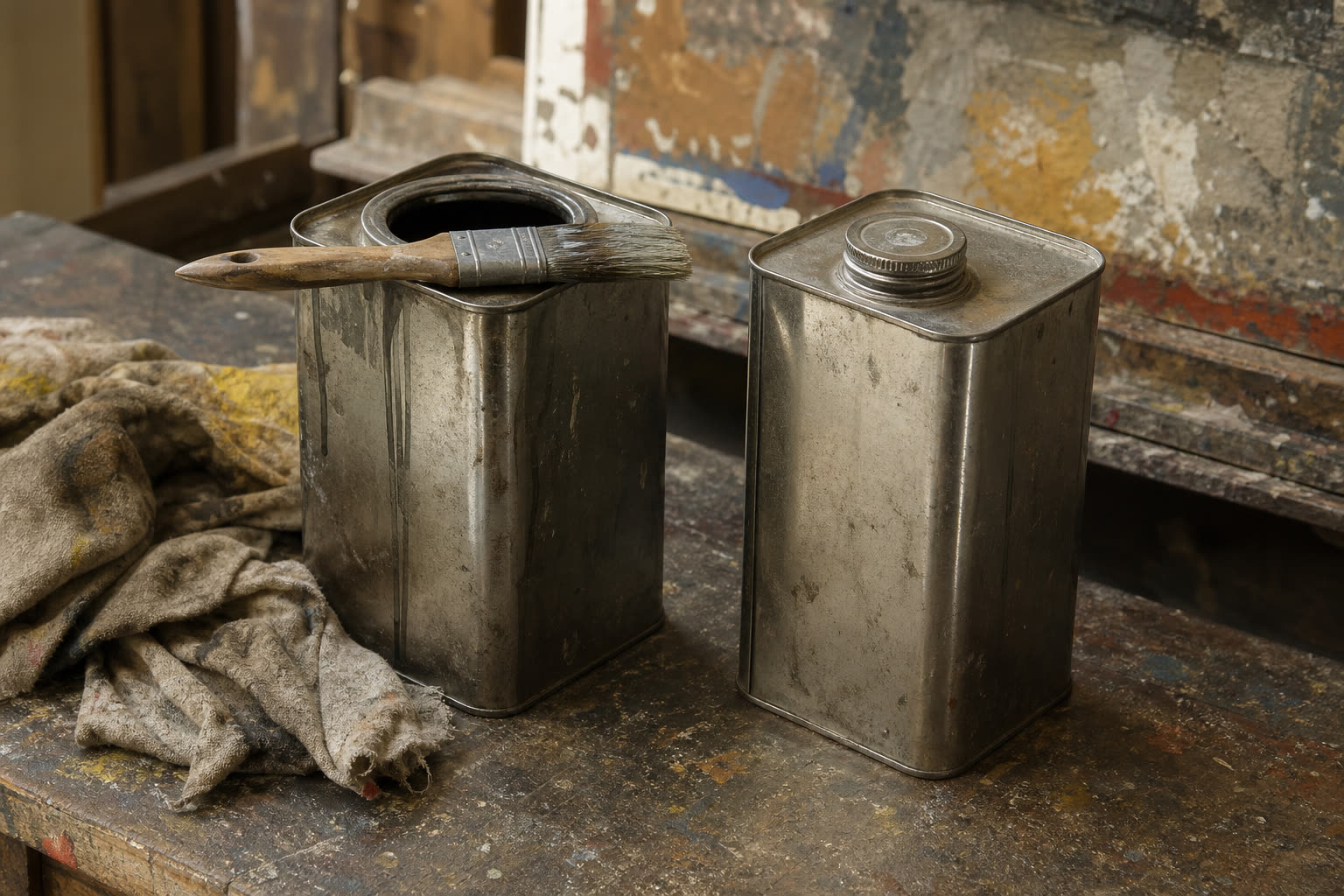
Turpentine oil works in paints as an active solvent and diluent. It dissolves natural resins, dammar, mastic and oleoresins that petroleum thinners barely touch, thins linseed and other drying oils, and then evaporates from the film at a steady rate that keeps the paint open long enough to work. That combination is why oil painters and traditional varnish makers never fully replaced it.
What does turpentine actually do inside an oil paint?
Three things happen when turpentine goes into an oil based system.
- Viscosity drops. Turpentine is a low viscosity monoterpene liquid, so a small addition thins a stiff paste of pigment and oil into a brushable consistency.
- Solvency stays high. Terpenes are far stronger solvents for natural resins than aliphatic petroleum cuts. A dammar or mastic varnish simply cannot be made with a weak aliphatic thinner. This is the core technical gap covered in turpentine vs mineral turpentine.
- Evaporation is progressive. Turpentine leaves the film over minutes to hours rather than flashing off, which lets brush marks level and lets the painter blend wet in wet.
There is a fourth, subtler effect. Alpha-pinene absorbs oxygen and can form peroxides, and in a drying oil film this mild oxidising character is associated with the traditional view that turpentine assists the through dry of the oil rather than simply leaving it. Petroleum thinners are inert by comparison, they only dilute and depart.
Why do artists still insist on turpentine?
Artist practice is built around the material. Fat over lean underpainting relies on a solvent that cuts oil content sharply in early layers. Traditional mediums mix turpentine with stand oil or dammar. Final picture varnishes based on natural resin dissolve only in turpentine grade solvency. For this market the grade question is mostly about odour, colour and residue: a bottle that leaves gummy residue on evaporation or smells harsh will be rejected by retailers. That is why artist material houses gravitate toward redistilled grades such as double distilled turpentine oil, which evaporates with very little residue and a cleaner pine odour.
Where does turpentine fit in industrial coatings?
Industrial coatings moved largely to petroleum solvents on cost, but turpentine holds defined niches:
- Wood finishes and polishes. Wax polishes, furniture reviver blends and oil finishes use turpentine both for solvency and for the market expectation of a pine odour.
- Speciality and heritage varnishes. Restoration work and traditional formulations specify natural resin plus turpentine systems.
- Terpene modified systems. Formulators blend turpentine or dipentene into mixed solvent packages to lift solvency for specific resins without moving to aromatics.
- Resin cooking. Varnish producers cooking gum rosin with drying oils traditionally thin the cook with turpentine, since the pair come from the same oleoresin and stay compatible.
How does turpentine compare with common thinners in oil systems?
| Property | Gum turpentine | Mineral turpentine / white spirit | Dipentene |
|---|---|---|---|
| Solvency for natural resins | Strong | Weak | Strong |
| Evaporation | Moderate, progressive | Moderate | Slow |
| Odour | Pine, characteristic | Petroleum | Mild citrus pine |
| Residue on evaporation | Low, very low for DD grade | Low | Slightly higher, stays open longest |
| Typical role | Artist colours, varnishes, polishes | General purpose thinning, brush cleaning | Anti skinning, slow tail solvent |
The practical reading: use turpentine where the resin demands it or the brand promises it, use petroleum cuts for cheap bulk thinning, and use dipentene where a formulation needs a slow tail to prevent skinning in the can. A structured selection walk through is in choosing a paint thinner.
Which specs should a coatings buyer check?
Four numbers on the COA predict behaviour in a paint line.
- Alpha-pinene by GC. Our gum turpentine oil runs 60 to 70 percent, the DD grade 70 to 80 percent. Higher pinene tracks with cleaner odour and faster, more complete evaporation.
- Specific gravity, 0.855 to 0.870. Values outside the band suggest adulteration with petroleum solvent or heavy ends.
- Refractive index, 1.465 to 1.480. A quick bench check against blending with cheaper solvents.
- Evaporation residue. The single best predictor of tackiness and gloss problems in the dried film.
Adulteration is the real world risk in this market. Turpentine cut with kerosene or mineral spirit will pass a casual sniff test but drift on gravity and refractive index and wreck a natural resin varnish. Insist on a GC backed COA and test a sample in your own formulation before committing.
How much turpentine goes into a formulation?
Dosage varies with the product, but the working ranges are well established in trade practice.
- Artist thinning mediums: sold neat, or blended one to one with linseed or stand oil for a classic painting medium.
- Natural resin varnishes: commonly one part resin to two or three parts turpentine for a brushing varnish, adjusted for the resin and the desired film build.
- Wax polishes: roughly one part beeswax melted into two to four parts turpentine, with carnauba added for hardness.
- Alkyd and oil paints at the point of use: five to fifteen percent addition for brushing viscosity, more for the first thinned coats on bare wood.
Two cautions from the factory floor. First, add solvent to the resin phase gradually and warm, never over open flame, since turpentine vapour ignites readily. Second, requalify the dosage whenever you switch grade or supplier, because a change in pinene content and heavy ends shifts both viscosity response and open time, even between two drums that both say turpentine on the label.
How should paint producers buy turpentine?
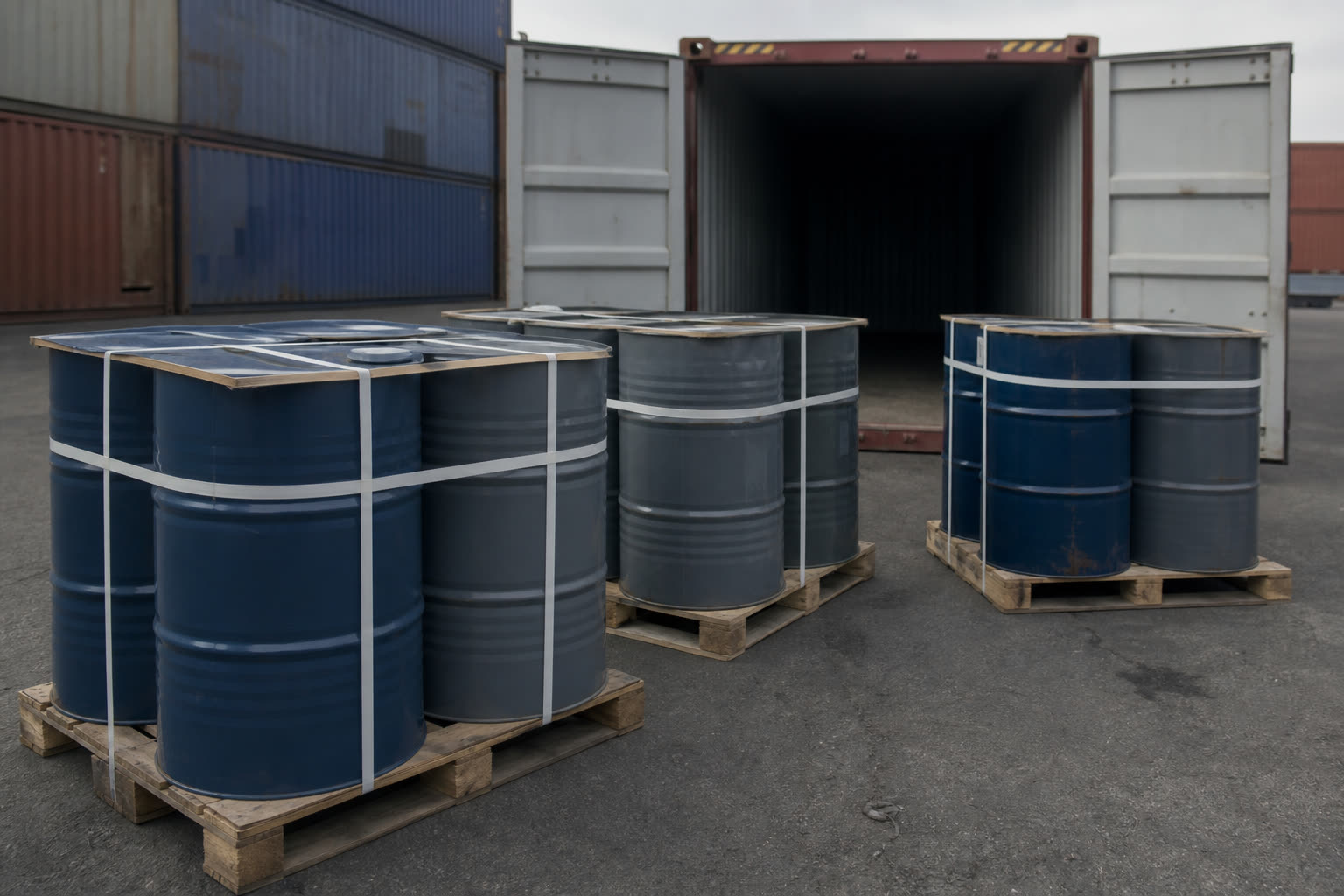
Match the grade to the product tier. Standard gum turpentine covers polishes, general varnishes and resin cooking. Double distilled grade covers artist lines, premium wood finishes and any label sensitive product. Buy in 200 litre barrels for flexibility, or tanker loads of 12,000 to 18,000 litres where consumption justifies it.
Shade & Shine Pine Chem has supplied coatings and polish producers from Kanpur since 1980, with exports to the United States, Thailand, Indonesia and China and a COA with every consignment. Send us your formulation requirement, test a pre shipment sample, then call +91 96965 09933 or email info@shadeshinepine.com to fix pricing on 200 litre barrels.