Mineral turpentine oil is a refined petroleum distillate carrying CAS number 8052-41-3. It is not made from pine resin. It is produced by refining crude oil, cutting a fraction that boils roughly between 135 and 240 degrees Celsius, and treating it to remove sulphur and other corrosive compounds. The result is a clear, water-white liquid that smells faintly sweet, evaporates at a moderate rate, and dissolves oils, alkyds, waxes, and many resins efficiently. That is the whole story in two sentences, and we expand on each part below.
How Does MTO Differ from Natural Turpentine?
Natural gum turpentine, the kind we have supplied from Kanpur since the 1970s, comes from the oleoresin of pine trees. It is rich in alpha-pinene and beta-pinene, carries a sharper forest smell, evaporates faster, and has a long history as a solvent for artists and fine wood finishers. MTO has none of those terpene compounds. It is an aliphatic or mildly aromatic hydrocarbon with more predictable evaporation behaviour, lower price, and much wider availability in large quantities.
For most industrial painting and cleaning jobs, MTO does the work perfectly well. For high-end artist colours, French polish, or speciality wood finishes where the resin chemistry matters, natural gum turpentine remains the product of choice. We also supply double distilled turpentine oil for applications that need the purity of natural turpentine without any heavy residue carryover.
What Are the Main Uses of MTO?
- Paint thinning: The dominant use in India. Alkyd enamel paints, primers, and undercoats are formulated thicker than ideal for application. MTO brings them to brushing or spraying consistency without changing the resin system or the cure chemistry.
- Brush and tool cleaning: MTO cuts dried or wet alkyd paint from brushes, rollers, and spray equipment faster and more cheaply than most alternatives. A two-container settling routine stretches each litre further.
- Degreasing: Workshops use MTO to remove grease and light oils from metal parts, tools, and floors before painting or assembly. It dissolves mineral oil films cleanly and evaporates without leaving a significant residue on the substrate.
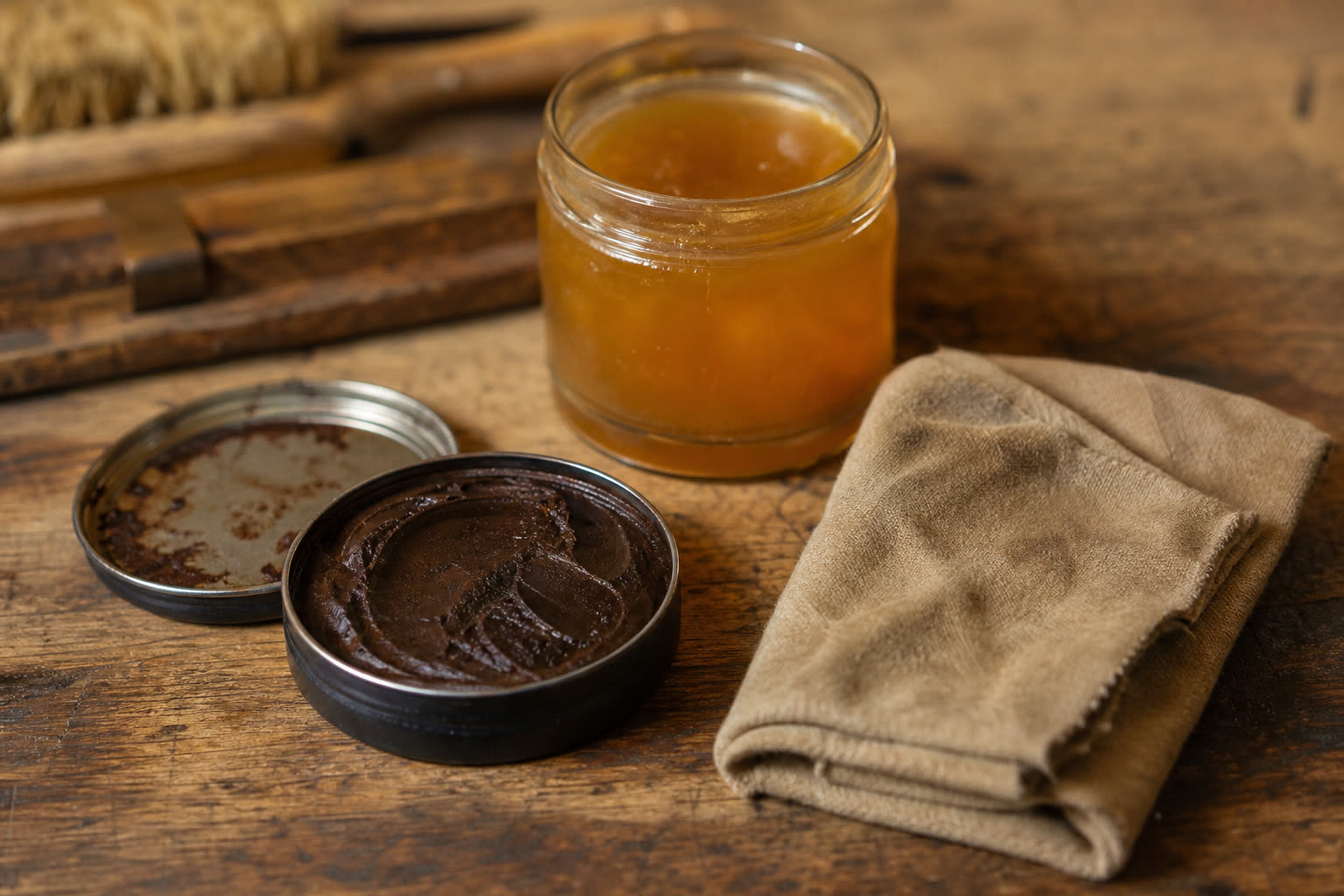
- Polish and wax thinning: Floor polishes, shoe polishes, and furniture waxes often use MTO as the carrier solvent for wax and resin solids. When a paste wax stiffens in storage, a small addition of MTO restores working consistency.
- Textile and leather: Pigment printing on fabric uses petroleum solvents including MTO grades as diluents and carriers for the printing paste.
- Rust preventives: Oil-based rust preventive compounds rely on MTO to keep them fluid enough to apply by brush, spray, or dip.
What Does IS 1745 Mean for MTO Buyers?
IS 1745 is the Bureau of Indian Standards specification for petroleum hydrocarbon solvents. What is sold as MTO in the Indian trade corresponds most closely to the Solvent 125/240 and Solvent 145/205 grades in that standard. The numbers refer to distillation range in degrees Celsius. A product conforming to IS 1745 tells you that it meets minimum colour, flash point, aromatic content, and residue-on-evaporation requirements set by BIS. We describe the grades in detail in our post on MTO grades and IS 1745.
Is MTO the Same as White Spirit or Paint Thinner?
The terms overlap, which causes real confusion in the trade. White spirit is the European and British name for the same class of product. Paint thinner is a generic label used across India and may refer to MTO, NC thinner, or blended solvents depending on who is selling. When a supplier quotes you paint thinner, ask which solvent it is based on before mixing it into your paint. MTO is the safest general-purpose option for alkyd and oil-based systems. NC thinner is a different product entirely, designed for nitrocellulose lacquers, and adding it in volume to alkyd enamel will disrupt the resin and damage the film.
If you want to understand how these products compare side by side, our guide on which thinner for which job walks through the decision clearly with a full comparison table.
How Is MTO Supplied by Shade Shine Pine?
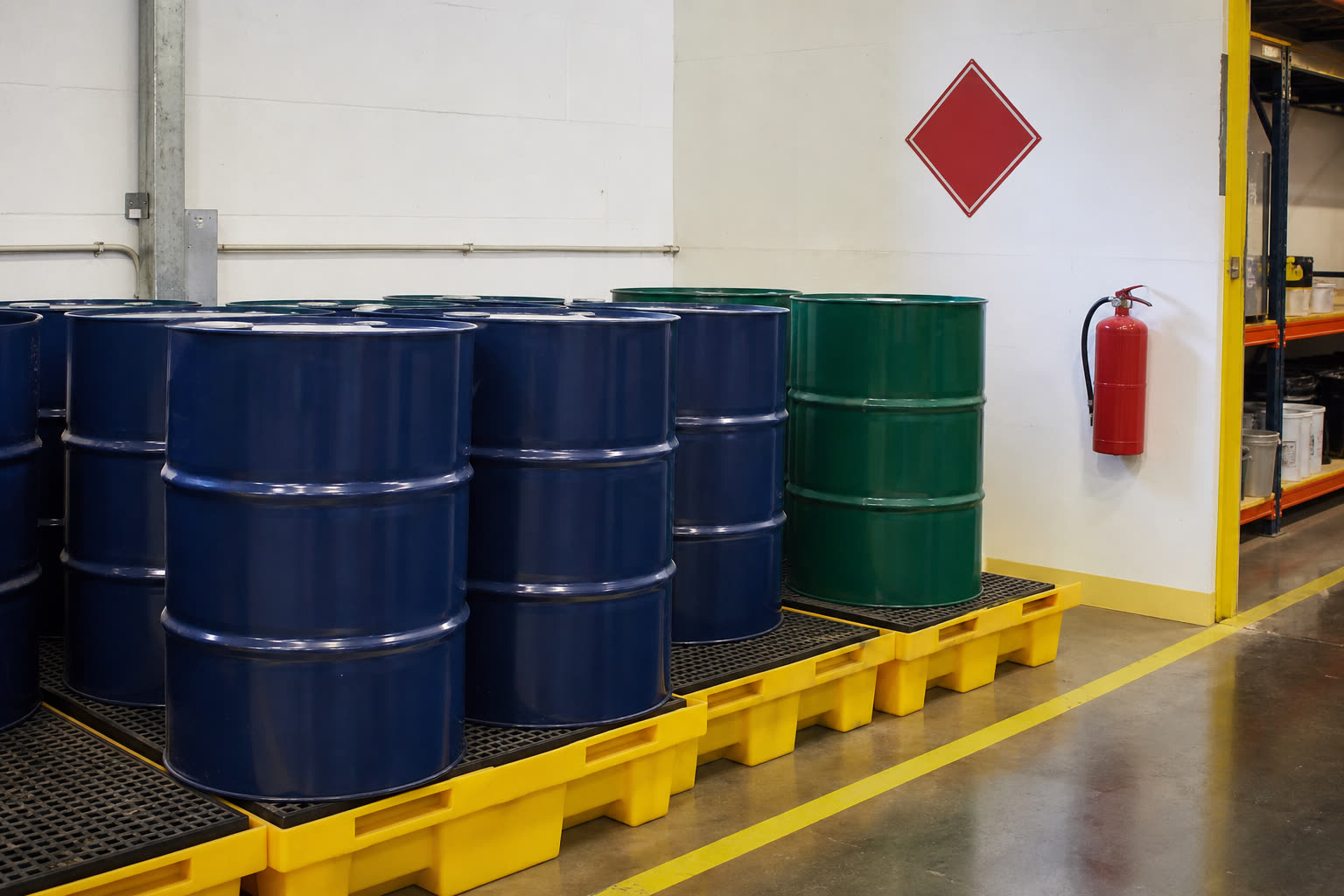
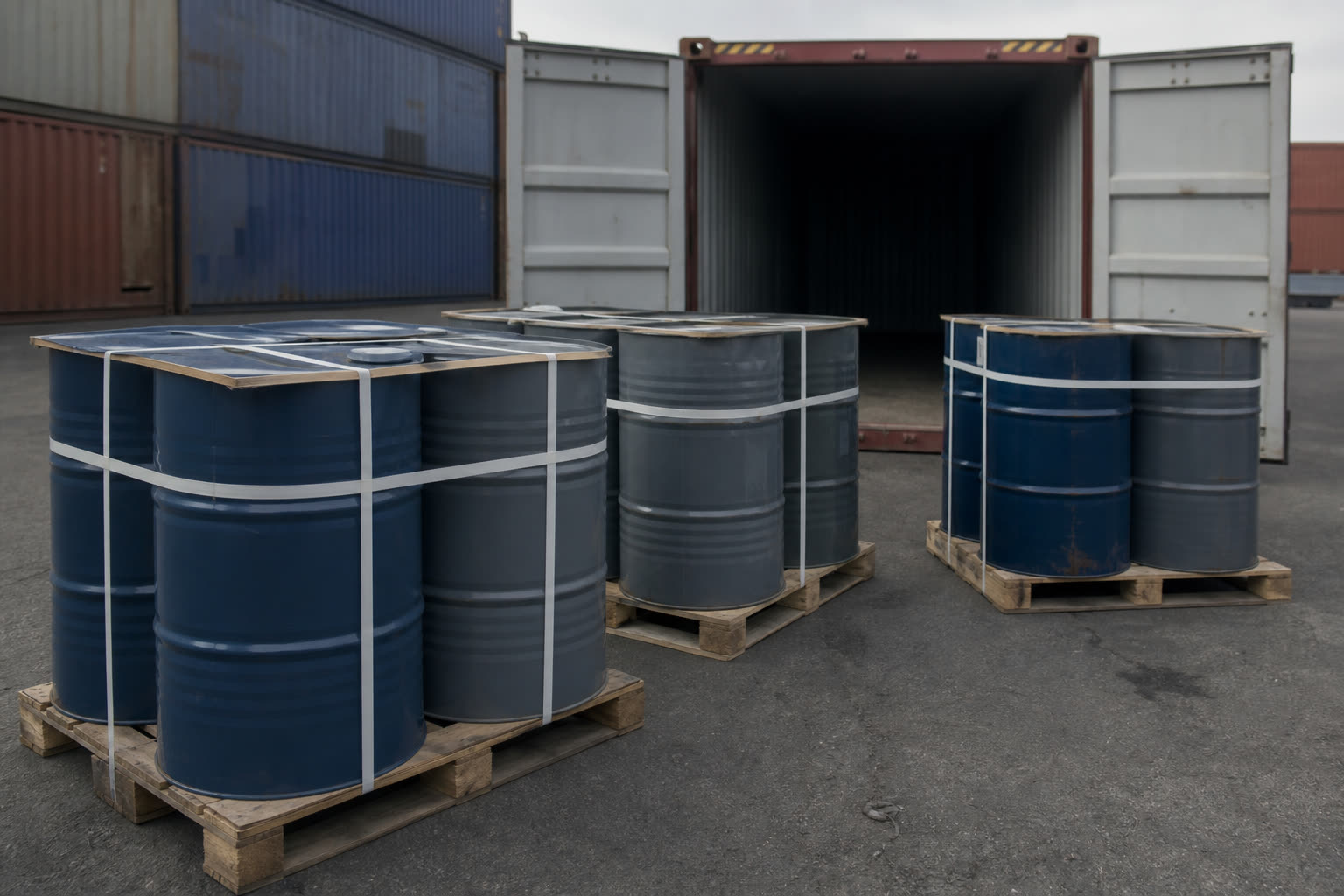
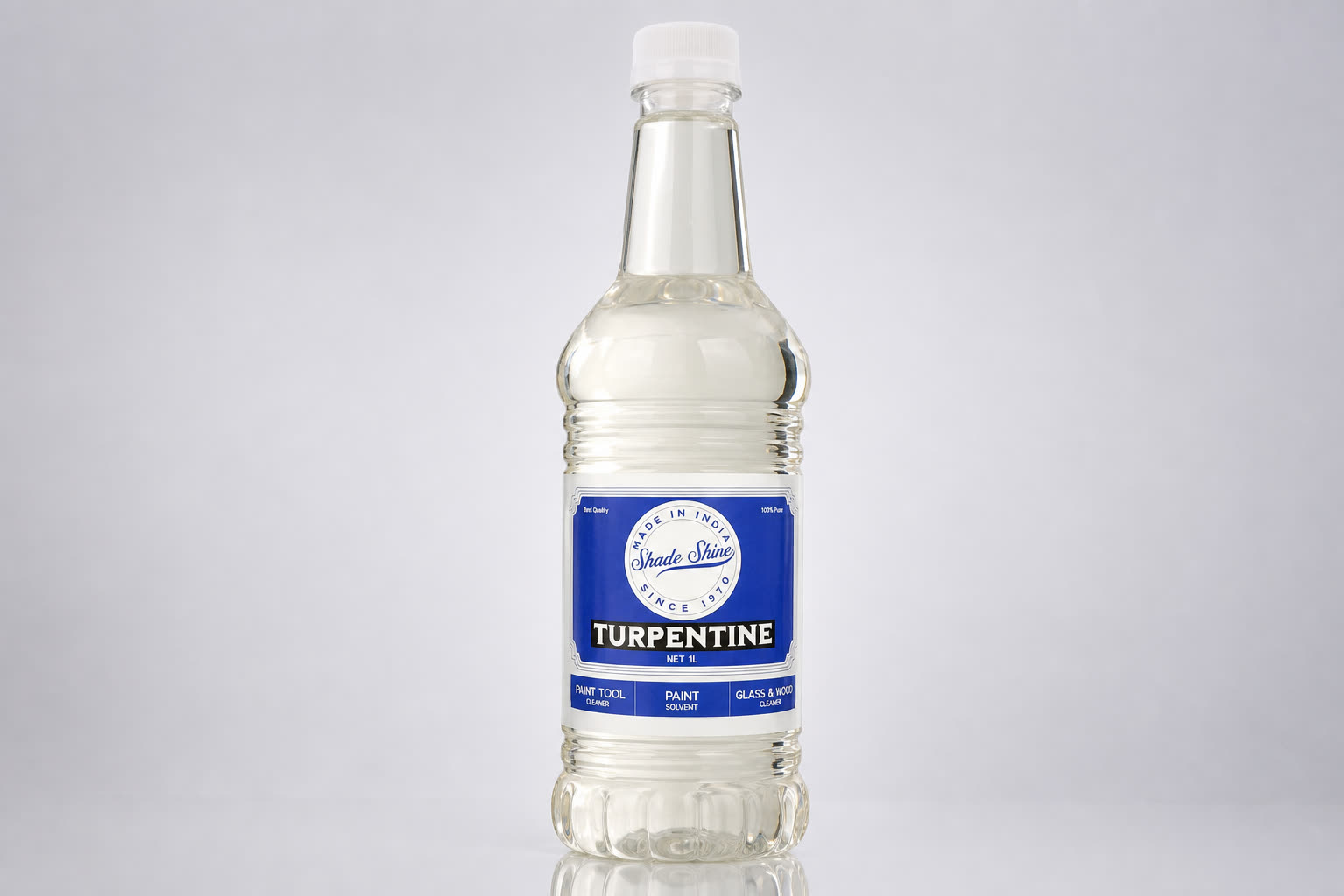
We supply mineral turpentine oil in three formats to suit different buyers. The Shade Shine 1 litre bottle, packed in cartons, is aimed at hardware retailers, small contractors, and households who need a measured quantity for occasional use. The 200 litre drum is the workhorse pack for workshops, small paint works, and distribution stockists. Road tanker loads are available for large buyers running continuous operations who want to bring the solvent directly into their own storage and eliminate drum-handling costs.
The 1 litre bottle gives shelf control and easy counter dispensing. The drum suits any operation using several hundred litres a month. The tanker removes packaging cost entirely for buyers who have the storage infrastructure and the petroleum storage licence that bulk holding requires.
Get in Touch
We carry stock of mineral turpentine oil year-round and supply from Kanpur across North and Central India. Retail buyers can order Shade Shine 1 litre bottles through our stockist network. Workshops and contractors wanting 200 litre drums, and industrial buyers needing road tanker quantities, can reach Yash Agarwal at +91 96965 09933 or write to info@shadeshinepine.com for pricing and delivery details.
What Does MTO Smell Like and Is It Safe to Use Indoors?
Standard MTO has a mild, faintly sweet petroleum odour that most people find much less intrusive than kerosene or NC thinner. In a well-ventilated room or workshop, working with MTO for brush cleaning or occasional thinning is practical without specialist respiratory protection for most healthy adults. In confined spaces without air movement, vapour can accumulate and cause mild headaches or discomfort over extended exposure. The sensible rule for any solvent work is to ensure cross-ventilation through open windows or doors before starting, and to keep containers sealed when not actively pouring. Follow your local workplace safety rules if you are operating in a commercial setting where solvent exposure needs to be formally managed.