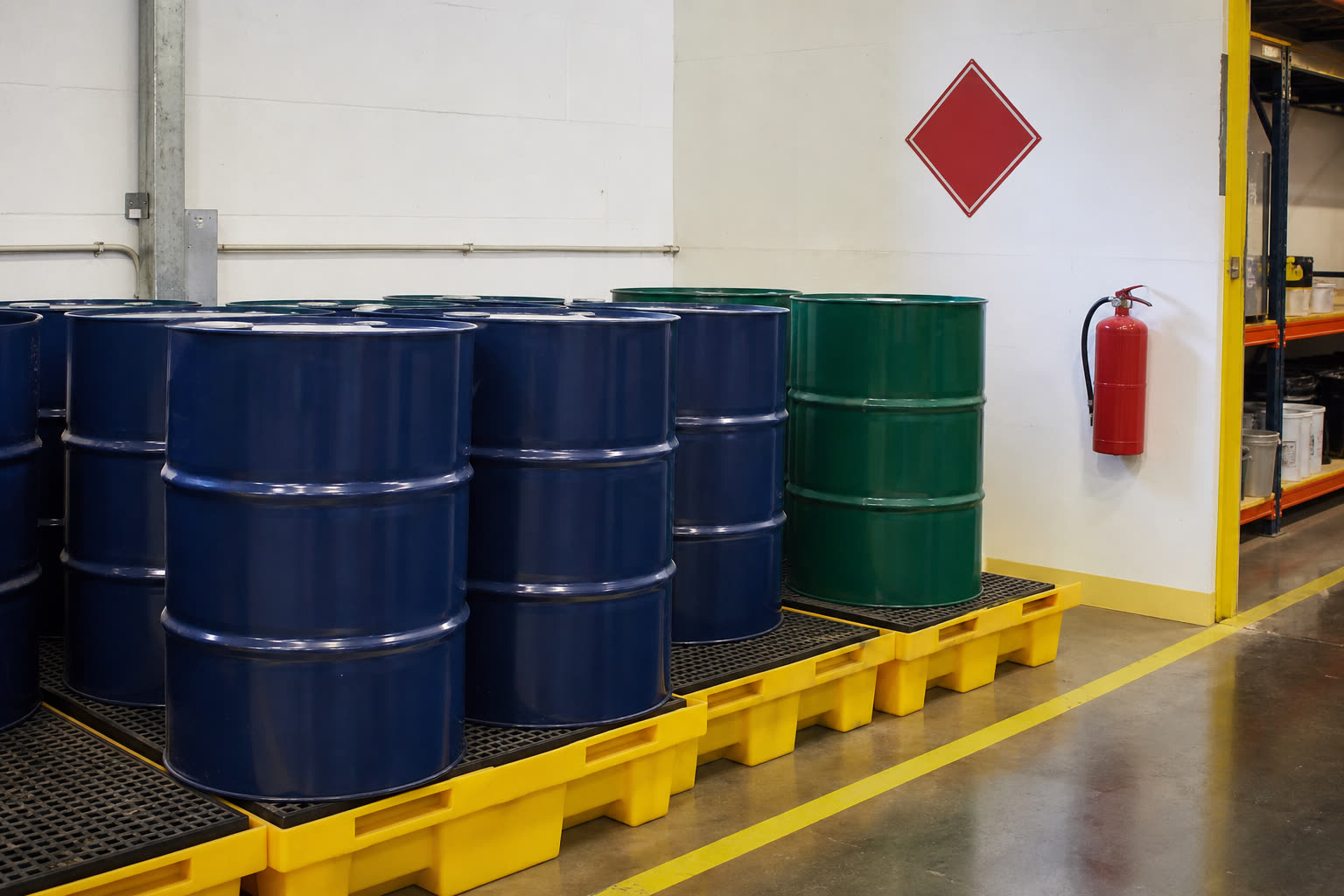
IS 1745 is the Bureau of Indian Standards specification covering petroleum hydrocarbon solvents, and it is the document that sits behind every drum of mineral turpentine oil supplied through the formal Indian trade. The standard defines seven solvent grades by their distillation temperature range and aromatic content. Most of what the trade calls MTO falls into two of those grades. Knowing which one you are buying matters, because aromatic content affects odour, solvency power, drying speed, and suitability for enclosed spaces or food-adjacent environments.
What Grades Does IS 1745 Define?
The second revision of IS 1745, adopted in 1978 and reaffirmed since, lists grades named by their initial boiling point and dry or final boiling point in degrees Celsius: Solvent 60/80, Solvent 50/120, Solvent 90/135, Solvent 125/240, Solvent 145/205 Low Aromatic, Solvent 145/205 High Aromatic, and Solvent 150/300. The lighter grades such as 60/80 are closer to petroleum naphtha and are used in rubber processing, solvent extraction, and dry-cleaning applications. MTO as the paint trade uses it sits in the 125/240 and 145/205 bands, and that is where buyers in the painting and industrial cleaning sector need to focus their attention.
Solvent 125/240: The Traditional MTO Grade
This grade has an initial boiling point of around 125 degrees Celsius and a final boiling point up to 240 degrees Celsius. Flash point is above 35 degrees Celsius when tested by the Abel closed-cup method, placing it in Class B flammable liquids under Indian Petroleum Rules. Aromatic content is generally below 40 percent by volume. Density at 15 degrees Celsius typically runs between 777 and 801 kg per cubic metre, and the Saybolt colour rating is in the +20 to +30 range, confirming a water-white to very lightly tinted appearance.
This is the workhorse grade for thinning alkyd enamel, cleaning brushes, and general solvent use in paint shops across India. It evaporates at a moderate pace that suits brush application and gives the paint film time to flow and level before it begins to set. Residue on evaporation is limited to 5 mg per 100 ml by the standard, which means it leaves virtually nothing behind on the substrate after the solvent has gone.
Solvent 145/205 Low Aromatic vs High Aromatic
The 145/205 band is where IS 1745 draws an explicit distinction between low aromatic and high aromatic grades. The low aromatic type runs below 20 percent aromatics by volume in a well-specified product. The high aromatic type carries 40 percent or more. This distinction matters in several practical ways.
- Odour: High aromatic grades smell noticeably stronger and more pungent. In poorly ventilated spaces this becomes uncomfortable and may push workers to open doors and windows that compromise work quality, or to use less solvent than the job needs.
- Solvency power: Higher aromatic content gives stronger dissolving power for certain resin systems, particularly high-oil-length alkyds and some bituminous coatings. If your paint resists thinning on a cold morning, a higher aromatic grade may help.
- Drying behaviour: Aromatic fractions are marginally slower to evaporate than aliphatic ones, so high aromatic MTO gives a slightly longer open time. In the hot summer months across Uttar Pradesh and neighbouring states, this can be an advantage for brush work on large surfaces.
- Regulatory considerations: Some industrial clients and food-adjacent applications prefer low aromatic grades to reduce overall aromatic hydrocarbon exposure in the workplace. Follow your own workplace health and safety rules on this point.
What Is Standard MTO in the Indian Market?
When an Indian paint company or hardware trader says MTO without specifying a grade, they usually mean a product conforming roughly to the 125/240 or low aromatic 145/205 profile. The key parameters to look for are: Saybolt colour +20 or better, flash point minimum 35 degrees Celsius by Abel test, final boiling point not above 240 degrees Celsius, aromatic content not above 30 to 40 percent by volume, and residue on evaporation not more than 5 mg per 100 ml. Copper strip corrosion should be no worse than rating 1 at 50 degrees Celsius for three hours.
Does IS 1745 Cover Natural Turpentine?
No. IS 1745 covers only petroleum-derived hydrocarbon solvents. Natural gum turpentine and its derivatives, including gum turpentine oil and dipentene, fall under separate specifications and belong to entirely different chemical families. Do not substitute them for MTO grades or vice versa without checking with your paint formulator, because the resin chemistry interactions differ significantly between petroleum and terpene solvents.
How to Read a Certificate of Analysis Against IS 1745
When you take delivery of a bulk MTO shipment, ask for a certificate of analysis. Check that colour meets the Saybolt minimum, flash point is above 35 degrees Celsius, final boiling point is within the stated grade range, aromatic content is within specification, and residue on evaporation is within 5 mg per 100 ml. If any parameter is outside limits, the product may thin paint inconsistently, leave a tacky residue film, or create a fire hazard if stored under the wrong classification. Our team is familiar with reading these certificates and can help buyers interpret them. Our related guide on choosing the right thinner for each job covers MTO alongside gum turpentine, DDTO, and NC thinner in a single decision table.
Enquire About Supply
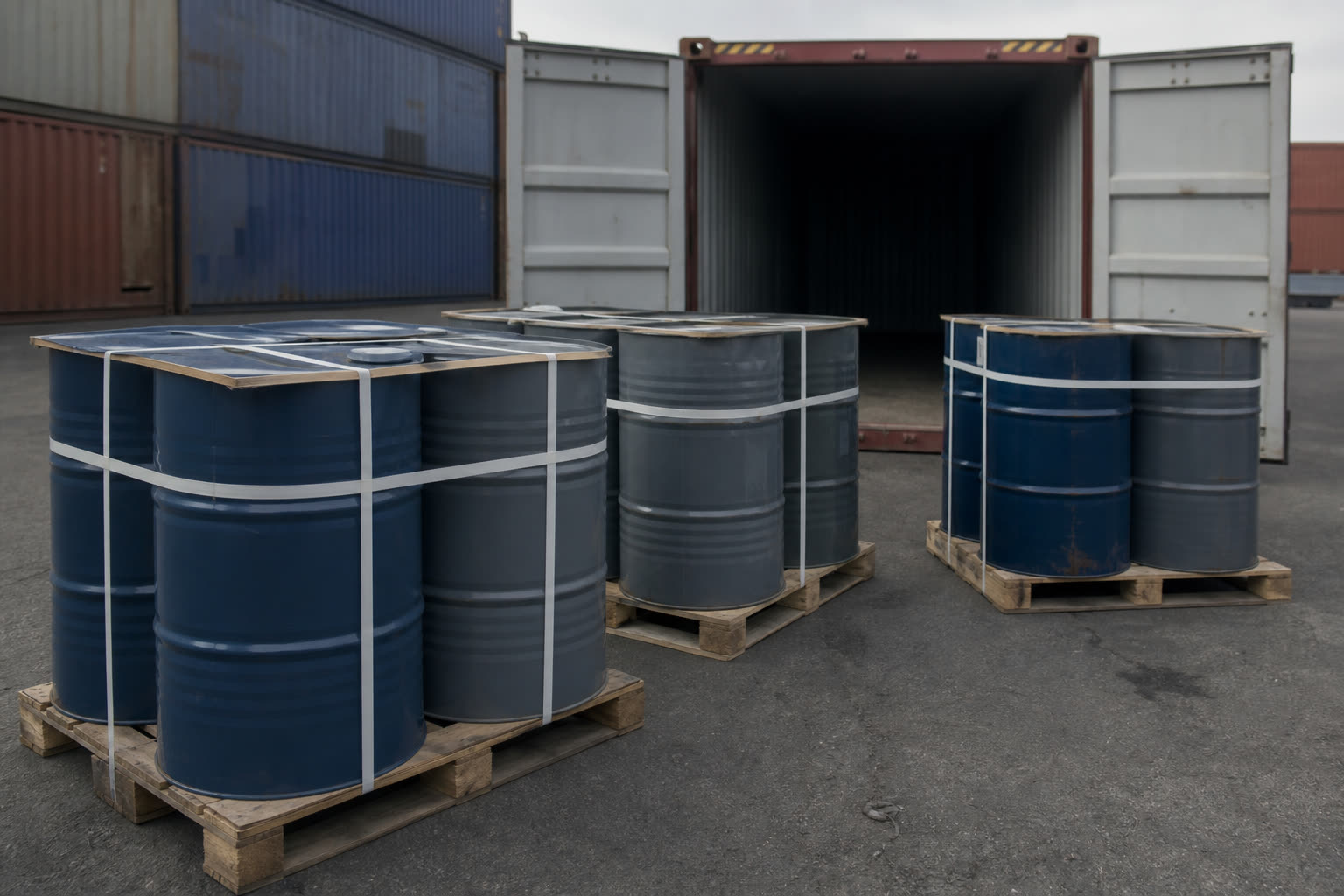
We supply mineral turpentine oil under the Shade Shine label in 1 litre bottles packed in cartons for retail and small-trade buyers, in 200 litre drums for workshops and stockists, and in road tanker quantities for large industrial accounts. Contact Yash Agarwal at +91 96965 09933 or info@shadeshinepine.com to discuss the right grade and pack for your requirement.