When Shade Shine Pine Industries added Mineral Turpentine Oil to our range, we spent time making sure our handling and storage practices matched the applicable regulatory framework. We have been working with flammable pine chemistry products since the 1970s, so safety practice is not new to us, but MTO as a petroleum-derived solvent sits under a specific statutory framework in India. This post explains the key concepts at a general level. Because rules change and local authority interpretations vary, we recommend confirming all specific licensing, quantity, and storage requirements with your fire authority, chartered engineer, or PESO-registered consultant before you store or move MTO commercially.
How Is MTO Classified Under the Petroleum Rules?
MTO is a petroleum product and is covered by the Petroleum Rules, 2002, administered by PESO (Petroleum and Explosives Safety Organisation) under the Ministry of Commerce and Industry. The classification of any petroleum product under the Petroleum Rules depends on its actual tested flash point, not on its trade name.
The Petroleum Rules divide petroleum into three classes:
- Class A: flash point below 23 degrees Celsius
- Class B: flash point at or above 23 degrees Celsius and below 65 degrees Celsius
- Class C: flash point at or above 65 degrees Celsius and below 93 degrees Celsius
Standard MTO grades from major Indian refineries have a minimum flash point of around 35 degrees Celsius, placing them in Class B. However, flash point can vary between batches and suppliers. Always verify the flash point on the batch-specific COA or SDS before making storage and transport decisions. An MTO batch with a flash point below 23 degrees Celsius would be Class A, which carries stricter requirements.
When Does Storage Require a PESO Licence?
The Petroleum Rules set quantity thresholds beyond which storage of petroleum requires a formal licence from the licensing authority. For Class B petroleum in non-bulk containers (which generally means drums and containers up to a certain individual capacity), there is a quantity below which storage may be permitted without a PESO licence. PESO's own published guidance indicates an exemption for smaller quantities of Class B petroleum in drums, and a different, lower threshold for bulk storage in tanks.
We describe these as concepts rather than precise numbers because the applicable thresholds can depend on whether the storage is in a shop, a warehouse, an industrial premises, or another classified location, and because the Petroleum Rules and their accompanying notifications can be amended. Do not assume that any specific quantity figure you have read in a trade post or circular is the current applicable limit. Check directly with the PESO district office or a registered petroleum-rules consultant for your premises type and location before deciding that your planned storage is exempt from licensing.
What Are the Basic Drum Handling Requirements?
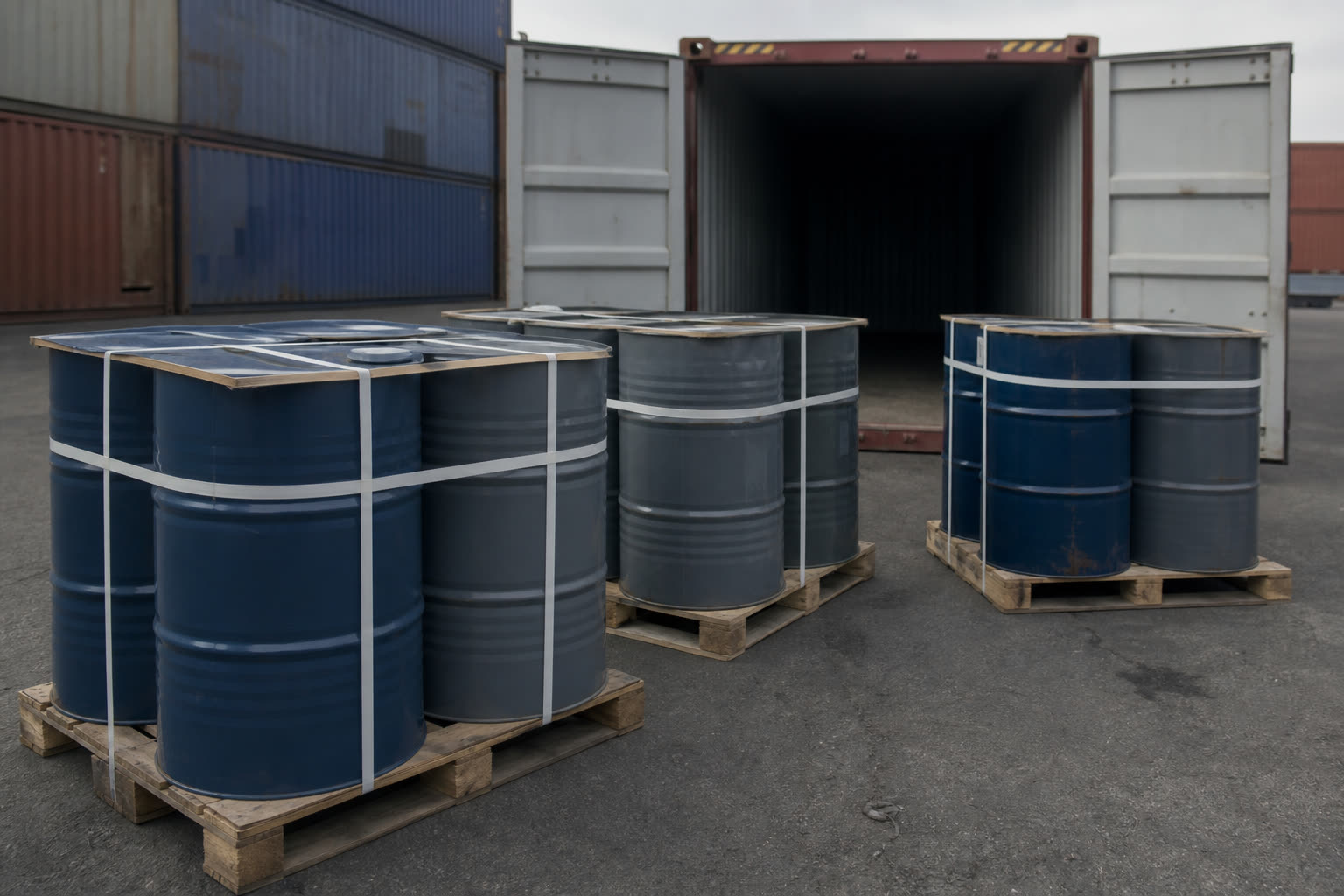
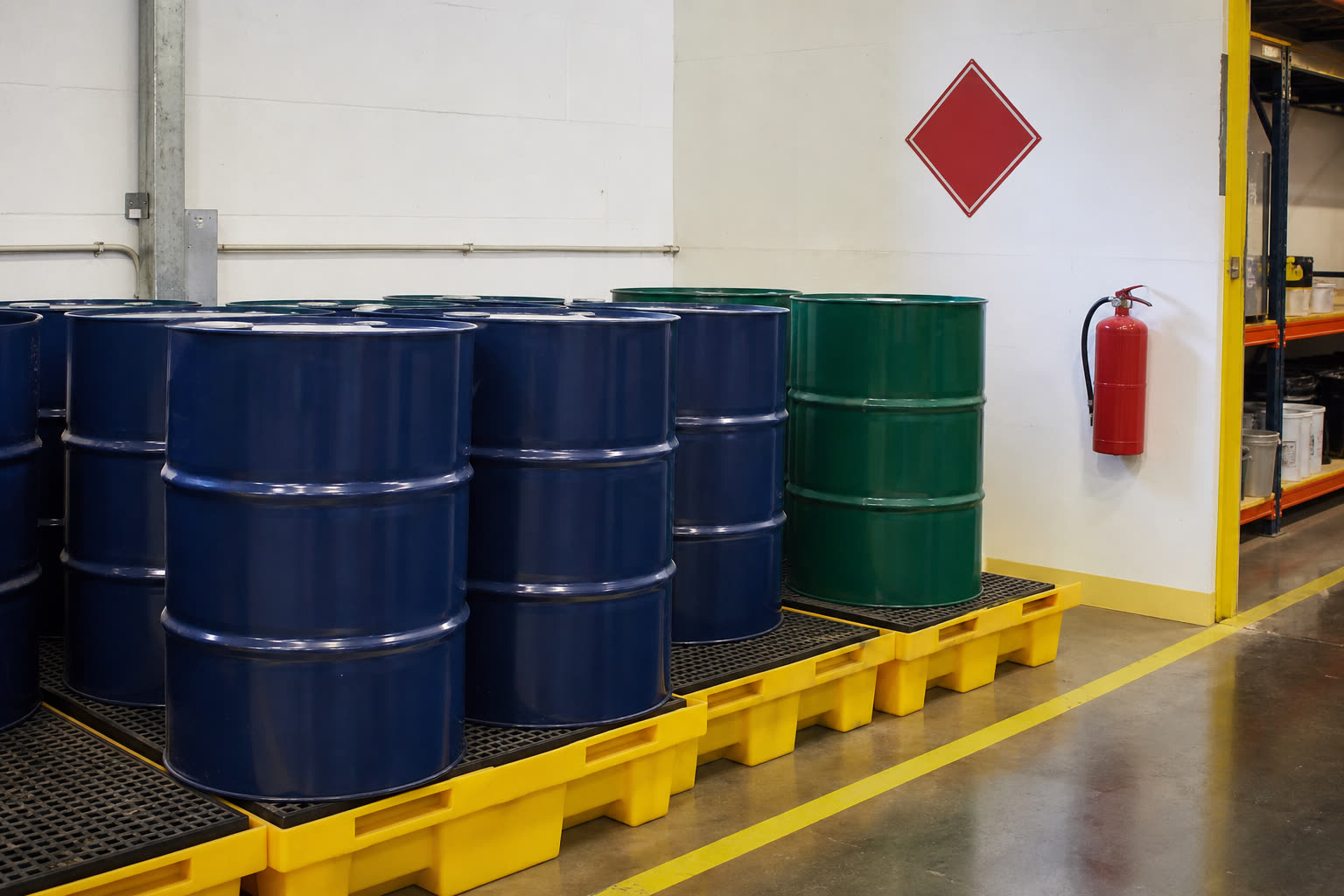
Drums of MTO should be stored in a well-ventilated, covered area away from ignition sources including open flames, sparks, and heat-generating equipment. The storage area should be segregated from other incompatible materials, particularly strong oxidising agents. Drums should be stored upright with bungs secure, on a surface that is stable and allows for spill containment. Do not stack drums beyond the safe load capacity of the drum and the floor.
During transfer of MTO between containers or into dispensing equipment, bond and earth all metalwork to prevent static discharge, which is the most common ignition source during flammable liquid transfer. Use compatible hoses and fittings rated for petroleum solvents. Do not use open-top containers or allow splashing that could generate vapour near an ignition source. Smoking is prohibited in any area where MTO is stored or handled. The storage area should have appropriate fire suppression equipment for Class B flammable liquids, typically dry chemical extinguishers, in accessible positions.
What Do Road Tanker Rules Cover?
Road tankers carrying MTO are covered by the Third Schedule of the Petroleum Rules, 2002. At a general level, any bulk tank vehicle carrying petroleum must be of a type approved by the Chief Controller of Explosives. The tank design, material, fittings, and vehicle configuration must meet the applicable PESO requirements. Tanker operators must carry the required fire extinguishers on the vehicle, including in the driver's cabin. The tanker must be attended at all times during transit, and additional crew requirements apply for larger loads of non-Class-C petroleum during movement.
Parking a road tanker carrying MTO on a public road, in a congested area, or within a specified minimum distance of a fire or ignition source is not permitted under the rules. The vehicle must carry appropriate product identification, emergency information, and hazard labels consistent with the applicable regulations. The transport documentation should include the invoice, e-way bill for GST purposes, and any petroleum-specific movement documents required under the rules applicable to your route and state.
What Should Buyers Receiving Tanker Deliveries Do?
Before a tanker delivery, confirm that your bulk storage tank is approved for petroleum storage, that earthing and bonding points are in place, that the filling connection is compatible with the tanker's discharge fitting, and that the area around the tank is clear of ignition sources. Ensure that a trained person is present throughout the discharge operation to monitor for spillage and to manage the earthing connection. After discharge, confirm the delivered quantity matches the delivery note before releasing the tanker.
For drum deliveries, the buyer should inspect each drum for damage and check that labels are legible and complete before signing the delivery receipt. Move drums into approved storage promptly after delivery rather than leaving them in an open yard or near vehicle traffic.
A Note on Professional Advice
The Petroleum Rules 2002 and their associated notifications set the framework for all petroleum storage and transport in India. PESO publishes guidance documents and FAQs that interpret the rules, and these are available on the PESO website. However, the interpretation of rules for a specific premises, quantity, usage pattern, or local jurisdiction is the role of a qualified professional. We describe the framework above so that buyers understand the general shape of the compliance obligation. Before investing in storage infrastructure, applying for a licence, or deciding that your quantity is below the licensing threshold, get confirmation from your PESO district office or a registered safety consultant. Confirm current rules with the relevant fire authority and a qualified petroleum engineer.
Shade Shine Pine Industries supplies MTO with full documentation and delivers to buyers with appropriate licensed storage. We supply in 1-litre Shade Shine branded bottles in cartons for retail and small-scale buyers, in 200-litre drums for medium volume customers, and by road tanker to bulk customers with appropriate PESO-licensed facilities. We have managed flammable pine chemical products safely from our Kanpur base for over five decades. Contact Yash Agarwal at info@shadeshinepine.com or +91 96965 09933 to discuss supply arrangements.