Picking the wrong thinner does not just thin your paint. It can wreck adhesion, slow drying to a crawl, cloud a finish, or bubble a lacquer coat. We have been supplying solvents from Kanpur since the 1970s and the single most common buying mistake we see is treating all thinners as interchangeable. They are not. Here is how to decide quickly and get the right result every time.
The Four Thinners Most Indian Buyers Encounter
The market offers mainly four products in the general painting and finishing trade: mineral turpentine oil (MTO), natural gum turpentine oil (GTO), double distilled turpentine oil (DDTO), and NC thinner. Each has a different chemical basis, a different evaporation speed, and a different set of suitable coatings. Using any of them outside their intended application range causes problems that range from slow drying to outright film failure.
Side-by-Side Comparison
| Property | MTO | Gum Turpentine (GTO) | DDTO | NC Thinner |
|---|---|---|---|---|
| Source | Petroleum refining | Pine resin | Pine resin, redistilled | Blend: esters, ketones, alcohols, aromatics |
| Main chemistry | Aliphatic and mild aromatic hydrocarbons | Terpenes (alpha- and beta-pinene) | Terpenes, higher purity | Mixed oxygenated solvents |
| Evaporation speed | Moderate | Fast to moderate | Moderate, clean | Fast to very fast |
| Odour | Mild petroleum, faint sweet | Sharp pine resin | Clean pine, milder than GTO | Strong, pungent, ester-like |
| Best for | Alkyd enamel, primers, oil paint, cleaning, degreasing | Artist colours, French polish, fine wood finish | High-quality alkyd, wood stains, art use | Nitrocellulose lacquers |
| Not for | NC lacquers, waterborne paints | Large volume industrial jobs | NC lacquers | Standard alkyd enamel |
| Typical price band | Lowest | Higher | Moderate to higher | Moderate |
When Should You Choose MTO?
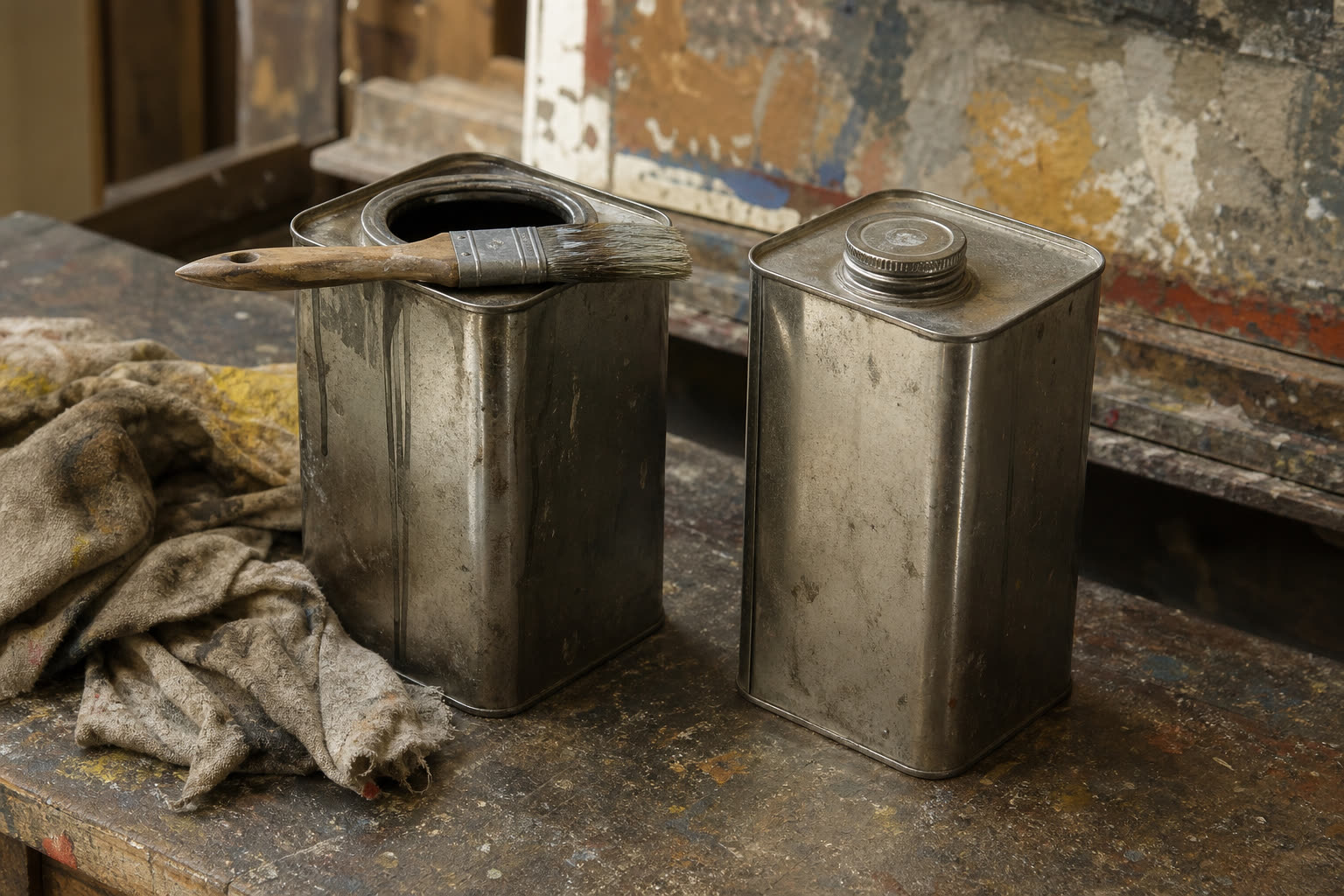
MTO is the right choice for alkyd enamel paints, gloss oil paints, primers, and undercoats. It is the go-to solvent for brush cleaning after oil-based paint work, for degreasing metal before painting, and for thinning oil-based rust preventives and floor polishes. Almost every paint shop in India runs on MTO as the default working solvent because it is reliable, economical, and available in quantity. Its moderate evaporation gives the paint film time to level properly on the surface, and its low residue on evaporation means it does not interfere with the cured paint chemistry. Our post on thinning enamel paint with MTO covers dilution ratios in detail.
When Is Gum Turpentine Worth the Extra Cost?
Artists, French polishers, and woodworkers finishing hardwood furniture often prefer natural gum turpentine because the terpene chemistry interacts differently with linseed oil, stand oil, and natural resin varnishes. Turpentine promotes better brush flow in traditional oil colours and keeps resins softer for longer, which matters in conservation and restoration work. For a cabinetmaker finishing a small batch of fine furniture, the extra cost per litre is modest against the quality benefit. For a contractor painting a hundred square metres of wall with enamel, MTO is the only sensible choice on cost.
Where Does DDTO Fit?
Double distilled turpentine oil is gum turpentine that has been redistilled to remove heavy ends and impurities. It is cleaner in evaporation, marginally milder in smell, and more consistent batch to batch. It suits high-quality alkyd wood finishes, wood stains, and applications where the solvent quality directly affects the appearance of the dried finish. Our DDTO is produced to consistent quality from Kanpur and available in a range of pack sizes.
What Goes Wrong with NC Thinner in Alkyd Paint?
NC thinner contains ketones, esters, and aromatic solvents blended for fast evaporation in nitrocellulose lacquer systems. Add it to alkyd enamel at anything beyond a very small touch-up proportion and you will see blushing, poor flow, extended or disrupted drying, and sometimes outright gelling of the paint in the pot. The paint trade knows this but it keeps happening because NC thinner is widely available and people reach for what is close at hand. Keep NC thinner and alkyd enamel strictly separate on site. Label your containers clearly.
A Quick Decision Path
- Thinning or cleaning after alkyd enamel, oil paint, or primer: use MTO.
- Artist oil colours, French polish, or fine natural resin varnish: use GTO.
- Quality wood stain or finish where clean evaporation matters: use DDTO.
- Nitrocellulose lacquer or speciality synthetic enamel in spray: use NC thinner, and keep it away from alkyd systems.
Talk to Us
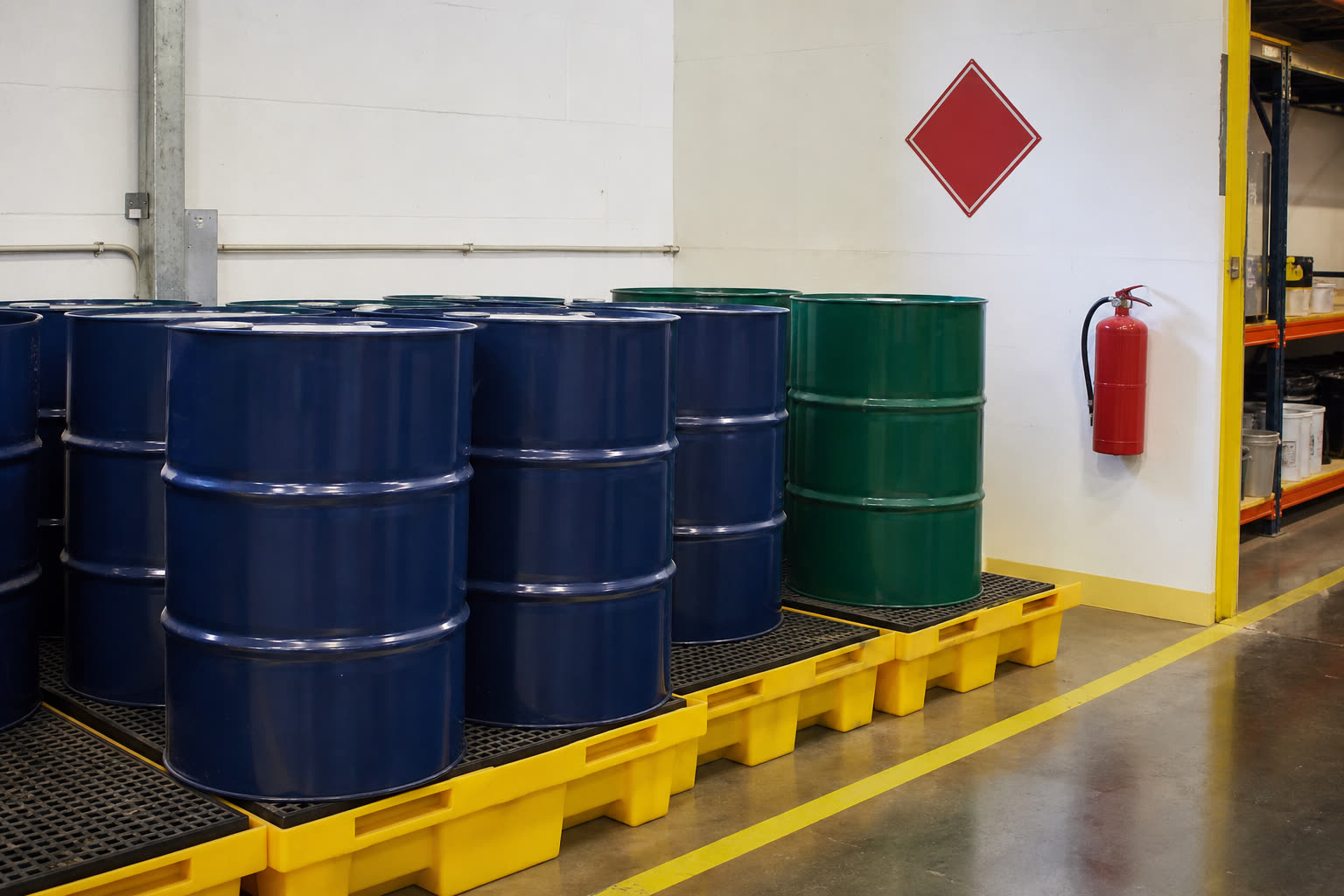
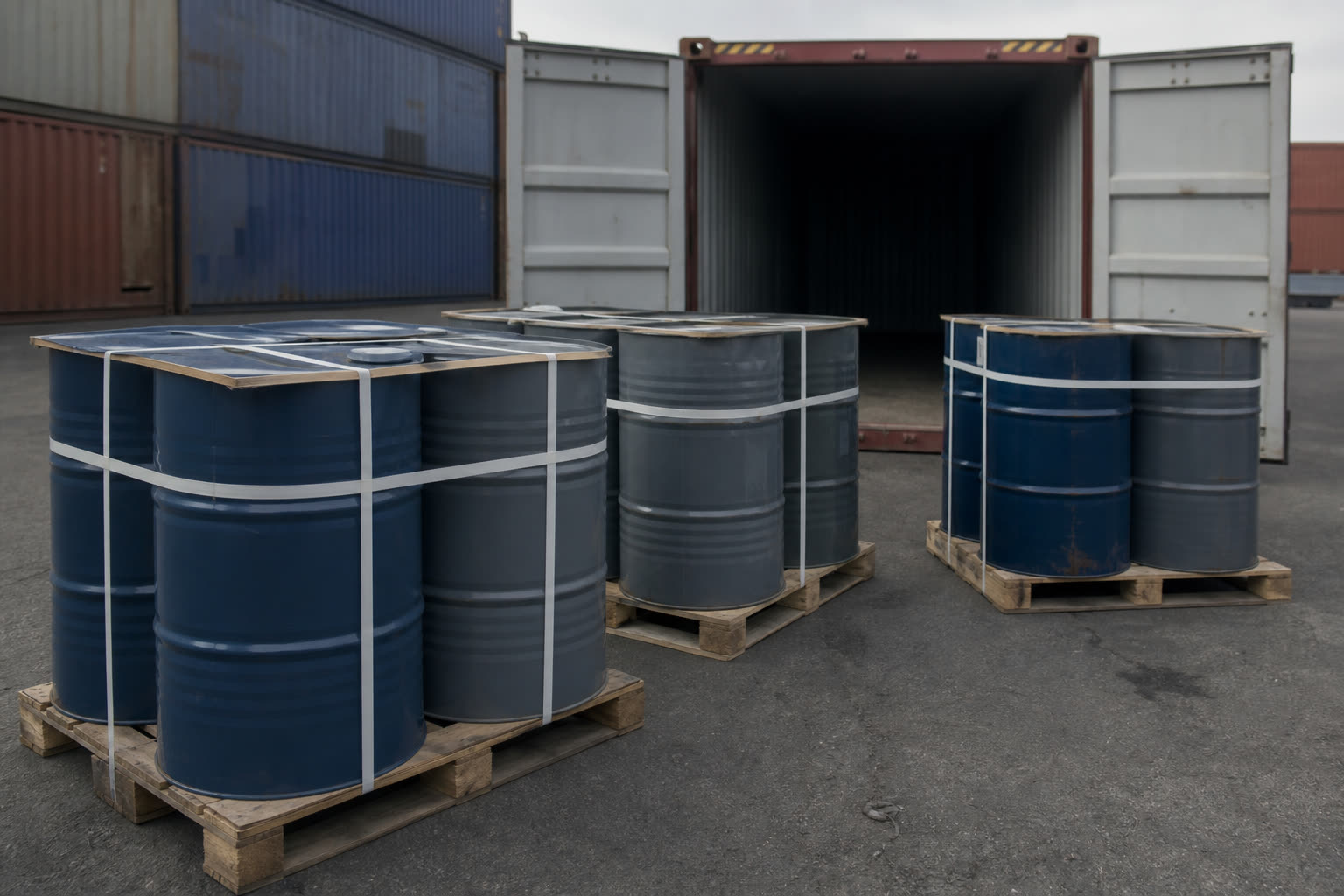
We carry all three pine chemistry products and can advise on the right solvent for your specific paint system. Mineral turpentine oil is available in Shade Shine 1 litre bottles packed in cartons for counter sales, in 200 litre drums for workshops and contractors, and in road tanker volumes for industrial buyers. Call Yash Agarwal on +91 96965 09933 or email info@shadeshinepine.com.
What If the Paint Can Does Not Say Which Thinner to Use?
Most reputable paint brands sold in India print the recommended thinner type on the can, either by product name or by solvent class. If yours does not, the safest default for any standard gloss, semi-gloss, or flat enamel described as oil-based or alkyd is MTO. If the can says synthetic or nitrocellulose, use NC thinner. If it says waterborne or water-based, use only water as directed. When in doubt, call the paint company's technical helpline before adding any solvent. Adding the wrong thinner to a full tin of paint is an expensive mistake that is not recoverable. The minute spent on the phone is worth it. We are also happy to advise based on the paint description if you call or email us.