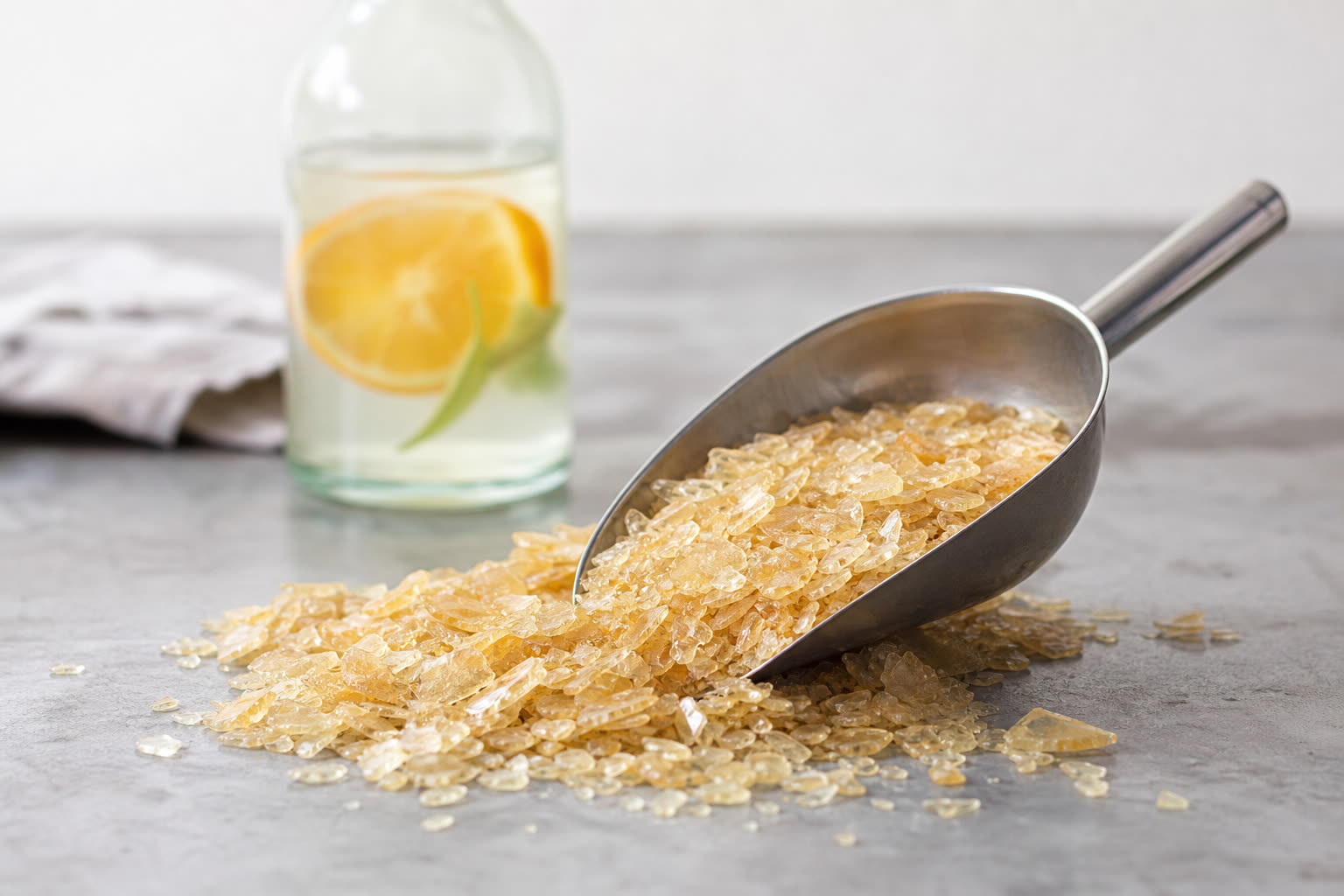
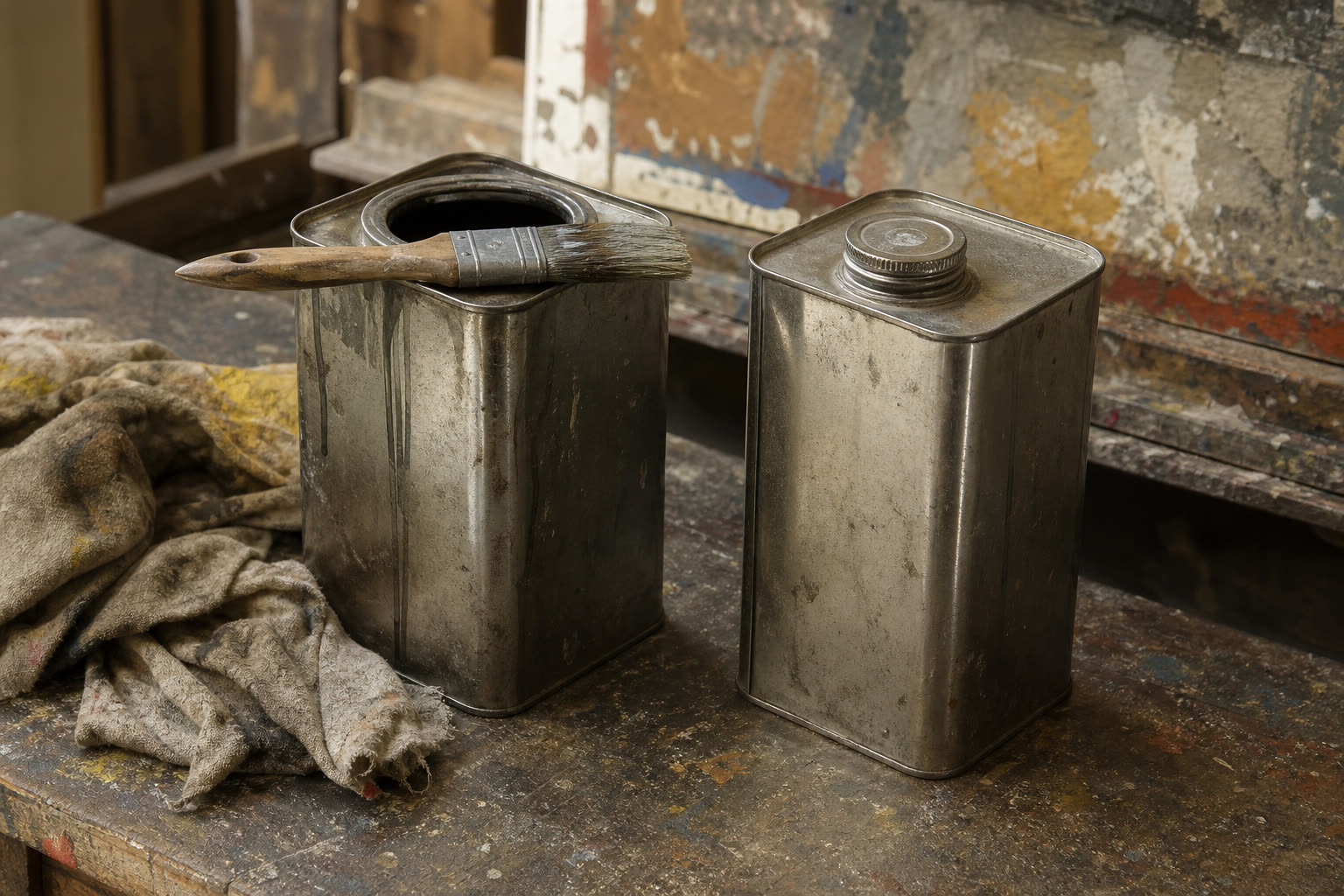
Gum turpentine is a pine-derived terpene solvent, produced by steam distilling oleoresin tapped from living pine trees. Mineral turpentine oil, sold in India and Australia as MTO or white spirit, is a petroleum fraction refined from crude oil. Both thin alkyd paints and clean brushes. Beyond that surface similarity, they behave very differently, and knowing which to specify can save a paint maker money or solve a persistent formulation problem.
What Does the Kauri-Butanol Number Tell a Formulator?
The kauri-butanol (KB) value is an empirical measure of hydrocarbon solvency power: the higher the number, the stronger the solvent. Gum turpentine typically registers around KB 56. Ordinary white spirit or mineral turpentine runs roughly KB 29 to 33, depending on the grade and its aromatic content. That gap, nearly double the solvency power in favour of gum turpentine, is not academic. A resin that dissolves cleanly in gum turpentine may swell or cloud in white spirit, and a formulator who switches between the two without reformulation will see changes in viscosity, resin compatibility, and final film clarity.
| Property | Gum Turpentine (GTO) | Double-Distilled GTO (DDTO) | Mineral Turpentine Oil (MTO) |
|---|---|---|---|
| Origin | Pine oleoresin | Pine oleoresin, redistilled | Petroleum refining |
| KB value (approx.) | ~56 | ~56 to 60 | ~29 to 33 |
| Main components | Alpha-pinene, beta-pinene | Alpha-pinene (higher purity) | Aliphatic and naphthenic hydrocarbons |
| Flash point (approx.) | ~35 deg C | ~35 deg C | ~38 to 65 deg C depending on grade |
| Odour | Characteristic pine, pleasant | Cleaner, milder pine | Petroleum/kerosene note |
| Natural origin | Yes, bio-derived | Yes, bio-derived | No, fossil-derived |
| Typical use level in alkyd paint | 5 to 15 percent | 5 to 15 percent | 10 to 40 percent |
How Does Odour Affect the Buying Decision?
In domestic decorative paints, the smell left in a freshly painted room is something homeowners notice even if they cannot identify it. Gum turpentine carries a characteristic clean pine fragrance that most people find acceptable or even pleasant. MTO has a petroleum note that some consumers associate with a harsh chemical smell. For premium interior emulsions and wood finishes aimed at the urban retail segment, this alone pushes formulators toward either gum turpentine or double-distilled turpentine oil, which is redistilled to a higher purity and gives a still milder odour profile. For red oxide primers on steel structures or industrial finishes in factories, nobody cares about the odour, and the price advantage of MTO wins.
Why Does the Price Behave Differently?
MTO is priced on petroleum markets and moves with crude oil. Gum turpentine is priced on the pine chemicals market, which is driven by oleoresin supply from pine-tapping regions of China, India, Indonesia, and Brazil. The two indices do not move together, and in periods of crude price spikes the gap between them can narrow dramatically, making gum turpentine competitive on pure cost. Conversely, when global rosin demand surges, terpene supply tightens and gum turpentine prices rise independently of petroleum. A paint company that buys both, with gum turpentine earmarked for premium products and MTO for economy lines, can manage this volatility better than one locked into a single solvent.
When Does Each Solvent Win?
Gum turpentine wins where: resin solvency is the issue, natural origin is a marketing or formulation requirement, the product carries a premium price point, or the work involves dissolving natural resins such as damar or copal in varnish. Double-distilled turpentine, which we produce by redistilling gum turpentine over the same stills we have run since 1980, wins where consistent specification and low colour are needed for pale varnishes and clear furniture finishes. MTO wins in high-volume economy alkyd lines, brush cleaning in industrial maintenance, and any application where cost per litre is the overriding criterion and the resin system is compatible.
What About Dipentene as a Third Option?
Some thinner blenders in India incorporate small amounts of dipentene alongside MTO. Dipentene adds terpene solvency and an anti-skinning effect without the price of pure gum turpentine. The result is a blended thinner that sits between gum turpentine and plain white spirit in both cost and performance. This is common practice in the varnish and wood finish trade, particularly in Rajasthan and Gujarat where furniture lacquer production is concentrated. The anti-skinning benefit is particularly relevant for decorative gloss enamels that are sold in part-filled cans into the retail segment, where a consumer might use half a tin and reseal it, expecting the remaining paint to stay usable for a year or more. A thinner blend that incorporates dipentene extends this in-can life compared to one using plain white spirit alone.
Are There Any Handling Differences to Consider?
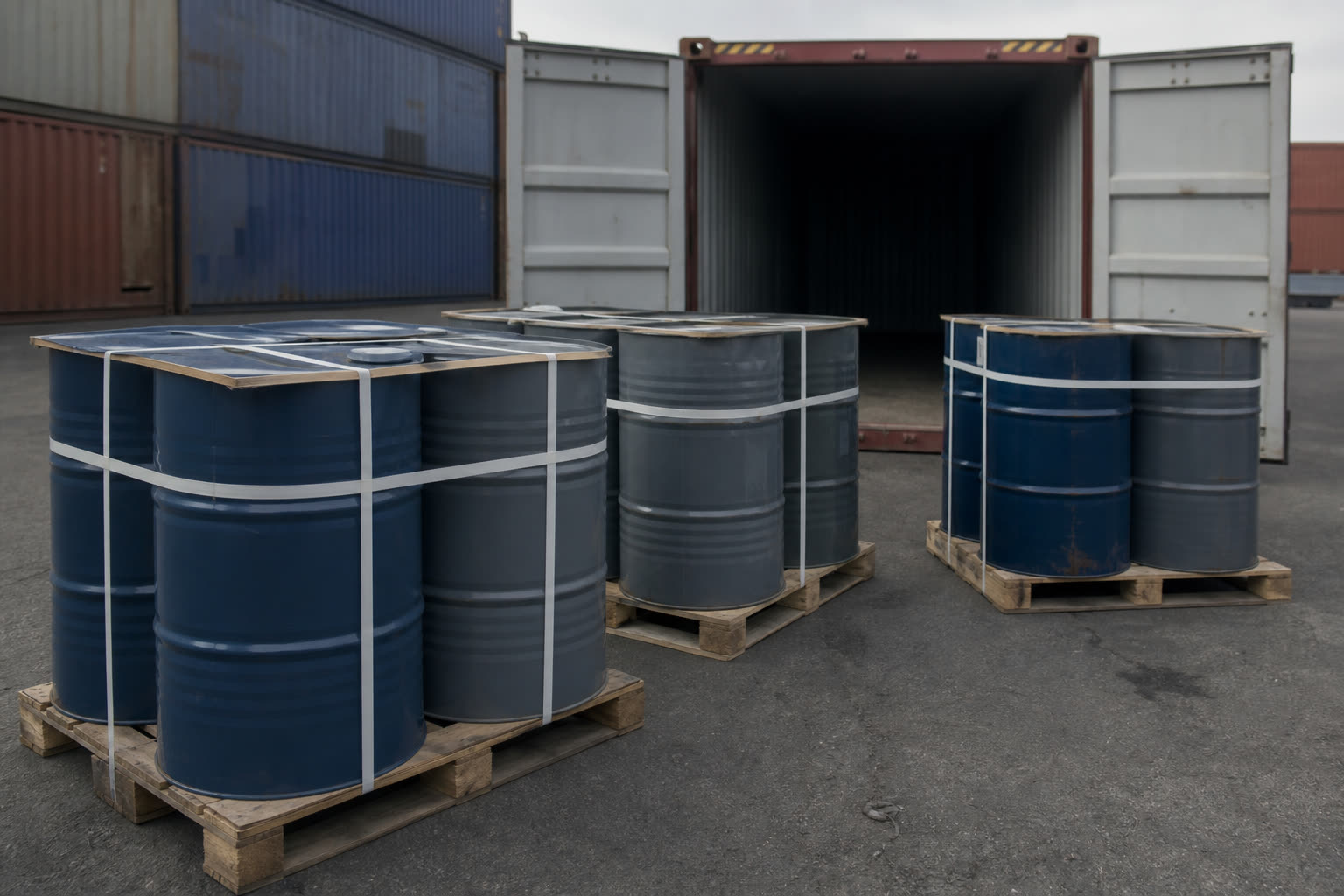
Both gum turpentine and MTO are flammable liquids and must be stored and handled accordingly, but there are some practical differences. Gum turpentine can oxidise over time if stored in poorly sealed containers exposed to air and heat, forming peroxides and polymeric gums that reduce its solvent effectiveness. MTO is more stable in storage and less prone to this kind of degradation. For a paint works buying gum turpentine in quantity, this makes good stock rotation essential: use older drums first, keep bung seals in good condition, and avoid excessive temperatures in the drum store. Our own advice on drum storage appears in a dedicated post on solvent storage and safety and is worth reviewing if your operation handles bulk terpene solvents.
What to Ask Your Solvent Supplier
Before switching between gum turpentine and MTO, run a compatibility test with your actual binder and pigment package. Check viscosity at application temperature, pot life in the can, and film clarity after full cure. The KB number points the way, but it does not predict every interaction. We are happy to provide samples of our gum turpentine oil and DDTO for side-by-side trials against your current solvent. Both are available ex-Kanpur in 200 litre barrels or road tankers. Write to info@shadeshinepine.com or call Yash Agarwal on +91 96965 09933 to arrange samples.