Asking to see the product before you buy it in bulk is not unusual, and it is not an insult to the supplier. It is how sensible chemical buying works. We have sent samples to prospective buyers in more than a dozen countries, and we regard a well-structured sampling process as a positive sign: it tells us the buyer is systematic, knows what they need, and will be straightforward to supply. This post sets out what the sampling process looks like from our side, what is reasonable for a buyer to ask, and what both parties should agree on before the sample is even dispatched.
What is a trade sample in the pine chemical context?
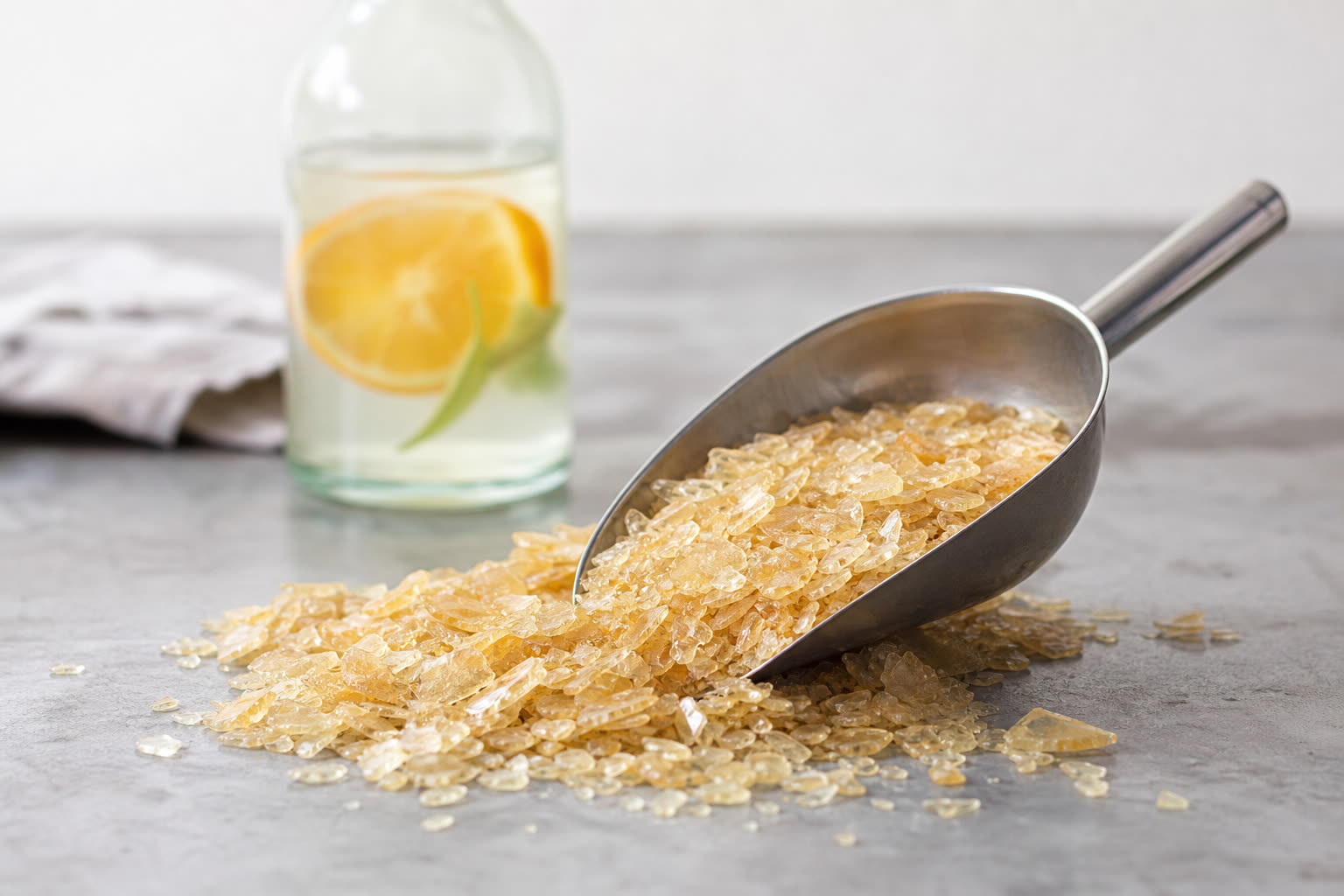
A trade sample is a small representative quantity of the actual product drawn from current production stock or from a batch being held for a prospective order. For liquids like gum turpentine oil or pine oil, a typical trade sample is 0.5 to 1.0 litre in a sealed glass or HDPE bottle, properly labelled with the product name, batch number, date, and our details. For solid products like gum rosin, a sample of 200 to 500 grams of crushed or flake material is the norm.
The sample must be representative. Pulling clear liquid off the top of a drum that has settled is not representative. At our plant, samples are drawn from well-mixed stock, sealed immediately, and sent with a matching Certificate of Analysis for the same batch. The COA that accompanies the sample must reflect what is in the bottle, not a historical average or a best-case analysis.
How are samples sent internationally?
Small chemical samples for evaluation typically travel by international courier, declared under customs Sample (not-for-sale) provisions. For flammable liquids like turpentine, the quantity must stay within the courier's limited quantity exemption for dangerous goods (typically less than 1 litre per inner packaging, specific rules apply per courier and destination), and the package must be properly labelled. We prepare sample shipments in compliance with dangerous goods limited quantity rules and advise buyers on the customs value declaration at their end.
The buyer is responsible for any import duties or fees at their end when receiving a sample. In most markets, small chemical samples for evaluation purposes attract minimal duties, but this varies by country. Confirm with your customs broker if you are in any doubt.
What testing window is fair?
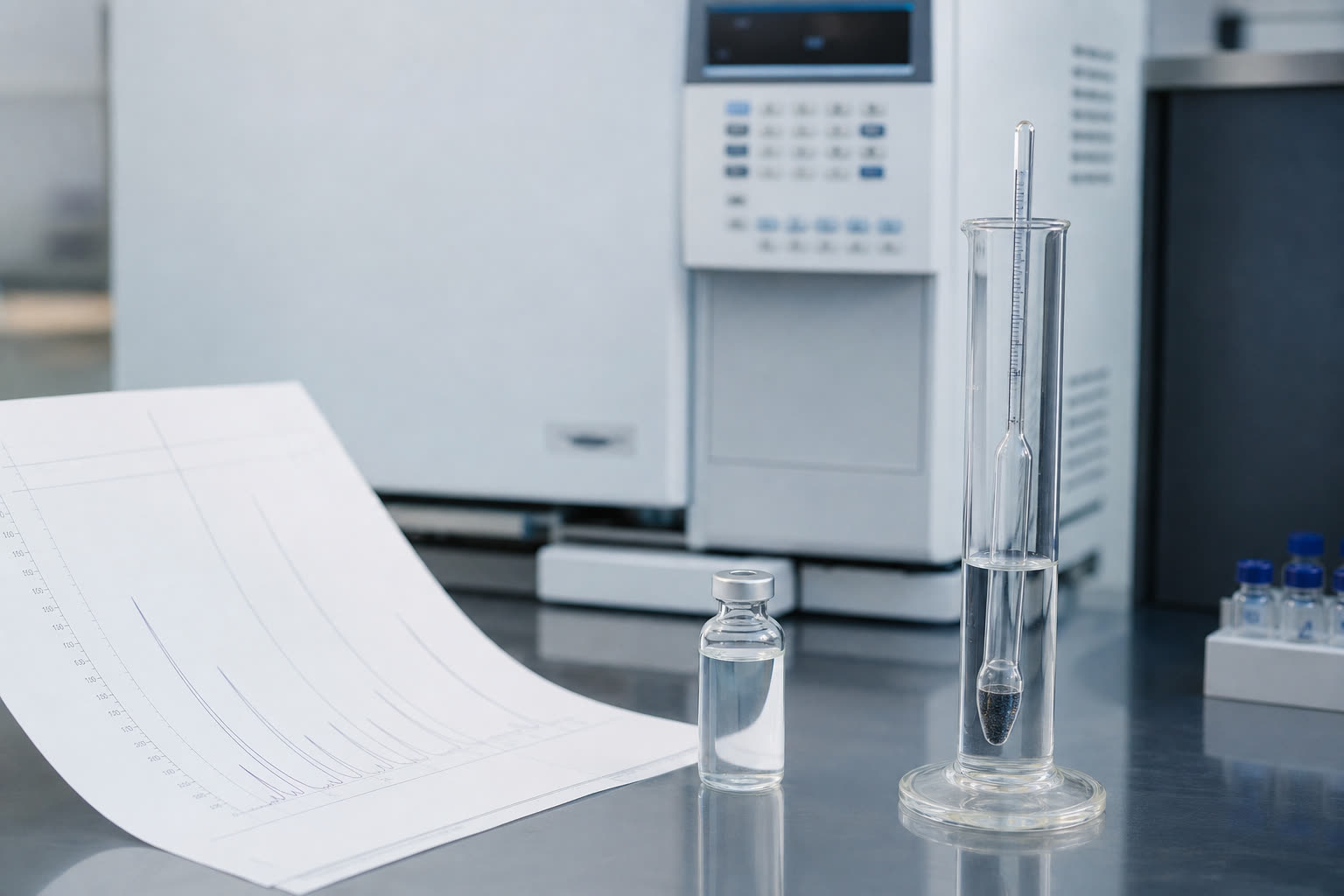
Once a buyer receives a sample, they should test it and respond within an agreed window. In the pine chemical trade, two to three weeks from confirmed receipt is a reasonable standard for basic physical and chemical testing (GC, SG, RI, colour, residue). If the buyer needs specialist application testing, for example testing turpentine-based solvents in a paint formulation or evaluating terpineol in a fragrance blend, four to six weeks may be needed, and we accommodate that if agreed upfront.
What is not reasonable is to hold a sample for three months without feedback, then use it as the basis for a price negotiation when the market has moved. The sample is a quality-evaluation tool, not a holding deposit on a price. We ask buyers to confirm their testing timeline before we dispatch the sample, so both parties are aligned on when we can expect a go/no-go decision.
Sealed samples and retention: why both parties should keep one
When we dispatch a sample, we retain an identical sealed sample from the same batch at our works. This is our reference point. If the buyer's test results differ significantly from our COA, both sides have a sample from the same batch to refer to, and a third-party laboratory can be brought in if needed.
We ask buyers to do the same: keep a sealed portion of the received sample, labelled with receipt date and our reference number, until after the evaluation is complete and any full order has been shipped and received cleanly. This protects both parties. If a dispute arises about whether a bulk shipment matches the approved sample, the retained sample from the evaluation stage is the benchmark.
What happens after a sample is approved?
Once the buyer confirms the sample is within their specification, the usual next step is a proforma invoice for the trial order, often one to five drums or one 25 kg bag, depending on the product. A trial order is not always the same as a sample shipment; it is a small commercial order at full price, with full documentation (COA, SDS, invoice, packing list). It allows the buyer to verify that the bulk product matches the sample and that the logistics and documentation process works smoothly.
After a successful trial order, we discuss the regular supply quantity, frequency, and appropriate payment and documentation terms. See our related post on selecting the right turpentine grade for the next step in the evaluation process.
What is our sample policy?
We provide samples free of charge for genuine evaluation enquiries. We ask buyers to cover the courier cost for international sample shipments; for domestic Indian buyers, we can often arrange courier at our cost for the first sample. We do not charge for the sample material itself, on the understanding that a serious buyer will proceed to a trial order once the sample is approved. If we receive a high volume of sample requests from a single buyer without any commercial discussion, we may decline further samples until there is a clearer commercial basis for the relationship.
We are not in the business of being a free sample service. We are in the business of building long-term supply relationships with buyers who value quality and consistency. If you are evaluating pine chemicals and want to discuss a sample request, write to info@shadeshinepine.com or call Yash Agarwal on +91 96965 09933. We will respond within one business day.