Pine oil earns its place in a water-based paint formulation not by forming the film but by making the film-forming process work better. It is not a binder, not a coalescent, and not a primary solvent in emulsion paint. What it does is sit at the interface between the aqueous phase and the pigment or resin particle surfaces, reducing surface tension and helping components that would otherwise resist each other to cooperate. We have supplied pine oil to paint works since the founding of our Kanpur business in 1980, and we see it most actively used in the economy emulsion segment where keeping additive costs low while maintaining acceptable flow and finish is the central formulation challenge.
How Does Pine Oil Work as a Wetting Agent?
The active wetting component in pine oil is terpineol, an unsaturated cyclic alcohol. Our pine oil carries terpineol content of 65 percent or above, which is the threshold most paint formulators look for when evaluating pine oil as a wetting additive. At concentrations of one to three percent in the total paint formulation, pine oil reduces the contact angle between the aqueous carrier and pigment particle surfaces, making dispersion faster and more uniform. This is particularly useful with heavy extender pigments such as calcium carbonate and talc, which have naturally high surface energy requirements. The effect is broadly comparable to that of nonionic surfactant packages, though pine oil also brings the anti-foam and fragrance benefits discussed below, making it a multi-functional additive rather than a single-purpose one.
Does Pine Oil Help with Foam?
Foam is one of the persistent problems in emulsion paint production. High-speed dispersers, bead mills, and even high-lift mixing in large tote tanks all entrain air, and a paint that foams badly at the filling stage carries microfoam into the can that degasses on the wall as the film dries, leaving a pinholes or rough texture. Pine oil suppresses foam through a mechanism broadly similar to that of silicone and mineral oil defoamers: it spreads across air-water bubble interfaces in the foam and destabilises them. The dosage required for meaningful antifoam benefit is generally one to three percent of the batch. Compared to specialised silicone defoamers, pine oil is less potent but also less prone to causing surface defects such as fish-eye or recoat adhesion problems in subsequent coat applications.
What Is the Fragrance Effect Worth to a Paint Maker?
The fragrance of a paint product is noticed by applicators and by the end user whose room smells of fresh paint for a day or two after application. Water-based emulsion paints can carry a range of raw material odours, from the mild sweetness of glycol coalescents to the flat, dusty smell of clay extenders, to the pungent note of certain biocides. A small pine oil addition, at one to two percent, changes the in-can and room odour during application to a clean, woody, fresh note that is broadly perceived as more natural and less industrial than the base raw material smell. This is a marketing benefit, particularly in products positioned for domestic interior use or for the premium end of the emulsion range.
Our pine oil is also available as a component in systems using terpineol, which we supply separately for applications where a more concentrated alcohol fraction is required.
How Does Pine Oil Compare to Glycol Coalescents in Waterborne Formulations?
Glycol ethers such as butyl cellosolve and propylene glycol are the dominant coalescents in modern waterborne architectural paints. Their role is to temporarily soften latex particles at the drying front, allowing them to fuse into a continuous film. Pine oil does not function as a coalescent in this sense and should not be used to replace a glycol ether in a waterborne system where film formation is the primary concern. What pine oil adds is the wetting, defoaming, and fragrance contributions described above, which are typically beyond what a glycol coalescent is chosen to provide. The two types of ingredient serve different purposes and can coexist in the same formulation without direct substitution conflict. A well-designed economy emulsion might contain a small glycol ether fraction for coalescence alongside one to two percent pine oil for wetting and fragrance, using the natural additive to reduce the overall synthetic surfactant load in the formulation.
Are There Any Compatibility Concerns?
Pine oil is a natural solvent and can swell certain rubber seals and affect some polymer lattices if added at excessive levels. The recommended trial range of one to three percent covers most emulsion formulations safely, but any new pine oil addition should be tested for its effect on minimum film formation temperature, viscosity stability under storage cycling, and compatibility with the biocide system in the formulation. Some isothiazolinone-based biocides used in emulsion paints can interact with terpene components, and the stability of the biocide under storage should be confirmed experimentally before committing to a production batch. We recommend testing at summer and winter temperature extremes relevant to your storage and dispatch conditions.
How Is Pine Oil Supplied and What Specifications Should a Buyer Request?
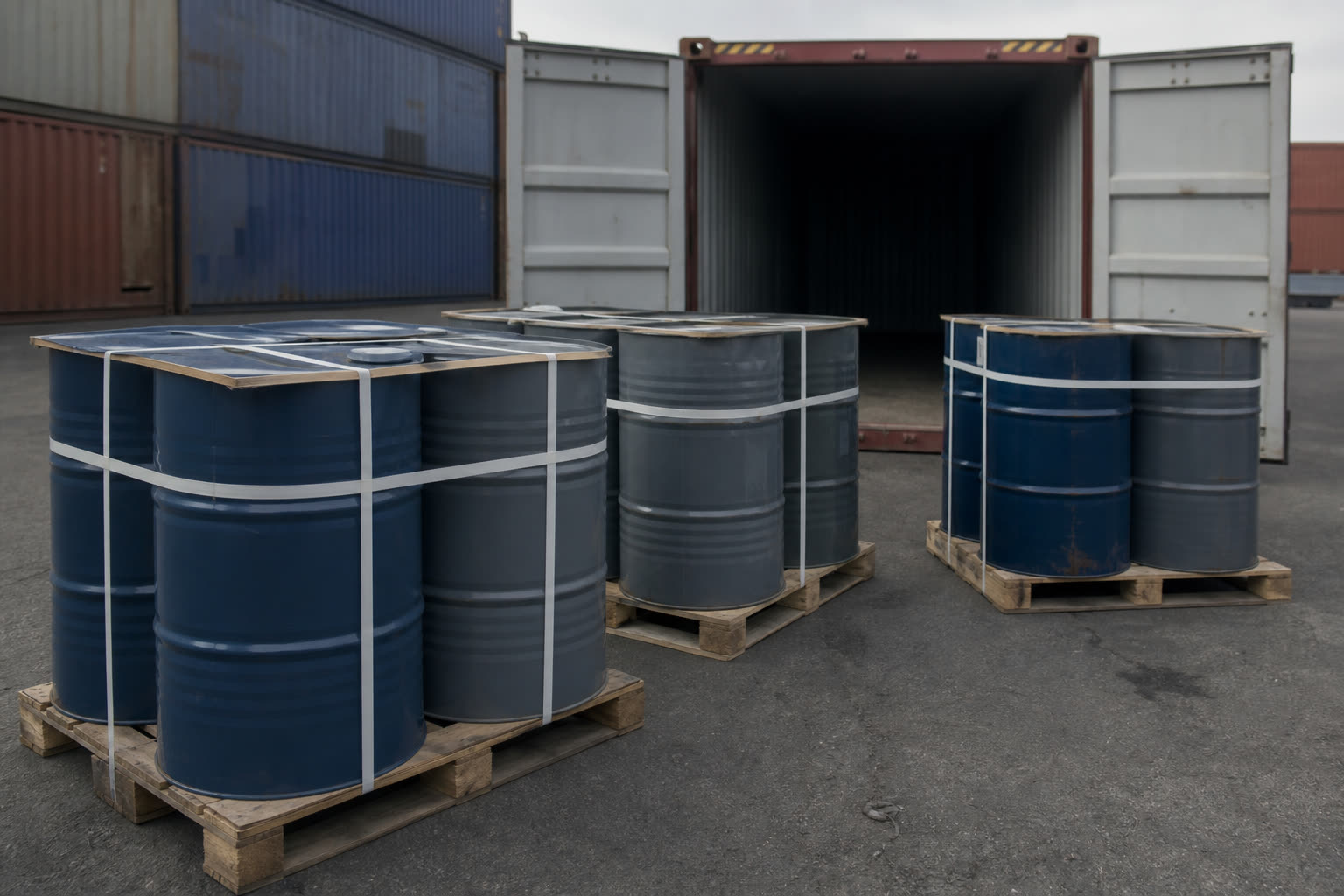
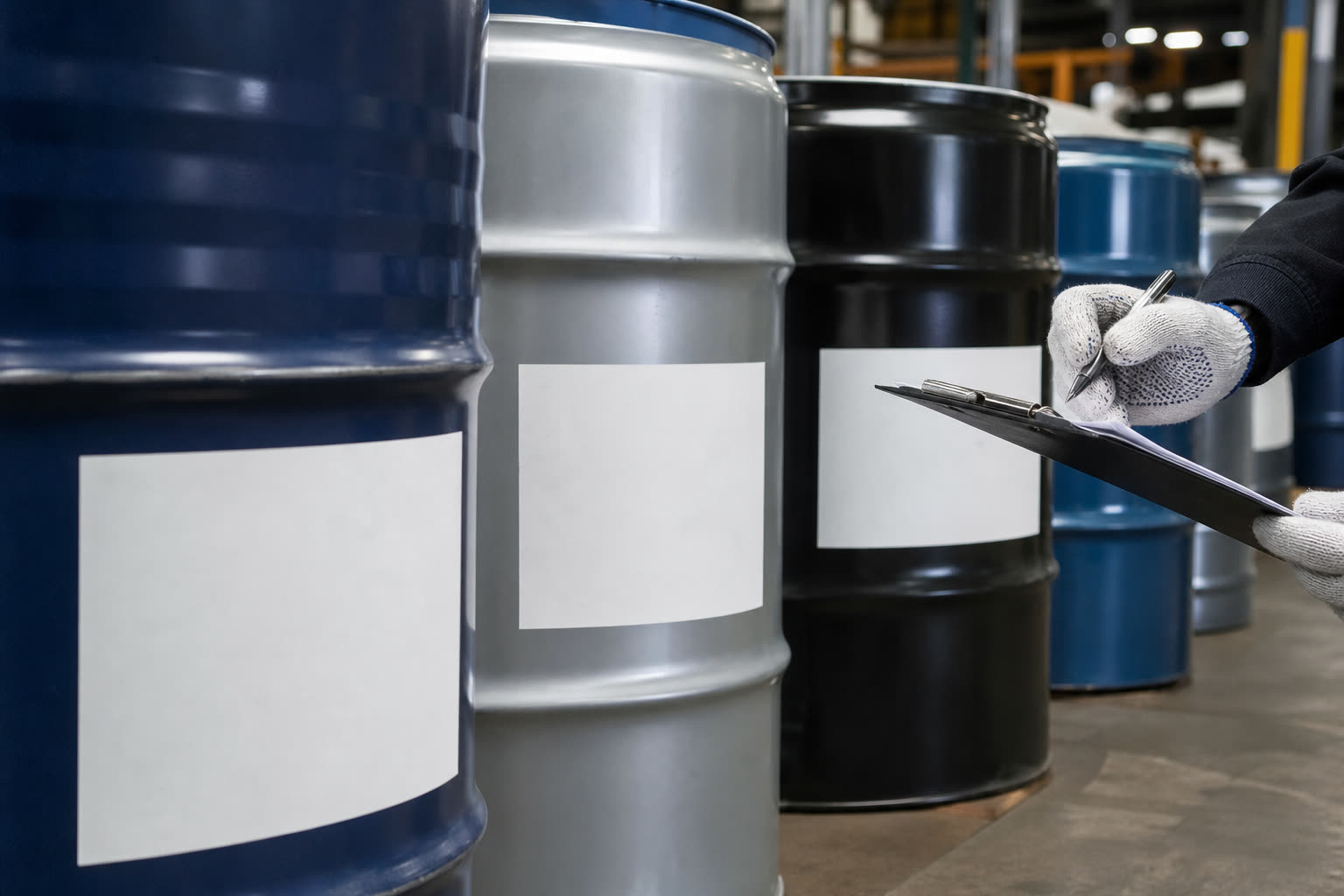
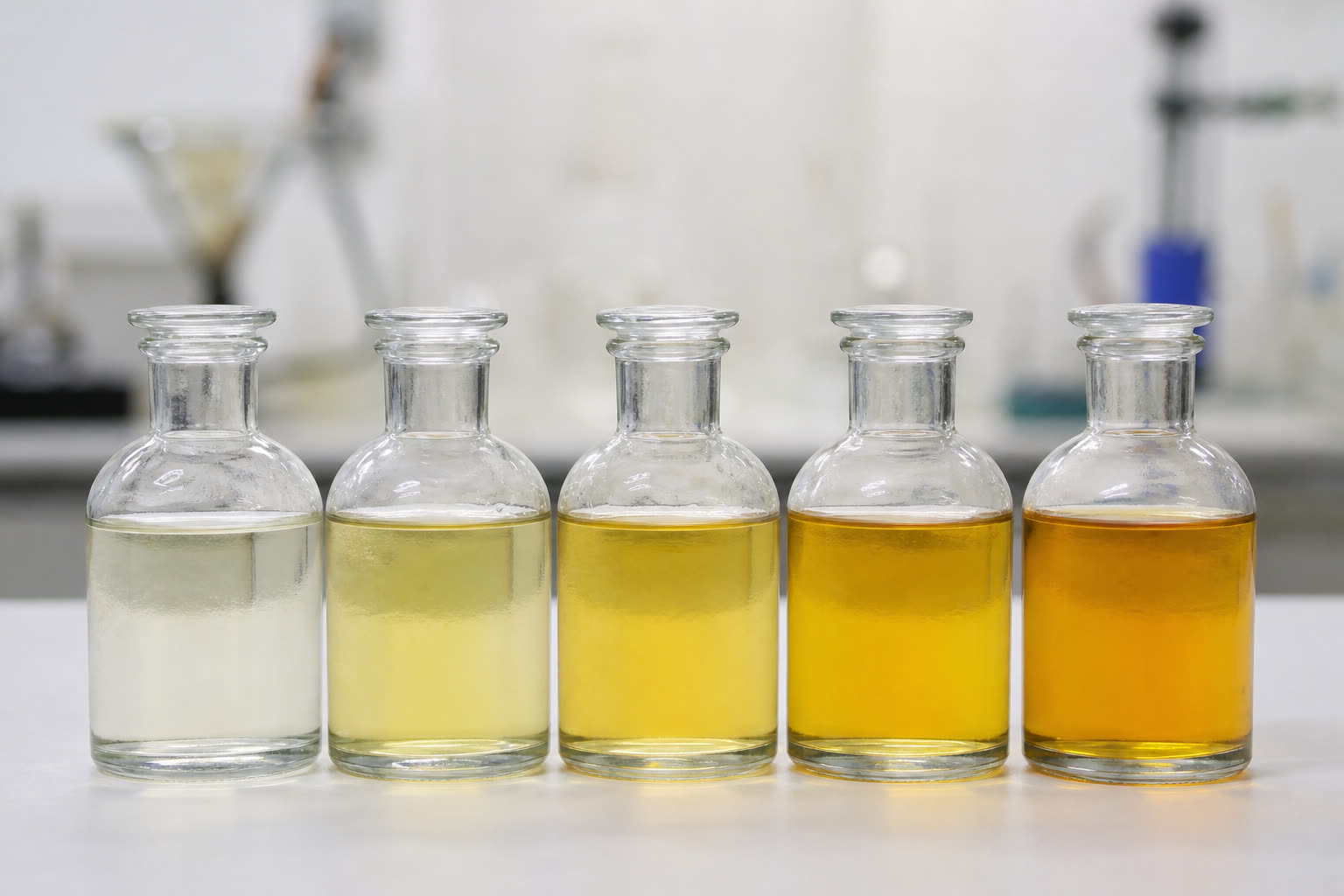
Our pine oil is supplied in 200 litre mild steel barrels from our Kanpur plant. Standard analysis covers terpineol content by gas chromatography, specific gravity, refractive index, colour (APHA or Gardner), and flash point. We can also arrange analysis for residual turpentine fractions and heavy ends that affect odour and compatibility in sensitive formulations. Sample quantities are available for bench evaluation before a production order is placed. We export pine oil to customers in the US, Thailand, Indonesia, and China alongside domestic supply. See also our post on pine chemicals in decorative paints for a broader view of where pine-derived materials sit in the paint stack.
To enquire about pine oil supply for your emulsion paint or coating operation, contact Yash Agarwal at info@shadeshinepine.com or +91 96965 09933. We are happy to provide specifications and pricing for the volumes your operation requires.