Pine oleoresin gives the paints industry two entirely different classes of raw material: volatile solvents that carry and thin the paint, and solid or semi-solid resins that help build the film. We have been distilling both at our Kanpur plant since 1980, and we see how formulators in every segment of the decorative market reach for them at different stages of a batch.
What Does Gum Turpentine Actually Do in a Paint?
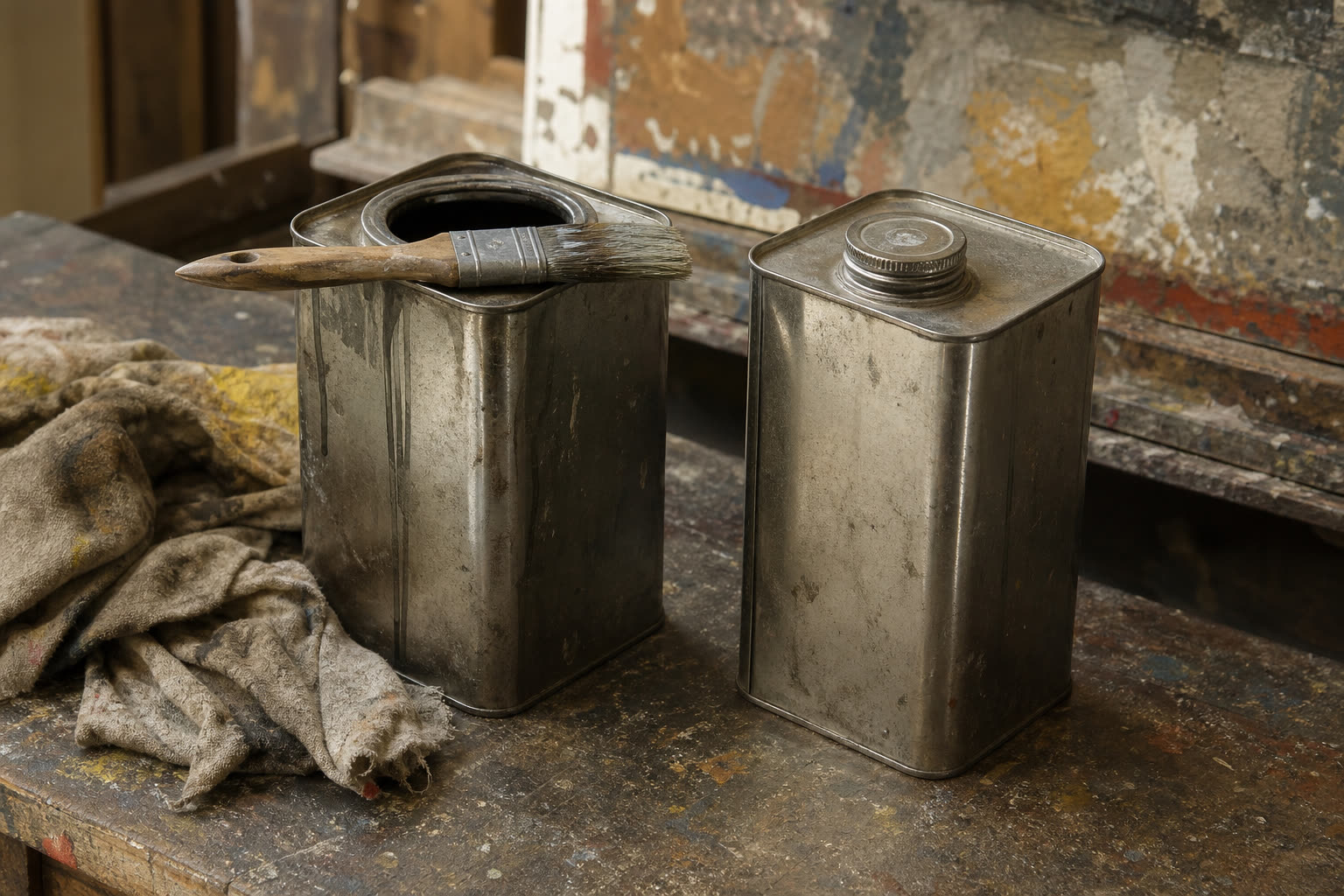
Solventborne decorative paints, from the everyday alkyd gloss used on doors and grilles to the metal primers applied in new construction, need a carrier that dissolves the binder, reduces viscosity to a brushable consistency, and then leaves the film cleanly as it dries. Gum turpentine oil has served this role for well over a century. Its main components, alpha-pinene and beta-pinene, are excellent solvents for natural resins, alkyd resins, and drying oils. The evaporation rate is moderate enough to give paint good open time and levelling without leaving the surface tacky for too long. Mineral turpentine oil (white spirit) displaced it in cost-sensitive volume applications through the second half of the twentieth century, but gum turpentine still commands a place wherever natural-origin raw materials matter or where solubility for harder resins is the deciding factor.
Where Does Pine Oil Come In?
Pine oil is not a primary solvent or a film former, but it earns its place in a paint formulation as a secondary functional additive. In water-based architectural paints it acts as a wetting and flow aid, helping pigment particles disperse evenly without requiring high shear. Small additions, typically one to three percent by mass, can also suppress foam in high-speed mixing and provide a mild, clean fragrance that covers the sometimes harsh odour of raw latex. Our pine oil grades typically carry 65 percent or higher terpineol content, which is the fraction most active as a wetting agent. Paint makers running emulsion lines find it worth screening alongside conventional surfactant packages, especially in economy-grade paints where cost pressures restrict the surfactant budget.
How Does Rosin Fit Into the Resin System?
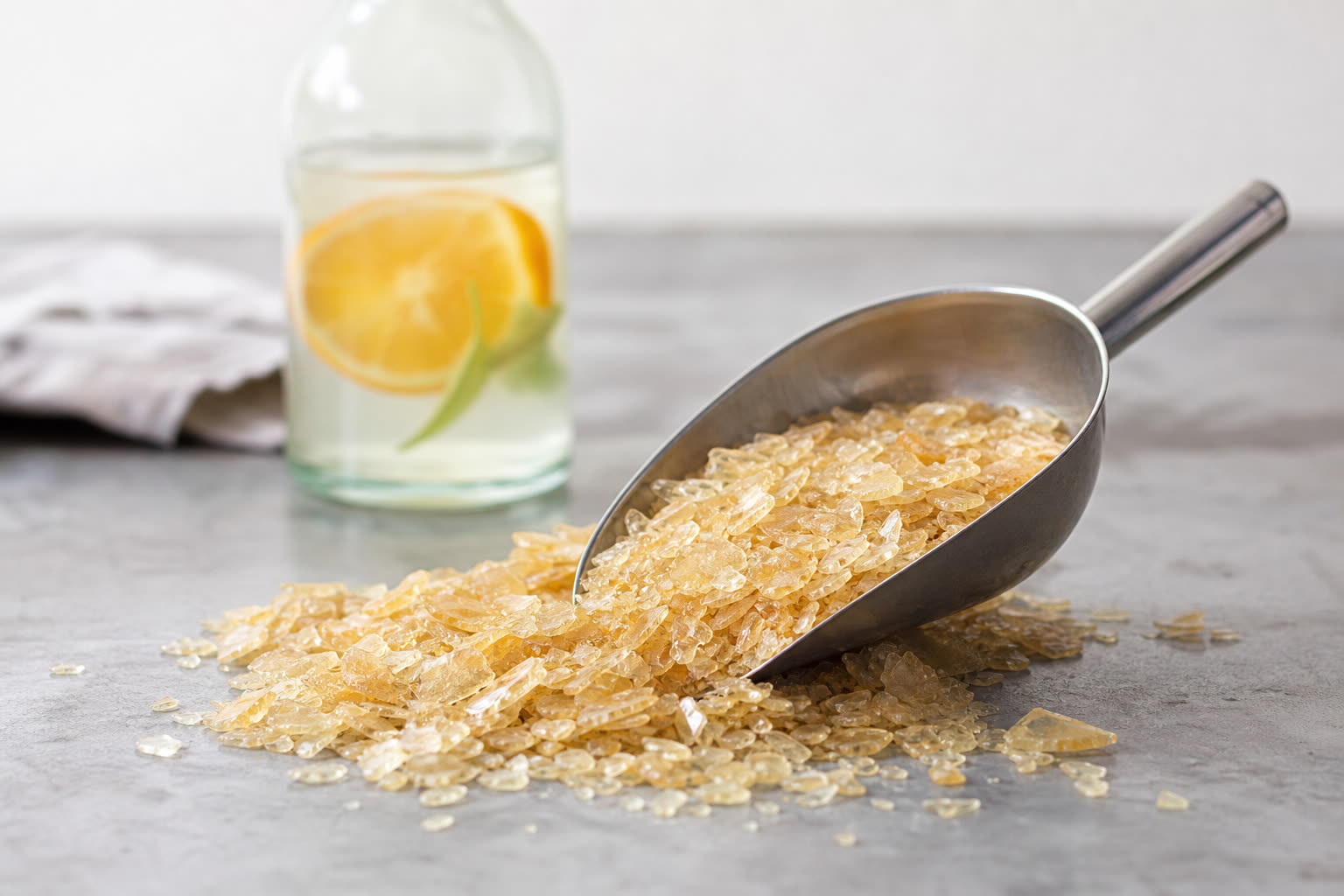
Raw gum rosin cannot be used directly as the sole binder in a paint. It is too brittle, too acid, and prone to severe discolouration and water sensitivity. What makes it commercially important for decorative coatings is what happens after it is cooked into an ester or used to modify an alkyd backbone. Rosin-modified alkyd resins combine the fast-drying character and tack of rosin with the flexibility and durability of an oil-modified polyester chain. These rosinated alkyds are widely used in gloss enamels, primers, and low-cost decorative finishes across India. The lighter colour grades of gum rosin, WW and WG in the ASTM colour scale, go into pale varnishes and clear finishes where the finished product must not show yellow. Darker grades like M or K are fine for red oxide primers or strongly pigmented topcoats where colour in the resin is invisible after pigmentation.
What About Dipentene in Paint Formulations?
Dipentene, which is the racemic form of limonene produced as a co-product of turpentine distillation, has a useful secondary role in alkyd and oil-based paint systems. It helps prevent the formation of a surface skin in cans during storage, slowing the oxidative crosslinking at the paint surface. Formulators working with short-oil alkyd systems sometimes add it at three to five percent to improve tolerance and reduce resin precipitation when diluting to application viscosity. It also contributes to pigment wetting. We supply dipentene in 200 litre barrels to thinner blenders and paint works across Uttar Pradesh, Rajasthan, and Maharashtra.
Can Terpineol Play a Role in Water-Based Paints?
Terpineol is the principal active component of pine oil and is also available as a separate, higher-purity product. Some water-based paint formulators prefer to use pure terpineol rather than crude pine oil when they want precise dosing of the wetting-active fraction without variable levels of other terpene impurities. In architectural emulsions destined for premium retail sale, the fragrance character of terpineol can be an ingredient claim in its own right. We supply terpineol alongside pine oil for buyers who want to choose their input based on function rather than blended composition.
Which Segment Uses the Most Pine Chemicals?
In volume terms, alkyd-based decorative paints remain the largest consumer of pine solvents in India. The enamel segment alone, covering gloss finish on metal windows, grilles, steel furniture, and architectural trim, uses significant quantities of gum turpentine and double-distilled turpentine oil as premium thinners. Interior wood finishes and varnishes add further demand. Water-based emulsion paints use less solvent overall, but the pine oil market in this segment has been growing steadily as formulators look for bio-derived functional additives. Our 46 years in the trade means we have seen these market shifts at first hand and can help a formulator who is new to pine-derived raw materials understand what to trial and in what order.
How Do We Supply Paint Works?
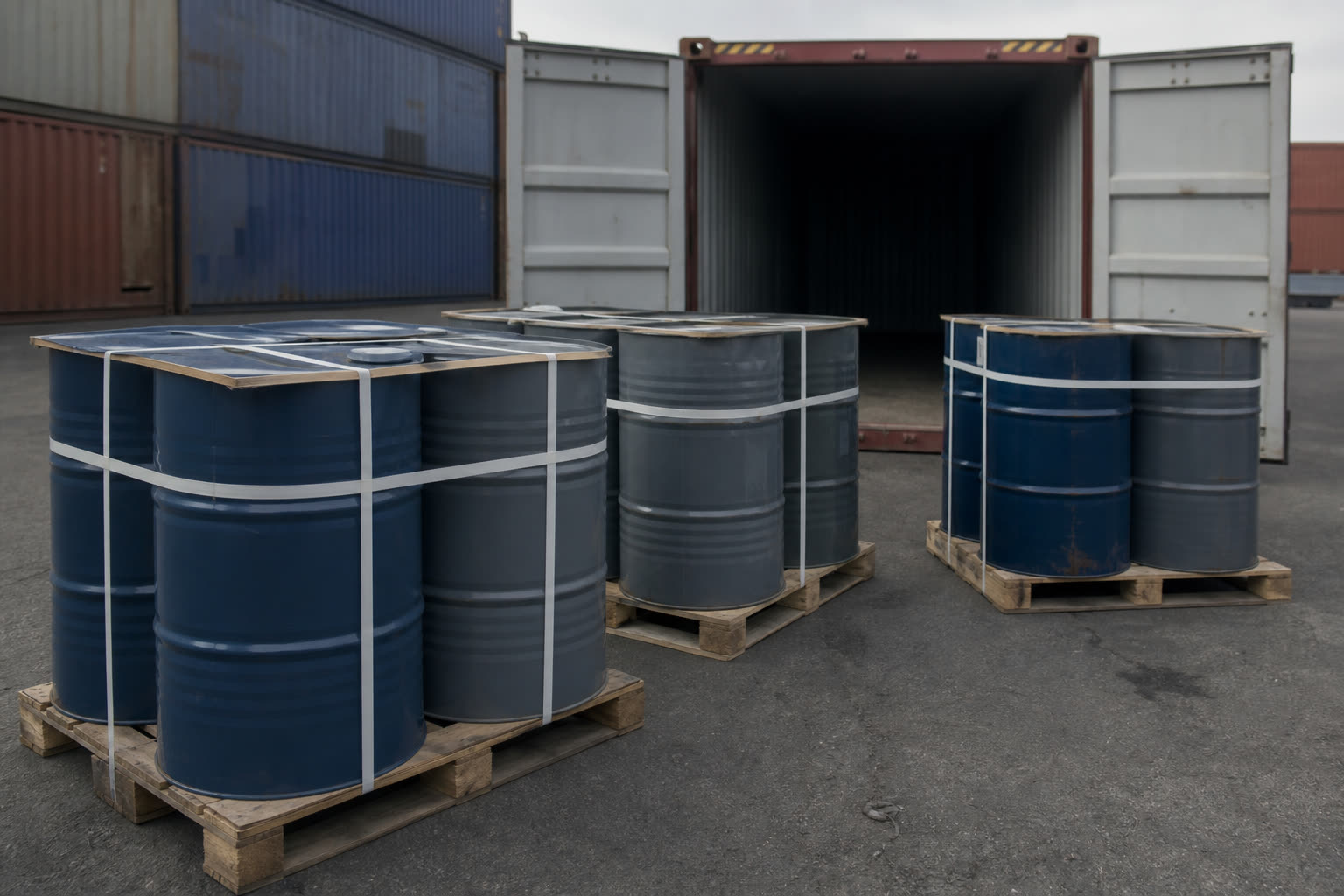
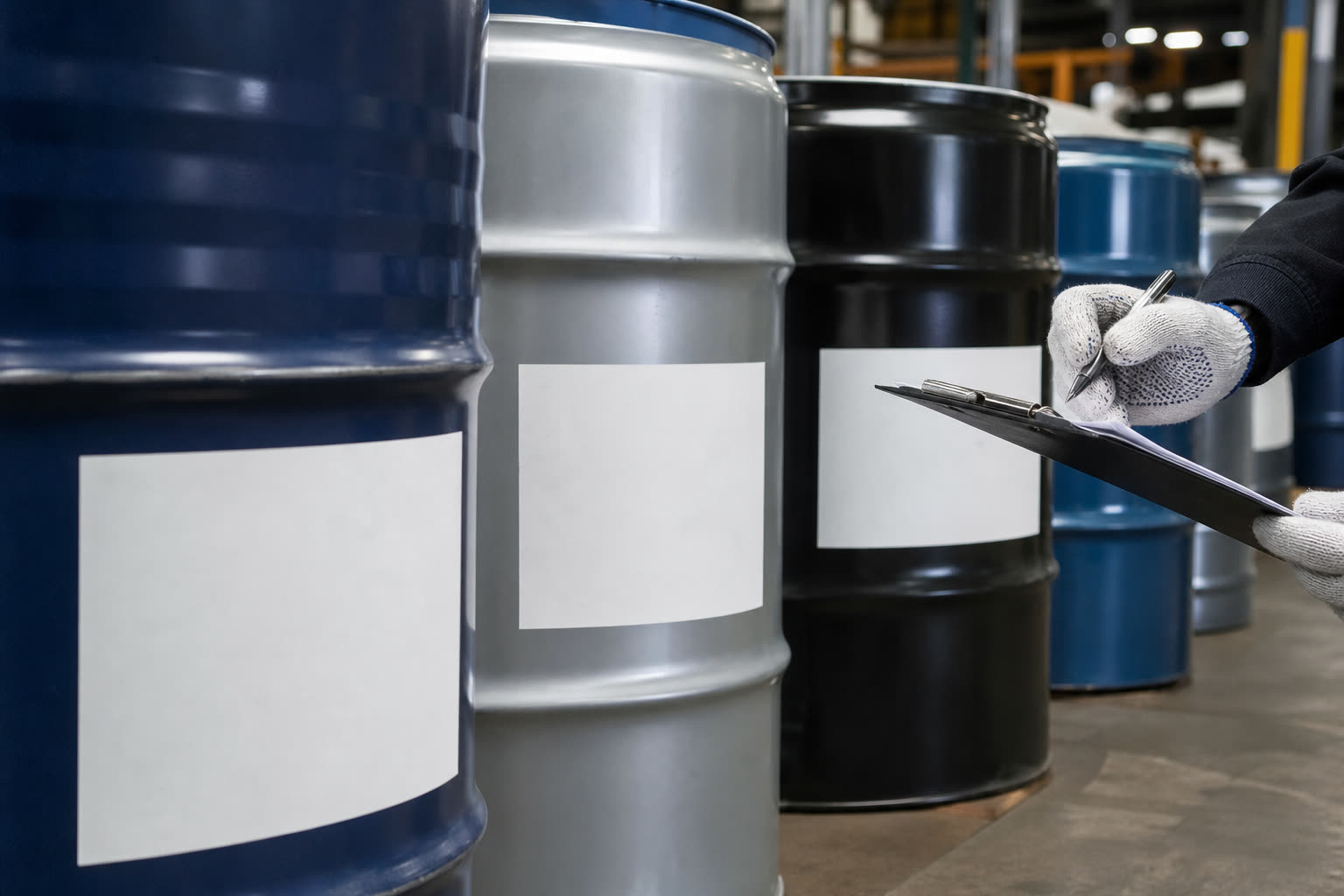
Our standard dispatch for liquid products is 200 litre mild steel barrels. For larger paint works with dedicated solvent handling, we can supply gum turpentine and double-distilled turpentine oil in road tankers of 12,000 to 18,000 litres. Solid rosin goes in 25 kg craft bags. We export to the US, Thailand, Indonesia, and China as well as servicing the domestic market. Samples for trial batches are always available on request.
If you are formulating a decorative paint or varnish and want to test our pine chemicals in your system, write to us at info@shadeshinepine.com or call Yash Agarwal on +91 96965 09933. We are happy to share typical specification sheets and to discuss quantities that suit your batch sizes.