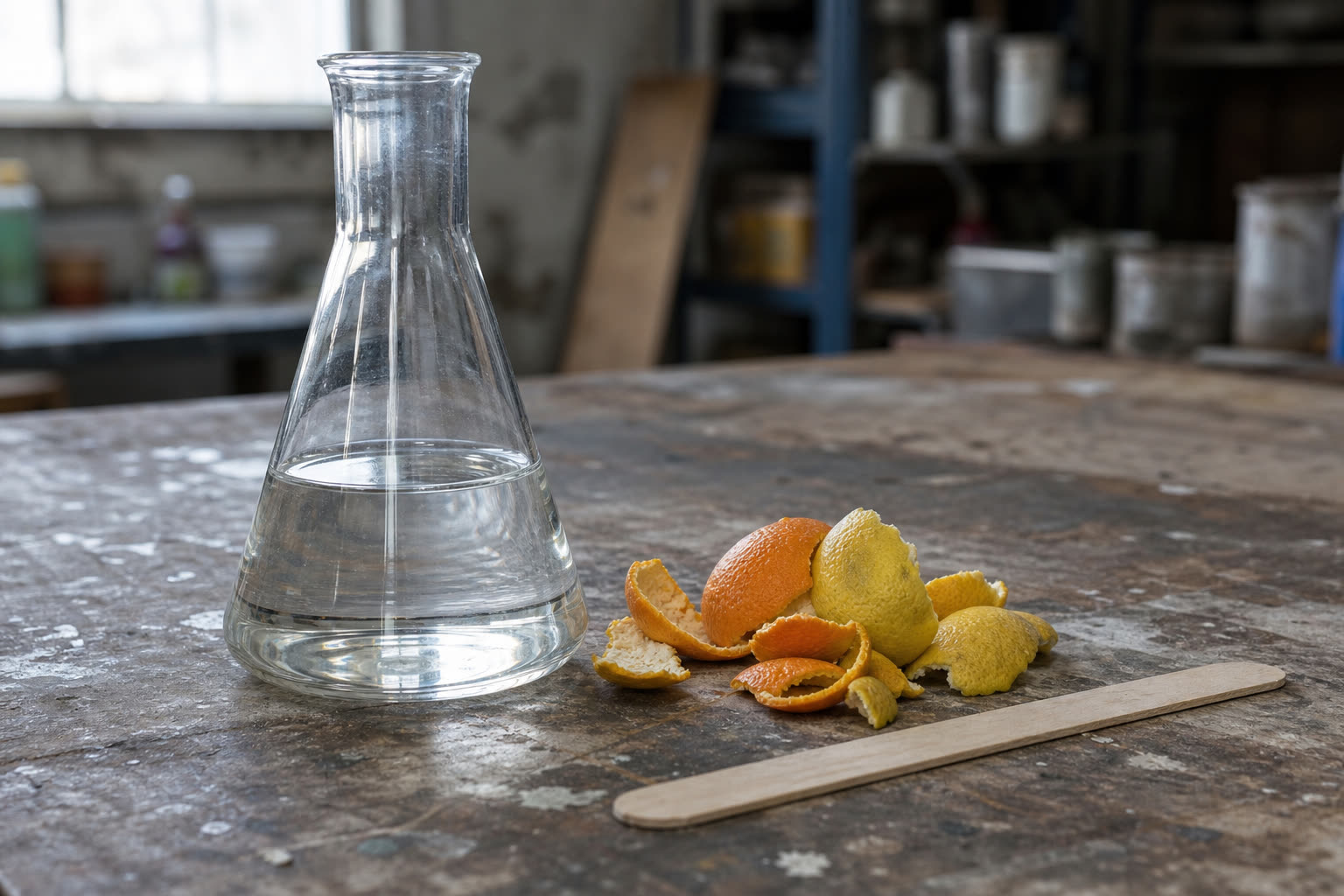
Dipentene is the racemic mixture of limonene isomers, a by-product of gum turpentine distillation. It comes off the distillation column alongside alpha-pinene and other terpene cuts, and we have been recovering and selling it since the early years of our Kanpur plant. Bureau of Indian Standards specification IS 644:1992 covers dipentene for paints, confirming its long-standing place in Indian coatings practice. In the trade it is sometimes listed as d-limonene, though dipentene is technically the racemic form and the two are not always identical in composition.
What Does Dipentene Do in an Alkyd Paint?
The most practical contribution of dipentene in a solventborne alkyd or oil paint is its anti-skinning effect. Oil-based paints and alkyd enamels dry by oxidative crosslinking: oxygen from the air reacts with unsaturated fatty acid chains in the film-forming resin, first forming a skin at the can surface. That skin traps the paint underneath, causes wrinkle defects on application, and wastes product. Dipentene interrupts this process at the surface, slowing the initial oxidation enough to give the paint practical in-can shelf life without the use of MEKO or other oxime-based anti-skinning additives that face increasing regulatory scrutiny in some markets.
The working dose for short-oil alkyd systems, where resin solubility can be more demanding, is generally up to around 20 to 25 percent of the solvent phase. For long-oil alkyds and most decorative gloss enamels, a much lower addition, in the range of 3 to 8 percent of the total formulation, is enough to observe a meaningful anti-skinning benefit. These figures reflect general trade practice rather than a universal specification, and the right dose for any given formulation should be confirmed by in-can stability testing.
Is Dipentene Also a Useful Solvent for Resins?
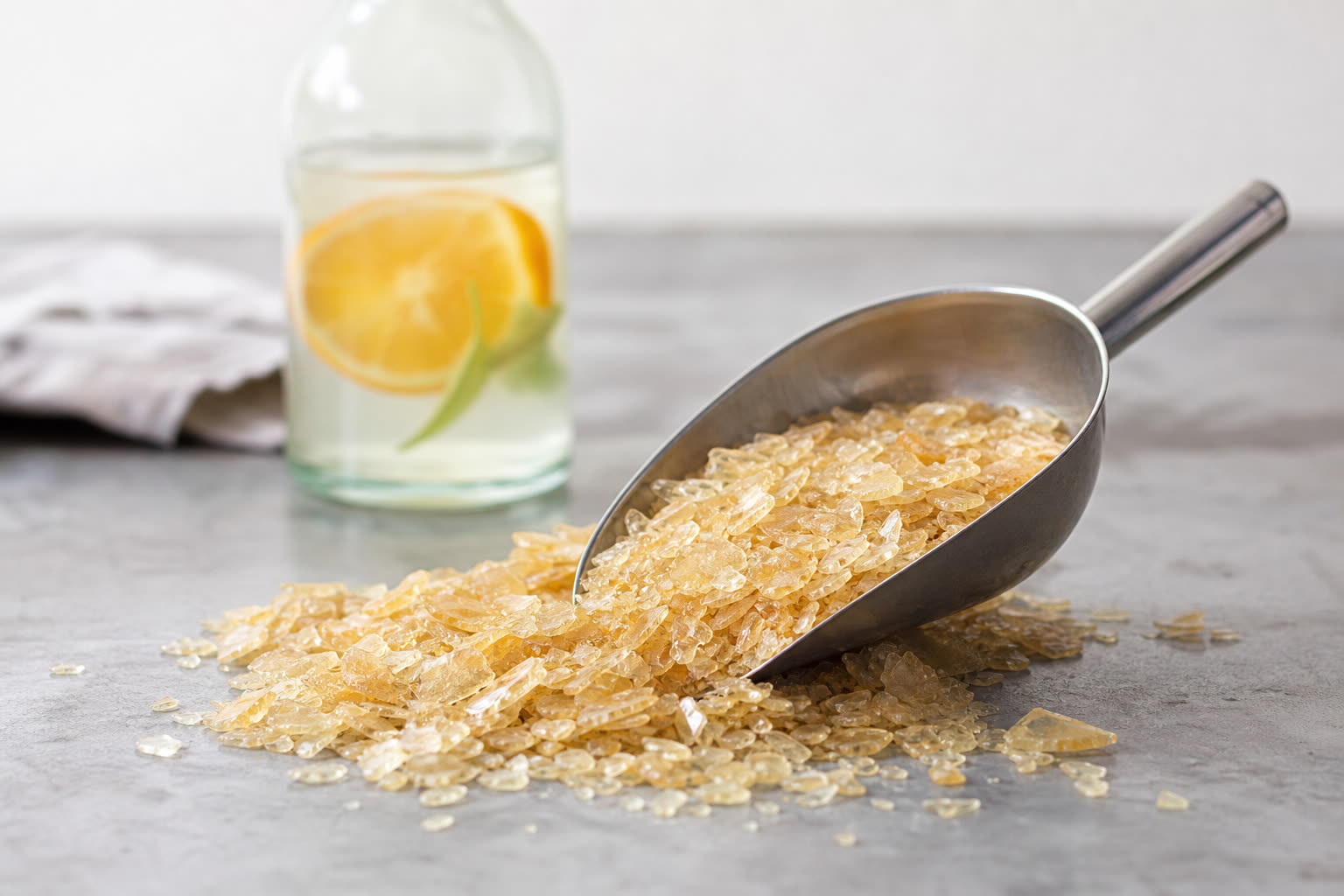
Yes, and this is where it earns its cost. Dipentene has reasonable solvency for alkyd resins, rosin and rosin esters, waxes, and rubber compounds. Its terpene character gives it better compatibility with natural resin systems than straight aliphatic solvents. In short-oil alkyd systems where some components have limited solubility in white spirit, dipentene additions can prevent resin dropout or precipitation during dilution, improving the working viscosity of the finished paint and reducing the risk of floating or flooding defects in pigmented systems.
Some thinner blenders in the Indian trade incorporate dipentene at five to fifteen percent alongside mineral turpentine or white spirit to produce a blend with broader resin compatibility and a terpene fragrance note. The resulting thinner is positioned between plain white spirit and full gum turpentine on both price and performance, which suits the middle segment of the decorative enamel market well.
How Does Dipentene Serve the Printing Inks Trade?
In solvent-based printing inks, dipentene serves primarily as a co-solvent and wetting aid. Gravure and flexographic ink systems based on nitrocellulose or polyamide resin use terpene solvents to improve consistency, reduce viscosity at press, and assist pigment wetting and dispersion. Dipentene is biodegradable and has a flash point around 42 degrees Celsius, which is broadly comparable to other terpene solvents used in the same context. Ink makers who have moved away from toluene-dominant vehicles for health and regulatory reasons sometimes incorporate dipentene as part of a terpene solvent blend to maintain the solvency profile of the original formulation.
Can Dipentene Replace Toluene in Paint Thinner Blends?
The shift away from toluene in paint thinner formulations has been a gradual but steady trend in the Indian trade, driven partly by occupational health awareness and partly by export customer requirements. Dipentene is not a direct drop-in replacement for toluene because its solvency parameters are different and it does not dissolve all the same resin systems with equal effectiveness. What it can do is replace a portion of the toluene or aromatic solvent in a blend while improving the fragrance profile and reducing the HAP content of the overall thinner. The practical substitution ratio and the compatibility with specific alkyd or resin systems must be confirmed by bench testing in the actual formulation, because generalised rules do not account for the specific binder chemistry involved.
What Should a Buyer Check in a Dipentene Specification?
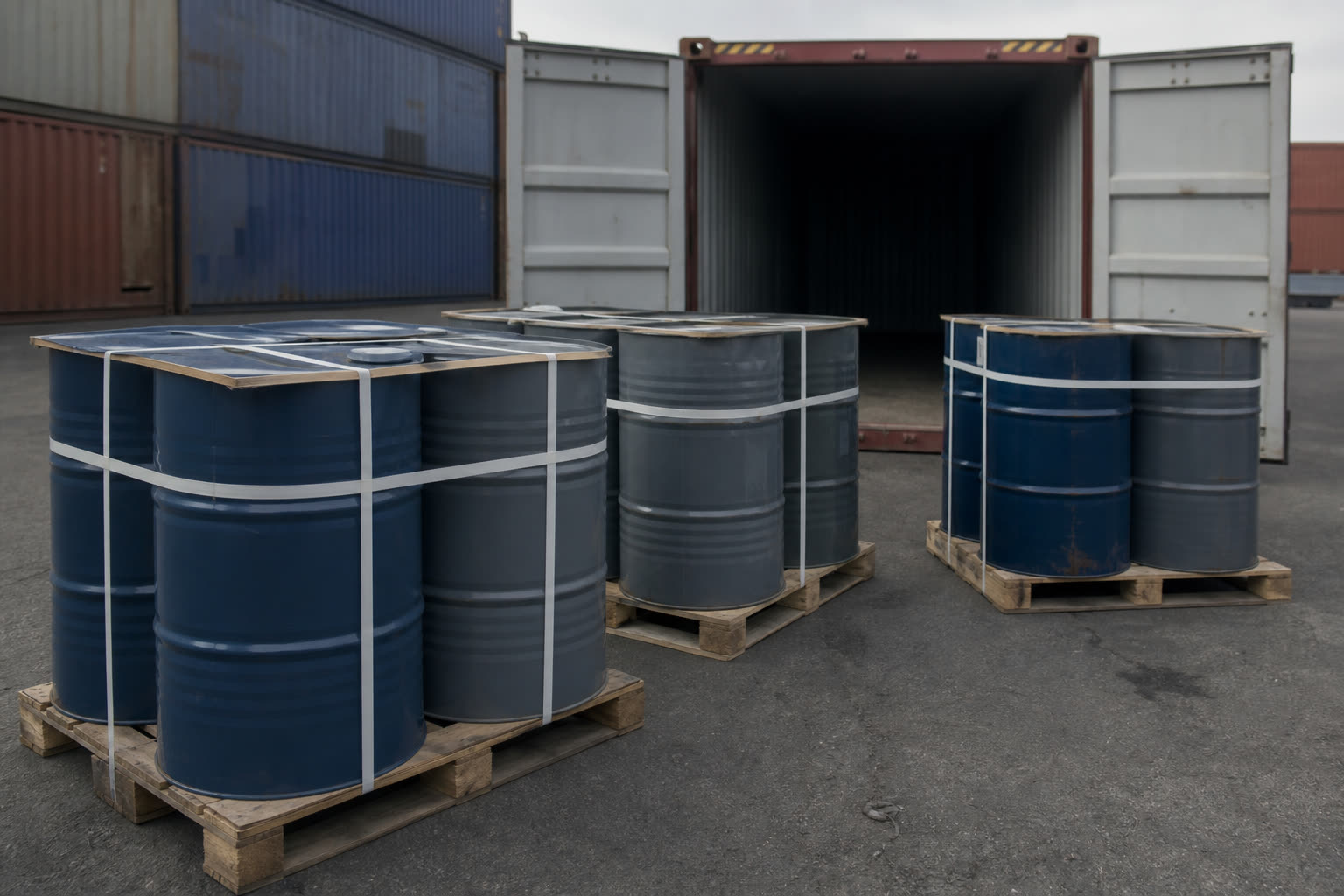
When buying dipentene for coatings use, the key parameters to verify are: terpene content by gas chromatography, colour (Gardner scale), specific gravity, flash point, and any residual turpentine-cut impurities that could affect odour or resin compatibility. IS 644 sets minimum assay requirements for paint-grade dipentene and is a useful anchor for domestic procurement. For export customers we can supply analysis against agreed specifications. Our dipentene is dispatched in 200 litre barrels from Kanpur, with samples available for trial evaluation.
How Does Dipentene Affect the Final Film Properties?
A question we hear from formulators trialling dipentene for the first time is whether it affects the hardness or gloss of the cured film. At the dosage levels used in practice, three to eight percent of the total formulation in a long-oil alkyd, dipentene evaporates during drying and does not remain in the finished film in significant quantity. Its effect on hardness and gloss development is therefore indirect rather than direct: by keeping the resin in solution longer and slowing the skin formation at the can surface, it changes the drying sequence slightly but does not alter the final crosslink density of a fully cured film. Some formulators observe marginally better flow and gloss in brush-applied finishes when dipentene is included, because the improved open time allows the film to level more fully before setting. This is a practical benefit worth confirming with your specific binder and application method before committing to a production addition.
Any Compatibility Cautions?
Dipentene is a good solvent for many natural rubber compounds, which makes it incompatible with certain natural-rubber-based seals and gaskets in dispensing equipment. Check the chemical resistance of any hose, pump seal, or connection that will contact it regularly. It is also flammable, with handling and storage requirements consistent with other Class 3 terpene solvents. Use it in ventilated areas and earth all metal transfer equipment before dispensing from drums. See our related post on solvent storage safety for a fuller rundown of drum-handling practice.
If dipentene sounds like a fit for your paint or ink formulation, we can arrange a sample dispatch from our Kanpur plant. Contact Yash Agarwal at info@shadeshinepine.com or +91 96965 09933. Established 1980, we supply across India and export worldwide.