Dihydromyrcenol, known in the trade as DHM, is the aroma chemical behind the clean fresh-lime note you recognise in most floor cleaners and liquid hand washes sold in India today. We supply DHM, DHM tops, and DHM tops white from our Kanpur works, and this post covers how the Indian cleaning-products trade actually uses these materials, including dosage practice and stability in surfactant systems.
What Makes DHM Smell the Way It Does?
DHM (2,6-dimethyloct-7-en-2-ol, CAS 18479-58-8) is a tertiary monoterpenoid alcohol. Its odour profile is fresh, clean, and lime-like with a light soapy background note. It does not smell of lemon zest or citrus peel in the way that citral or limonene do. The note is broader, softer, and more diffusive, which is exactly what makes it so useful in detergent and cleaner applications where you want the fragrance to spread through a room rather than sit close to the surface. This diffusive quality is one of the main reasons it became the standard fresh note in Indian floor cleaner formulations over the past two decades.
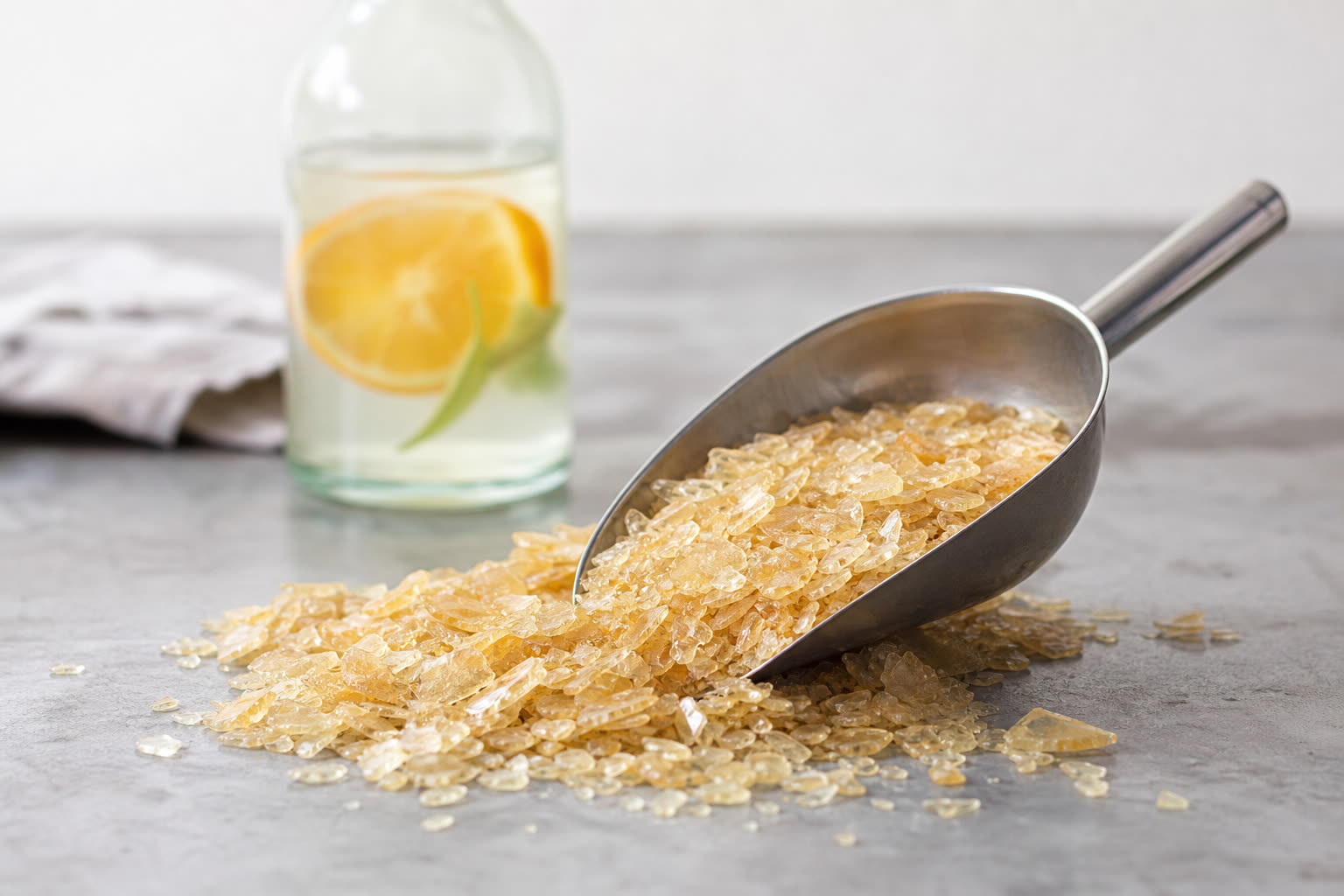
Pure DHM is a water-white to very pale liquid. DHM tops is the heads fraction from DHM distillation, carrying a lighter, more volatile character. DHM tops white is a further-refined tops cut with a cleaner colour profile and a brighter, crisper lime top note. Each has its place depending on the formulation requirements and price point of the finished product.
How Do Floor Cleaner Units Use DHM?
In floor cleaner formulations, DHM or DHM tops is typically blended into the fragrance composition rather than added neat to the surfactant base in large amounts. The fragrance compound containing DHM is then incorporated into the cleaner at the dosage level established through bench trial. This gives the formulator control over the full odour character of the product, not just the DHM fraction.
As a general guide grounded in trade practice, DHM contributes effectively to floor cleaner blends at relatively modest dosages. The objective in a floor cleaner is freshness on dilution and a clean residual note after the floor dries, not a heavy chemical odour straight from the bucket. When working with a lime or fresh-green accord for a floor cleaner, DHM or DHM tops typically forms a meaningful fraction of the fragrance blend, combined with other modifiers that round the lime character and add longevity.
We recommend that any unit new to DHM runs a small dosage ladder on the bench before committing to a production batch. DHM has a strong and distinctive odour that can tip into a harsh or soapy direction at elevated use levels in some surfactant systems, particularly those with high electrolyte content. The right level is the one that reads as clean and fresh at the dilution the consumer uses, not the one that smells most intense from the drum.
What About Hand Wash and Liquid Detergents?
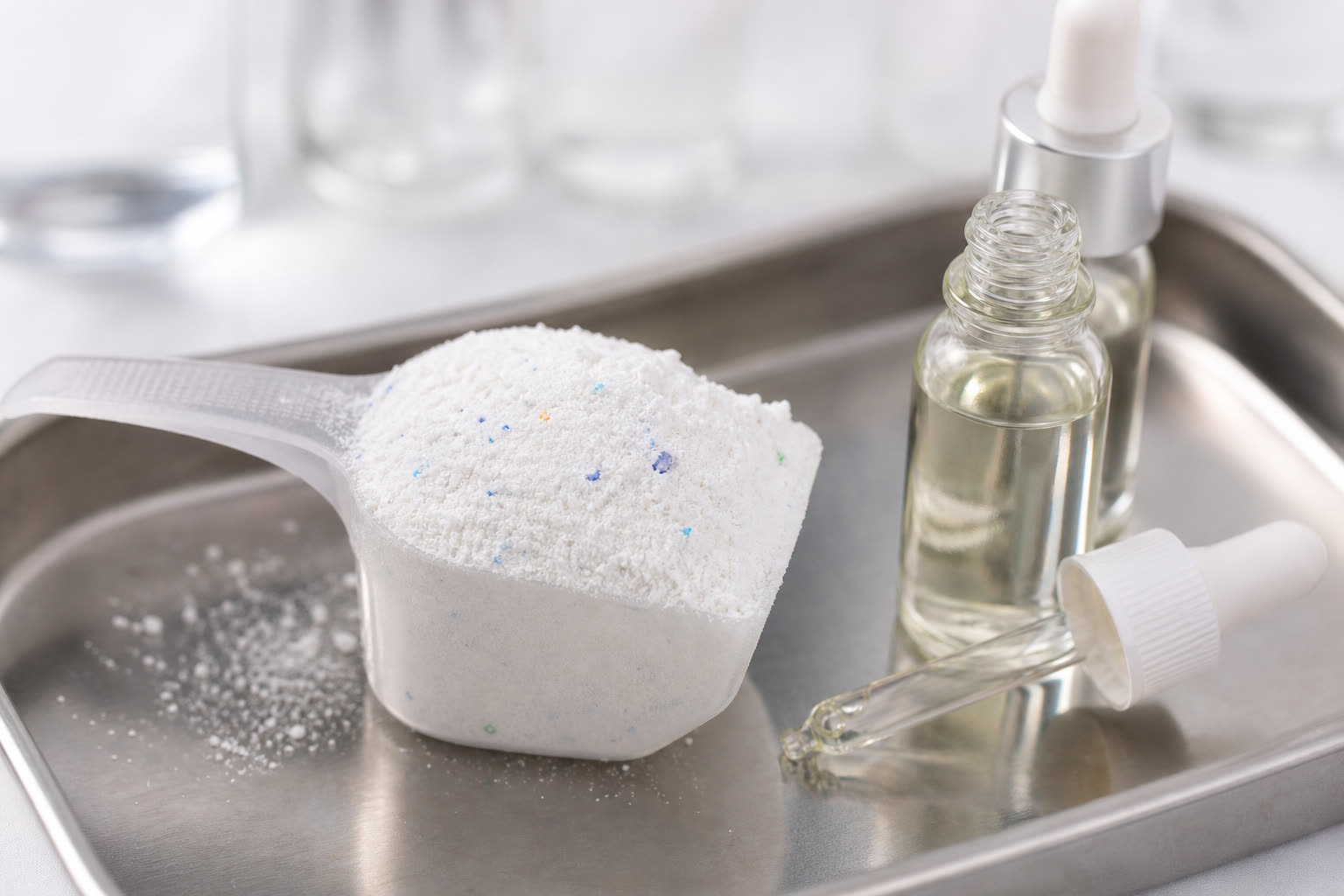
DHM is widely used in liquid hand washes and light-duty liquid detergents across the Indian market. In hand wash formulations, where the fragrance must survive contact with skin, lathering, and rinsing, DHM's moderate substantivity means it contributes primarily to the rinse-off fresh note rather than leaving significant fragrance on skin after washing. This is actually desirable for a functional hand wash: consumers want to feel clean, not perfumed.
In liquid detergent bases, DHM is chemically stable across the pH range typical of most surfactant systems used in India, roughly pH 6 to 10. Unlike some ester-based fragrance materials, it does not saponify in alkaline detergent bases. This stability over time, including under moderate temperature cycling during storage, is another reason DHM became the industry default for lime-type notes in Indian cleaning product formulations.
For hand wash applications, units generally find that the effective DHM dosage in the fragrance blend is somewhat higher than in floor cleaner, because a larger fraction of the fragrance is lost to rinsing and the consumer expectation for fragrance intensity during the washing action is higher. Bench trialling at your target fragrance load is the only reliable way to establish the right level for your specific base and your target consumer.
DHM Tops vs DHM Tops White: Which to Use?
DHM tops carries the lighter, more volatile portion of the DHM odour. It is typically priced below pure DHM and works well in budget and mid-range floor cleaner concentrates where raw material cost per litre is a central concern. The fresh lime note is present and pleasant, though somewhat less full and rounded than pure DHM.
DHM tops white is the colour-refined version. Units formulating transparent or lightly tinted products such as clear floor cleaners, glass cleaners, or premium hand wash bases prefer DHM tops white because it introduces no colour tint that could affect the appearance of the finished product. The odour profile is bright and clean, and the colour specification is tighter than standard DHM tops. For branded products where pack appearance is closely controlled, the colour consistency of DHM tops white is worth the modest additional cost.
Stability in Surfactant Systems
We are often asked whether DHM or the tops fractions will cloud, phase-separate, or discolour in SLES or LABSA-based surfactant systems. In our experience, DHM and its tops fractions are compatible with the systems commonly used in Indian phenyl, floor cleaner, and hand wash work. However, compatibility must always be verified by bench test in your specific system, particularly if you are using high electrolyte levels to thicken the base or if your formulation sits at the alkaline end of the pH range.
Adding DHM or the tops fraction pre-blended with the full fragrance composition, rather than as a neat addition after the surfactant base is complete, generally gives better dispersion and more consistent batch-to-batch character. Temperature at the time of addition also matters: adding fragrance materials to a hot base above roughly 50 degrees Celsius will drive off the more volatile top notes from DHM and flatten the fresh character of the final product.
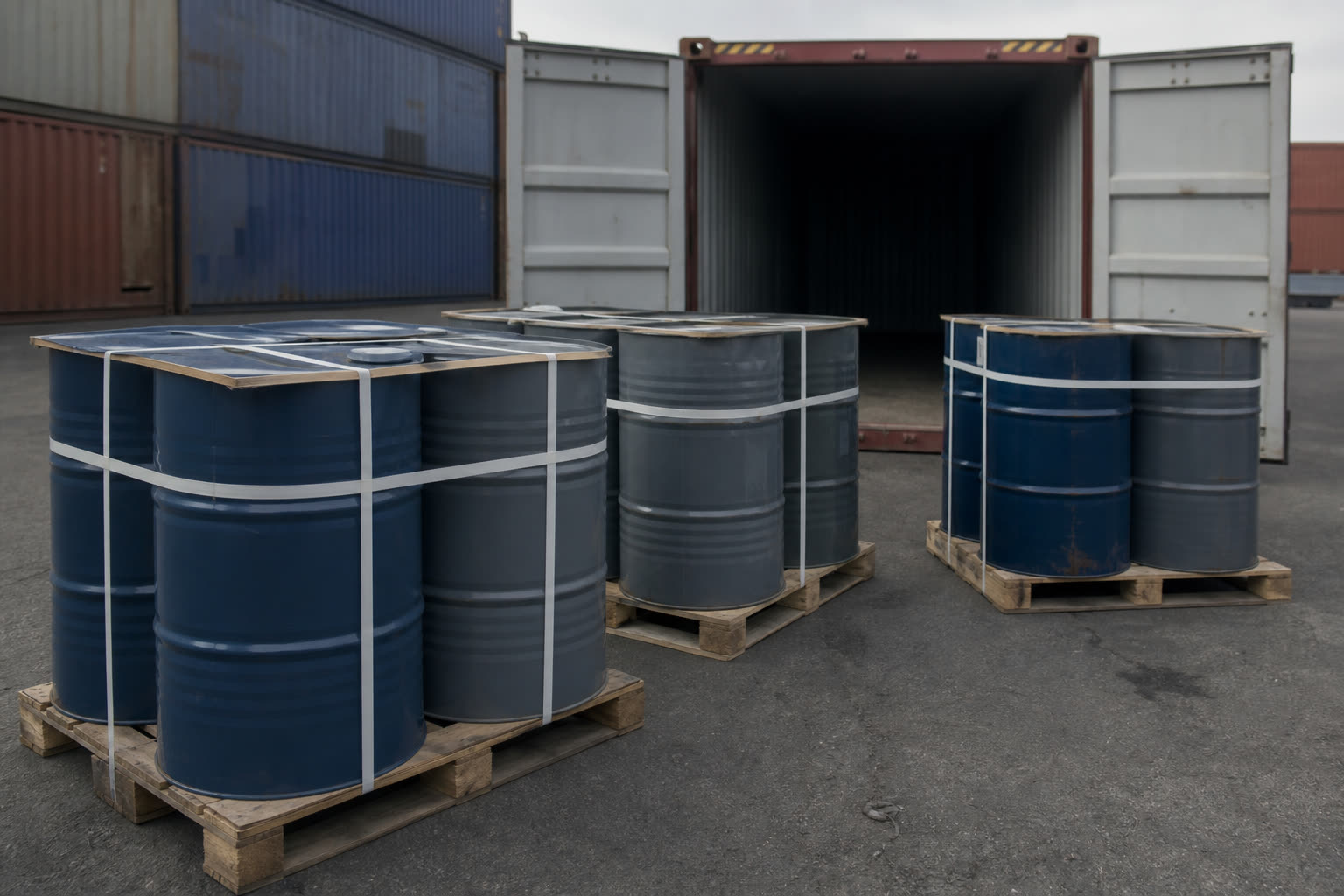
For a broader look at how DHM fits into complete detergent fragrance systems, see our blog post on dihydromyrcenol in detergents. If you are a floor cleaner or hand wash unit across India wanting to trial our DHM, DHM tops, or DHM tops white, call Yash Agarwal at +91 96965 09933 or write to info@shadeshinepine.com. We supply in 200 litre barrels and can discuss smaller trial quantities for new accounts.