Choosing the wrong solvent for a wood varnish costs money in ways that are not always obvious until the batch is on the wood. A varnish that looks fine in the can may cloud on application, take twice as long to dry as the label claims, or leave a surface that polishes unevenly. We have supplied solvents to furniture finishers and varnish makers across India since 1980, and the terpene solvent questions we hear most often centre on two decisions: gum turpentine versus double-distilled, and whether dipentene or pine oil has a place in the system.
Why Do Wood Varnish Makers Prefer Gum Turpentine Over White Spirit?
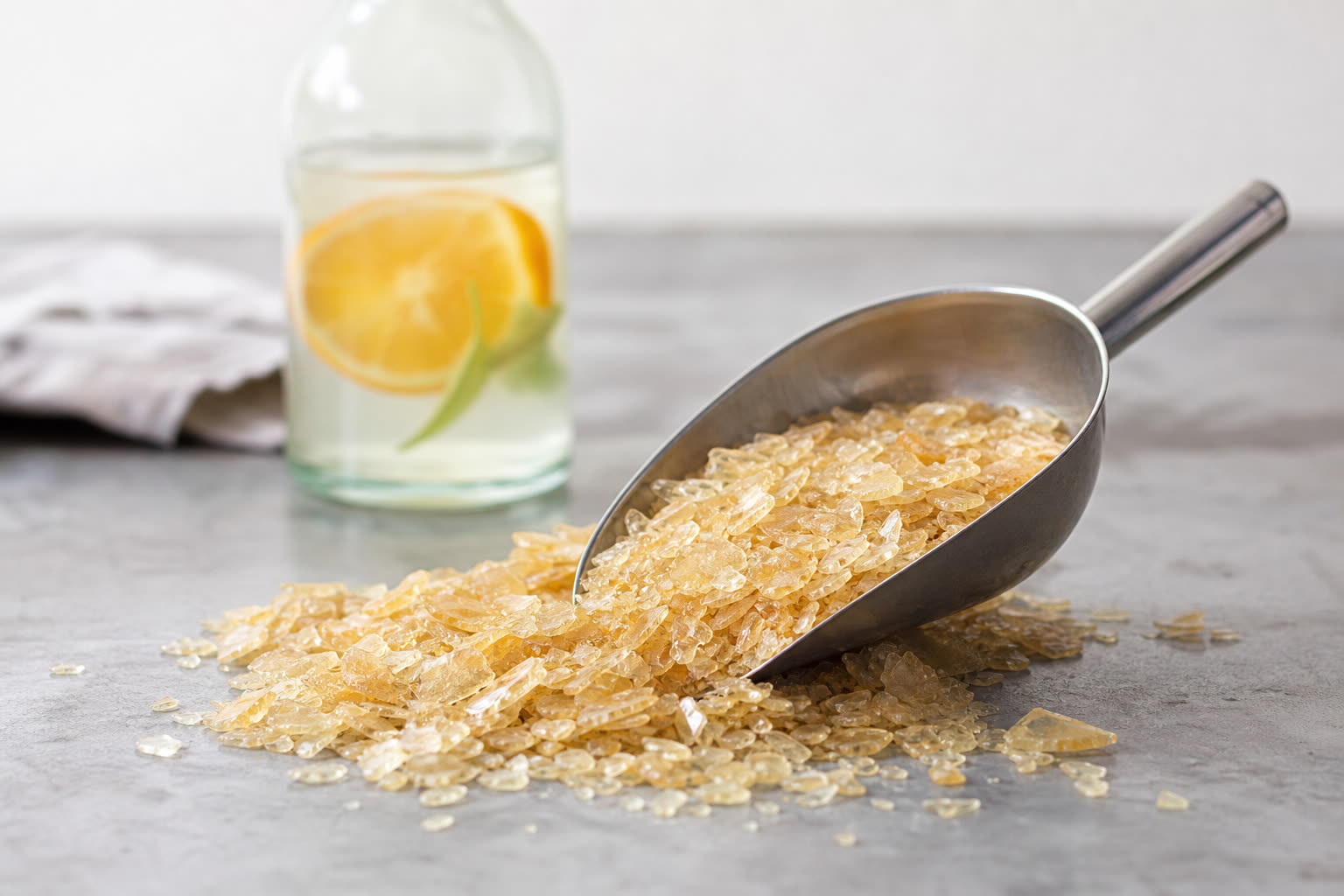
Natural resins used in traditional wood varnishes, including damar, shellac, and copal, have limited or inconsistent solubility in aliphatic petroleum solvents. Gum turpentine, with its kauri-butanol solvency value around 56, dissolves these resins cleanly and gives a clear solution without the cloudiness that can appear when white spirit is used as the sole solvent. Alkyd-based wood varnishes are less demanding, but even here gum turpentine's terpene character gives better wetting of the wood surface, which translates to improved grain penetration and adhesion on tight-grained hardwoods like teak and rosewood. The natural pine fragrance is also valued in premium furniture finishes sold to retail customers who associate the smell with quality wood care.
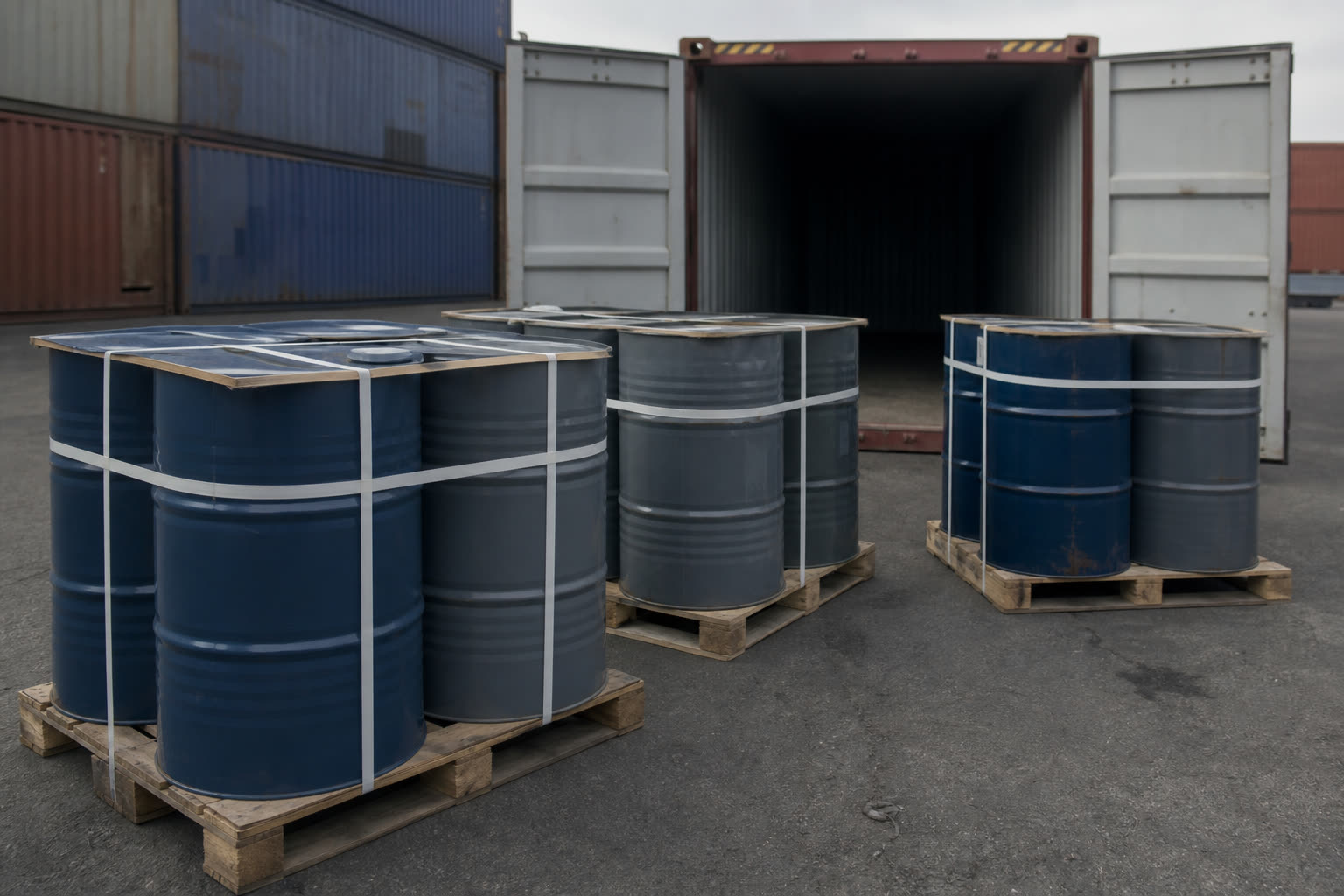
Our gum turpentine oil is produced from oleoresin through steam distillation at our Kanpur plant. It is supplied in 200 litre barrels for varnish works and can also be dispatched in road tankers of 12,000 to 18,000 litres for larger operations.
When Should You Specify Double-Distilled Turpentine Instead?
Double-distilled turpentine oil, which we refer to as DDTO, is produced by redistilling gum turpentine to remove heavier residual fractions and obtain a higher alpha-pinene content with better colour and consistency. For pale or water-white varnishes where even a slight yellow tinge in the solvent would shift the finished coat colour, DDTO is the correct specification. It is also specified by varnish makers who want a more consistent evaporation profile from batch to batch, because the redistillation reduces variability in the heavy tail of the boiling range. French polish makers and producers of clear lacquers for light wood species use DDTO routinely.
What Role Does Dipentene Play in Wood Finishes?
Dipentene's most useful contribution to a wood finish or varnish is its effect on in-can skin formation combined with its role as a slow-evaporating terpene co-solvent. A small addition of dipentene, in the region of three to eight percent of the total solvent blend, extends the open time of an alkyd varnish without compromising final dry time significantly. This is useful in brush-applied clear finishes where a longer open time reduces brush marks, especially in warm conditions where gum turpentine alone evaporates quickly. Dipentene also prevents the resin precipitation that can occur in concentrated varnishes stored or used in cold weather, because its slightly different solvency parameter keeps hard resin components in solution at lower temperatures.
Our dipentene is available in 200 litre barrels and is dispatched with analysis covering GC terpene composition, colour, specific gravity, and flash point.
Does Pine Oil Have a Place in Wood Polish Formulations?
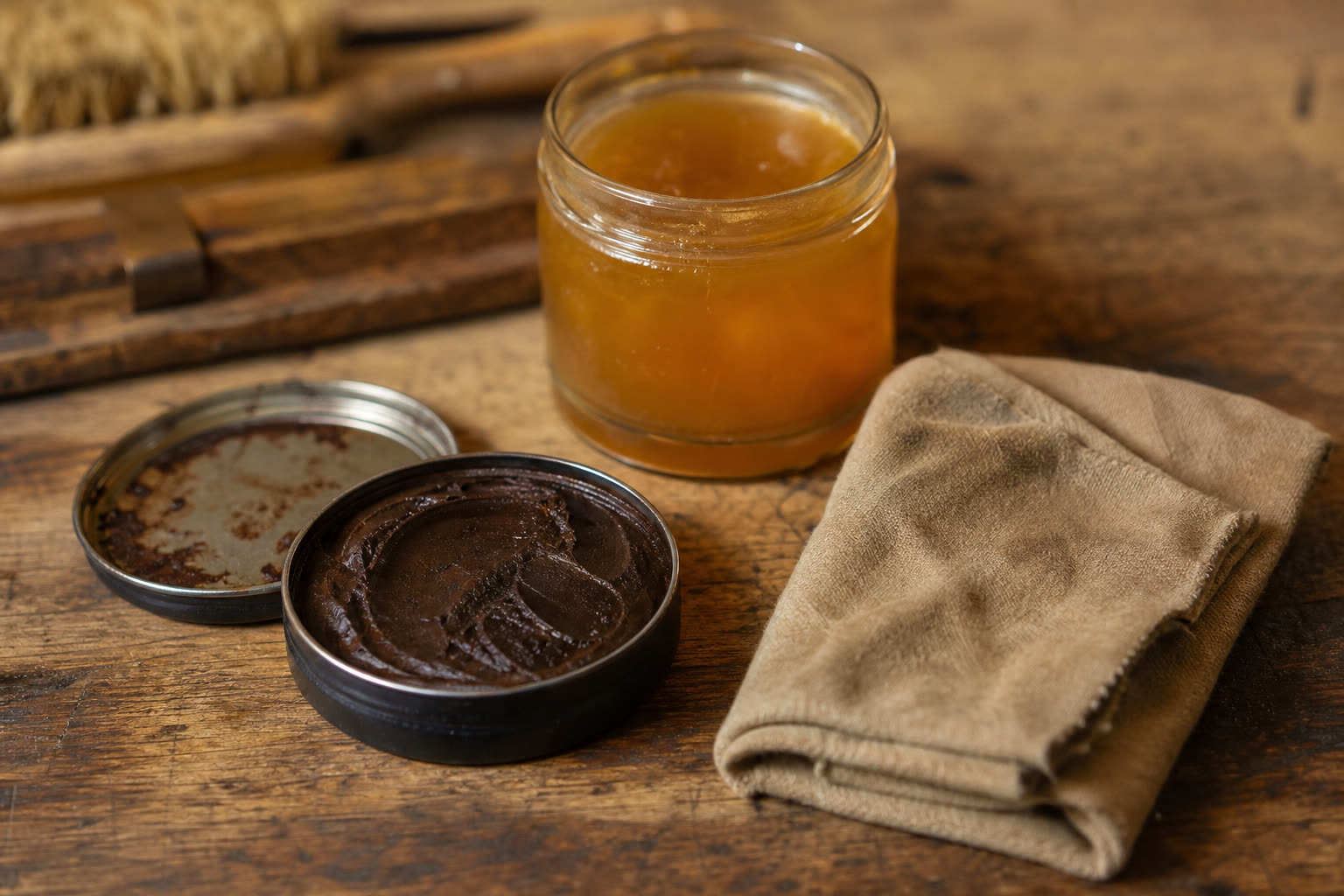
Pine oil is not a film-forming resin solvent in the sense that turpentine is, but it appears regularly in wood polish and furniture care products for two reasons. First, as a wetting and spreading agent, pine oil helps a polish spread evenly across wood grain, particularly on open-grained timbers where a surface tension mismatch between the polish vehicle and the wood would otherwise cause uneven coverage. Second, it contributes a clean, woody fragrance that is valued in furniture care products sold through retail channels. Typical addition levels in polish formulations run from one to five percent, with higher additions reserved for products sold on the strength of their fragrance rather than purely on film-forming performance.
Our pine oil grades at 65 percent plus terpineol content, which is the threshold most polish formulators look for as an indicator of active wetting performance.
What About Alpha-Pinene as a Pure-Grade Solvent for High-End Finishes?
Some specialist wood finish makers in Europe and the US have moved beyond standard gum turpentine toward higher-purity alpha-pinene cuts for applications where consistent composition and reproducible drying behaviour are critical. Alpha-pinene at 95 percent purity or above gives a more predictable evaporation profile than the mixed-terpene composition of standard gum turpentine and behaves more uniformly in sensitive applications such as transparent grain-filling lacquers and penetrating oils. We produce and supply alpha-pinene at 95 percent purity from our Kanpur plant for customers who need this level of consistency. For most decorative varnish applications in the Indian market, standard gum turpentine delivers fully adequate results at a much lower price, but it is worth knowing the higher-purity option exists for export-oriented or specialist production.
How Should Solvent Blends Be Structured for Different Varnish Types?
For a long-oil clear alkyd varnish, a practical starting point is a primary solvent of gum turpentine or DDTO at 60 to 75 percent of the solvent fraction, with dipentene at three to six percent for anti-skinning and open-time extension, balanced by mineral turpentine if cost reduction is needed. Short-oil varnishes with harder resin systems may need a higher terpene fraction to maintain clarity. Shellac and natural resin varnishes should use gum turpentine or DDTO as the sole solvent, without white spirit, to ensure complete resin dissolution. Always bench-test any solvent blend change against your specific resin and pigment system before scaling to production.
If you want to discuss solvent selection for your particular varnish or polish system, we are glad to help. Contact Yash Agarwal at info@shadeshinepine.com or call +91 96965 09933. Sample quantities of any of our terpene solvents are available on request.