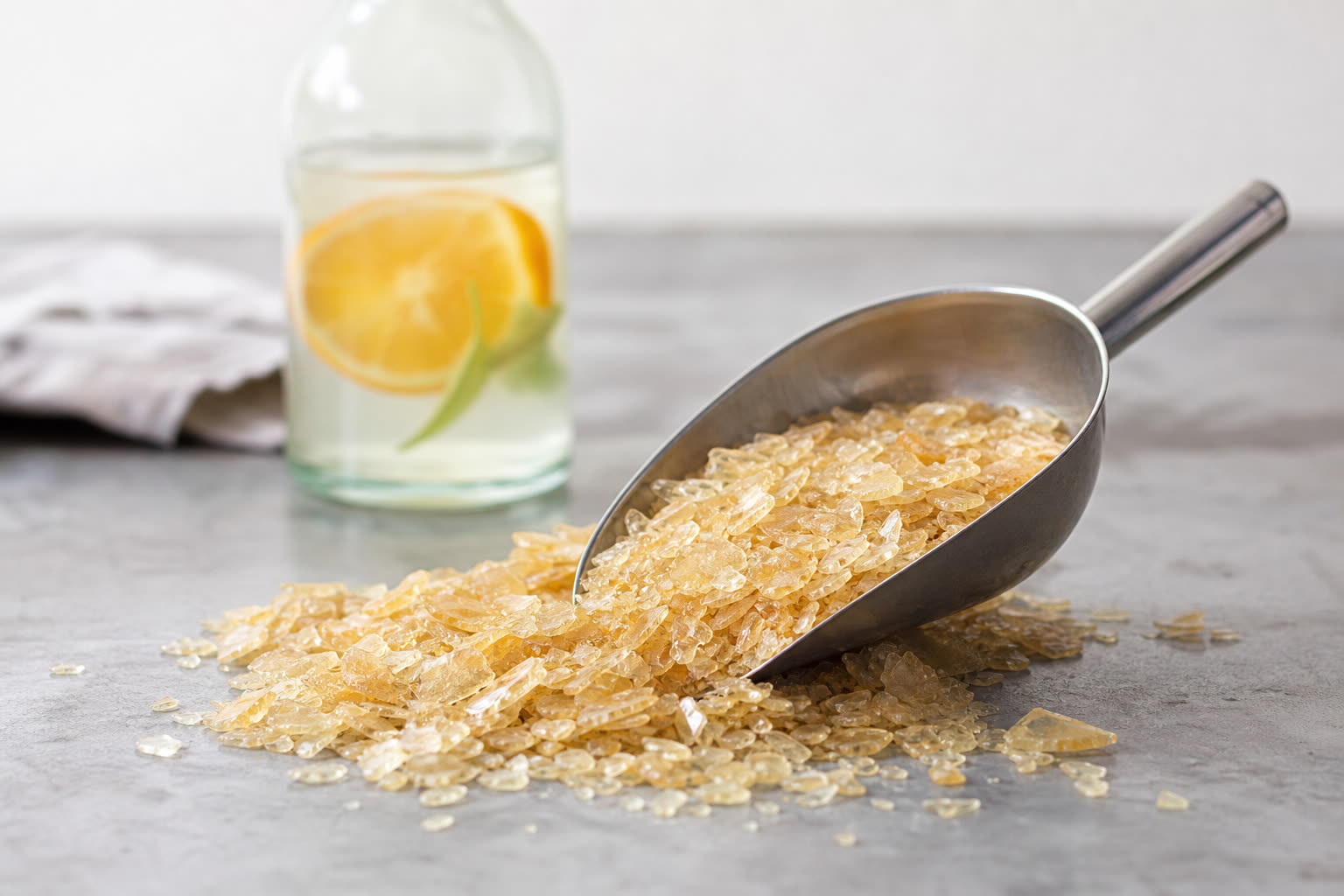
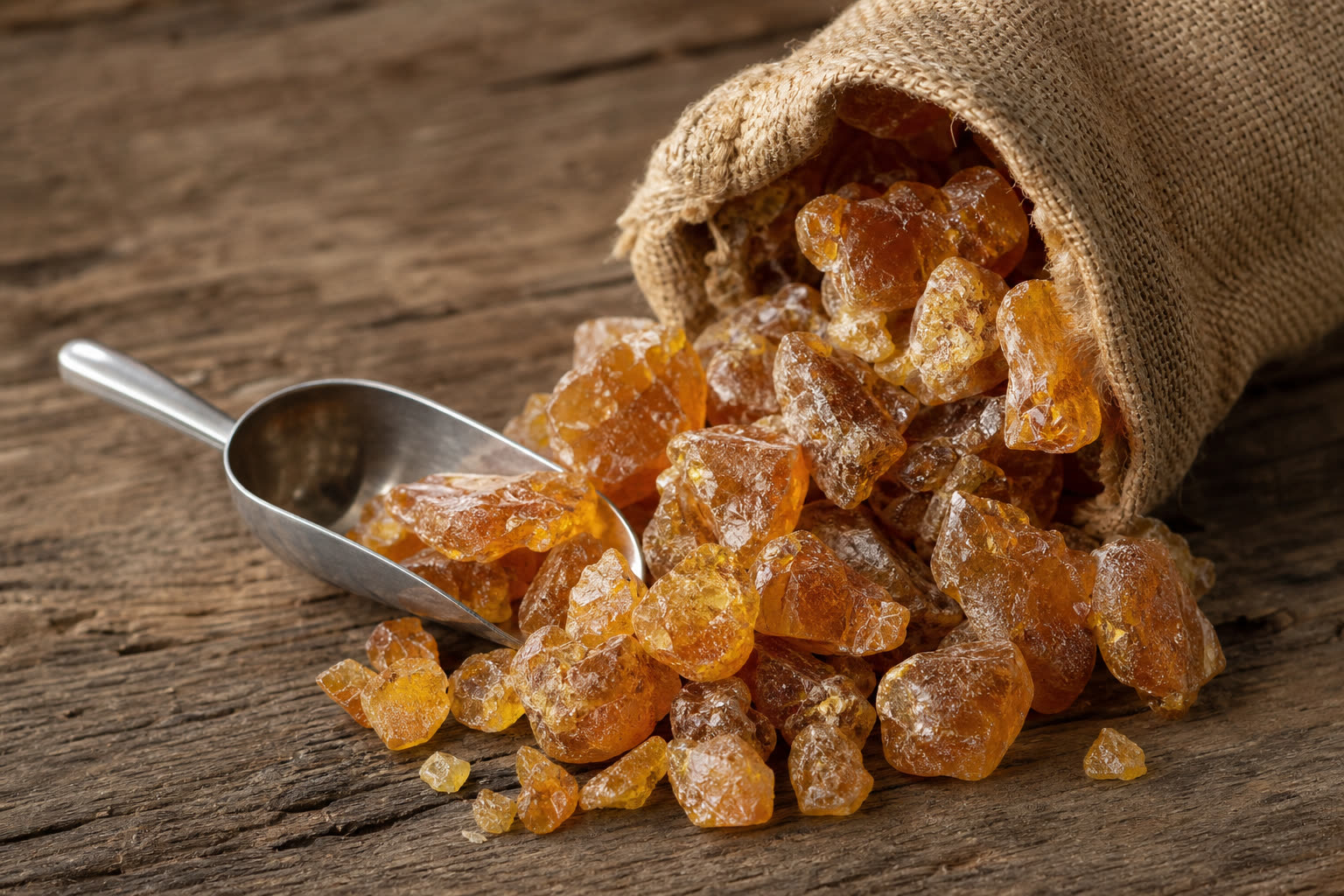
Gum rosin is the solid, amber-coloured resin that remains after the volatile fraction (turpentine) is steam-distilled away from crude pine oleoresin. It consists predominantly of resin acids, of which abietic acid and its isomers are the most important. At room temperature it is brittle, glassy and slightly tacky when warm, with a softening point that typically falls between 70 and 85 degrees Celsius depending on grade.
How is gum rosin produced?
The process starts in the forest. Workers make V-shaped cuts in the bark of live pine trees, usually species such as Pinus roxburghii in India, Pinus massoniana in China, or Pinus elliottii in Brazil. Oleoresin oozes from the wound and is collected in cups or troughs. Chemical stimulants, most often dilute sulphuric acid or ethephon, are sometimes applied above the cut to extend the flow season and improve yield per tree without damaging the cambium.
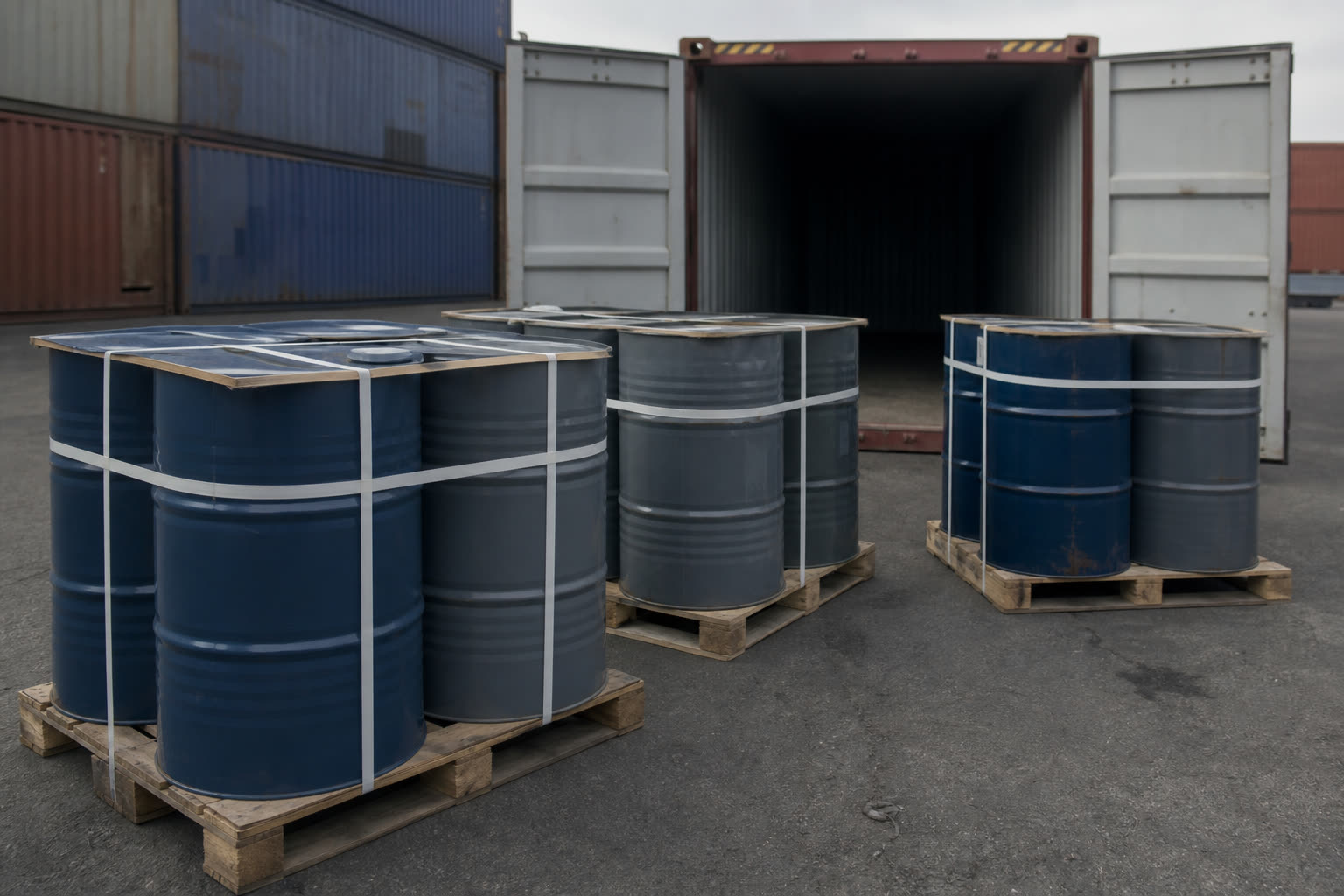
The crude oleoresin collected from the field is a sticky mixture of rosin acids, terpene hydrocarbons and water. It is transported to the distillery, where it is dissolved in a small quantity of turpentine, filtered to remove bark and debris, then heated with steam in a still. The turpentine fraction vaporises, passes through a condenser and is recovered as gum turpentine oil. What remains in the still is molten rosin. It is run through a filter to remove final impurities, then tapped into barrels or drums to solidify.
Grade is determined by colour: the cleaner and lighter the rosin, the higher the grade letter, running from D (dark amber) through to X (nearly water-white). Higher grades command a premium because they are suitable for food-contact applications and pale-coloured adhesives.
Who produces gum rosin and where does India fit?
China accounts for the largest share of global gum rosin output by a considerable margin, with its main tapping operations concentrated in Guangxi, Yunnan and Fujian provinces. Brazil operates large, well-managed plantation forests of Pinus elliottii and is recognised for consistent quality and efficient harvesting. Indonesia has expanded production significantly and is now a key exporter. India produces gum rosin primarily in Himachal Pradesh and Uttarakhand, where Pinus roxburghii (chir pine) grows across the lower Himalayan belt. Research published in Indian Forester has documented a substantial decline in domestic resin collection since the late 2000s, attributed to ecological pressures, labour shortages and outdated tapping methods. As a result, India imports significant volumes, largely from Indonesia, to meet domestic processing demand.
What are the main industrial uses of gum rosin?
Adhesives and pressure-sensitive tapes
Rosin and its derivatives are among the most widely used tackifiers in the adhesive industry. When esterified with glycerol or pentaerythritol, rosin becomes compatible with styrene block copolymers and other elastomers. These rosin esters raise tack and peel strength in hot-melt and pressure-sensitive adhesives used in packaging tape, labels and hygiene products.
Printing inks
Rosin maleate and rosin-modified phenolic resins are binders and film formers in heatset offset inks and publication gravure inks. They control ink viscosity, drying speed and rub resistance.
Paper sizing
Rosin soap or rosin emulsion, used with alum, is one of the oldest internal sizing agents for writing and printing papers. It reduces paper absorbency so ink sits on the surface rather than bleeding through.
Rubber compounding
Small additions of rosin to rubber compounds improve tack between uncured layers during tyre building. Some grades also function as processing aids that reduce mixing time.
Soldering flux
Electronics-grade rosin dissolves the oxide films on copper and tin surfaces during soldering, allowing clean wetting by the solder alloy. Rosin-based flux leaves a non-corrosive, solid residue that is easily removed with a solvent.
Food-contact and chewing gum
Food-grade glycerol ester of gum rosin (glycerol ester) is approved as a weighting agent for beverage emulsions in many jurisdictions, preventing citrus flavour oils from separating. It is also a chewing gum base ingredient.
Gum rosin grade comparison
| Grade | Colour (Gardner) | Softening point (approx.) | Typical use |
|---|---|---|---|
| X / WW / WG | Pale yellow to water-white | 75-82 °C | Food contact, pale adhesives, electronics flux |
| N / M | Amber | 72-80 °C | Printing inks, varnishes, rubber |
| F / E / D | Dark amber to brown | 68-76 °C | Rosin soap, paper sizing, road marking |
What happens to gum rosin before it reaches the end user?
Raw gum rosin is often modified chemically to improve its performance. Esterification with glycerol gives glycerol ester of gum rosin, which has better heat stability and water resistance than the parent acid. Esterification with higher alcohols such as pentaerythritol yields esters used as tackifiers in hot-melt systems. Hydrogenation of the double bonds in the resin acids reduces colour and improves oxidation resistance. Disproportionation stabilises the rosin against crystallisation. Each modification path opens a distinct set of end applications.
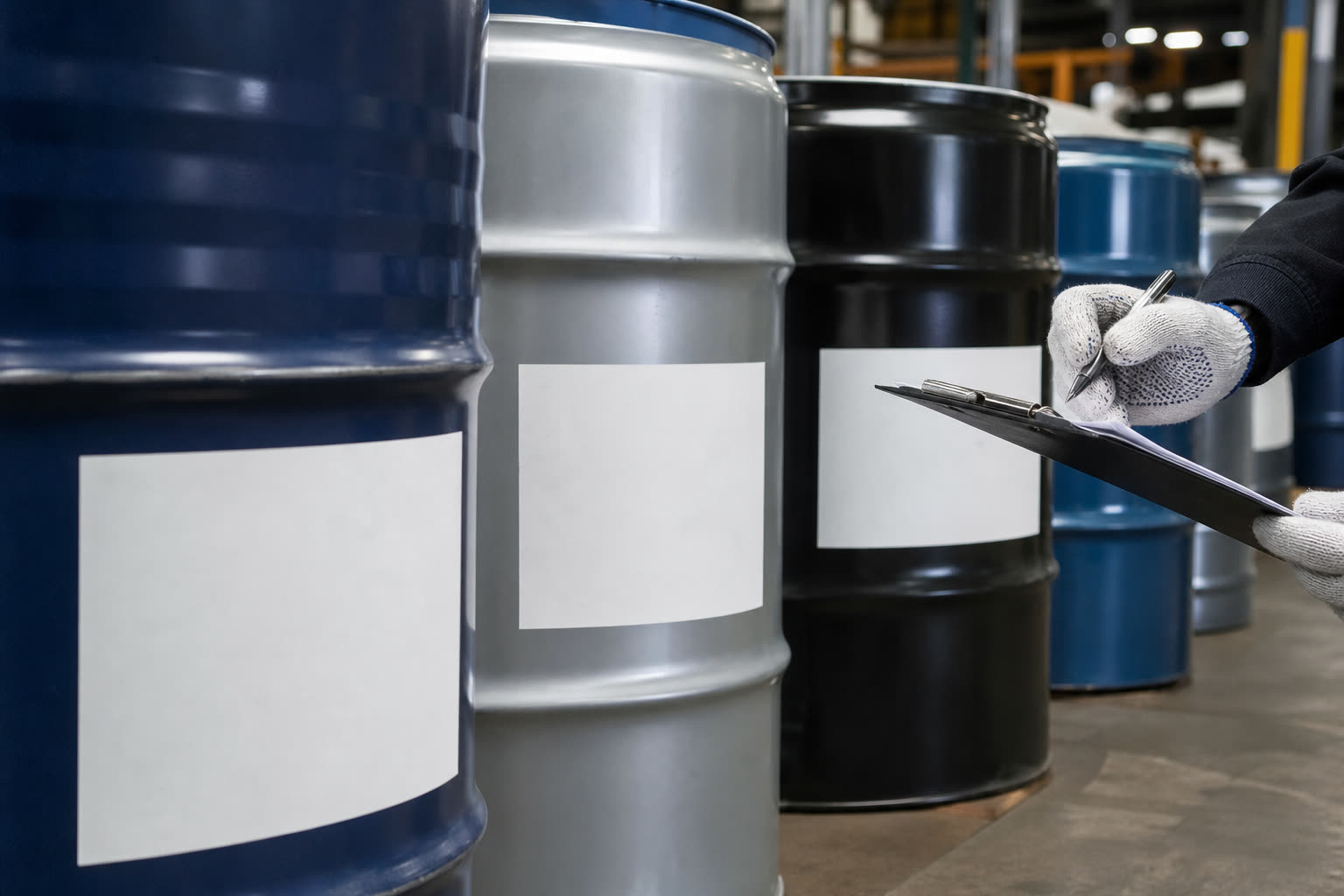
For buyers who need gum rosin in its natural form, the key purchasing parameters are grade (colour), acid value (which reflects resin acid content, typically 160-180 mg KOH/g), softening point and moisture content. Shade Shine Pine stocks gum rosin across nine grade designations, packed in 25 kg paper sacks or 200 litre barrels. The ester gum and glycerol ester derivatives are available for food and adhesive applications. Gum turpentine oil recovered during distillation is also available separately.
To discuss grade requirements or request a sample, call +91 96965 09933 or write to info@shadeshinepine.com. Bulk orders ship in 200 litre barrels or road tankers.