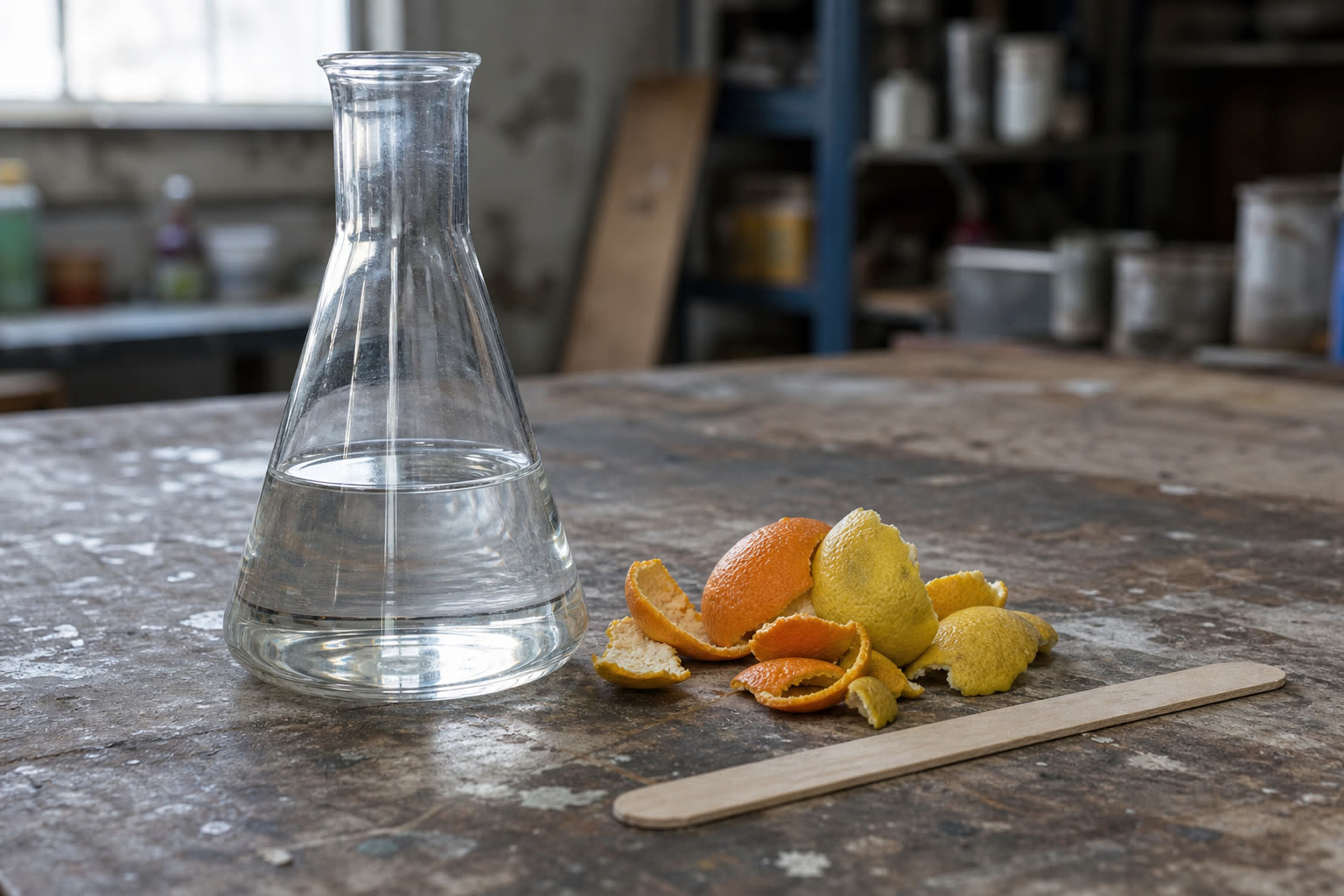
Dipentene is the common trade name for racemic limonene, the optically inactive form of the monoterpene hydrocarbon limonene. Its CAS number is 138-86-3. It is a colourless to pale-yellow mobile liquid with a mild citrus-pine odour, a boiling point of around 176 deg C, and a specific gravity of approximately 0.840. In the pine chemicals industry, dipentene appears as a by-product stream during the processing of crude turpentine: when alpha-pinene is heated or cracked, it rearranges partly to dipentene, camphene, and other terpenes. It is also recovered directly from certain fractionation cuts of crude tall oil or gum turpentine.
Chemical Identity
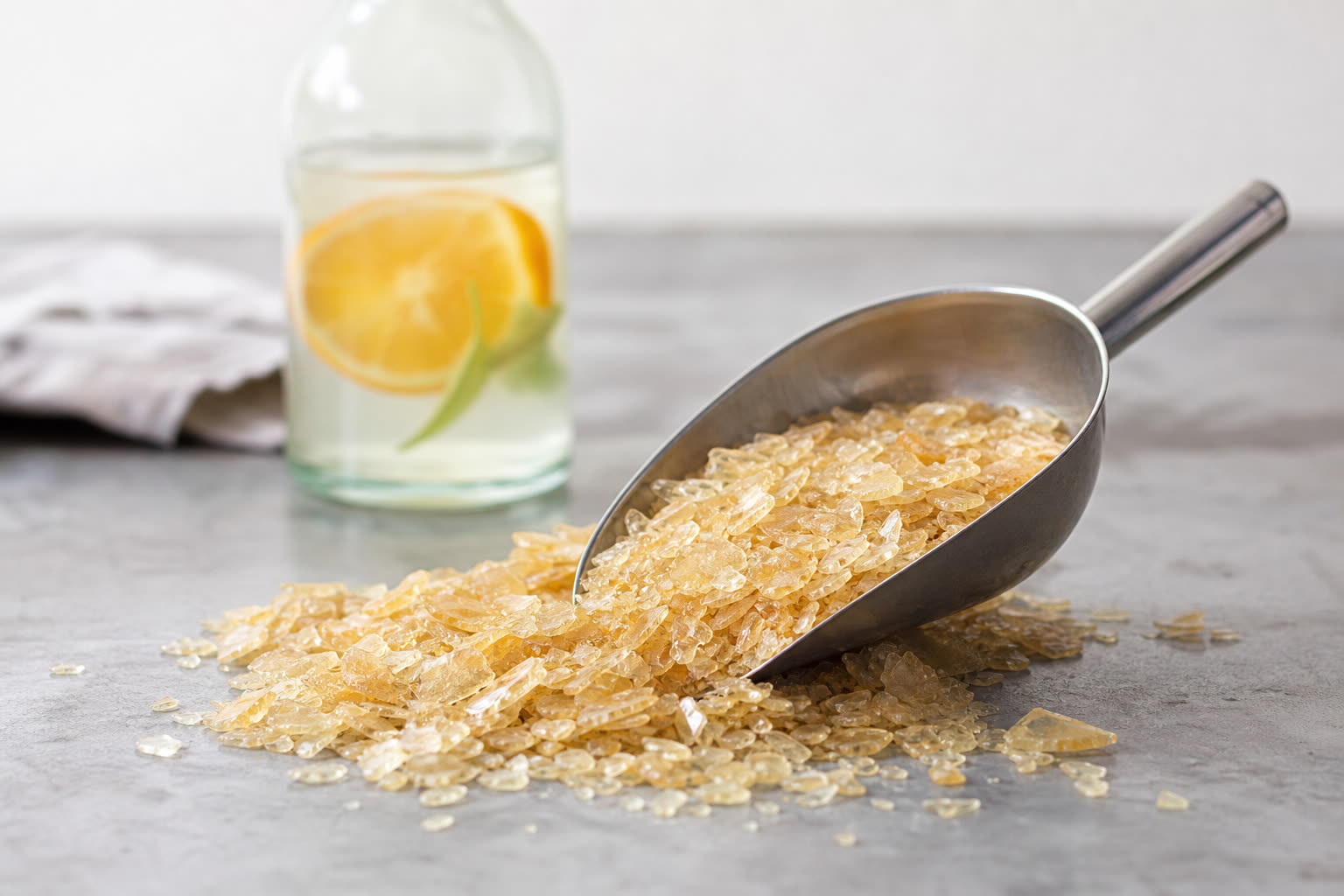
Limonene exists in three forms: d-limonene (the right-handed, citrus-smelling isomer found in orange peel), l-limonene (the left-handed isomer with a turpentine-like odour), and dl-limonene or dipentene, which is the 50:50 racemic mixture. Pine-derived dipentene typically has a less intense citrus character than orange-peel d-limonene and a more resinous, woody note. Buyers should not assume pine dipentene and citrus d-limonene are interchangeable in fragrance applications, though they are often interchangeable in industrial solvent uses.
Rubber Reclaiming
One of the oldest and largest uses of dipentene is in reclaiming vulcanised rubber scrap. The reclaiming process involves breaking down the sulphur cross-links in vulcanised rubber to make it reprocessable. Dipentene acts as a softening and swelling agent that penetrates rubber particles, assists in breaking intermolecular bonds, and allows the reclaim to be worked on a mill or in a reactor. It is used alongside other process oils in batch digesters and continuous reclaimers.
The advantage of dipentene over purely petroleum-based process oils in reclaiming is its terpene chemistry: terpene hydrocarbons have a specific affinity for rubber polymer chains that improves swelling efficiency. Dipentene from Shade Shine is supplied in grades suitable for this application.
Solvent in Coatings and Adhesives
Dipentene is an effective solvent for a wide range of resins used in coatings, paints, and adhesives:
- Alkyd resins and oil-modified urethanes: dipentene dissolves these resins cleanly and has a slower evaporation rate than white spirit, which can improve flow and levelling in brush-applied coatings
- Natural rubber adhesives and contact cements, where terpene solvents have traditional use
- Rosin and modified rosin resins: dipentene is a good solvent for resin acids
- Wax and polish formulations
In coatings, dipentene is sometimes used as a partial replacement for aromatic solvents such as xylene or toluene, where regulatory pressure on aromatic VOC content is increasing. It is not a drop-in replacement in all formulations, but its KB value (around 67) makes it a useful option for resin dissolution.
Industrial Cleaning and Degreasing
The cleaning power of dipentene comes from its ability to dissolve oils, greases, waxes, and resins. It is used in:
- Parts cleaning and degreasing in metalworking, often in aqueous emulsion formulations
- Printed circuit board flux removal, though this application requires very high purity d-limonene rather than industrial dipentene
- Graffiti removal products and heavy-duty surface cleaners
- Ink cleaning in printing operations
Other Uses
- Fragrance component: dipentene contributes a citrus-pine note to industrial fragrances, air fresheners, and low-cost perfume bases
- Flotation frother in mineral processing, sometimes used alongside or instead of pine oil
- Raw material for synthesis: dipentene can be converted to terpineol, carvone, and other value-added terpene chemicals
- Agricultural formulations as a solvent carrier or adjuvant
Handling and Storage Notes
Dipentene is a flammable liquid (flash point around 46-50 deg C). Store away from heat, sparks, and open flames. It oxidises slowly on exposure to air, forming peroxides, so containers should be kept sealed. Long-term storage should be in nitrogen-blanketed tanks where possible. The product should not be confused with terpinolene, another terpene hydrocarbon found in turpentine fractions, which has different solubility parameters and a distinct odour profile.
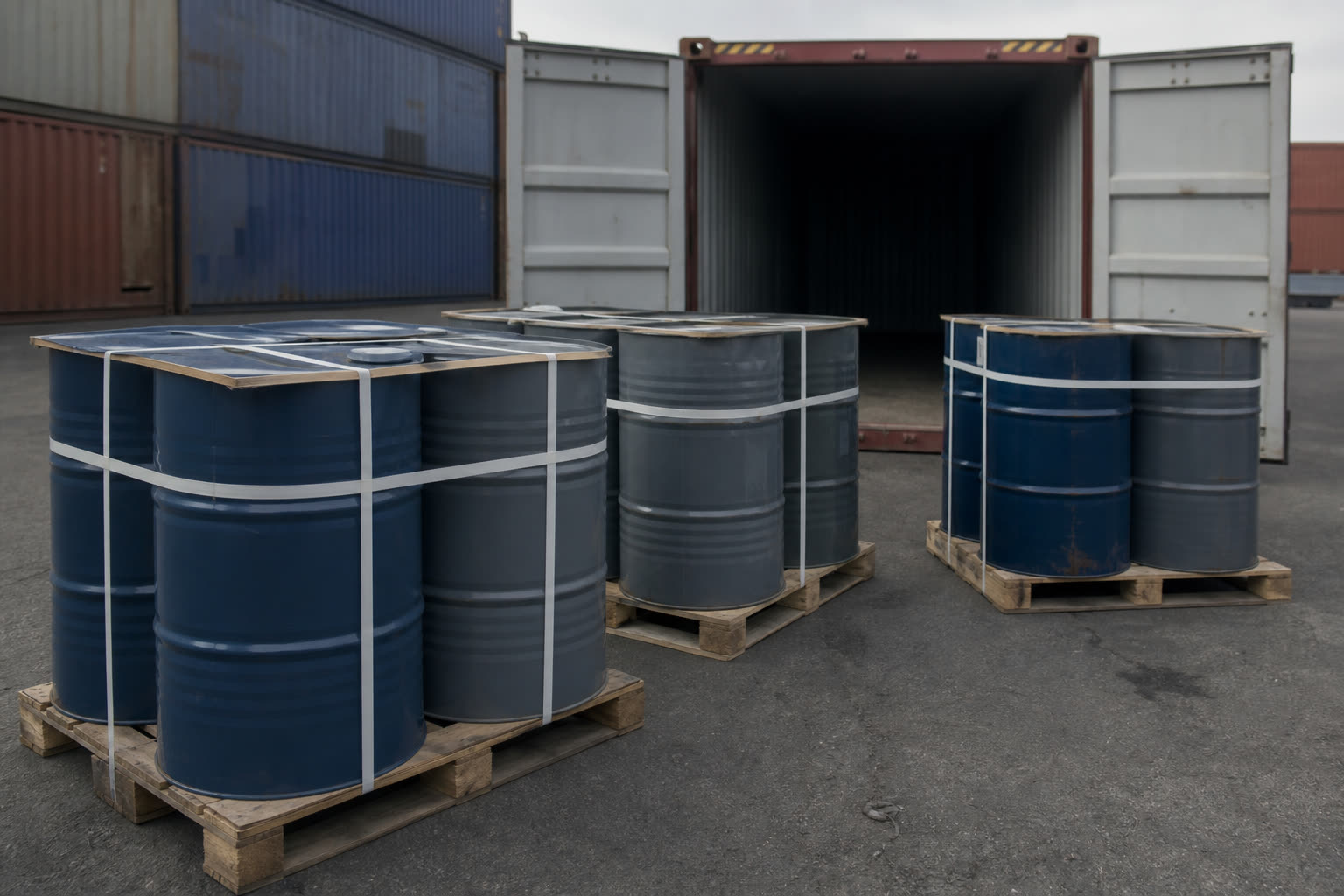
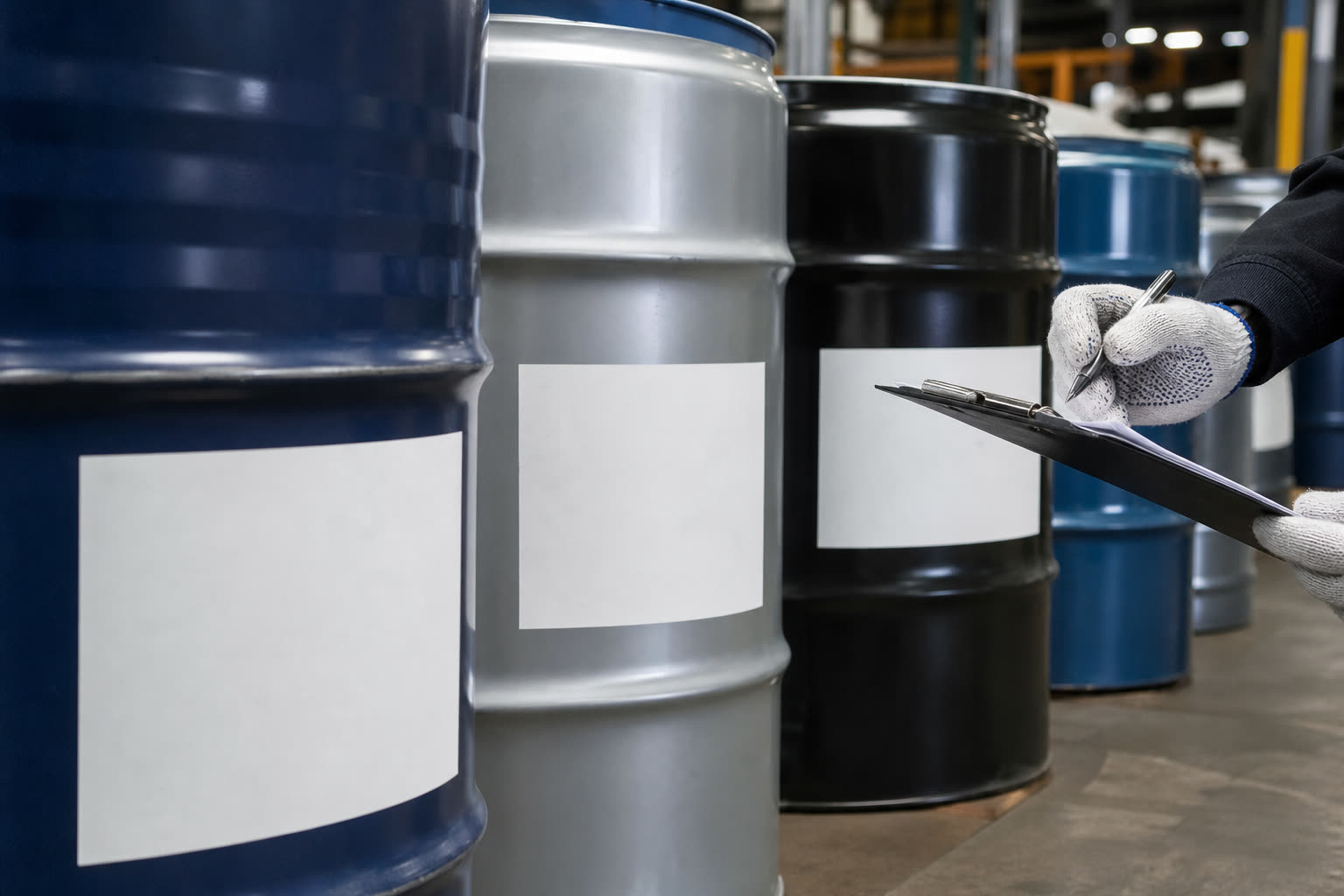
Shade Shine Pine Industries supplies dipentene in 200 litre barrels and bulk tanker quantities from Kanpur. We export to buyers across South and Southeast Asia and have been working in pine-derived chemicals since 1980. Sample quantities are available on request for evaluation. Contact us on +91 96965 09933 or at info@shadeshinepine.com to discuss specifications and lead times.