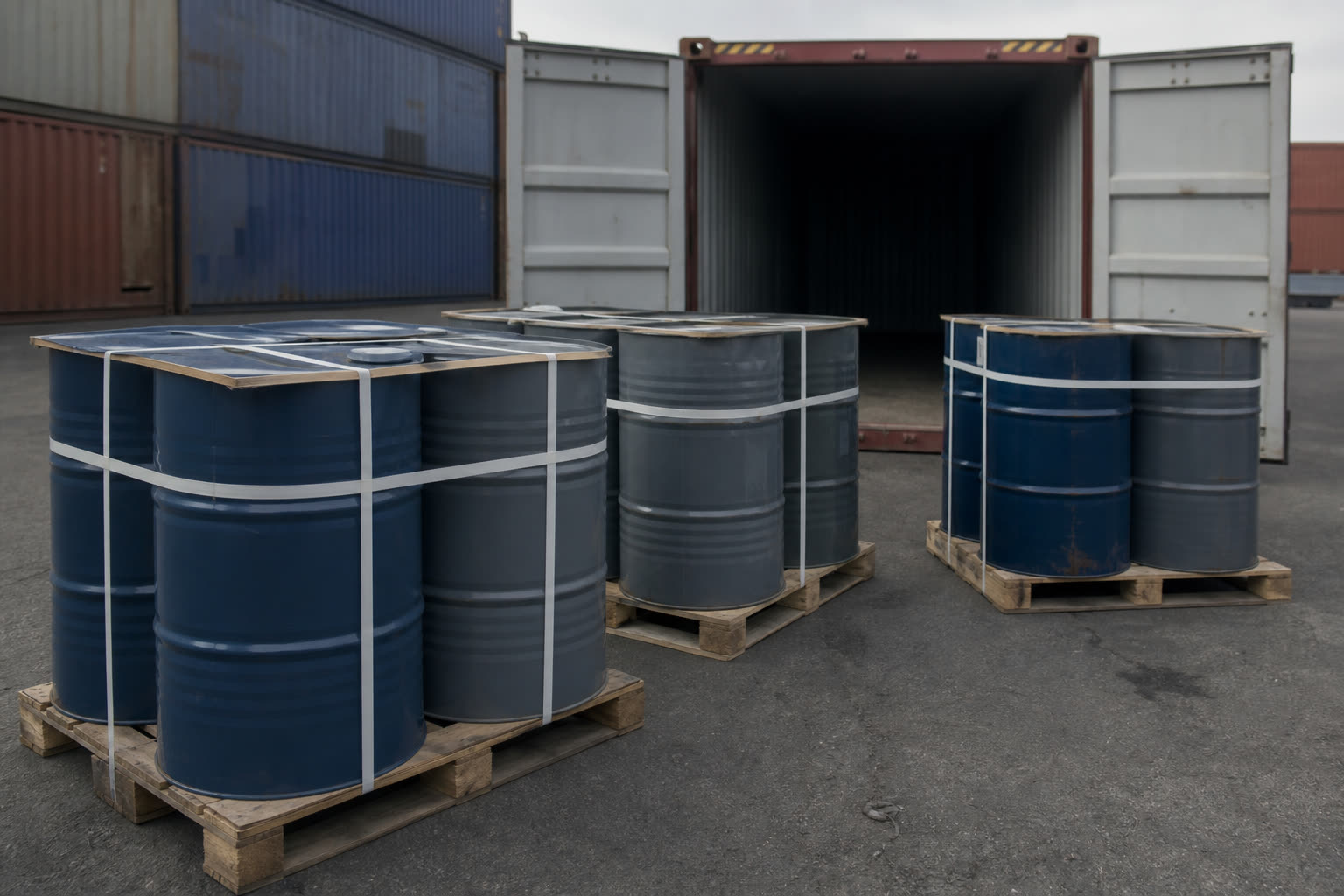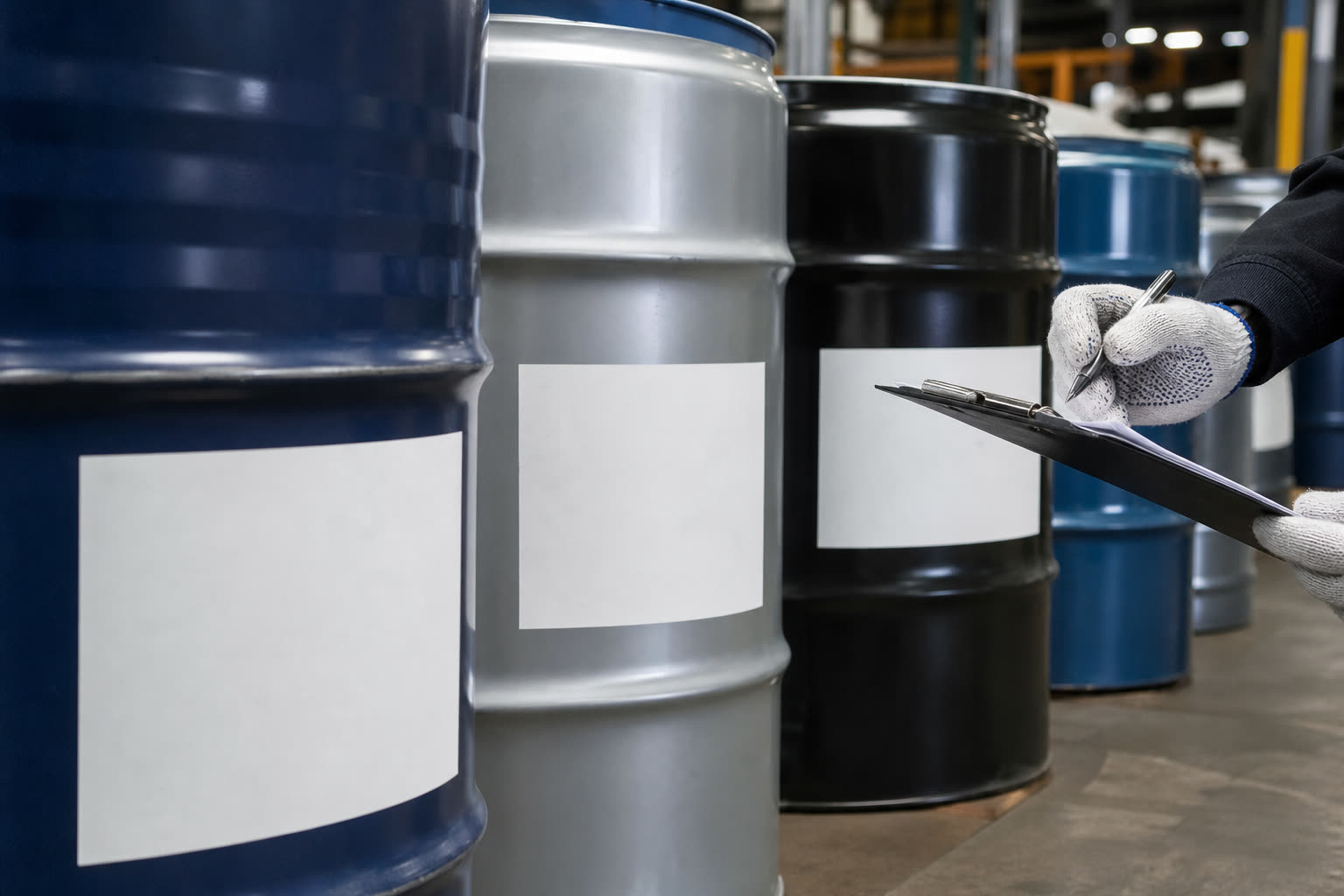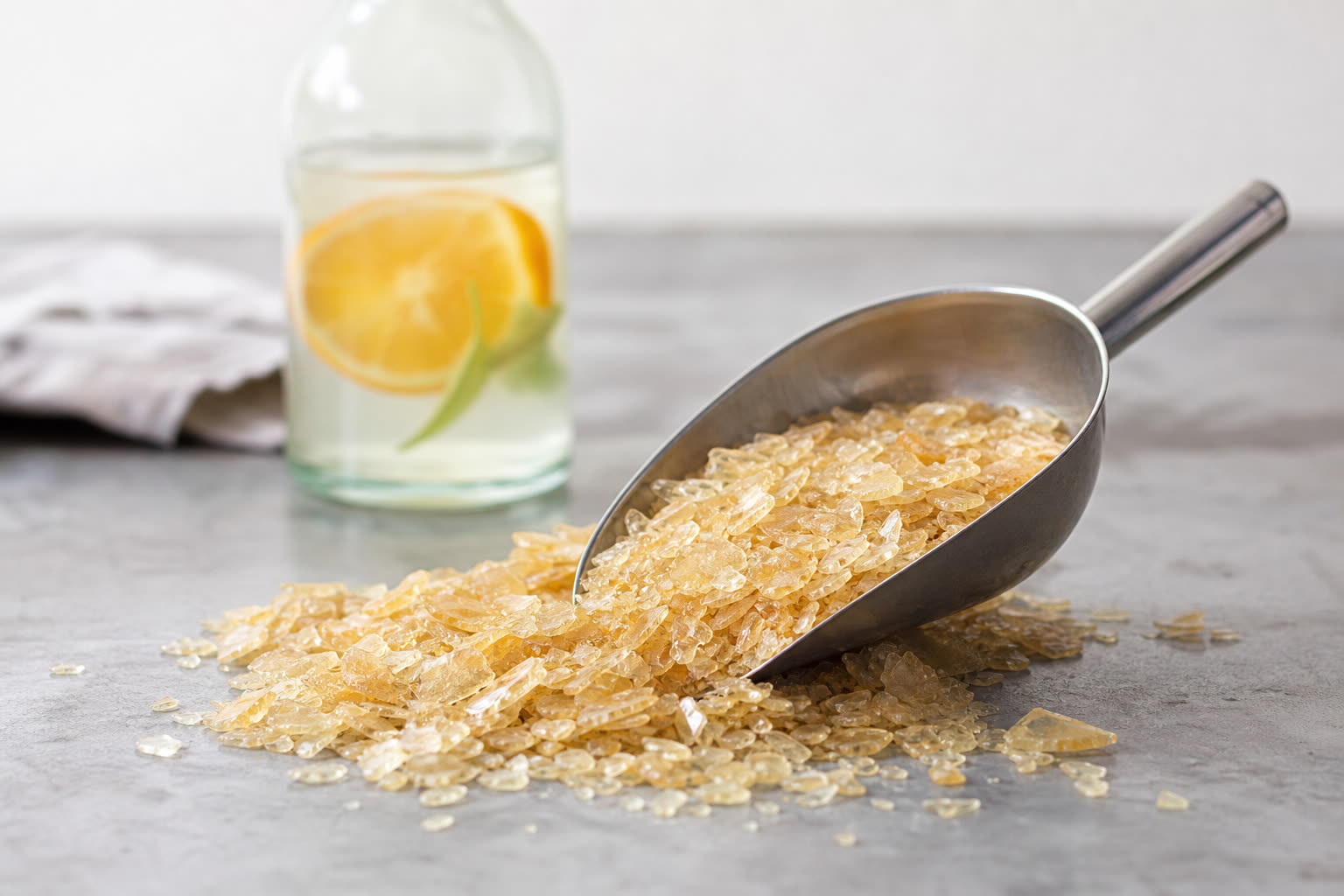
Every paint works that handles bulk solvent drums carries a real fire and safety risk, and the risk is not theoretical. Terpene solvents, including gum turpentine, double-distilled turpentine oil, and dipentene, are Class 3 flammable liquids. Their vapours are heavier than air, which means they pool at floor level and can travel to an ignition source many metres away from the drum. Getting the storage and handling right is not paperwork compliance, it is basic operational discipline that protects people and plant.
What Does UN 1299 Mean for Turpentine?
UN 1299 is the United Nations transport identifier for turpentine (gum spirits of turpentine). It is classified as a Class 3 flammable liquid, Packing Group III, and is also identified as a marine pollutant. PG III means the flash point is above 23 degrees Celsius and the boiling point is above 35 degrees Celsius. The flash point of gum turpentine is typically around 35 degrees Celsius, which puts it at the boundary. This classification governs how the drums must be labelled, how the transport vehicle must be marked, and what emergency response information must accompany a shipment. When you take delivery of a tanker or pallet of drums from us, the documentation we provide should include the correct UN number, hazard class, and emergency contact information.
Dipentene carries a similar flash point, around 42 degrees Celsius, and is handled under comparable classification requirements. Treat it with the same care as turpentine in your storage arrangements.
Where Should Drummed Solvents Be Stored?
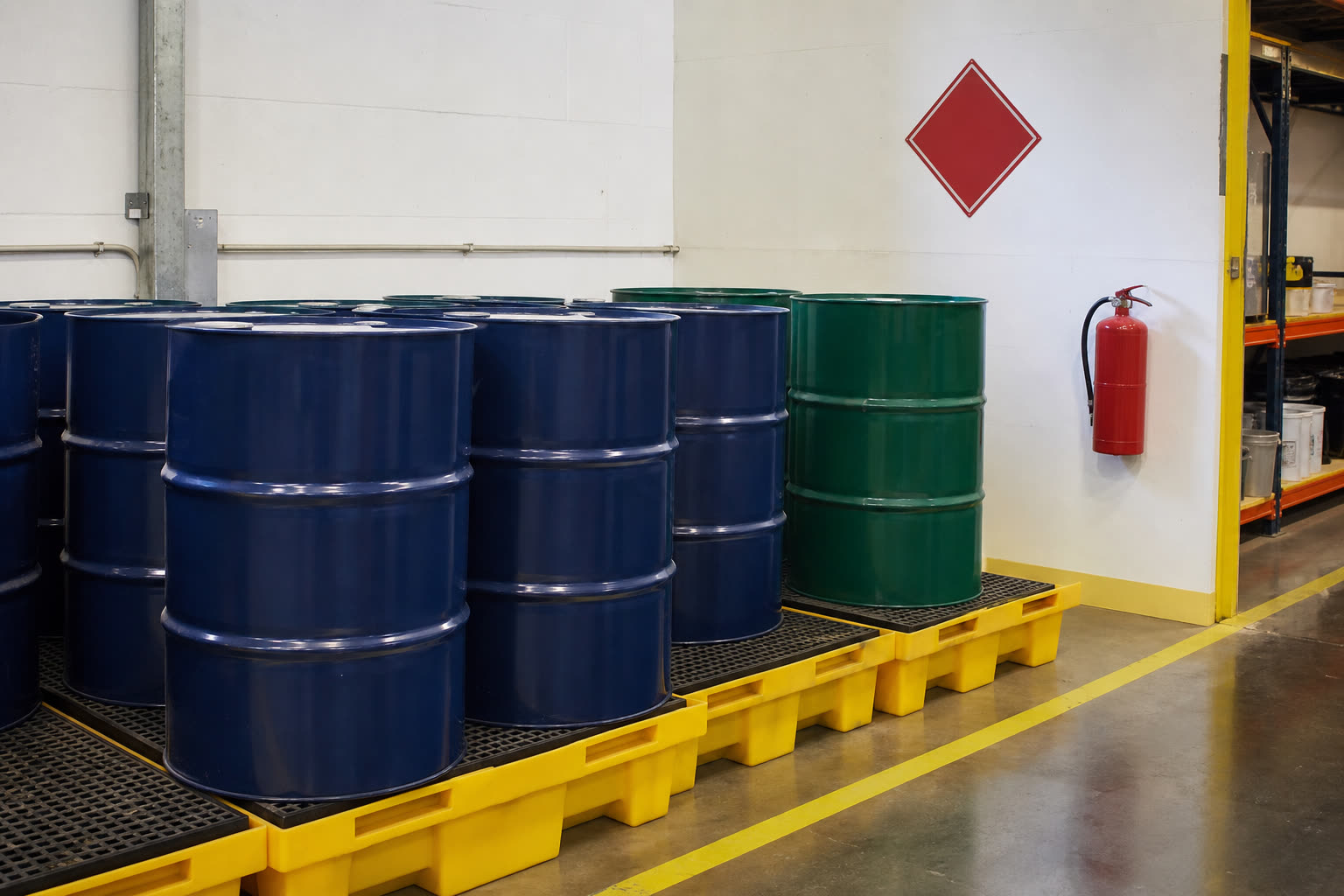
The ideal location for drummed flammable solvents is a dedicated outdoor or semi-open drum store: a covered, bunded area open on at least one side, away from process buildings, ignition sources, and drains. If indoor storage is unavoidable, the room must be a dedicated, fire-rated space with no connection to the main production floor through open doorways. Do not store solvent drums in general storerooms shared with pigments, resins, or other materials. Separate incompatible chemicals: oxidising agents such as peroxide catalysts must never share storage space with flammable solvents.
Indoor drum stores require high-level and low-level ventilation because terpene vapours are denser than air and pool at the floor. A general benchmark from UK Health and Safety Executive guidance is five air changes per hour as a minimum for a drum store, with ventilation positioned to sweep the floor level where vapour accumulates. In Indian conditions with high ambient temperatures, natural ventilation through louvred walls may achieve this; in enclosed spaces, mechanical extraction is more reliable.
How Should Drums Be Earthed Before Dispensing?
Static electricity generated by liquid flow through a pipe or hose is sufficient to ignite a terpene vapour atmosphere. Before tapping any drum or connecting a pump, bond the drum to earth using a copper earthing clamp and wire, and verify continuity. Earth the receiving vessel as well. In installations with metal pipe runs, earth continuity throughout the pipework should be tested periodically. The maximum acceptable resistance to earth for a solvent installation is generally given as 10 ohms. This sounds technical but the practice itself is straightforward: clip the earth lead to the drum, check the connection is metal-to-metal (not through paint or rust), and only then open the drum or start the pump.
What About Stacking and FIFO?
Steel drums of 200 litres are heavy, around 190 to 195 kg when full of turpentine or dipentene. They should be stored upright on pallets or purpose-built drum racking. Stacking drums more than two high without proper racking is unsafe and risks toppling. When storing on pallets, ensure the floor can take the point load of stacked drums without cracking or differential settlement that would tip the pallet. Roll or handle drums only with appropriate drum handling equipment, never drag them on the rim.
FIFO (first in, first out) stock rotation is standard good practice for all stored chemicals. Turpentine and terpene solvents have practical shelf lives of one to two years in sealed drums before oxidation, polymerisation of pinene, and colour change begin to affect quality. Keep a drum register showing delivery date, drum number, and dispensing record. Use the oldest stock first. Inspect drums at receipt for leaks, dents, damage to the bung or seal, and corrosion. Do not accept damaged drums; report them to us before opening and we will arrange replacement.
What About Drum Condition and Rejection at Receipt?
Not every drum that arrives from a supplier or a road tanker decant is in perfect condition, and accepting a damaged drum because it is inconvenient to return it is a false economy. A dented drum may have a compromised bung thread or a distorted seam. A drum with rust around the bung or at the base may leak on the pallet. A drum with a missing or non-original bung plug may have been opened and resealed. Inspect every delivery at the point of receipt, before signing the delivery note, and document any damage with photographs if you expect to make a claim. We replace damaged drums at our cost when the damage is clearly from transit and is reported within the agreed claim window. Paint works that have a clear drum inspection procedure at goods-in have far fewer solvent incidents on their floor than those that stack whatever arrives and deal with problems later.
What to Do If There Is a Spill?
Remove all ignition sources from the area immediately. Do not use electrical switches or start engines near a spill. Ventilate the space by opening doors and windows away from the ignition-free zone. Absorb small spills with dry sand or another non-combustible absorbent, not sawdust or organic materials that could themselves burn. Place contaminated absorbent in a covered metal container for disposal through a licensed waste contractor. For large spills, prevent solvent from entering drains, as it is a marine pollutant, and contact your SPCB-compliant waste management contractor. Full emergency procedures should be written into your site's hazmat plan and communicated to all staff before the first drum arrives.
We supply turpentine, DDTO, and dipentene across India in 200 litre barrels with full SDS documentation. Our Kanpur plant has supplied paint works and thinner blenders for over 46 years. For any questions about safe handling of our products, or to place a supply enquiry, contact Yash Agarwal at info@shadeshinepine.com or +91 96965 09933.