Printing ink chemistry is built around three functional requirements: a film-forming binder that dries or sets on the substrate, a pigment that provides colour, and a vehicle that carries both to the press and sets at the right speed. Rosin-derived resins, and specifically the glycerol esters we produce from gum rosin, have been a standard component in the vehicle since long before synthetic resins existed. They are still there in a large fraction of commercial inks because they deliver real performance at prices that synthetic alternatives rarely match.
What Does Ester Gum Actually Do in an Ink Vehicle?
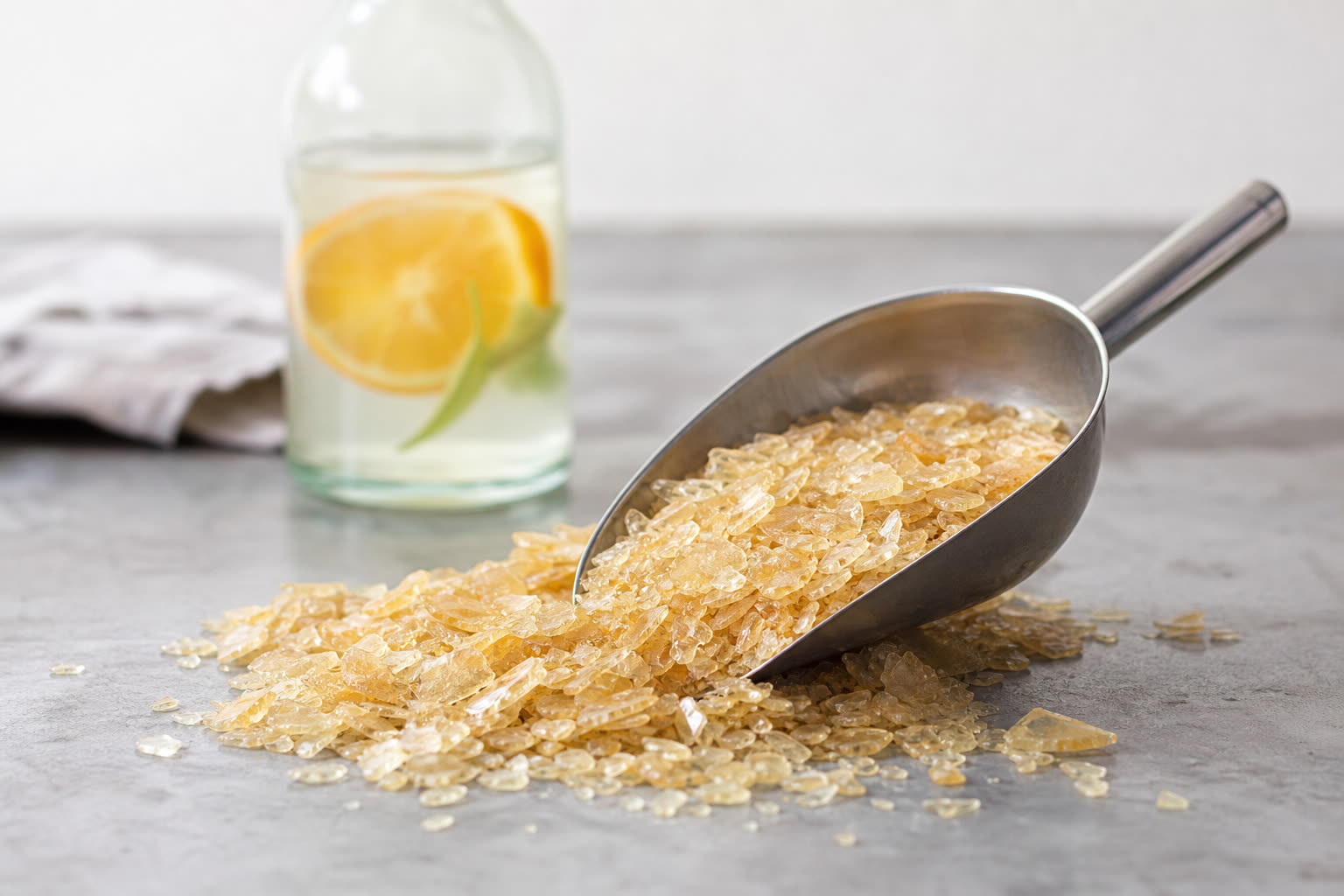
Ester gum is the product of esterifying gum rosin with glycerol. The esterification converts most of the free resin acid groups in raw rosin into ester linkages, dropping the acid value from the 155 to 185 mg KOH per gram of raw rosin to typically below 15. This transformation matters for several reasons. In the context of an ink vehicle, ester gum contributes tack, which is the adhesive pull required to transfer ink from the printing surface to the substrate. It improves gloss in the dried film, assists pigment wetting during grinding and dispersion, and provides oil solubility that allows the resin to be dissolved at practical concentrations in the mineral oil or hydrocarbon solvents used in offset and gravure vehicles.
Our ester gum is solid at room temperature with a softening point that typically falls in the range of 80 to 90 degrees Celsius, and it dissolves cleanly in aromatic and aliphatic hydrocarbon solvents as well as in drying oils at elevated temperatures. These properties make it a practical binder resin for both solvent-based gravure and oil-based offset systems.
How Is Ester Gum Used in Gravure Inks?
Gravure printing transfers ink from engraved cells in a cylinder directly to the substrate, usually paper, film, or foil, at high speed. The ink must be thin enough to flow into and out of the cells cleanly, and it must dry fast by solvent evaporation before the substrate reaches the next colour unit. Solvent-based gravure inks for packaging and publication printing use ester gum or modified rosin esters as part of the binder vehicle, dissolved in toluene, aliphatic hydrocarbons, or terpene solvents. The resin is dissolved in solvent to form a resin varnish, which is then combined with pigment ground to fine particle size and let down to press viscosity.
A general starting structure for a solvent gravure ink vehicle places ester gum at ten to twenty-five parts out of the total vehicle fraction, alongside a film-forming co-resin such as nitrocellulose or polyamide, dissolved in a solvent blend adjusted to the required evaporation rate and press speed. The ester gum provides the tack and gloss contributions while the co-resin controls film strength, adhesion, and block resistance on the printed substrate.
How Does Glycerol Ester of Gum Rosin Differ for Ink Use?
Our glycerol ester of gum rosin is closely related to ester gum and the terms are used interchangeably in much of the trade. At the molecular level, both are glycerol esters of rosin acids. In practice, the softening point, acid value, colour, and compatibility profile of the specific product matter more than the name. For darker-coloured inks, such as black and dark process colours, a glycerol ester with a slightly higher colour is fully acceptable and often costs less than a pale-grade product. For process yellow, process cyan, and other light-critical colours, a lighter-coloured rosin ester is worth specifying.
What About Offset Inks?
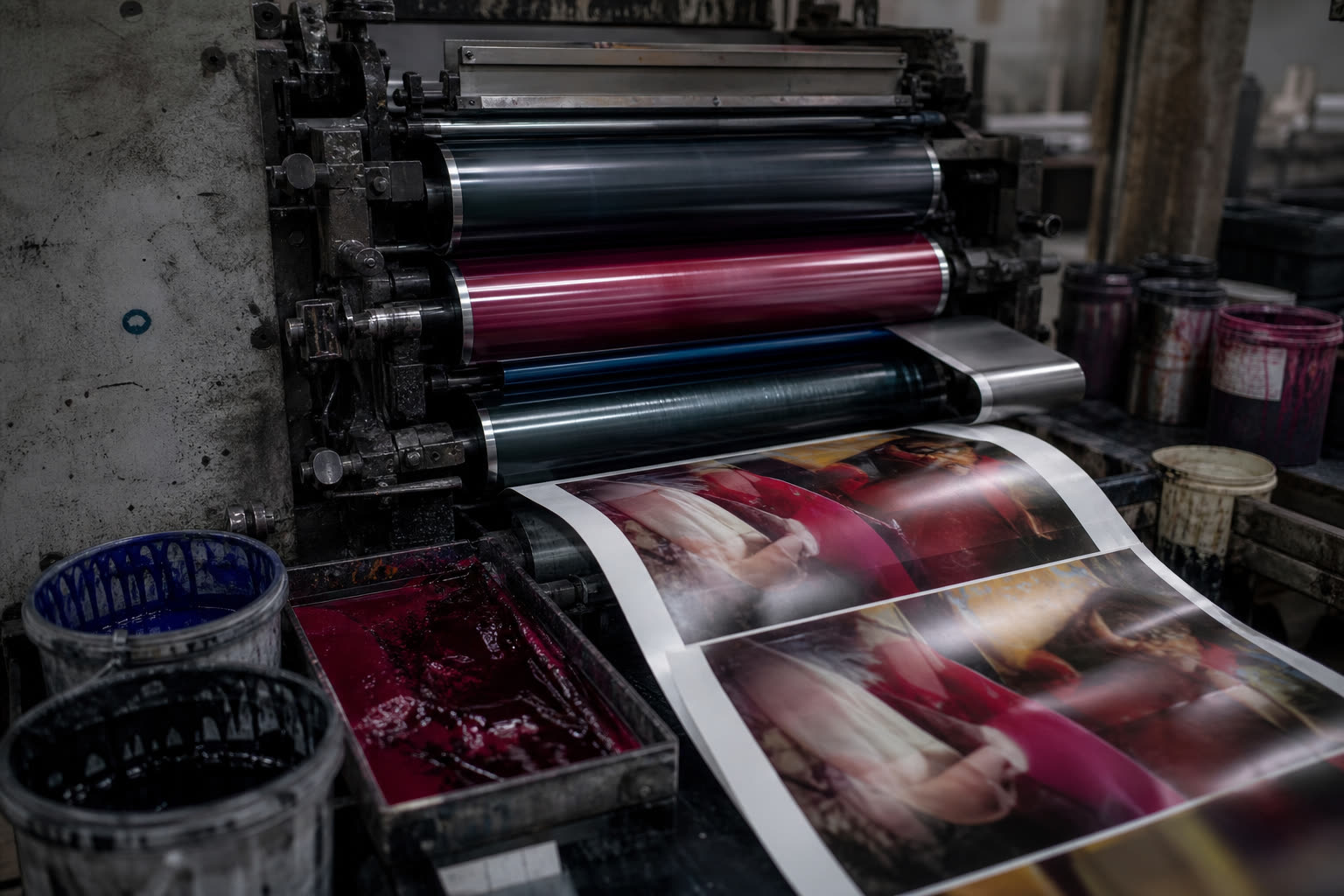
Offset lithography uses a fundamentally different ink: it is paste-consistency, not fluid, and it transfers through a series of rubber rollers rather than engraved cells. The vehicle is based on high-viscosity oil varnishes, and rosin esters contribute to the body and tack of the varnish alongside drying oils such as linseed or soya. Ester gum is cooked into the varnish at high temperature, dissolved in a mineral oil or linseed oil base, and the resulting varnish is then combined with other ingredients including dryers, pigment, and rheology modifiers. The rosin ester fraction in offset inks typically constitutes fifteen to thirty percent of the vehicle dry weight, but this varies considerably with the type of press, the substrate, and whether the system is heatset or coldset.
One practical consideration: glycerol ester of gum rosin is not a perfect substitute for maleic-modified or phenolic-modified rosin resins in offset varnishes that require high gel strength or strong set. For those demanding applications, the formulator may need to blend unmodified ester gum with a more heavily modified rosin derivative. We can supply both the basic glycerol ester and the unmodified gum rosin for customers who cook their own modified resins in-house.
What Is the Effect of Rosin Grade on Ink Colour?
Rosin-derived resins are not water-white, and the colour they contribute to an ink vehicle is a practical concern for pale and process-colour inks. The raw gum rosin we supply ranges from WW (water white, nearly colourless in solution) through to darker amber grades. Ester gum made from WW rosin will give a lighter-coloured resin solution than one made from M or K grade, and this colour difference will carry through into the finished ink vehicle. For process yellow, process cyan, and transparent varnishes used in packaging printing, specifying a light-coloured ester gum is worth the small price premium because it avoids unwanted hue shifts in the printed result. For black, dark blue, or opaque inks where pigment loading masks the vehicle colour entirely, the grade of rosin is commercially irrelevant and a darker, lower-cost ester gum can be used without any functional compromise.
What to Check When Buying Rosin Esters for Inks
For an ink application, the parameters that matter most are: softening point (ring and ball method), acid value, colour (Gardner), viscosity of a known-concentration solution in a standard solvent, and solubility in your specific vehicle solvent at the concentration you will be using. Supplier-to-supplier variation in these properties can be significant even for identically named grades, so always request a certificate of analysis and run a compatibility check in your own vehicle before switching sources.
We supply ester gum and glycerol ester of gum rosin to ink makers in India and export to customers in the US, Thailand, Indonesia, and China. Both products are dispatched in 25 kg bags (solid) from our Kanpur plant. Samples are available. To discuss quantities and specifications, contact Yash Agarwal at info@shadeshinepine.com or +91 96965 09933.