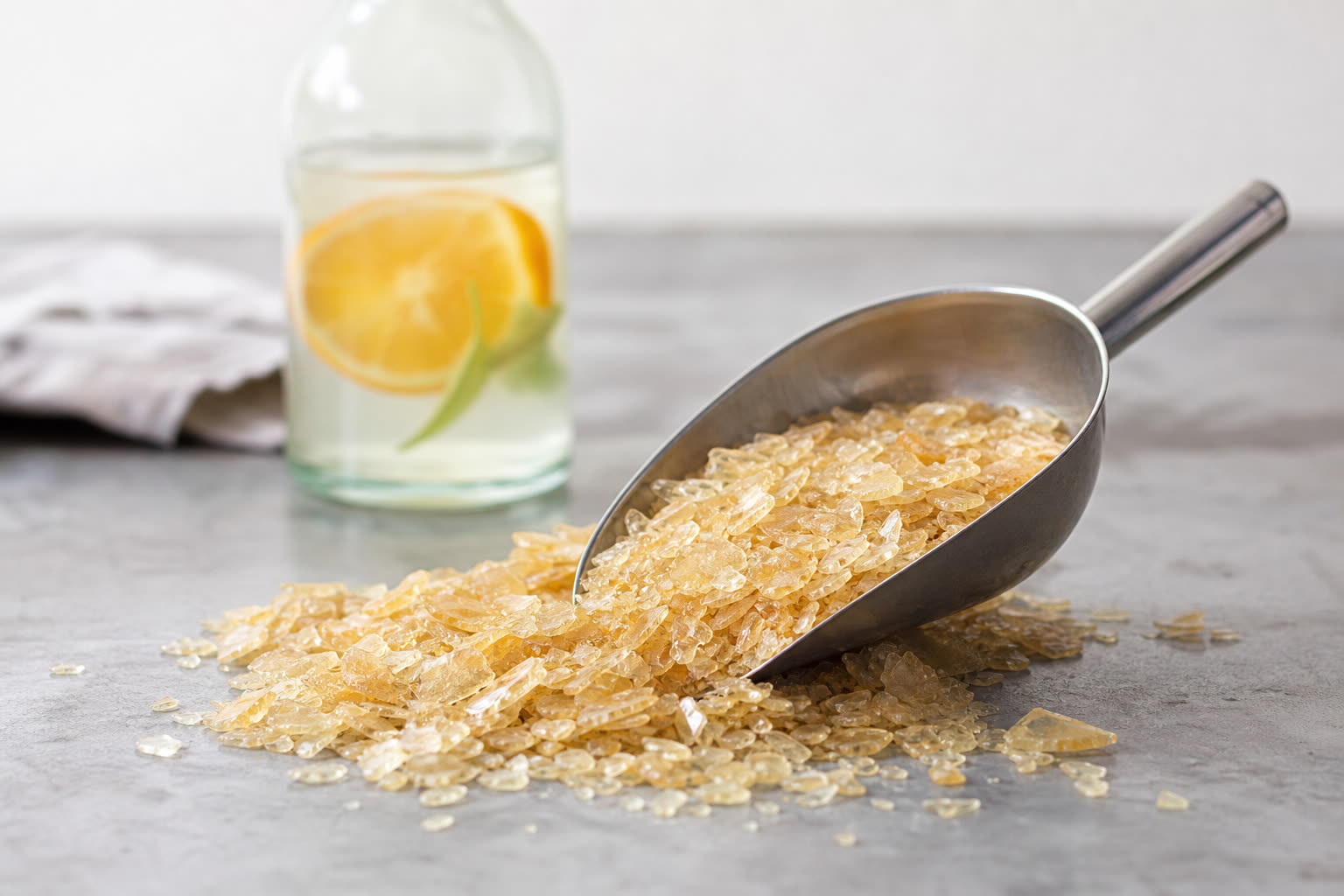
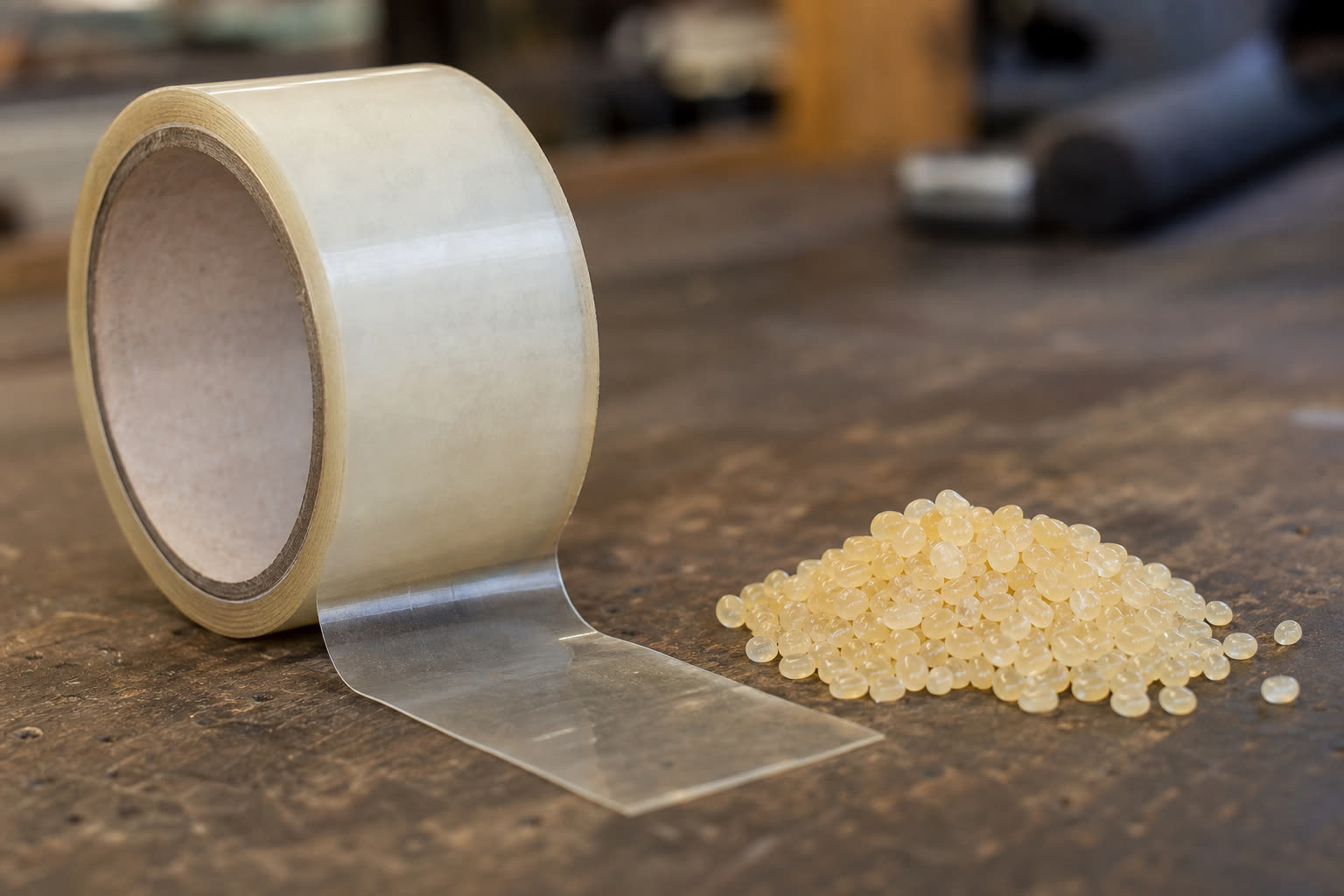
Rosin esters are the most widely used class of tackifying resins in pressure sensitive adhesives (PSAs) and hot melt adhesives. They are produced by reacting gum rosin (or wood rosin, though gum rosin is the quality standard) with polyhydric alcohols such as glycerol, pentaerythritol or diethylene glycol to form the corresponding ester. The resulting resins have higher softening points, better heat stability and improved water resistance compared to raw rosin acid, and they are highly compatible with the elastomeric polymers that form the backbone of most adhesive formulations.
Why do adhesive formulations need a tackifier?
Base polymers used in adhesives, such as natural rubber, styrene-isoprene-styrene (SIS) or styrene-butadiene-styrene (SBS) block copolymers, and ethylene-vinyl acetate (EVA) copolymers, have insufficient immediate tack and wettability on their own to perform as pressure sensitive or hot melt adhesives. A tackifier works by increasing the mobility of polymer chains at the bonding interface, lowering the effective glass transition temperature (Tg) of the adhesive into the range where it can flow and wet a surface under light finger pressure. At the same time, the resin must not reduce cohesive strength so much that the adhesive transfers to the substrate on peeling.
Rosin esters are well suited to this role because their low molecular weight (typically 500-1500 g/mol) and relatively high Tg (40-90 degrees Celsius depending on grade and degree of modification) interact favourably with the soft elastomeric phase of block copolymers. Research has shown that tackifiers selectively associate with the rubbery midblock of SIS and SBS polymers, plasticising it to improve tack while leaving the polystyrene hard-block domains relatively undisturbed. Formulations typically contain 20 to 150 parts of tackifier resin per 100 parts of elastomer, adjusted depending on the target balance of tack, peel strength and shear resistance.
What types of rosin ester are used in adhesives?
Glycerol ester of gum rosin
Glycerol ester (triglyceryl abietate or similar) is the simplest and most common rosin ester. It has a softening point in the range of 80-90 degrees Celsius and good compatibility with natural rubber and SIS polymers. It is the standard tackifier for general-purpose pressure sensitive tapes, paper labels and certain hygiene products. Food-contact grades of glycerol ester are approved as beverage emulsifiers under food additive regulations in multiple jurisdictions.
Pentaerythritol ester (ester gum)
Esterifying rosin with pentaerythritol gives a higher softening point (typically 90-105 degrees Celsius), improved heat resistance and better colour stability compared to glycerol ester. Pentaerythritol esters (often sold under the trade name Ester Gum or under various commercial designations) are preferred in hot melt adhesives processed at elevated temperatures, where glycerol esters may darken or lose performance. They are also used in chewing gum base, coatings and some specialty ink vehicles.
Hydrogenated rosin esters
Hydrogenation of the double bonds in rosin acids before or after esterification gives pale, oxidation-resistant esters with very good colour stability. Hydrogenated pentaerythritol esters are the premium grade for hot melt applications where colour, thermal stability and long pot life are critical, for example in high-speed label application at packaging lines running at elevated temperature.
Disproportionated and maleic-modified esters
Disproportionation converts labile conjugated double bonds in abietic acid to more stable structures, improving oxidation resistance. Maleic anhydride modification of rosin before esterification gives harder, higher-acid-number resins with better compatibility with polar substrates such as glass and metal.
Rosin ester grades for adhesive applications
| Grade | Ester type | Softening point | Key application |
|---|---|---|---|
| Glycerol ester (standard) | Glycerol + gum rosin | 80-90 °C | General PSA, paper labels, masking tape |
| Ester gum (pentaerythritol ester) | Pentaerythritol + gum rosin | 90-105 °C | Hot melt adhesives, chewing gum, coatings |
| Hydrogenated rosin ester | Hydrogenated + pentaerythritol | 95-110 °C | High-temperature hot melts, packaging |
| Disproportionated rosin ester | Disproportionated + glycerol | 80-95 °C | Oxidation-sensitive PSA, outdoor labels |
Key formulation parameters to consider
- Softening point: Higher softening point increases cohesive strength and is needed for hot melt systems. Too high and the resin does not compatibilise with the elastomer phase at process temperature.
- Acid value: Residual free acid from incomplete esterification affects compatibility with some polymers and can cause migration in certain substrates. Lower acid value is preferred for most adhesive applications.
- Colour (Gardner scale): Pale colours (Gardner 1-4) are specified wherever the adhesive is used on transparent substrates or coloured packaging. Darker grades are acceptable for brown kraft tape and industrial applications.
- Melt viscosity: Determines processability in hot melt compounding. Must be matched to the compounder's mixing equipment and the target application temperature.
- Compatibility test: Cloud point in the elastomer solution indicates compatibility. Rosin esters should give a clear blend with the chosen elastomer at the target loading.
Why source rosin esters from gum rosin rather than wood rosin?
Wood rosin, recovered from aged pine stumps by solvent extraction, contains higher levels of fatty acid esters and oxidised materials that affect colour and odour. Gum rosin, tapped from living trees, is cleaner and lighter in colour. Adhesive producers targeting pale, low-odour products consistently prefer gum rosin-derived esters. India and other Asian markets source gum rosin principally from China and Indonesia, with the Indian sub-continent contributing a smaller but historically significant volume.
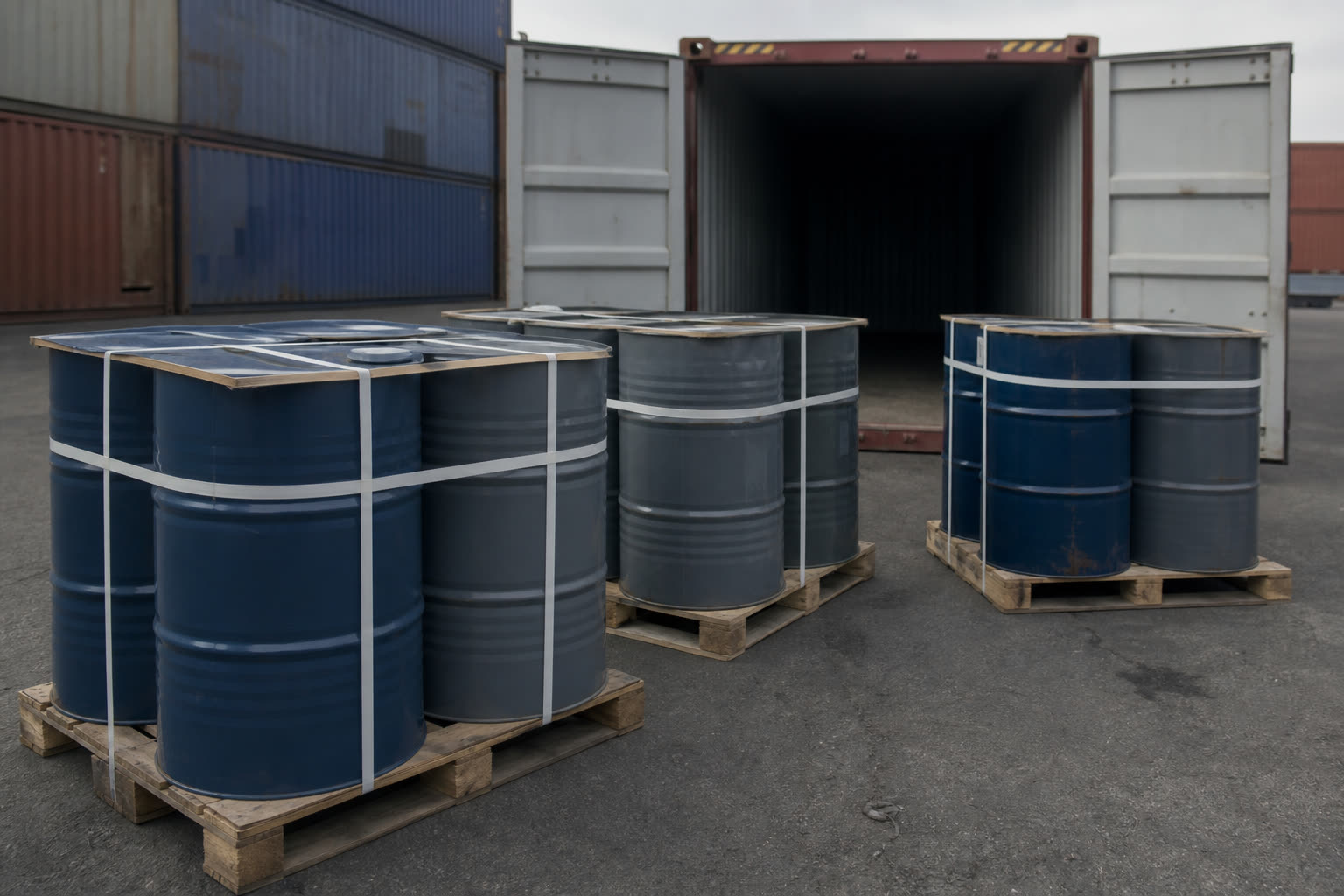
Shade Shine Pine offers gum rosin across nine colour grades as the base material, glycerol ester of gum rosin for standard PSA and food-contact applications, and ester gum (pentaerythritol ester) for hot melt and higher-temperature adhesive systems. Buyers formulating their own tackifier blends can also start from raw gum rosin in the grade that best suits their reaction conditions. Request samples and specifications by writing to info@shadeshinepine.com or calling +91 96965 09933. Bulk supply in 200 litre barrels is standard; tanker quantities are available for large-volume rosin orders.