Pine oil is one of the oldest and most reliable frothers in mineral froth flotation. It is classified as a non-selective, non-ionic surfactant: it stabilises air bubbles at the air-water interface without strongly preferring one mineral type over another. This makes it useful across copper sulphide, lead-zinc, coal and phosphate circuits. The frothing action comes from the terpene alcohol content of the oil, particularly alpha-terpineol and related terpenic alcohols, which adsorb at the bubble surface and reduce the rate at which bubbles merge.
How does pine oil work as a frother?
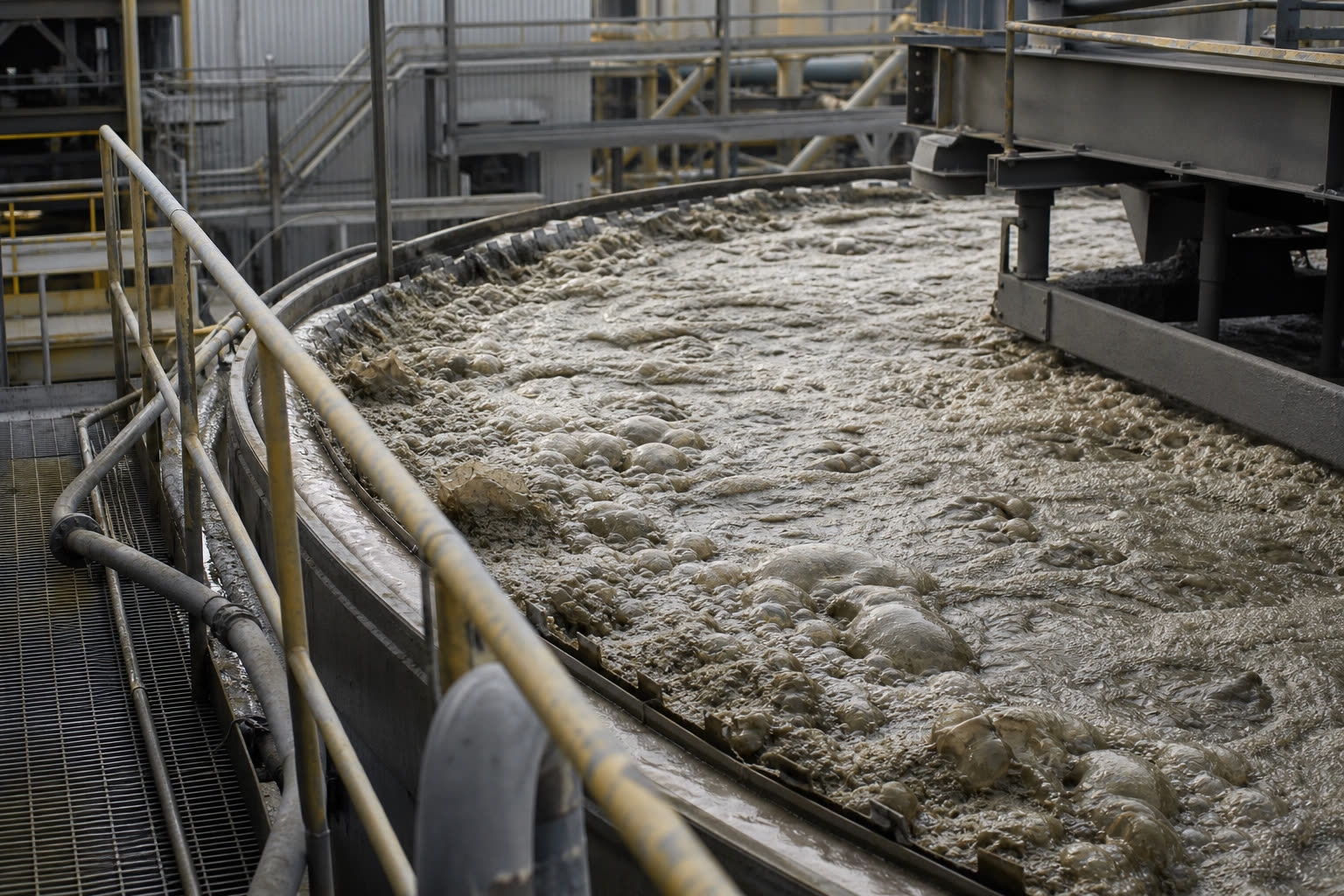
In a flotation cell, compressed air or mechanically inducted air is dispersed into a slurry of finely ground ore and water. Without a frother, the small bubbles generated inside the cell coalesce quickly into large bubbles as they rise. Large bubbles are weaker, carry fewer particles and reduce the probability of useful mineral-bubble collision. A frother controls dynamic surface tension at the gas-liquid interface, slowing coalescence and maintaining a stable, fine-bubble population throughout the cell.
Pine oil achieves this through its heteropolar molecular structure. The terpene alcohol molecules align at the bubble surface with the hydroxyl group pointing into the aqueous phase and the hydrocarbon terpene body pointing into the gas phase. This orientation reduces surface energy and provides a protective film that resists bubble merger. The result is a persistent froth layer at the top of the cell from which the mineral-laden bubbles can be scraped off as concentrate.
Historical literature from the American Institute of Mining, Metallurgical and Petroleum Engineers categorises pine oil as a non-selective frother, distinguishing it from cresylic acid (more selective) and modern synthetic frothers such as MIBC (methyl isobutyl carbinol) and polypropylene glycols. In practice, pine oil is often blended with synthetic frothers to tune froth stability for specific ores and cell designs.
What controls the frothing performance of pine oil?
Research has identified the following variables as the most significant:
- Chemical composition: Higher terpene alcohol content (principally alpha-terpineol) increases frothability. The hydrocarbons and ketones present in lower-grade pine oils contribute less to bubble stabilisation.
- Concentration: Frothing improves with concentration up to an optimum, beyond which excess frother can reduce flotation recovery. Studies on quartz flotation have shown maximum recovery at approximately 25 g per tonne, with decline at higher additions.
- pH: Performance is generally stable across a wide pH range, making pine oil suitable for both acid and alkaline circuit conditions.
- Temperature: Higher temperatures reduce froth persistence. In hot climates or tropical operations, dosage may need adjustment.
- Aeration rate: Bubble size and froth volume both depend on the rate of air addition; the frother dose must be balanced against the aeration regime.
Typical dosage rates for pine oil in flotation
| Application | Typical dosage (g per tonne of ore) | Notes |
|---|---|---|
| Copper sulphide | 20-100 | Often blended with MIBC |
| Lead-zinc (marmatite) | 25-75 | Pine oil also shows some collectorless action on marmatite |
| Coal flotation | 50-200 | Higher rates used for coarser particles |
| Phosphate | 20-80 | Combined with fatty acid collectors |
Industry convention expresses pine oil consumption as mass per dry tonne of ore fed to the circuit. The quoted range of 5 to 50 grams per tonne from flotation textbooks applies to simple sulphide ores; coal and complex mixed sulphide ores typically require higher additions.
Which grade of pine oil is correct for flotation?
Flotation circuits historically used crude pine oil with relatively low terpene alcohol content. As the industry has matured, better-controlled grades are preferred because they give more predictable performance. The key specification is alpha-terpineol content:
- Pine oil 22-25%: The lowest grade, containing predominantly terpene hydrocarbons with a limited alcohol fraction. Still used in some coal circuits where cost is the primary driver.
- Pine oil 45-50%: Mid-grade, balances cost and frothing effectiveness. Widely used in base metal flotation.
- Pine oil 60-65%: Higher terpineol content gives stronger and more persistent froth. Preferred where fine particles need to be recovered efficiently.
Very high-purity terpineol (85%+ or alpha-terpineol grade) is normally reserved for fragrance and pharmaceutical applications rather than flotation, where the cost premium is not justified.
Pine oil vs synthetic frothers: which should you use?
MIBC (methyl isobutyl carbinol) and polypropylene glycols produce non-persistent froths that collapse quickly downstream of the flotation cell, which simplifies water recovery. Pine oil produces a more persistent froth, which can improve recovery of slower-floating particles but requires more careful management of the froth zone. Where the froth needs to travel a significant distance or be pumped, pine oil's persistence can be a disadvantage. In many operations, a 50:50 blend of pine oil and MIBC achieves the best recovery with manageable froth downstream.
Pine oil also differs from synthetic frothers in that it is a natural, renewable product derived from terpene alcohols. This has relevance in markets with increasing pressure to reduce the use of petroleum-derived process chemicals.
Practical notes for procurement teams
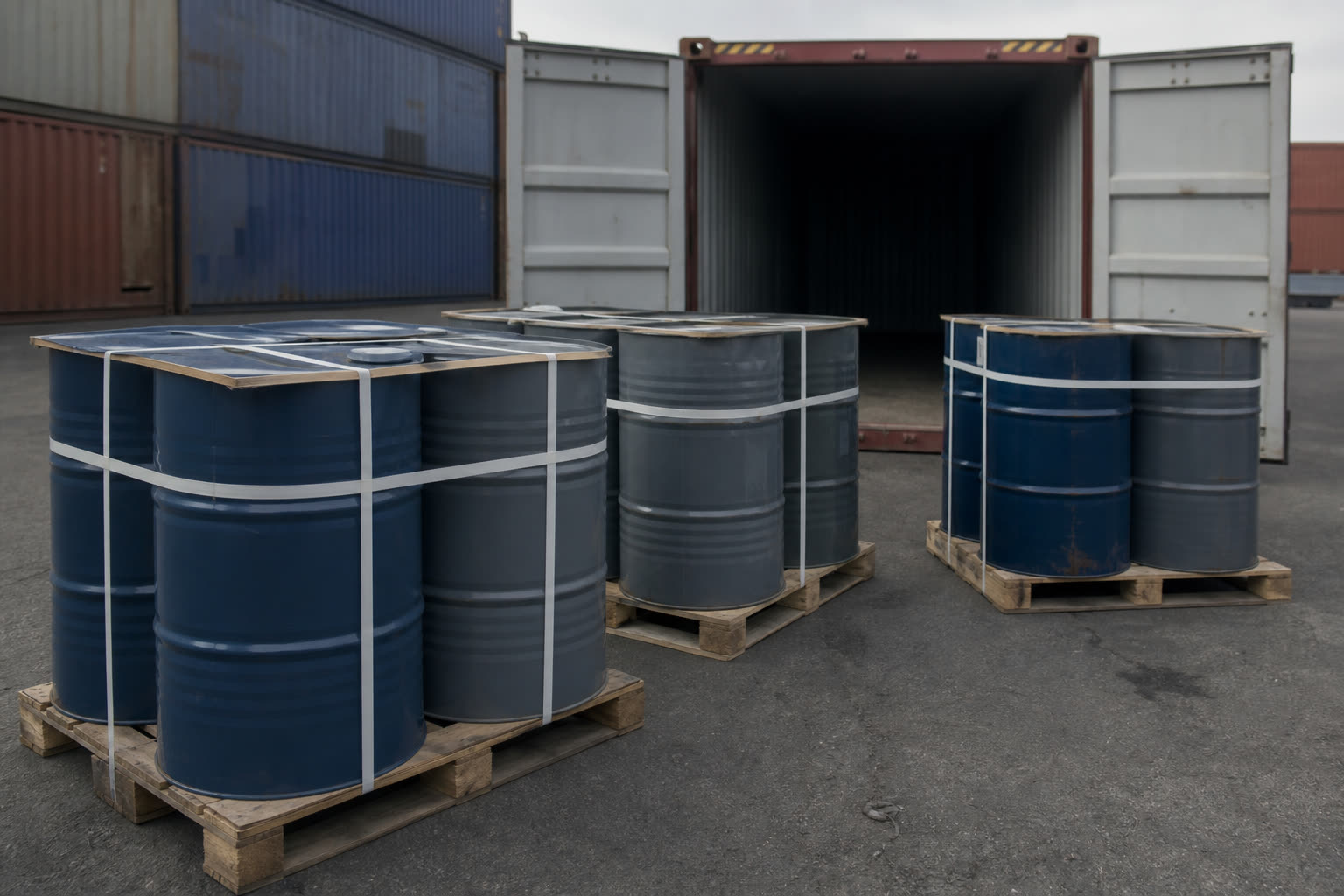
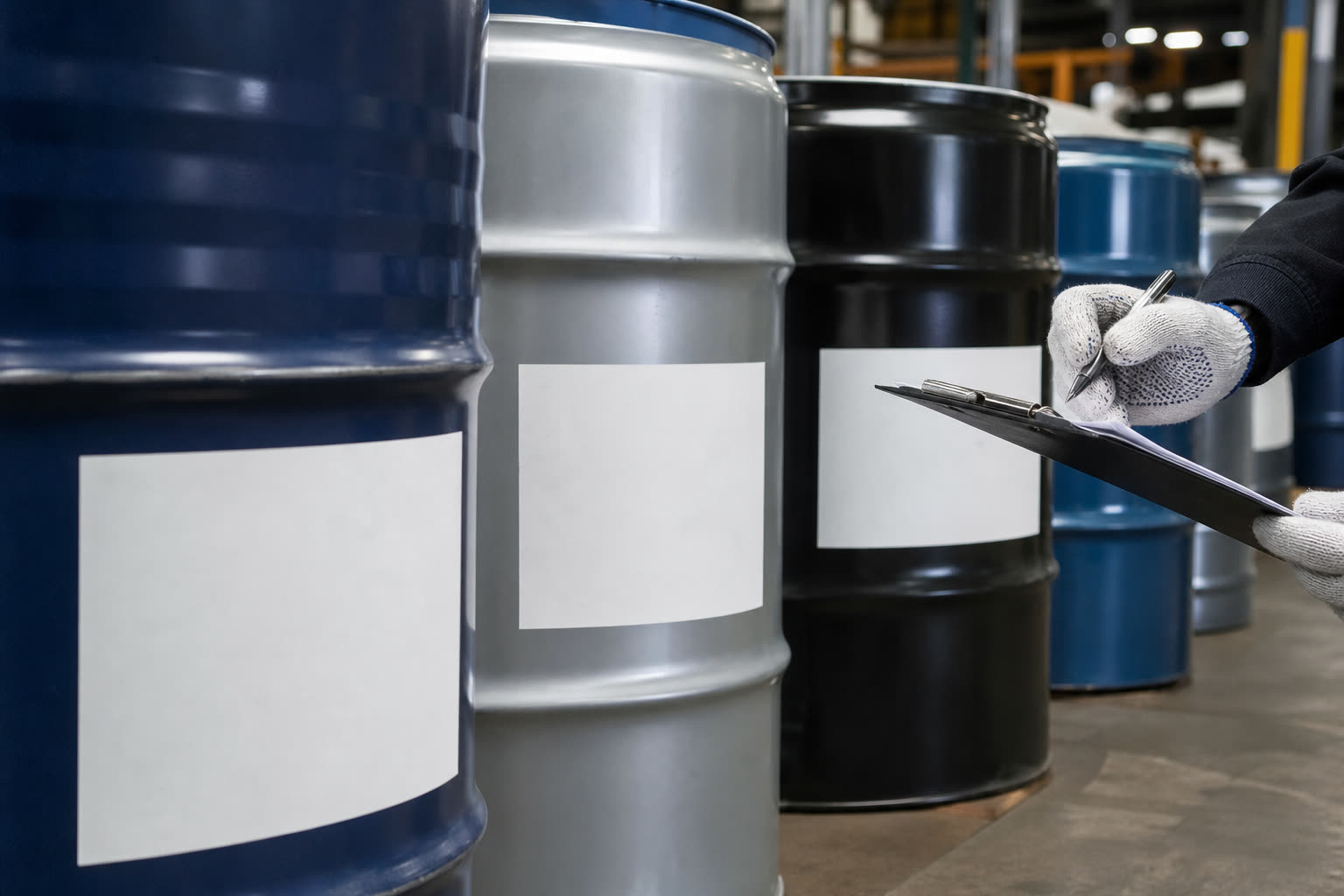
When purchasing pine oil for a flotation circuit, the most important specification to agree with the supplier is terpineol content, as this is the primary driver of frothing performance. Flash point and specific gravity confirm identity and approximate grade. Colour and odour are secondary quality indicators. Storage of pine oil in steel drums is standard; it is compatible with most mild steel tank materials. A practical trial of any new pine oil grade at bench scale before plant-scale commitment is always advisable, as the exact grade that gives optimal performance on a specific ore will depend on the mineralogy and the collector system being used alongside the frother.
For operations in regions where pine oil supply is unreliable, keeping a two-to-four week safety stock is sensible. Pine oil is a natural product and minor batch-to-batch variation in composition is normal; consistent sourcing from the same supplier reduces this variability.
Shade Shine Pine supplies pine oil across grades from 22% to 85% terpineol content. Purified terpineol is also available for laboratories evaluating the active component in isolation. For flotation duties, samples in trial quantities and bulk supply in 200 litre barrels are available. For sourcing raw turpentine feedstock, see our gum turpentine oil. Contact +91 96965 09933 or info@shadeshinepine.com to discuss your grade and volume requirements.