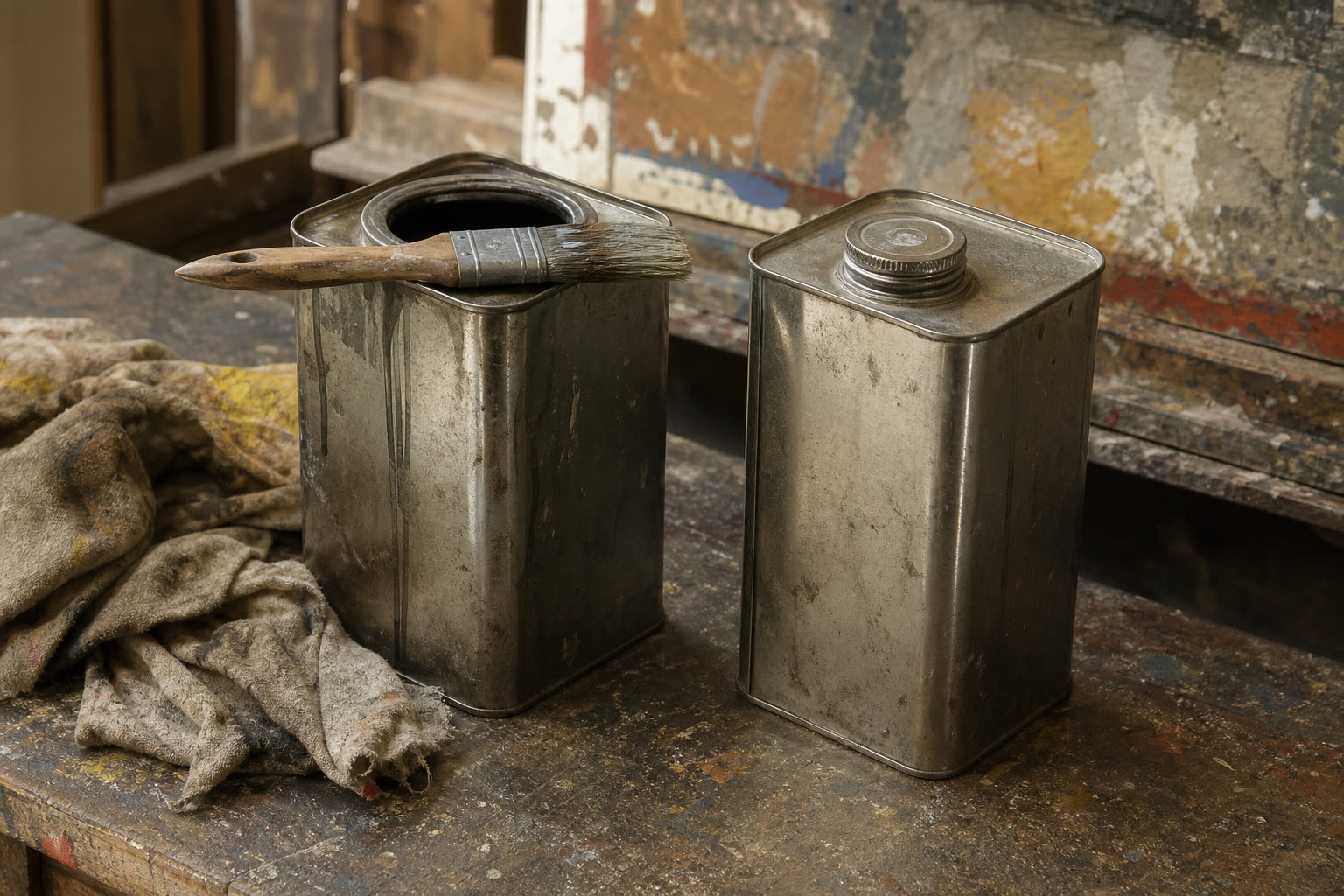
Walk into almost any hardware store or paint shop in India and you will find mineral turpentine oil, kerosene, and NC thinner on the same shelf. All three are clear or very lightly coloured liquids. All three are sold as solvents or thinners for painting. All three cause problems when used in the wrong application. After five decades in the solvent trade from Kanpur, we have seen the confusion happen at every level from household painters to works supervisors overseeing large industrial painting contracts. This post gives you a plain comparison so you can choose correctly the first time.
Side-by-Side Comparison
| Property | MTO | Kerosene | NC Thinner |
|---|---|---|---|
| Chemical basis | Refined petroleum naphtha, aliphatic and mild aromatic | Heavier petroleum distillate, C9 to C16 range | Blend of esters, ketones, alcohols, and aromatic solvents |
| Boiling range | 135 to 240 degrees Celsius approximately | 150 to 300 degrees Celsius approximately | 55 to 160 degrees Celsius, wide and fast fractions |
| Evaporation rate | Moderate, predictable | Slow, leaves oily feel on surface | Fast to very fast |
| Odour | Mild, faintly sweet petroleum | Strong, distinctly oily, familiar lamp-oil smell | Sharp, pungent, ester-like, lingers in enclosed spaces |
| Residue after evaporation | Very low (max 5 mg per 100 ml per IS 1745) | Significant oily residue, can trap dust and slow recoating | Low to none, but fast evaporation can cause blushing |
| Flash point | Above 35 degrees Celsius (Class B) | Above 37 degrees Celsius (Class B) | Often below 21 degrees Celsius (Class A, more stringent storage) |
| Correct use with alkyd enamel | Yes, the standard choice | Not recommended: leaves residue, slows drying, may cause adhesion loss | No: disrupts resin, causes blushing and poor film formation |
| Correct use with NC lacquer | No | No | Yes, formulated for this system |
| Brush cleaning after oil-based paint | Efficient, low residue | Works but leaves oily film on bristles | Works but more expensive and more flammable |
Why Do Painters Reach for Kerosene Instead of MTO?
Kerosene has been used in the Indian painting trade for generations, partly because it was historically cheaper and widely available at every petrol station and kirana, and partly because it does thin oil-based paint in a functional sense. The problems with kerosene are the oily residue it leaves behind as it evaporates extremely slowly, and the way it slows drying significantly in humid conditions. A painted surface thinned with kerosene may feel tacky for far longer than expected, trap dust, and develop an uneven sheen as the kerosene migrates through the wet film. Intercoat adhesion suffers if the second coat is applied before the kerosene has fully cleared from the first film. MTO evaporates cleaner and faster and leaves a much lower residue level, which is why IS 1745 sets a maximum of 5 mg per 100 ml on evaporated residue.
Why Does NC Thinner Ruin Alkyd Enamel?
NC thinner is formulated for nitrocellulose lacquer systems, which are solvent-release coatings that redissolve in their own solvents. Alkyd enamels are reactive-drying coatings whose resin chains cross-link through oxidation during curing. The fast esters and ketones in NC thinner disrupt alkyd resin chains in solution before the paint is even applied to the surface. You may see the paint become stringy or begin to gel in the pot. On the surface you get orange peel, blushing, poor flow, and a film that dries chalky rather than with a proper gloss. In a spray gun, NC thinner in an alkyd paint can partially block fluid passages. None of this is recoverable once the paint is on the wall.
What About Using MTO in NC Lacquer?
MTO in a nitrocellulose lacquer system will reduce the solids content but will not keep the nitrocellulose in proper solution for good film formation. NC lacquer depends on strong active solvents in the thinner to carry the nitrocellulose in a stable solution and to drive the right evaporation sequence during application. MTO is too mild for this role. The lacquer may apply with an uneven sheen, dry with a dull or patchy finish, and have reduced adhesion and flexibility. Use NC thinner for NC lacquer, without compromise.
Where Do Natural Pine Solvents Fit?
Natural pine solvents such as gum turpentine and dipentene occupy a different category entirely. They are compatible with alkyd and oil-based systems and offer the benefit of terpene chemistry for certain finishing applications. They are not substitutes for NC thinner, and they cost more per litre than MTO. For speciality wood finishing and art use, they have a clear role. For bulk industrial painting, MTO remains the most practical choice. Our guide on which thinner for which job maps all options in a single table.
Supply Options
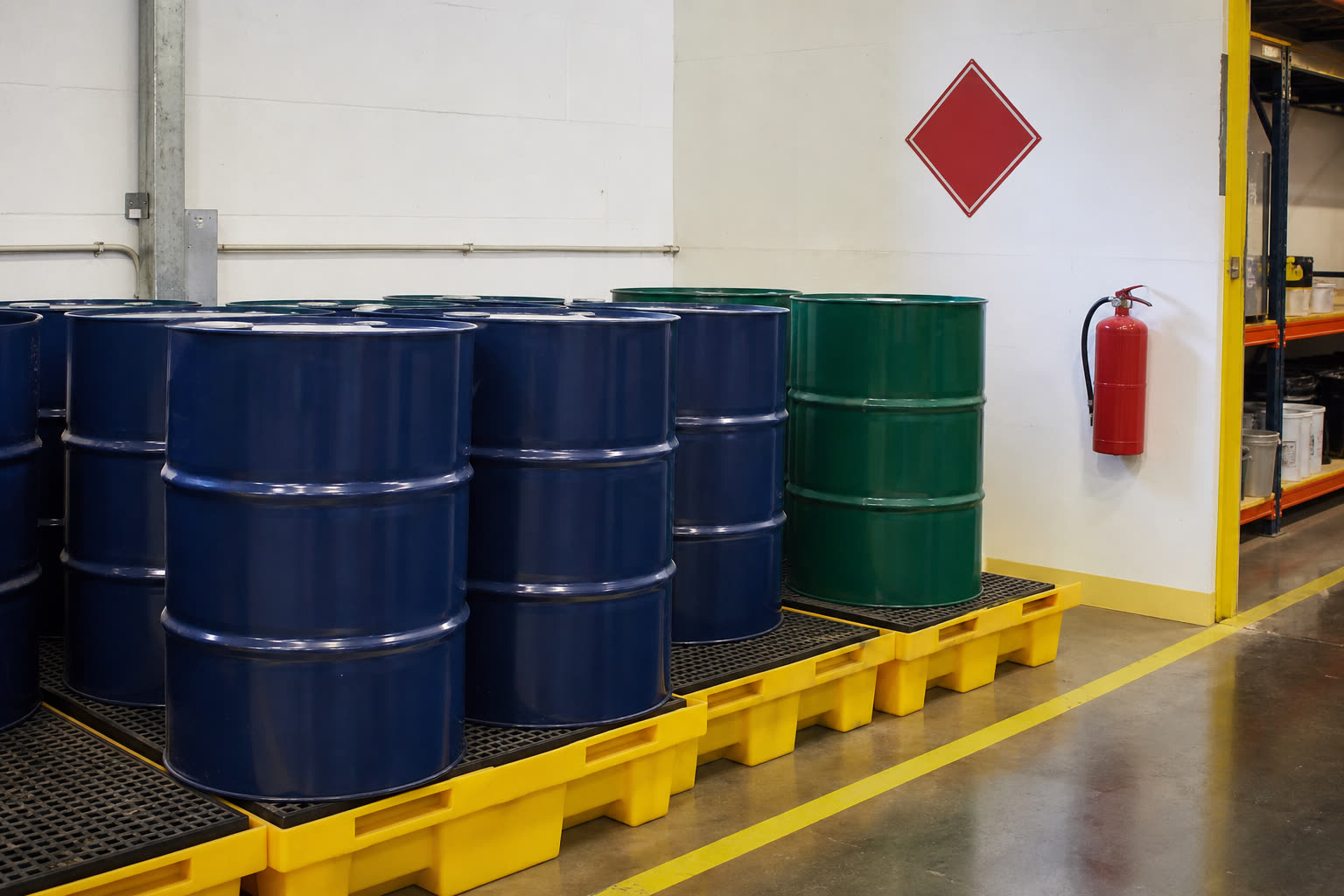
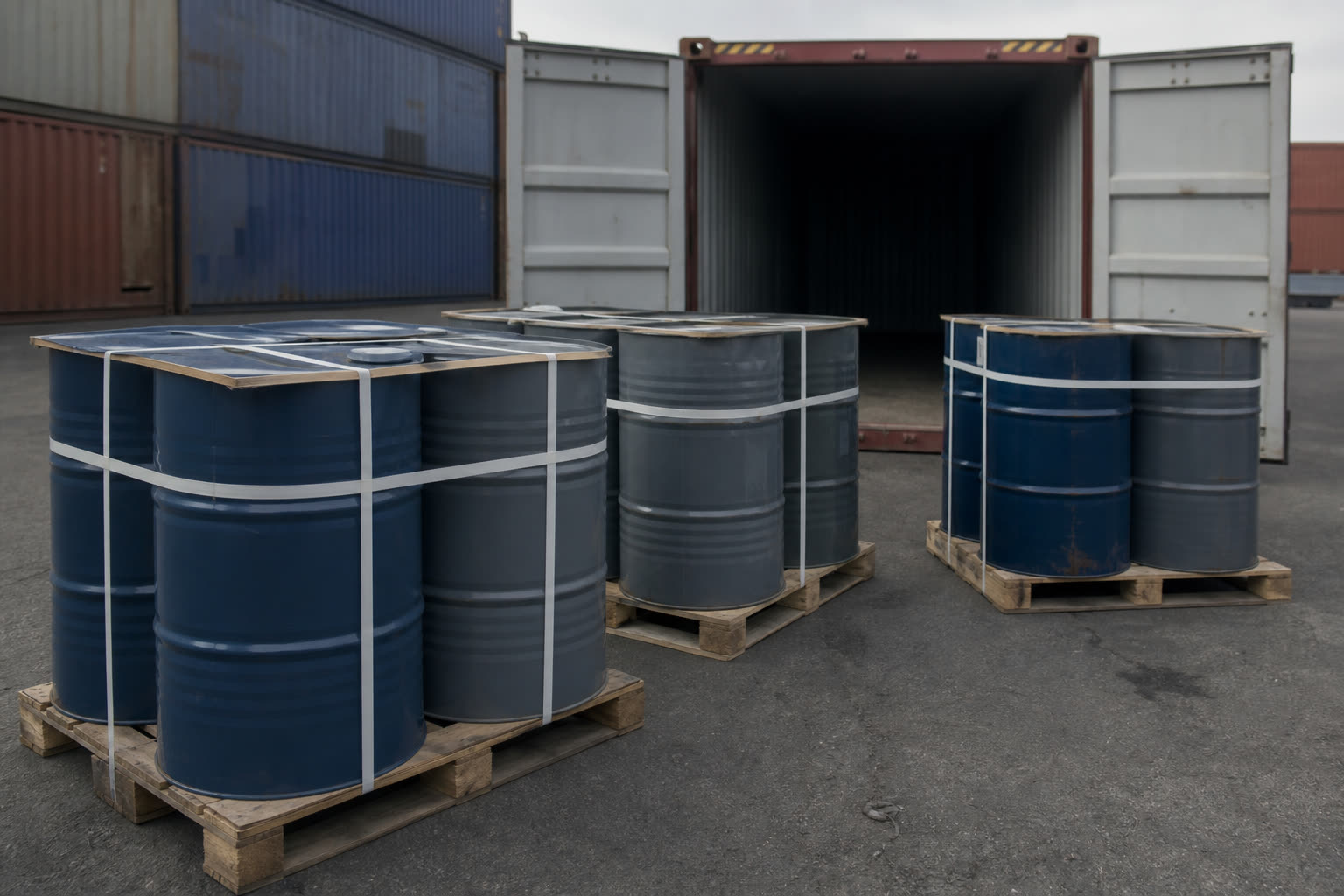
We supply mineral turpentine oil under the Shade Shine label in 1 litre bottles packed in cartons for retail counter supply, and in 200 litre drums and road tanker quantities for contractors, stockists, and industrial buyers. Contact Yash Agarwal at +91 96965 09933 or info@shadeshinepine.com for pricing and delivery.
Can You Mix MTO and Kerosene to Make a Cheaper Thinner?
Some painters in the trade do blend MTO and kerosene to reduce cost. The resulting mixture will thin alkyd enamel but will carry the disadvantages of both the slow evaporation of kerosene and a residue level above what plain MTO leaves. On a fast-turnaround job or in conditions where drying time is tight, the kerosene component will slow the process noticeably. The blend will also affect the dried film slightly, with marginally lower gloss and a risk of inter-coat adhesion issues if the next coat goes on before the kerosene fraction has fully cleared. For any quality painting work, using clean grade MTO and avoiding the blend entirely is the right practice. The saving on a small job is typically negligible against the risk of a quality problem.