Wood finishing covers a wide range of products and techniques, from a quick wax coat on a pine shelf to many layers of hand-applied French polish on a teak writing desk. Mineral turpentine oil is a practical solvent across a significant part of that range. Understanding where it works well and where it falls short saves finishers time and money in rework.
What Role Does MTO Play in Wax-Based Wood Polishes?
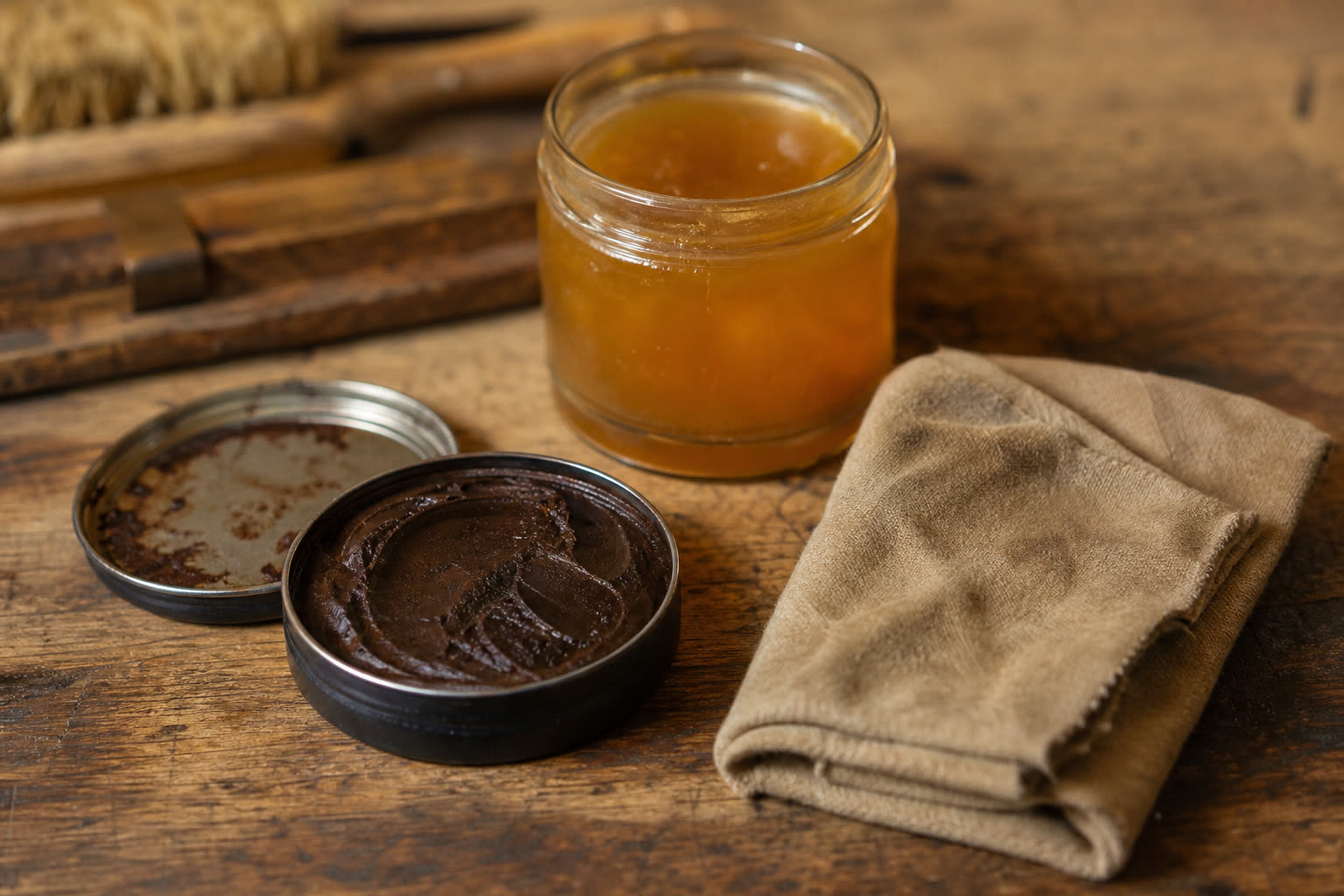
Most commercially available floor polishes, furniture paste waxes, and wood conditioning polishes use a petroleum solvent, typically MTO or a close cousin, as the carrier that keeps the wax in a spreadable or liquid form. The wax dissolves or disperses in the solvent during production at the polish works; the mixture is spread on the wood surface by the end user; the MTO evaporates at its characteristic moderate rate; and the wax solids remain on the surface to be buffed to a sheen. This is the mechanism behind almost every tin of paste or liquid wood polish on the market in India.
When you need to thin a paste wax that has thickened in cold storage, or when you are preparing a beeswax stock for a specific application viscosity, MTO is the appropriate diluent. Add a small amount at a time, stir well, and test the spreading consistency on a scrap piece before committing to the finished workpiece. Do not over-thin; a wax that is too liquid penetrates unevenly and may raise the wood grain.
Is MTO Used in Shellac-Based French Polish?
No, and this is the most important point in this post. French polish is shellac dissolved in ethyl alcohol or denatured spirit. The solvent for shellac is alcohol, not petroleum. MTO will not dissolve shellac and will badly contaminate a French polish pad if it comes into contact with it, causing streaking and crazing of the shellac film. Keep MTO entirely separate from shellac-based finishing work. The thinning and cleaning solvent for French polish is methylated spirit or pure ethyl alcohol, and nothing else should go near it.
Where Does Natural Turpentine Earn Its Premium?
In the traditional natural resin finishing world, gum turpentine has a distinct chemical role that MTO cannot replicate. Terpene solvents interact with linseed oil, stand oil, and natural resins such as dammar and copal in ways that aliphatic hydrocarbons do not. In oil-based finishes for hardwood furniture, turpentine promotes better penetration of the early sealing coats, helps the oil polymerise more evenly across the surface, and gives a slightly longer open time that aids levelling by brush or pad. Fine furniture workshops and conservators working on historical pieces regard this difference as meaningful and worth the cost premium.
Double distilled turpentine oil is a step above standard gum turpentine in purity and is a sensible choice when the finish must be as free from heavy-end residue as possible. We produce DDTO in Kanpur and can supply it from small quantities up to drum volume.
Can MTO Be Used Between Coats of an Oil-Based Varnish?
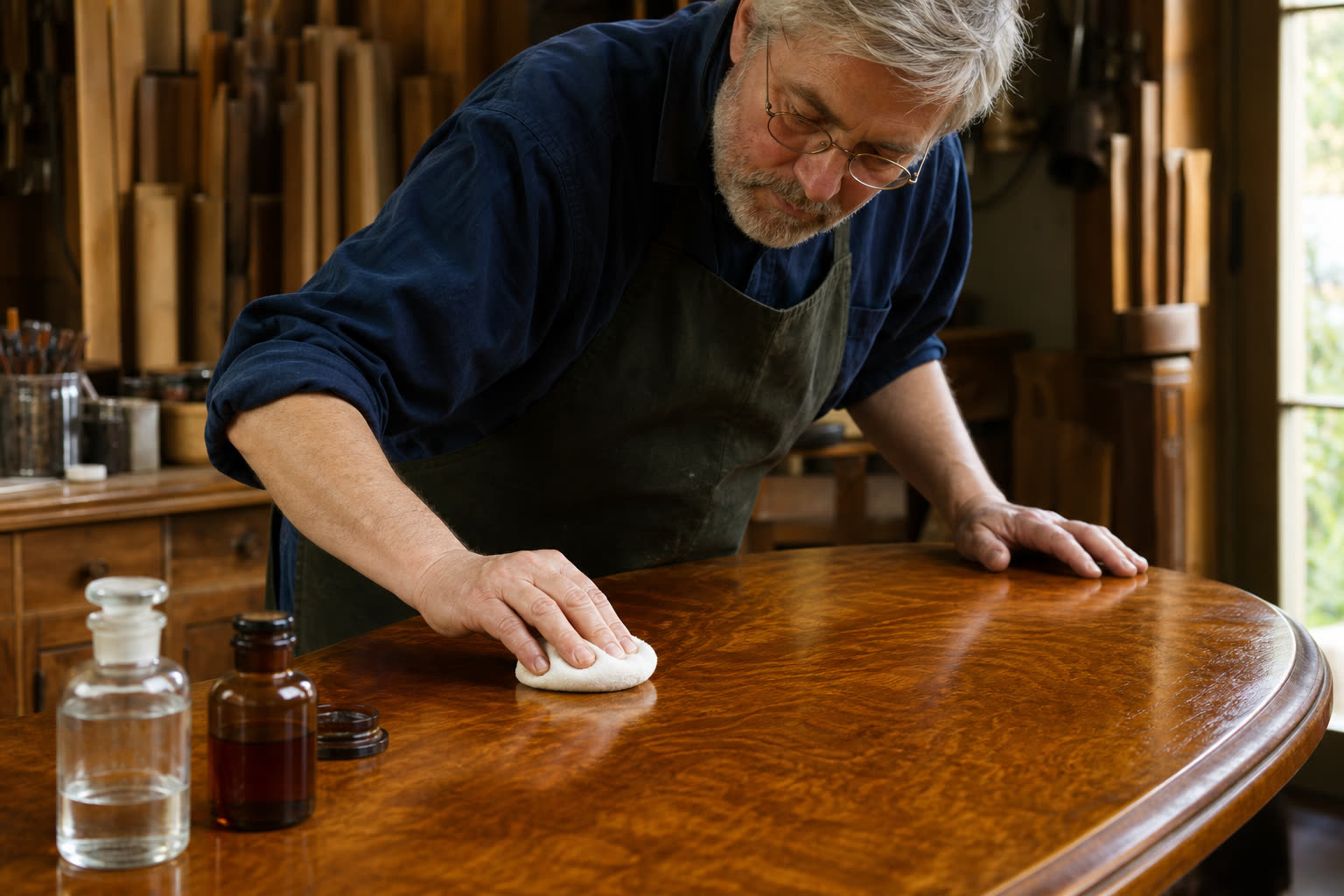
Yes. Between coats of alkyd or oil-modified varnish, wiping the cured surface lightly with a clean rag dampened in MTO removes dust nibs and surface contamination before the next coat goes on. This is a common practice in furniture workshops across India and it works well. The critical condition is that the previous coat must be completely hard and dry before you wipe. If it is even slightly tacky, MTO will soften and streak the film and you will need to let it cure fully before attempting to recoat. Wait, check hardness by pressing your thumbnail into an inconspicuous area, then clean and recoat.
MTO for Cleaning Finishing Equipment
Brushes, pads, and containers used with oil-based wood finishes clean readily in MTO. Follow the two-container settling method described in our guide on cleaning brushes and tools with MTO. Natural bristle finishing brushes benefit from a conditioning rinse in a small amount of gum turpentine after the MTO wash; it keeps the bristles supple and prevents splitting at the tips over a season of regular use.
Get the Right Solvent for Your Finishing Work
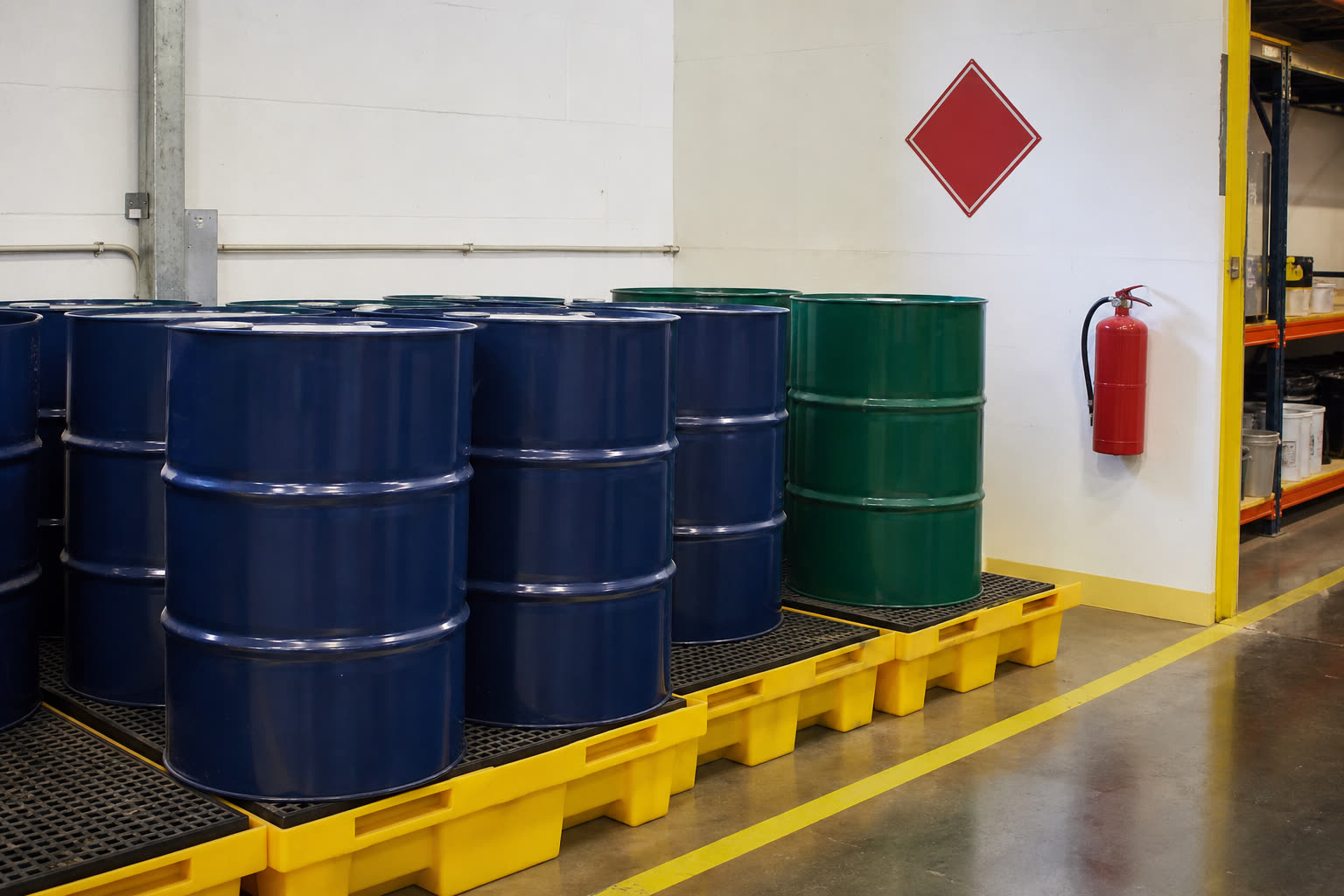
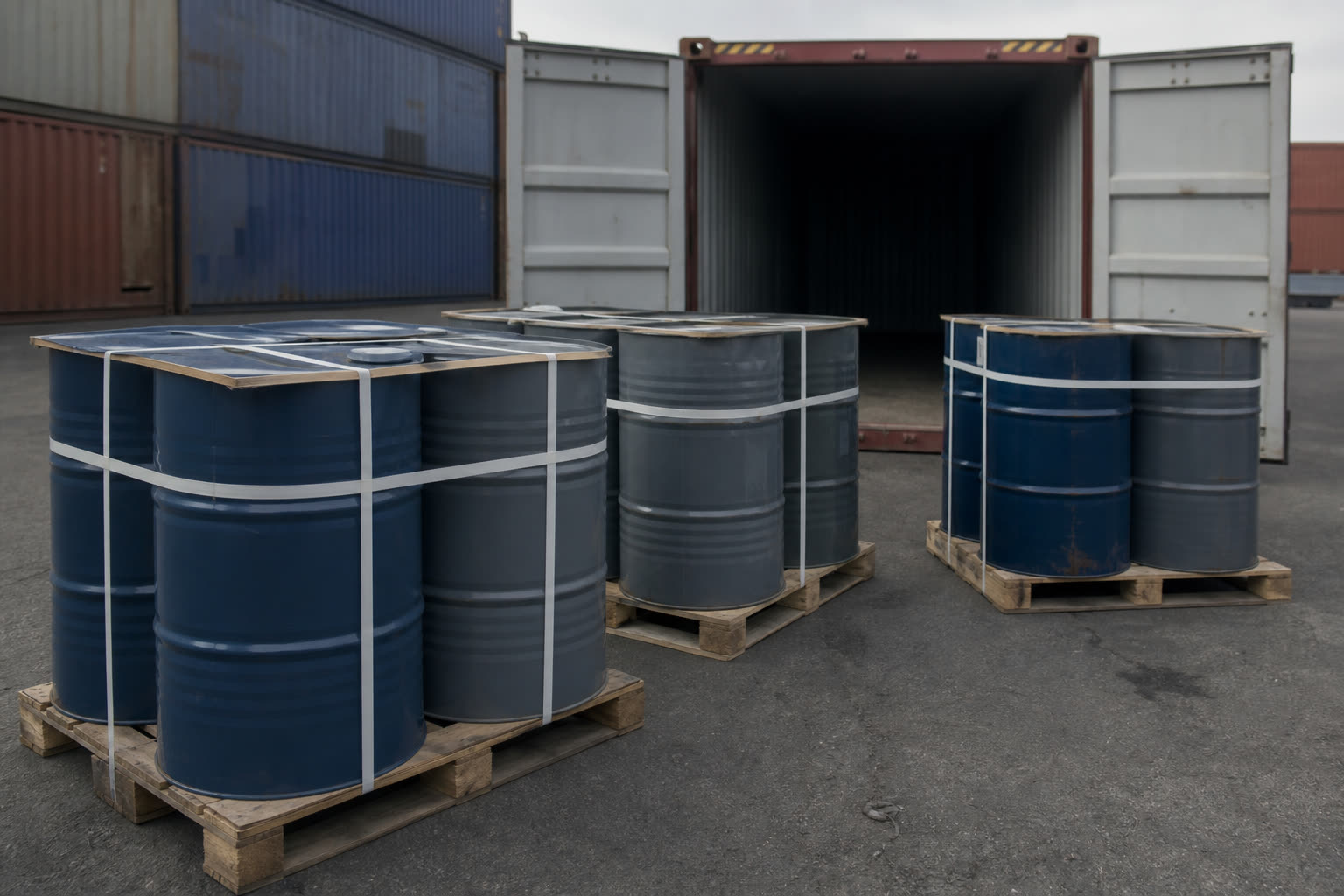
We supply mineral turpentine oil in Shade Shine 1 litre bottles packed in cartons for small workshops and individual finishers, and in 200 litre drums for furniture works and finishing contractors with steady consumption. Gum turpentine and DDTO are available in matching pack options. For larger requirements, road tanker supply of MTO can be arranged. Contact Yash Agarwal at +91 96965 09933 or email info@shadeshinepine.com.
How Much MTO Should You Carry as a Wood Finishing Workshop?
A small furniture workshop finishing perhaps five to ten pieces a week will typically use 10 to 20 litres of MTO a month for polish thinning, surface wipe-downs between coats, and brush cleaning. At that volume, a supply of Shade Shine 1 litre bottles packed in cartons offers the most practical stock control. Each bottle is sealed until needed, shelf life is long, and ordering in small quantities avoids tying up cash in a large drum of solvent sitting in the store. A larger production furniture works turning out 50 or more pieces a week will find the 200 litre drum more economical on a per-litre basis and easier to manage at the dispensing station with a drum pump. The crossover point between bottle and drum supply is typically around 30 to 40 litres per month of actual consumption.