
Every commercial movement of Mineral Turpentine Oil in India needs a correctly prepared GST invoice and, in most cases, an e-way bill. Getting these documents right matters for the buyer's input tax credit and for the supplier's compliance. This post gives a plain overview of how MTO is classified and documented in India. Because tax rules change and individual circumstances vary, we end with a clear note: confirm specifics with your chartered accountant or customs broker before filing.
What HS Code Covers MTO?
MTO falls within HS Chapter 27, which covers mineral fuels, mineral oils and products of their distillation. The heading is 2710, covering petroleum oils and oils obtained from bituminous minerals other than crude. The sub-heading 2710.19 covers petroleum oils and related products that are not light oils or preparations. Within the Indian tariff's eight-digit extension, MTO is commonly documented under 27101990, which covers other petroleum oils not elsewhere specified within the heading.
The exact eight-digit code applicable to your specific MTO grade should be confirmed by your chartered accountant or customs broker, as classification can depend on the precise product specification, aromatic content, and how the relevant tariff authority has ruled on similar products. Some Indian supplier datasheets and trade databases do list 27101990 for standard MTO and white spirit, but an advance ruling from the relevant authority removes ambiguity for high-volume importers or when customs valuation is involved.
What GST Rate Applies to MTO?
MTO, classified under heading 2710, is generally subject to GST at 18 percent. This is composed of nine percent CGST plus nine percent SGST for intra-state supply, or 18 percent IGST for inter-state supply. MTO is not in the list of petroleum products excluded from GST: that exclusion applies specifically to petroleum crude, high-speed diesel, motor spirit (petrol), natural gas, and aviation turbine fuel. MTO and white spirit are none of those products and are therefore within the GST framework.
Do not apply a petroleum-product tax exemption or a different rate to MTO without confirming it specifically for your HSN code with your CA. The rate on heading 2710 products can vary for narrowly defined sub-categories, and an incorrect rate creates reconciliation problems and potential interest or penalty exposure.
How Should MTO Appear on a Tax Invoice?
A GST tax invoice for MTO should include at minimum:
- Product description: "Mineral Turpentine Oil / White Spirit" or the brand name plus the generic description
- HSN code: the applicable 8-digit code, commonly 27101990
- Quantity and unit of quantity (UQC): litres or kilolitres
- Taxable value per unit and total taxable value
- Applicable rate: CGST 9% plus SGST 9% (intra-state) or IGST 18% (inter-state)
- GST amount in rupees
- Supplier GSTIN, recipient GSTIN (if B2B), invoice number and date, place of supply
- Delivery address where it differs from the billing address
For suppliers falling within the e-invoicing mandate, the invoice must be reported to the Invoice Registration Portal before issue, and the IRP-assigned IRN and QR code must appear on the invoice. The same HSN and description used on the physical invoice must appear in the IRP upload.
When Is an E-Way Bill Required for MTO?
Under Rule 138 of the CGST Rules, an e-way bill is required before the movement of goods where the consignment value exceeds fifty thousand rupees, subject to certain exceptions. MTO is not among the national-level exemptions that cover petroleum crude, HSD, petrol, natural gas, and ATF. Accordingly, a consignment of MTO with invoice value above the threshold requires an e-way bill to be generated before the goods move.
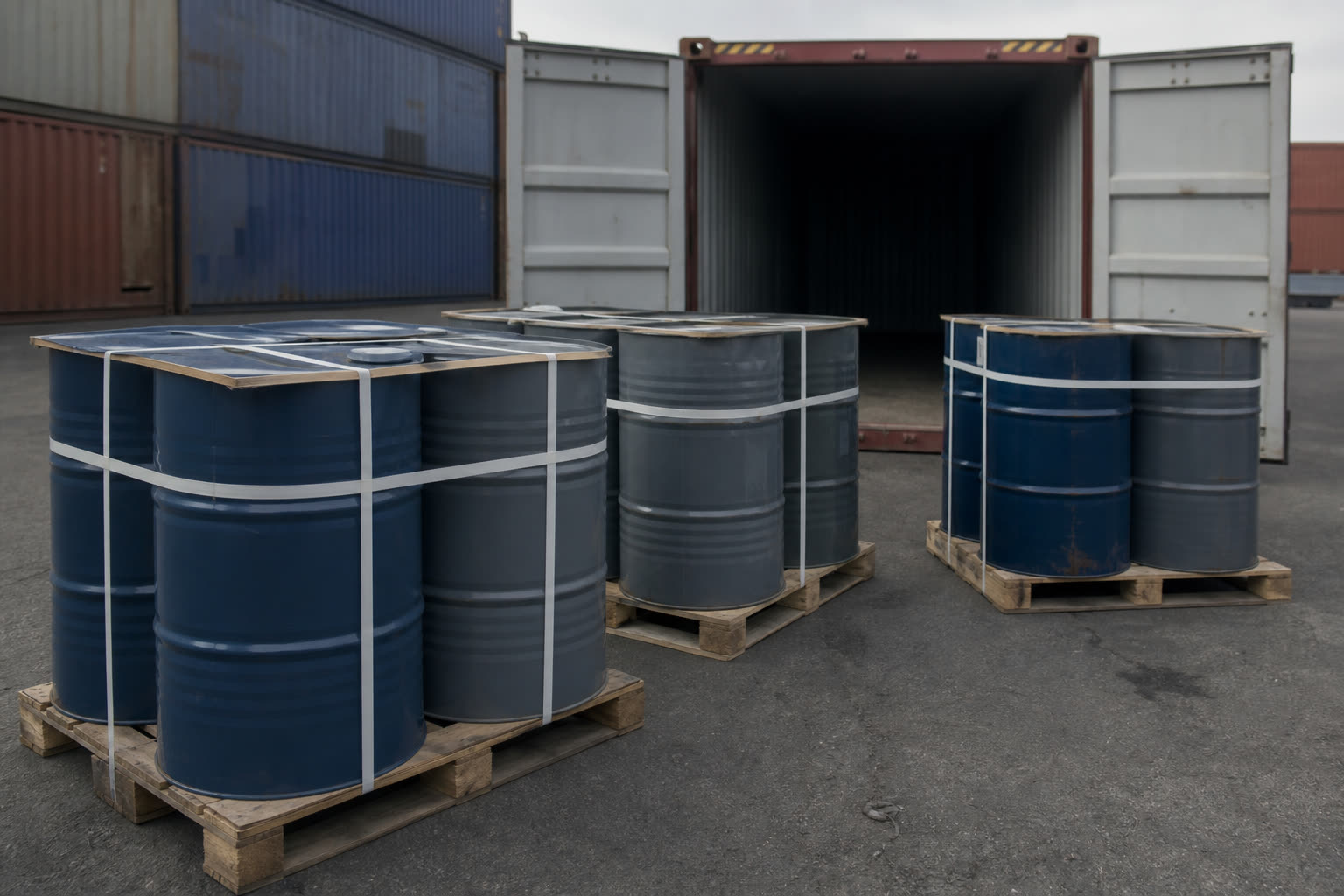
The e-way bill should include the invoice number and date, the value of the consignment, the HSN code, the GSTIN of both consignor and consignee, the transporter ID or vehicle number, and the delivery address. For tanker loads and drum shipments moving across state lines, the e-way bill is a routine requirement. Some states have set lower thresholds for intra-state movement: confirm the applicable rule for your state with your CA.
Carrying goods without a valid e-way bill where one is required can result in detention of the goods and vehicle and penalties under the GST law. For a solvent that moves in large volumes and visible tankers, documentation gaps are quickly noticed at checkposts.
A Note for Importers
If you are importing MTO rather than buying from a domestic refinery, HS 2710.19 is the relevant heading at the customs level as well, and the applicable customs duty, IGST, and any cess should be calculated on the correct sub-heading. Again, engage a licensed customs broker and confirm the classification before filing your bill of entry. The sea freight for drummed chemicals post on our blog covers logistics considerations for import shipments.
How Does GST Impact the Landed Cost for Bulk MTO Buyers?
For registered GST businesses buying MTO as an input for paint or coatings production, the 18 percent GST paid on MTO purchases is typically recoverable as input tax credit against the GST collected on outward supply of the finished product. This means the net tax burden for a B2B buyer using MTO in a taxable supply chain is lower than the headline rate suggests. For unregistered buyers or end consumers, the full GST cost is a pass-through. When comparing MTO quotes from different suppliers, confirm whether the quoted price is inclusive or exclusive of GST, as the answer changes the effective comparison significantly.
Confirm With Your Chartered Accountant
The framework described here is based on publicly available GST notifications, CBIC rate schedules, and industry practice as we understand it. Tax law changes, and individual transactions have specific facts that can alter the analysis. Before making filing decisions, confirm the applicable HSN code, rate, e-invoicing obligation, and e-way bill threshold with your chartered accountant. This post is an orientation, not professional tax advice.
Shade Shine Pine Industries supplies MTO with properly prepared GST invoices and e-way bill documentation for all qualifying shipments. We supply in 1-litre Shade Shine branded bottles in cartons, in 200-litre drums, and by road tanker. For supply enquiries, contact Yash Agarwal at info@shadeshinepine.com or +91 96965 09933.