Degreasing before painting, assembly, or inspection is one of those jobs that often gets done with whatever solvent is close at hand. In most Indian workshops, that means mineral turpentine oil, and for most degreasing tasks it is a reasonable choice. It dissolves light to medium mineral oils, lubricating greases, cutting fluids, and general workshop grime quickly and without leaving a significant residue on the metal surface. Understanding where it works well, and where its limitations matter, keeps the job effective and the workplace safe.
What Does MTO Degrease Effectively?
- Light machine oil and lubricants: Oil films left on machined parts, bearings, shafts, and metal brackets before painting dissolve readily in MTO. Wipe with a clean rag dampened in MTO, using clean sections of cloth for each wipe to avoid spreading rather than removing the oil across the surface.
- Cutting and threading fluids: Metalworking fluids that accumulate on lathe beds, milling tables, and hand tools are well within MTO's dissolving range. These fluids are typically mineral oil based and respond quickly to a MTO wipe-down.
- General workshop grease: Bearing grease, chassis grease, and multi-purpose greases thin and lift with MTO applied on a rag or soft brush, though heavily accumulated grease may need two wipe-overs with fresh solvent sections to clear completely.
- Residual marking and protective fluids: Layout fluids, temporary blue marking inks, and light protective coatings on metal stock clean off with MTO in most cases without damaging the metal surface.
- Workshop floor contamination: Light oil spills on concrete floors can be treated with MTO applied to an absorbent material such as sawdust or dry clay granules, which then lifts the oil for sweeping. This is standard practice in Indian workshops before floor painting or maintenance inspections.
Where Should MTO Not Be Used?
- Before waterborne coatings: MTO leaves a thin hydrocarbon film on metal surfaces even after full evaporation. Waterborne primers and paints may not wet the surface well over this film, leading to crawling or adhesion failure. If you are moving to a waterborne coating, use a water-miscible degreaser or a degreaser confirmed compatible with the coating system you are using.
- Near open flames or hot work areas: MTO has a flash point above 35 degrees Celsius. In a hot workshop during the Indian summer, surfaces and air temperatures can approach conditions where ignition risk from accumulated vapour becomes significant near welding arcs, grinding sparks, or gas flames. Follow your local fire rules and ensure good cross-ventilation during use.
- On plastics, rubber seals, or existing paint: MTO will soften or swell many plastics and elastomers on contact. It will also attack existing paint coatings if left in contact for more than a few moments. Use it only on bare metal or surfaces you have confirmed are compatible with petroleum solvent.
- For heavy bituminous deposits or cured epoxy: MTO will soften light bitumen given soaking time, but thick tar deposits or fully cured epoxy residues need a more aggressive solvent. MTO is not the right tool for these and repeated application will waste solvent without fully clearing the surface.
How to Degrease Correctly with MTO
Work with lint-free rags or industrial wipes rather than synthetic fibre cloths that spread oil rather than absorb it. Pour a controlled amount of MTO onto the rag rather than immersing the part, which wastes solvent and creates unnecessary vapour in the work area. Work in one direction across the surface rather than scrubbing in circles, which redistributes contamination. Use a clean section of the rag with each wipe. After the final wipe, let the surface air-dry for at least 10 to 15 minutes before applying a primer or coating, so all solvent has evaporated and no hydrocarbon film remains active.
Is Pine Oil a Complement to MTO for Degreasing?
For certain applications where a more pleasant work environment or mild antibacterial action alongside degreasing is useful, pine oil can be added in a small proportion to MTO. Pine oil is a natural terpene product with good solvency for oils and some additional properties that petroleum solvents alone do not offer. It is less aggressive toward some plastics and rubbers. However, pine oil costs more per litre and evaporates more slowly than MTO. For straightforward metal degreasing before industrial painting, MTO remains the more economical first choice. Our post on MTO flash point and safe storage covers the handling requirements in more detail.
Enquire About MTO for Your Workshop
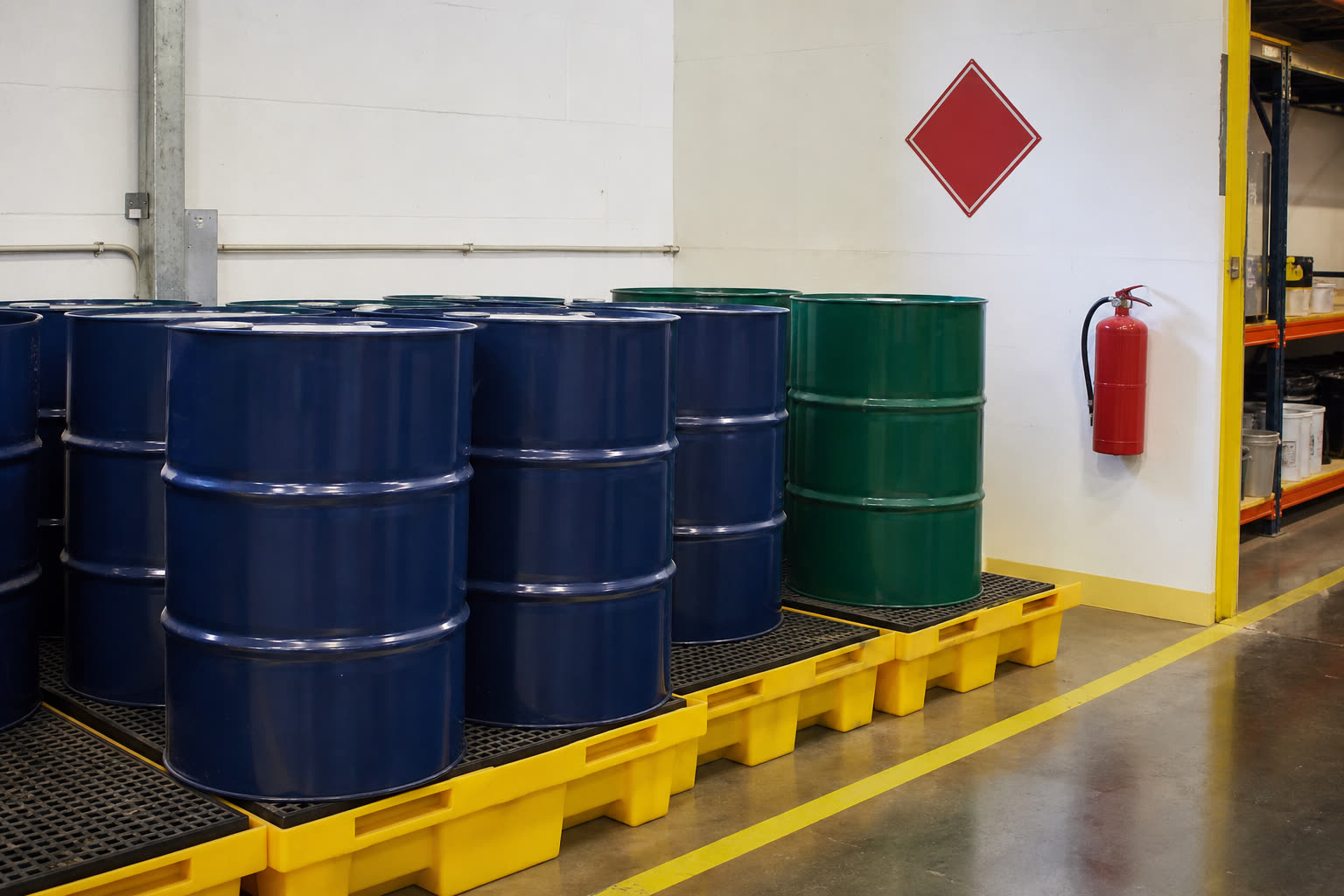
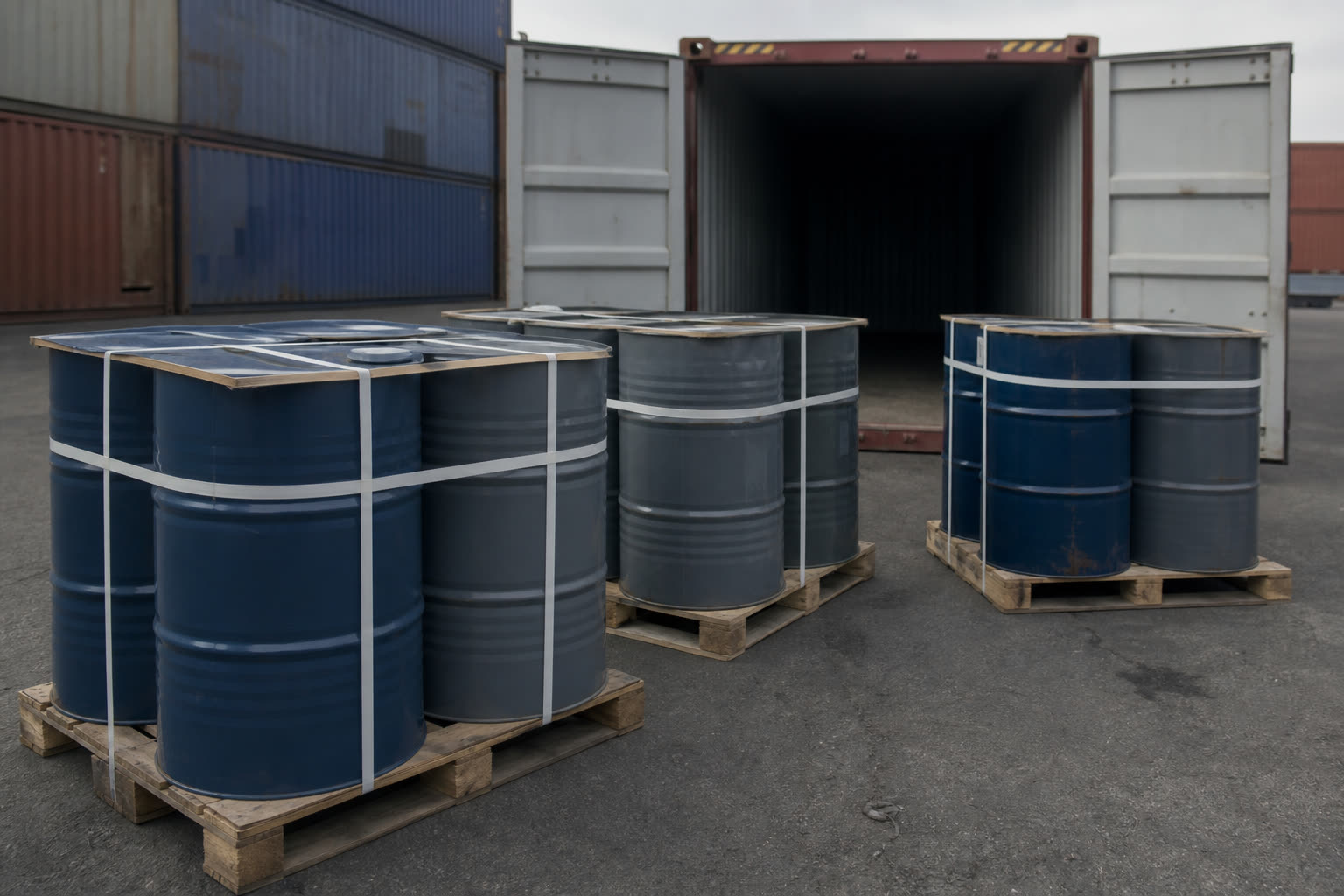
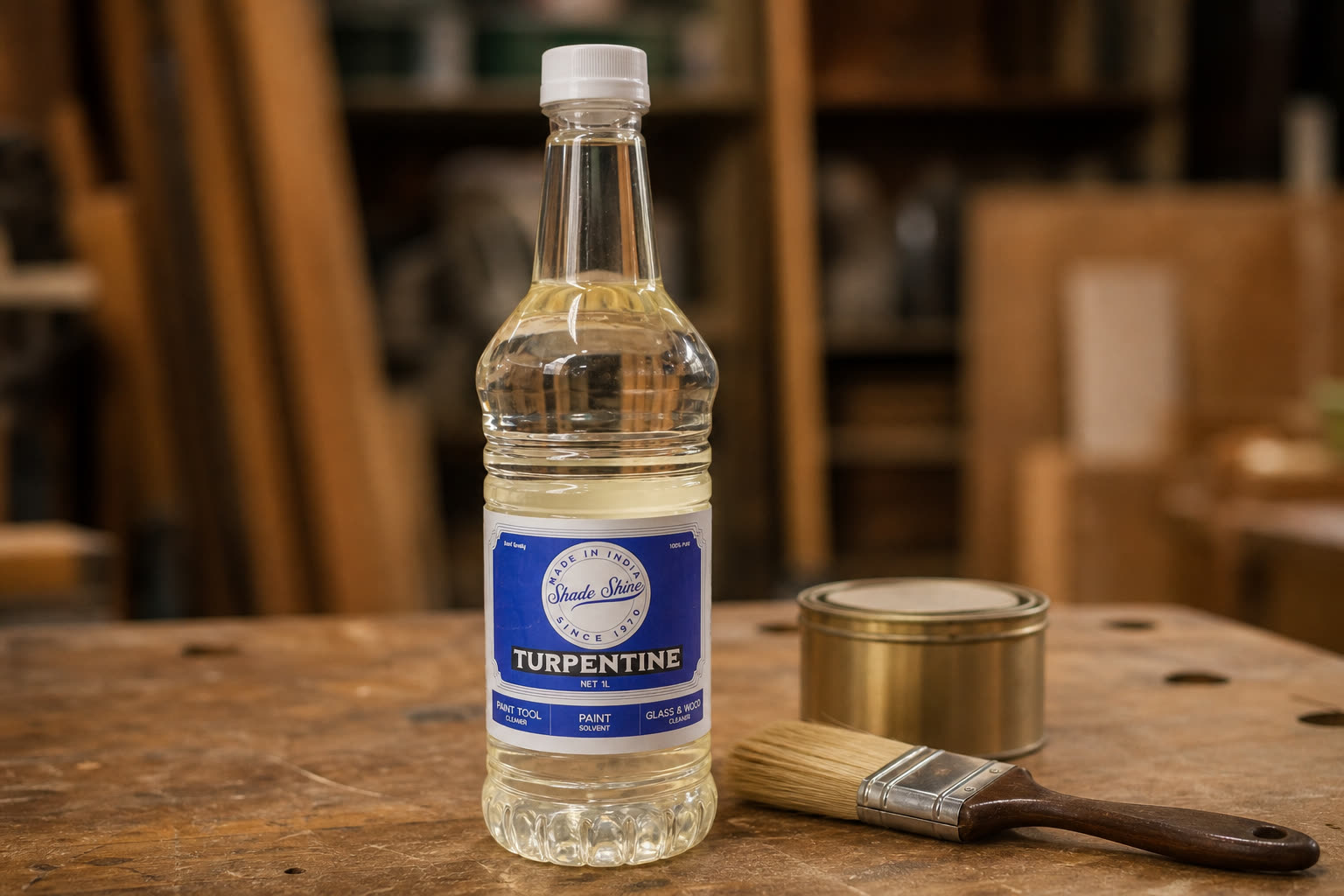
We supply mineral turpentine oil in Shade Shine 1 litre bottles packed in cartons for small workshops where controlled use is important, and in 200 litre drums for operations with steady solvent consumption. Road tanker supply is available for larger industrial buyers. Contact Yash Agarwal at +91 96965 09933 or email info@shadeshinepine.com.
How Does MTO Compare to Dedicated Industrial Degreasers?
Dedicated industrial degreasers, whether chlorinated solvent types or aqueous detergent-based types, are formulated for specific contamination profiles and often have faster action on heavy grease deposits or speciality oils that petroleum solvents handle less efficiently. MTO is a general-purpose first option for light to medium contamination on steel and cast iron. For precision-machined components going into assemblies with tight tolerances, or for parts that will receive epoxy or polyurethane coatings that need an exceptionally clean and dry surface, a specialist degreaser followed by confirmation testing may be the right approach. For most painting applications in the Indian trade, MTO removes what needs removing at a cost and availability that nothing else matches. Use specialist degreasers where the application genuinely demands them, not as a default substitution for MTO in ordinary workshop cleaning.