
The pine chemicals industry converts crude pine oleoresin (and, in countries with large pulp sectors, kraft wood by-products) into a family of resins, terpenes and aroma chemicals that reach end markets as adhesive tackifiers, fragrance ingredients, pharmaceutical intermediates, rubber processing aids, paper sizing agents, soldering fluxes and mineral flotation reagents. It is a genuinely global industry with concentrated production in a handful of countries, a complex trade flow driven by feedstock availability and cost, and increasing pressure from both synthetic substitutes and sustainability requirements.
What are the two main feedstock streams?
Pine chemicals come from two fundamentally different feedstock routes, and understanding this distinction is essential for buyers evaluating supply security and quality.
Gum naval stores (oleoresin tapping)
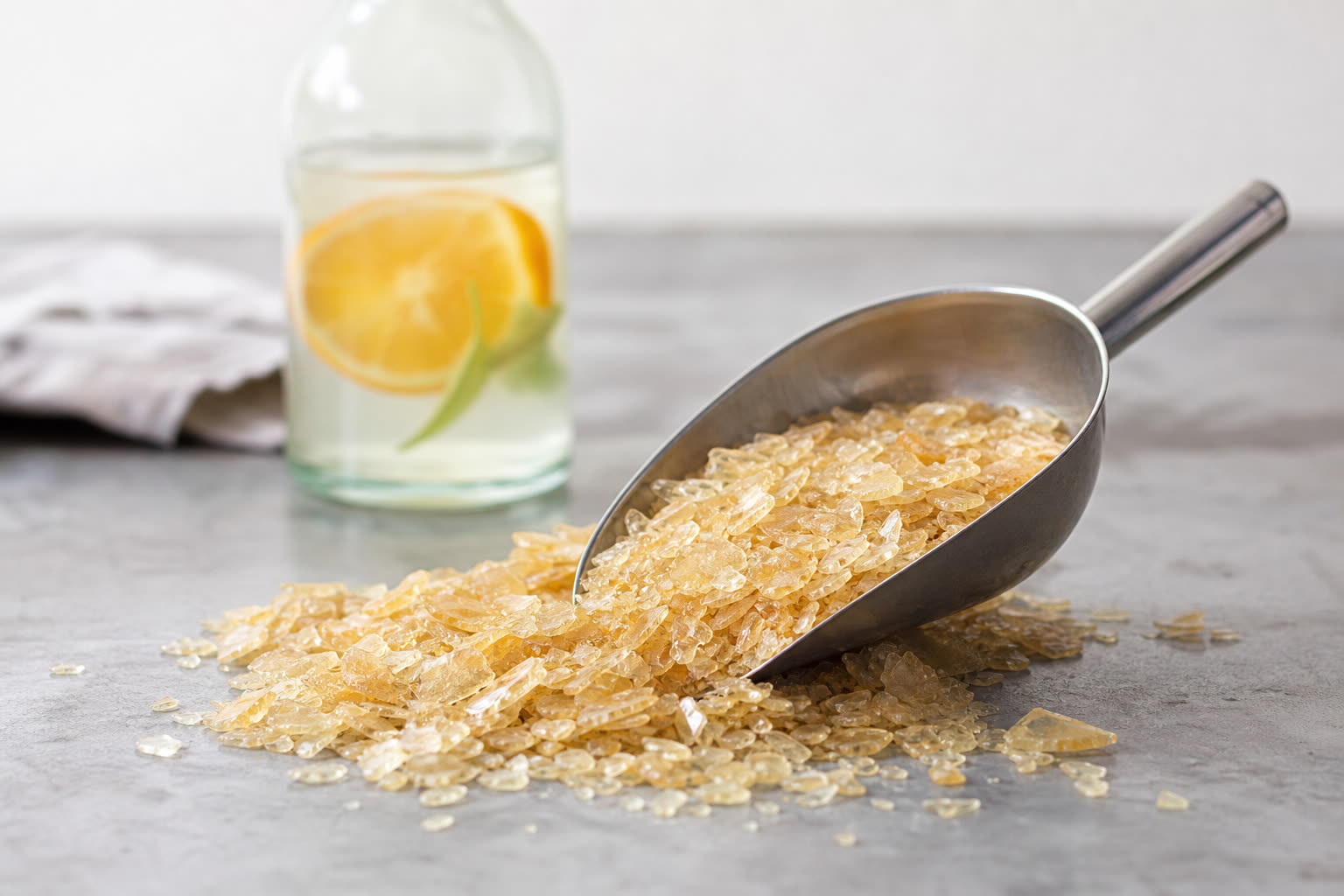
Live pine trees are tapped by cutting V-shaped channels in the bark, often with chemical stimulants applied to prolong resin flow. The oleoresin that exudes is collected, filtered and distilled to yield gum turpentine (the volatile fraction, rich in alpha and beta pinene) and gum rosin (the solid resin acid residue). This is the older and historically more important route. It is labour-intensive, requires large areas of forest and suitable pine species, and yields products of consistent, known composition. China, India, Indonesia and Brazil are the main gum naval stores producers.
Kraft (sulphate) turpentine and tall oil
When softwood timber is pulped by the kraft process to produce paper-grade cellulose, volatile terpenes are driven off in the cooking process and recovered as crude sulphate turpentine (CST). The fatty acids and resin acids dissolved during pulping are recovered as crude tall oil, which is then fractionally distilled to yield tall oil rosin, tall oil fatty acids and distilled tall oil. CST and tall oil are by-products whose production is determined by the pulp industry rather than by demand for the terpene products. Scandinavia (Sweden, Finland), the US South-East and parts of South America (Brazil and Chile) are the main CST sources. CST typically contains more beta pinene and other terpenes than gum turpentine, making it better suited for DHM and polymer resin synthesis.
Who are the major producing countries and what are their roles?
China
China is the dominant force in global gum rosin and gum turpentine production. The main tapping provinces are Guangxi, Yunnan and Fujian. China is both the world's largest producer and its largest price-setter: movements in Chinese gum rosin export prices are tracked by buyers worldwide as the benchmark. Chinese producers have also invested heavily in downstream chemistry, producing terpineol, camphor, dihydromyrcenol and rosin esters for export as well as for the domestic market. The sheer scale of Chinese production gives it a cost advantage that other gum producers find difficult to match in commodity grades.
Brazil
Brazil operates plantation forests of Pinus elliottii in the states of Sao Paulo and Parana, managed specifically for resin tapping rather than timber. These are among the most productive and efficiently managed pine resin plantations in the world, achieving high yields per tree per year. Brazilian gum rosin is well regarded for consistency and paleness of colour. Brazil is a significant exporter to Europe and North America. It also has a growing CST industry linked to its expanding eucalyptus pulp sector.
Indonesia
Indonesia has expanded gum rosin production substantially over the past two decades, primarily from Pinus merkusii forests in Sumatra. It has become one of the largest single sources for Indian importers: published research on Indian rosin trade shows that Indonesia supplied over 75% of India's rosin imports in 2023-24, with total imports reaching approximately 42,500 tonnes in that year. Indonesian material is competitive on price and is readily available in bulk.
India
India's gum rosin production is concentrated in Himachal Pradesh and Uttarakhand, where chir pine (Pinus roxburghii) grows at elevations from about 1000 to 2000 metres in the Himalayan foothills. Production has declined significantly since the late 2000s; published research in Indian Forester documents an annual decline rate of over 7% between 2007-08 and 2019-20, driven by ecological stressors, declining labour availability, outdated tapping methods and policy constraints on forest use. India's rosin exports, once a meaningful quantity, have contracted sharply and Indian processors are now heavily import-dependent for rosin raw material.
India's turpentine position is somewhat different. Processing units in India convert imported rosin and domestically tapped oleoresin into terpene derivatives including alpha and beta pinene, terpineol, camphene, isoborneol and camphor. Kanpur has historically been one of the important centres for terpene processing, with access to rail and road networks for distribution within India and to export ports.
What downstream products come from this industry?
| Feedstock | Primary products | Further downstream |
|---|---|---|
| Gum turpentine | Alpha pinene, beta pinene, delta 3 carene | Terpineol, camphor, isoborneol, DHM, nopol, linalool |
| Gum rosin | Raw rosin (grades D-X) | Rosin esters, rosin soaps, maleic adducts, hydrogenated rosin |
| CST (kraft turpentine) | Beta pinene, alpha pinene, delta 3 carene | DHM, nopol, poly-beta-pinene resin, terpinolene |
| Crude tall oil | Tall oil rosin, tall oil fatty acids, distilled tall oil | Alkyd resins, tall oil esters, dimer acids |
What trends are buyers watching in 2026?
China supply variability: Chinese gum turpentine and rosin output is subject to seasonal variation, export policy changes and increasingly to reforestation priorities that have reduced tapping area in some provinces. Buyers who were entirely dependent on Chinese supply have been diversifying toward Indonesian, Brazilian and Indian sources.
CST versus gum turpentine: CST from Scandinavian and North American kraft mills is available in large, steady volumes at competitive prices for beta-pinene-rich streams. For alpha-pinene-rich requirements (camphor and terpineol synthesis), gum turpentine remains preferable. Buyers sourcing for specific chemical synthesis should clarify which pinene isomer profile they need before selecting a turpentine source.
Sustainability and bio-based credentials: Pine chemicals are renewable, bio-based and often positioned as alternatives to petroleum-derived equivalents. This is increasingly relevant in adhesives, coatings and fragrance markets where customers are requiring bio-based content declarations. Gum rosin and gum turpentine have established bio-based status and carry no petrochemical content.
Indian processing capability: Despite declining domestic raw material production, India retains significant processing and formulation expertise. Companies working from imported rosin and turpentine can produce high-value derivatives for both Indian and export markets. The Indian market itself is large and growing for camphor, terpineol, pine oil, agarbatti ingredients and fragrance chemicals.
What should international buyers look for in an Indian supplier?
- Clarity on the source of the raw turpentine or rosin (gum vs CST, country of origin)
- Consistent certificate of analysis with GC composition data for terpene products
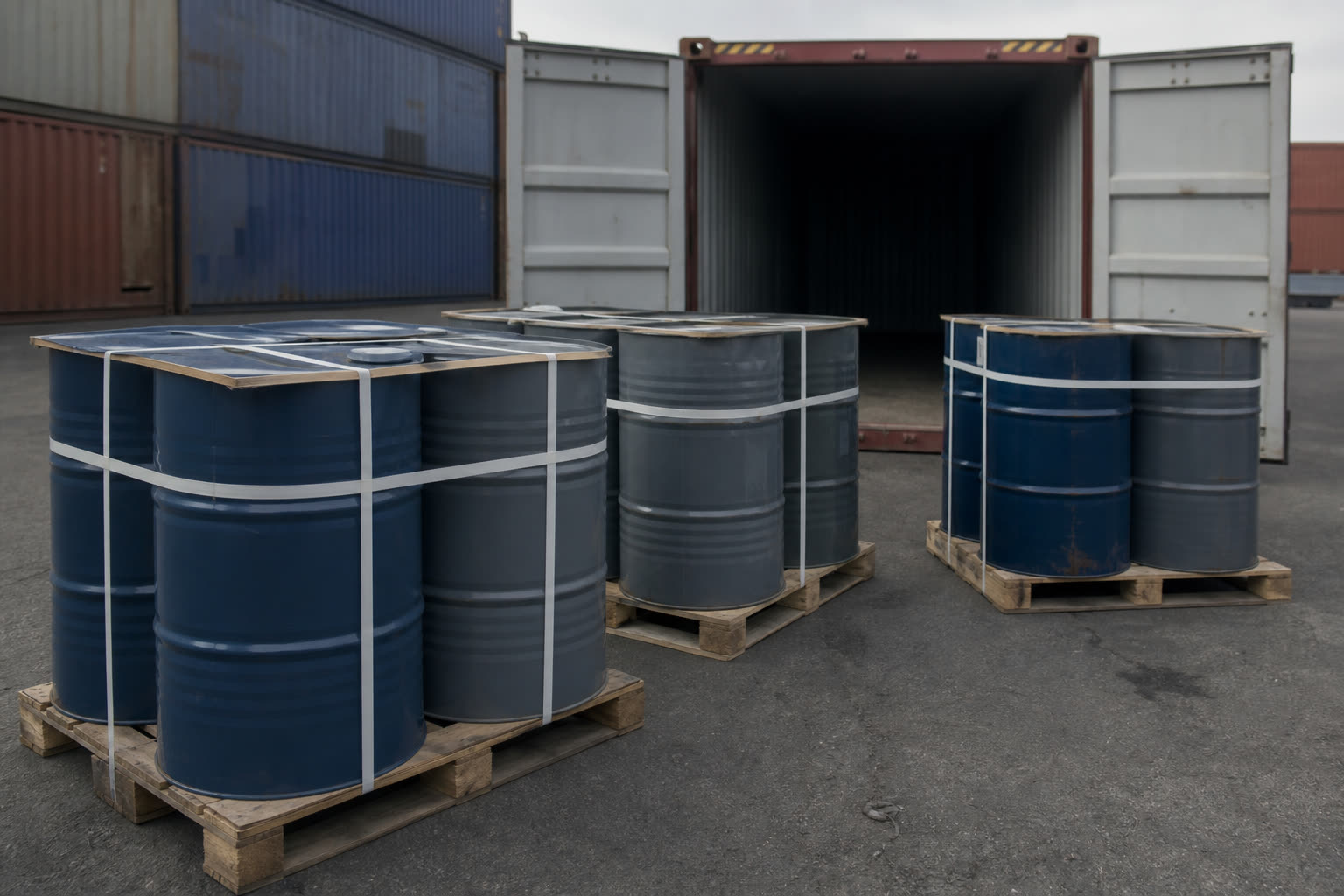
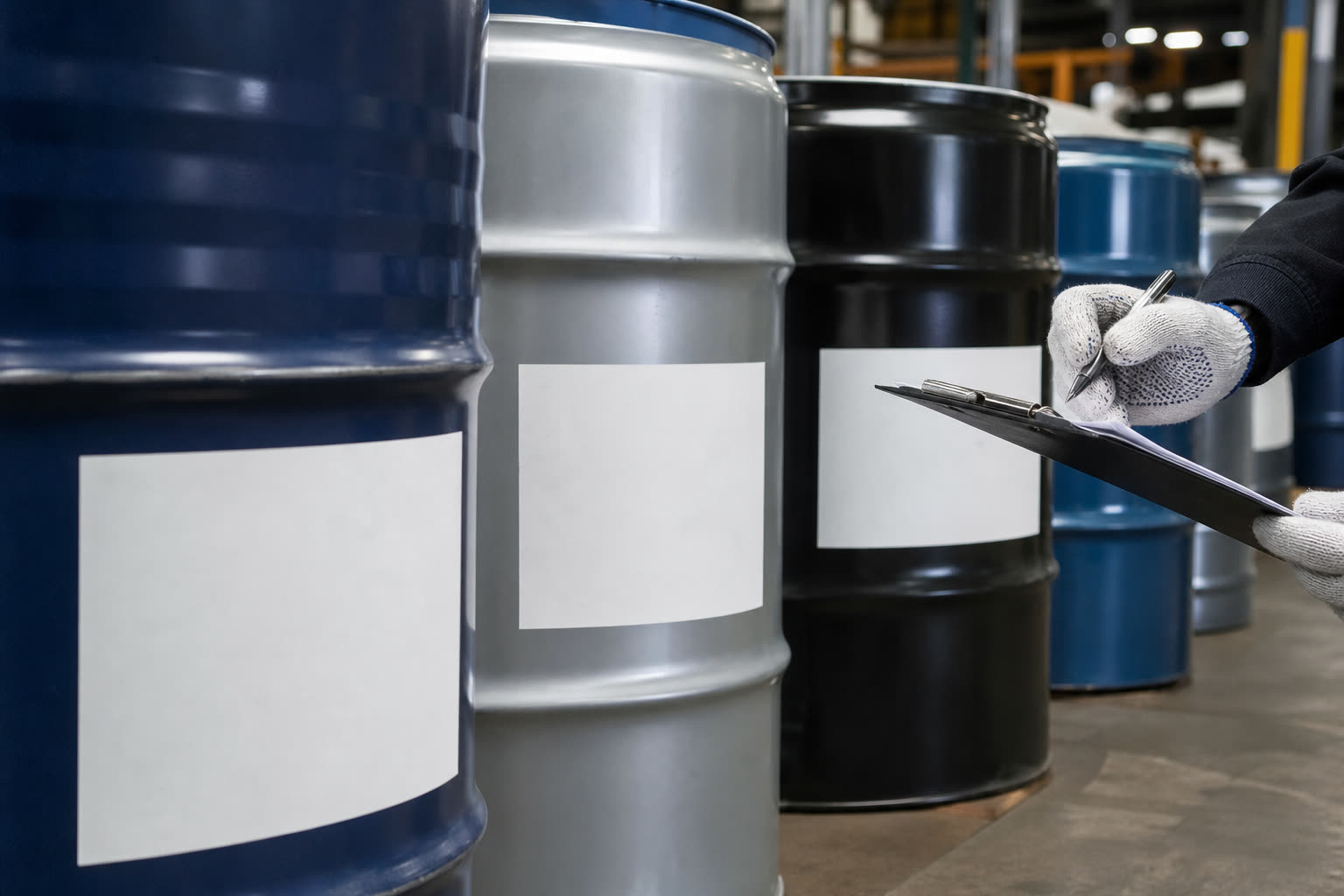
- Reliable packing: 200 litre barrels, intermediate bulk containers (IBC) or road tankers depending on product viscosity and volume
- Experience with export documentation including MSDS, COA and phytosanitary certificates where applicable
- Ability to supply samples before committing to full-scale orders
Shade Shine Pine has been working from Kanpur since 1980, supplying gum rosin, gum turpentine oil, double-distilled turpentine and a full range of terpene derivatives including alpha pinene and pine oil to customers in the US, Thailand, Indonesia, China and other markets. For buyers building or reviewing a pine chemicals supply chain, we are glad to discuss product specifications, sample dispatch and pricing. Reach us at +91 96965 09933 or info@shadeshinepine.com. Bulk orders ship in 200 litre barrels and tankers.