Eucalyptol and eucalyptus oil are related but not the same product. Eucalyptus oil is a complex essential oil obtained by steam distilling the fresh leaves or terminal branchlets of specific Eucalyptus species. Eucalyptol (also known as 1,8-cineole) is the single chemical compound that constitutes the dominant fraction of that oil. For many applications, knowing whether you need the whole oil or the purified compound is the first and most important specification decision.
What is 1,8-cineole and why does it matter?
1,8-Cineole is a bicyclic ether with the molecular formula C10H18O. It has a clean, camphor-like, cooling, slightly medicinal odour. It is the compound responsible for the characteristic smell of eucalyptus and most of its pharmacological activity: bronchodilation, mucolytic action, antimicrobial properties and analgesic effects in topical application are all attributed principally to 1,8-cineole rather than to the minor terpene fractions present in the whole oil.
What is eucalyptus oil?
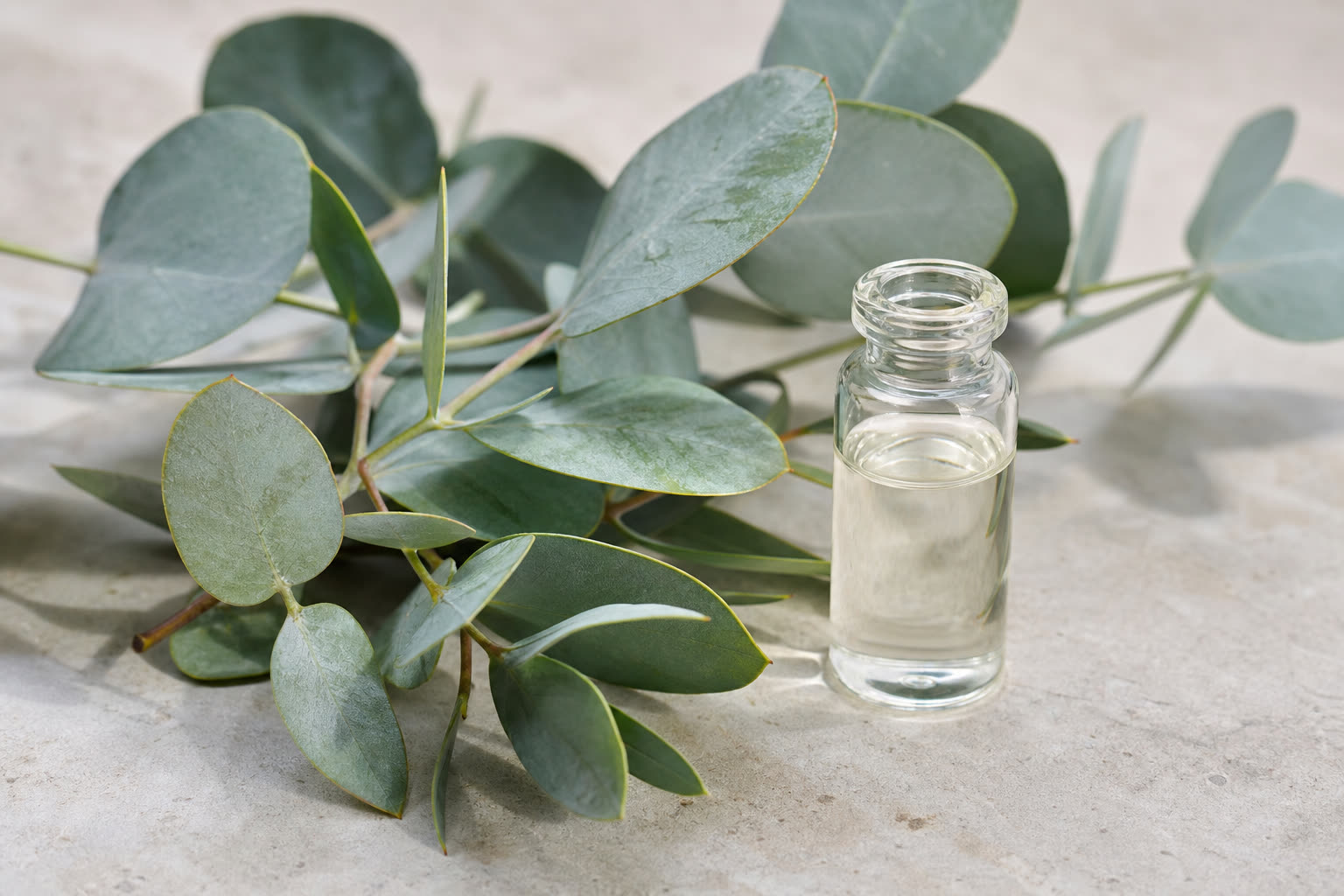
Eucalyptus oil is produced by steam distilling the leaves of Eucalyptus globulus, Eucalyptus polybractea, Eucalyptus smithii and related species. The three species differ somewhat in their cineole content and minor constituents. E. globulus from Portugal, Spain and South Africa is the most widely traded source. The oil as distilled is a mobile, colourless to pale yellow liquid with the familiar eucalyptus odour.
The United States Pharmacopoeia (USP) defines eucalyptus oil as containing not less than 70.0% and not more than 95.0% of eucalyptol (1,8-cineole) by mass. This range reflects the natural variability in the oil depending on species, growing region, season and distillation technique. Oils at the lower end of this range carry more monoterpene hydrocarbons such as alpha-pinene, limonene and para-cymene.
What is eucalyptol (purified)?
Purified eucalyptol is obtained by fractional distillation of eucalyptus oil with the aim of concentrating the 1,8-cineole fraction. Commercial eucalyptol is typically 99% or higher purity. It is a colourless liquid with a boiling point of approximately 176 degrees Celsius. At temperatures below about 1 degree Celsius it solidifies to a colourless crystalline mass, which is useful as a purity indicator: impure lots solidify less cleanly or not at all.
Eucalyptus oil vs eucalyptol: specification comparison
| Parameter | Eucalyptus Oil (BP/USP) | Eucalyptol 99%+ |
|---|---|---|
| 1,8-Cineole content | 70.0-95.0% (USP) | 99.0% minimum |
| Appearance | Colourless to pale yellow mobile liquid | Colourless mobile liquid |
| Odour | Characteristic eucalyptus; slightly more complex due to minor fractions | Clean, camphoraceous, very pure cineole note |
| Optical rotation | +0° to +10° (species dependent) | Essentially optically inactive |
| Solubility in ethanol | Soluble in 5 volumes 70% ethanol | Fully soluble in ethanol, ether, fixed oils |
| Pharmacopoeial status | USP, BP, IP monograph | USP reference standard; EP monograph |
Which applications call for each grade?
Pharmaceutical and nutraceutical
Pharma-grade applications, including oral cough syrups, inhalation preparations, topical chest rubs and dental products, typically require pharmacopoeial-quality eucalyptol or eucalyptus oil. Where the specification calls for a minimum cineole content of 80% or above, either a high-quality eucalyptus oil or purified eucalyptol can satisfy the requirement. Sterile or injectable preparations would use the purified compound only. Many Indian Pharmacopoeia formulations specify eucalyptus oil by monograph, and compounders source accordingly.
Fragrance and personal care
Eucalyptus oil at the 80-85% cineole range is widely used in fragrance for its fresh, clean, slightly medicinal character. It is a standard ingredient in cooling shower gels, toothpastes, deodorants and spa products. The minor terpene fractions in the whole oil are accepted or even valued by perfumers for adding complexity. Purified eucalyptol is used where a very clean, sharp cineole note without any supporting terpene character is needed.
Flavour
In flavour applications, eucalyptus oil and eucalyptol appear in confectionery, dental hygiene products (mouthwashes, toothpaste) and certain savoury flavour systems. Regulatory status under the relevant food authority in the target market must be checked before use in food products.
Industrial applications
Eucalyptus oil has been used as a flotation frother in Australian mineral processing, where it was noted in early flotation literature to contain approximately 80% pinene and cineole fractions. For industrial cleaning and solvent uses, the whole oil grade is typically specified rather than purified eucalyptol, which carries an unnecessary purity premium for these applications.
Quality parameters buyers should request
- 1,8-Cineole content by GC (most critical parameter)
- Specific gravity at 20 degrees Celsius
- Optical rotation
- Refractive index
- Solubility in 70% alcohol (for eucalyptus oil)
- Flash point (for transport classification)
Storage and handling for eucalyptus products
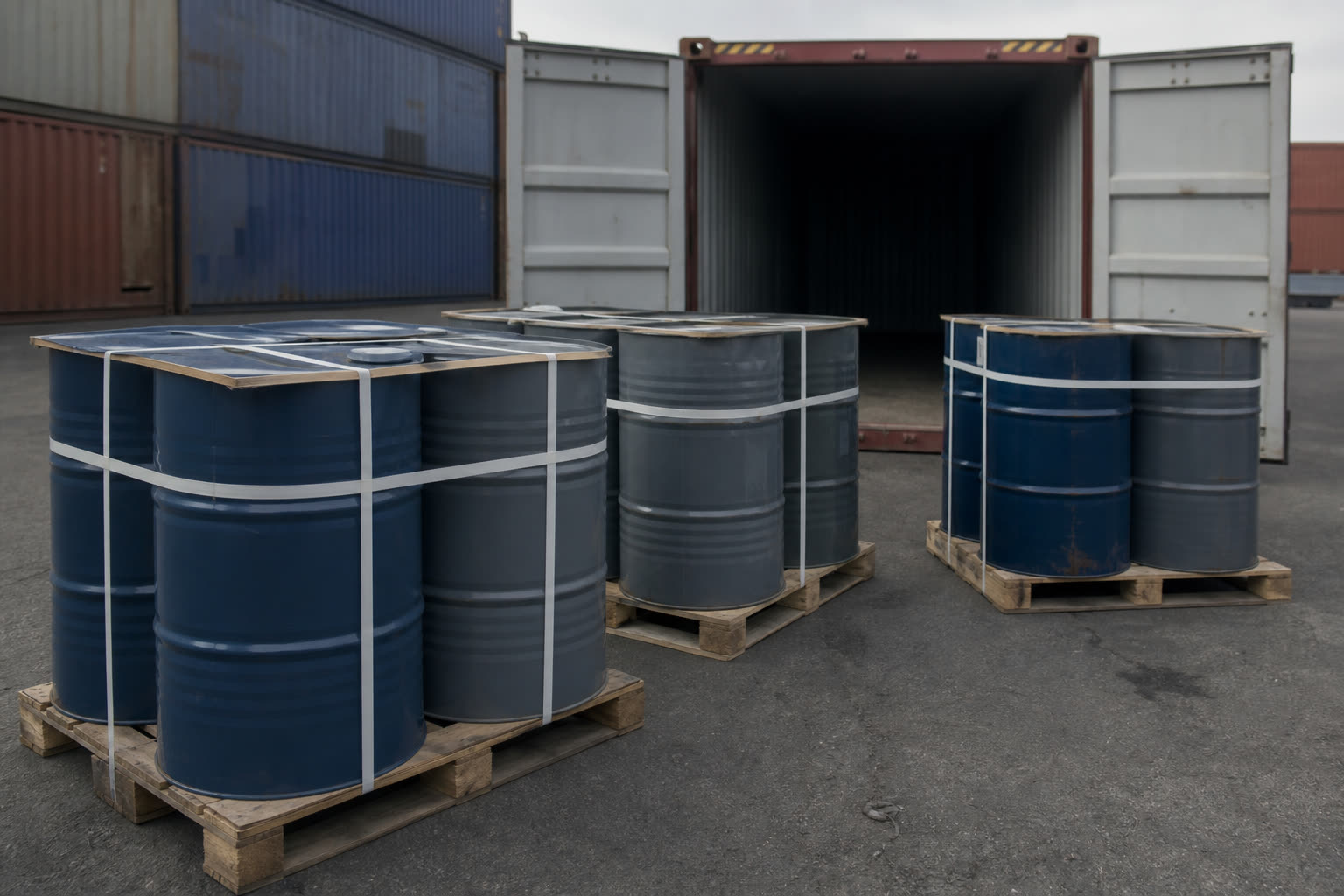
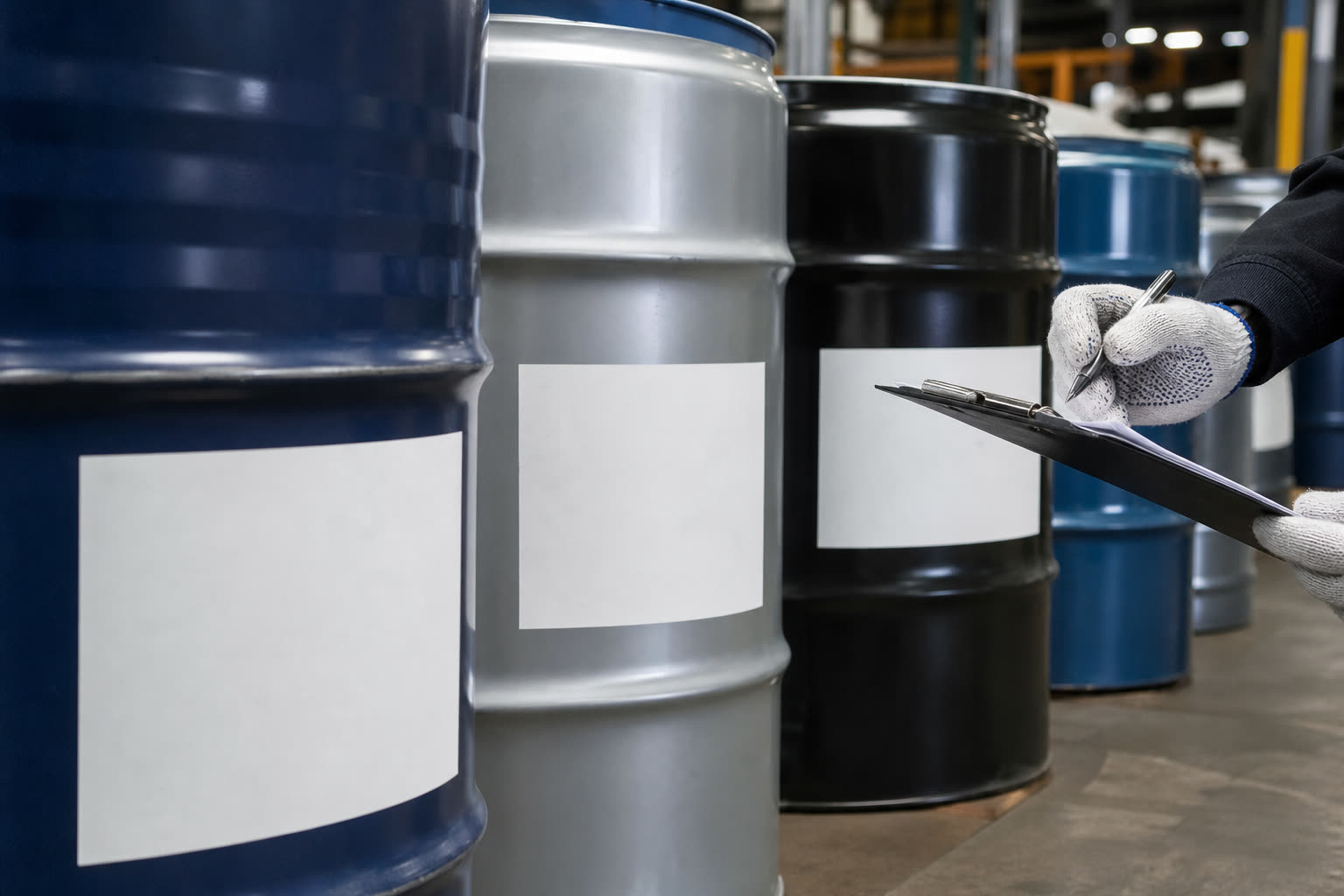
Both eucalyptus oil and purified eucalyptol are flammable liquids with flash points around 48-52 degrees Celsius for the oil and approximately 48 degrees Celsius for eucalyptol. Standard flammable liquid storage in steel or compatible plastic drums is appropriate. Eucalyptus oil should be stored away from heat and direct sunlight; prolonged exposure to air can cause oxidation of the minor terpene fractions, leading to colour darkening and off-note development. Purified eucalyptol is more stable due to its higher purity but should still be stored under inert atmosphere for long-term stock.
Buyers sourcing for pharmaceutical formulation should note that eucalyptol is listed as a potential skin sensitiser at higher concentrations and should be handled with appropriate PPE. At the concentration levels used in finished consumer products, safety profiles are well established and IFRA and relevant pharmacopoeia limits apply.
For tropical markets including India, where high ambient temperatures can accelerate oxidation, keeping stock below 25 degrees Celsius in insulated or air-conditioned warehousing is recommended for pharmacopoeial-quality material. Shelf life is typically 24-36 months from production date in correctly sealed containers.
Shade Shine Pine supplies both eucalyptus oil at pharmaceutical and industrial grades and purified eucalyptol at 99% minimum purity. For related camphoraceous products, camphor oil perfumery grade is also available. Buyers comparing camphoraceous notes across a formulation brief can request samples of all three. Bulk orders are fulfilled in 200 litre barrels. Contact us at +91 96965 09933 or info@shadeshinepine.com.