
Clove oil is the steam-distilled essential oil from the dried flower buds of Syzygium aromaticum (clove tree). Its primary constituent is eugenol, a phenylpropanoid compound that constitutes 75-88% of genuine clove bud oil according to the European Pharmacopoeia (EP 10.0). The remaining fraction consists mainly of acetyl eugenol (eugenol acetate, 4-15%) and beta-caryophyllene (5-14%). These three compounds together account for almost all of the pharmacological activity and the characteristic warm, spicy, slightly sweet odour of clove oil.
Where does clove oil come from?
Cloves are produced in a handful of tropical countries, with Indonesia accounting for the largest global share of production, followed by Madagascar and Tanzania. The Zanzibar and Pemba islands in Tanzania were historically the dominant world source before Indonesian production expanded significantly through the twentieth century. Sri Lanka and India (Kerela) also produce smaller volumes. Clove bud oil is the highest-quality grade; leaf oil (distilled from leaves rather than buds) and stem oil are also traded, and these contain higher proportions of eugenol but lower acetyl eugenol, giving a harsher, less rounded odour compared to bud oil.
What are the quality parameters for clove oil?
The European Pharmacopoeia 10.0 specifies the following for clove oil obtained from buds:
- Relative density at 20 degrees Celsius: 1.030 to 1.063
- Optical rotation: 0° to minus 2°
- Eugenol content: 75-88% by GC
- Acetyl eugenol content: 4-15% by GC
- Beta-caryophyllene content: 5-14% by GC
Non-compliance with these limits, particularly a eugenol content below 75% or an absence of acetyl eugenol, is a strong indicator of adulteration with clove leaf or stem oil, or with synthetic eugenol. Beta-caryophyllene serves as an authentication marker because it is difficult to replicate synthetically at the correct ratio.
What is eugenol used for?
Dental analgesic and antiseptic
Eugenol is the classical dental analgesic and temporary filling material. Applied to exposed dentine or an inflamed pulp, it reduces pain through a combination of mild local anaesthetic action and anti-inflammatory effect. Zinc oxide eugenol (ZOE) cement, made by mixing zinc oxide powder with eugenol, sets to a firm solid used as a temporary cavity filling, root canal sealer and impression material. Eugenol also has broad-spectrum antimicrobial activity against oral bacteria, making it a useful component in dental irrigants and mouth rinses. Dentists and dental product formulators are among the largest buyers of pharmaceutical-grade eugenol.
Flavour
Eugenol and clove oil are approved flavouring substances in most regulatory systems including those of the EU, US FDA and JECFA (Joint FAO/WHO Expert Committee on Food Additives). In food flavours, clove oil and eugenol contribute to spice flavours used in baked goods, confectionery, meat products, sauces and beverages. The warm, slightly sweet, distinctive clove note is used in mulled wine and spiced tea flavours, sausage seasonings and some fruit flavour bases where depth is needed. Eugenol is also used in vanilla flavour compositions: isoeugenol, its structural isomer, contributes a vanillin-adjacent character.
Fragrance
In fine fragrance, clove oil and eugenol appear in spicy oriental accords, fougere compositions and masculin chypre bases. The warm, aromatic, slightly medical character of eugenol blends well with rose, geranium and woody materials. Isoeugenol, an isomer produced by isomerisation of eugenol, has a softer, more floral spicy note and is used in carnation-type and spicy floral fragrance compounds. Acetyl eugenol (eugenol acetate, occurring naturally in clove bud oil) is also used in fragrance for its fruity-clove top note.
Chemical intermediate
Eugenol is a key starting material for the synthesis of vanillin via guaiacol, and for the synthesis of isoeugenol and methyleugenol. It is also used to produce epoxy compounds via reaction of the allyl group and as a starting point for certain pharmaceutical and agrochemical intermediates.
Clove oil grades at a glance
| Grade | Source | Eugenol content (approx.) | Odour quality |
|---|---|---|---|
| Clove bud oil | Dried flower buds | 75-88% | Rich, sweet-spicy, best quality |
| Clove leaf oil | Leaves | 82-90% | Harsher, less rounded, cheaper |
| Clove stem oil | Dried stems | 88-92% | Woody, pungent, industrial grade |
How should buyers specify clove oil?
The most important specification parameters are eugenol content by GC, density and acetyl eugenol content. For pharmaceutical applications, specifying conformance to EP or BP monograph is the most reliable shorthand. For flavour use, specifying food grade with a GRAS declaration and Kosher/Halal certification as appropriate is standard. For fragrance use, an IFRA conformity statement and a GC fingerprint matching the genuine bud oil profile are the key checks against adulteration with synthetic eugenol or inferior grades.
Adulteration and authentication of clove oil
Clove oil adulteration is a significant commercial risk because the price difference between genuine bud oil and cheaper leaf or stem oil, or between natural and synthetic eugenol, creates an incentive to substitute. Gas chromatography with flame ionisation detection (GC-FID) is the primary authentication tool: the ratio of eugenol, acetyl eugenol and beta-caryophyllene is the main fingerprint. Clove leaf oil will typically show high eugenol but little acetyl eugenol; synthetic eugenol added as adulterant will produce an unnaturally high eugenol peak with absent or very low acetyl eugenol and beta-caryophyllene peaks.
Stable carbon isotope ratio analysis (SCIRA or IRMS) is used to distinguish between eugenol of natural botanical origin and synthetic eugenol produced from petroleum-derived guaiacol. This test is relevant for buyers in regulated applications where natural origin claims must be substantiated. For buyers in industrial applications where natural origin is not a requirement, synthetic eugenol is fully acceptable and is a significant commodity chemical used in the vanilla and fragrance industries.
Regulatory status summary for key markets
In the EU, clove bud oil and eugenol are both listed as restricted fragrance allergens under the EU Cosmetics Regulation; labelling is required when concentration in a leave-on product exceeds 0.001% and in a rinse-off product exceeds 0.01%. In food applications, both materials are GRAS-affirmed in the USA and listed as approved flavouring substances in the EU. In pharmaceutical applications, each product must be specified to the relevant pharmacopoeial monograph (BP, USP, IP) for the target market. Buyers should confirm the applicable regulatory framework with their compliance teams before finalising product specifications.
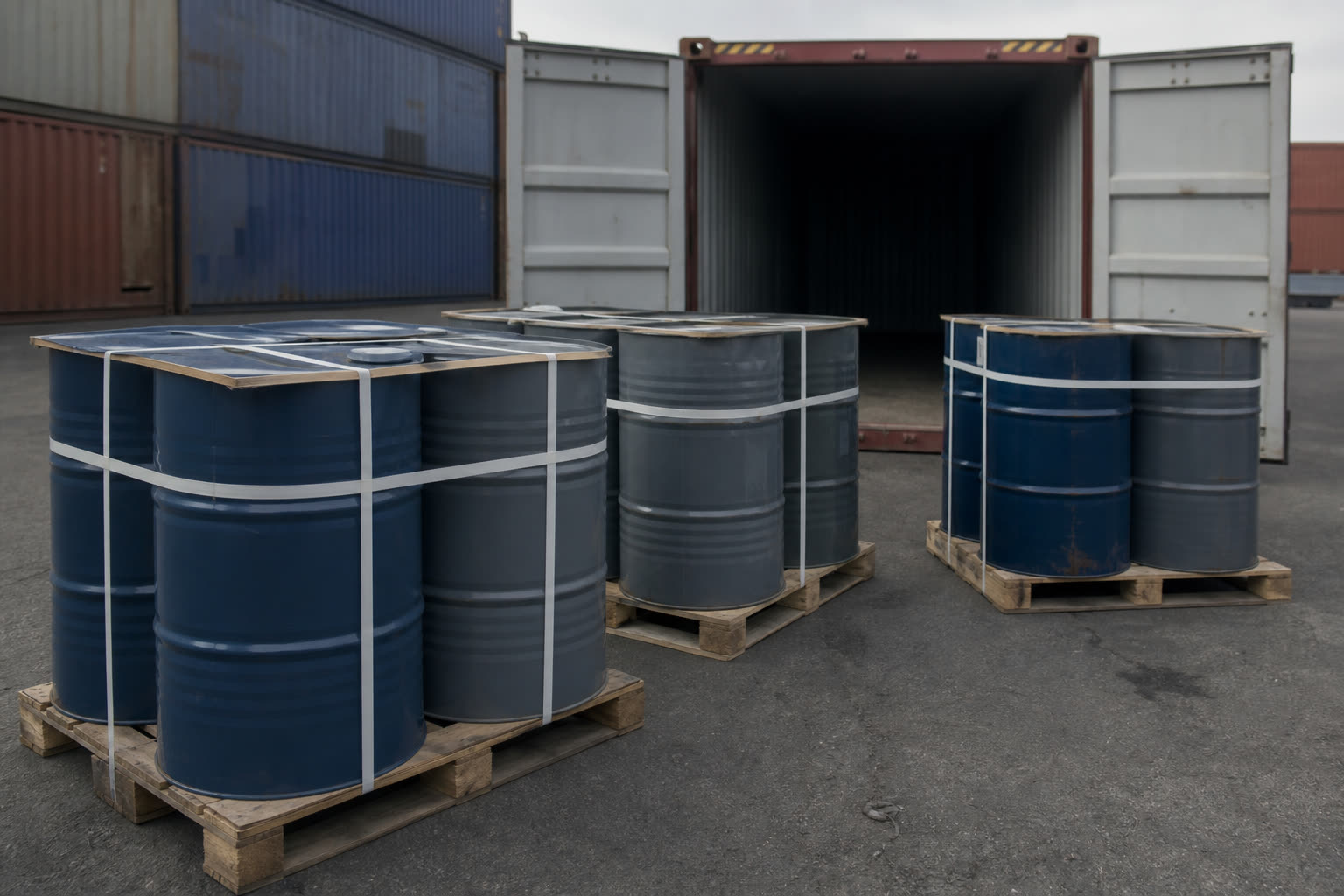
Shade Shine Pine supplies clove oil at pharmaceutical and fragrance grades with certificate of analysis including GC profile. Related aromatic cooling ingredients including eucalyptus oil, eucalyptol and camphor oil are also available for dental and pharma formulation reference. Samples are available in small quantities; bulk supply ships in 200 litre barrels or smaller drums. Contact info@shadeshinepine.com or call +91 96965 09933 to request a specification sheet.