Camphor and its related derivatives are among the most commercially important products that come from pine oleoresin. The chain starts with alpha-pinene, the dominant monoterpene in most pine turpentines, and ends with a set of chemicals used across pharmaceuticals, cosmetics, rubber compounding, fragrance, and religious applications. Understanding the chain helps buyers identify which intermediate or finished derivative suits their needs.
The Pinene-to-Camphor Chain
Alpha-pinene undergoes an acid-catalysed isomerisation to camphene. Camphene is then reacted with acetic acid to give isobornyl acetate, which is saponified to isoborneol. Isoborneol is finally oxidised to camphor. This four-step sequence is the dominant industrial route to synthetic camphor. Each intermediate has its own commercial value and is traded separately.
Liquid Camphene
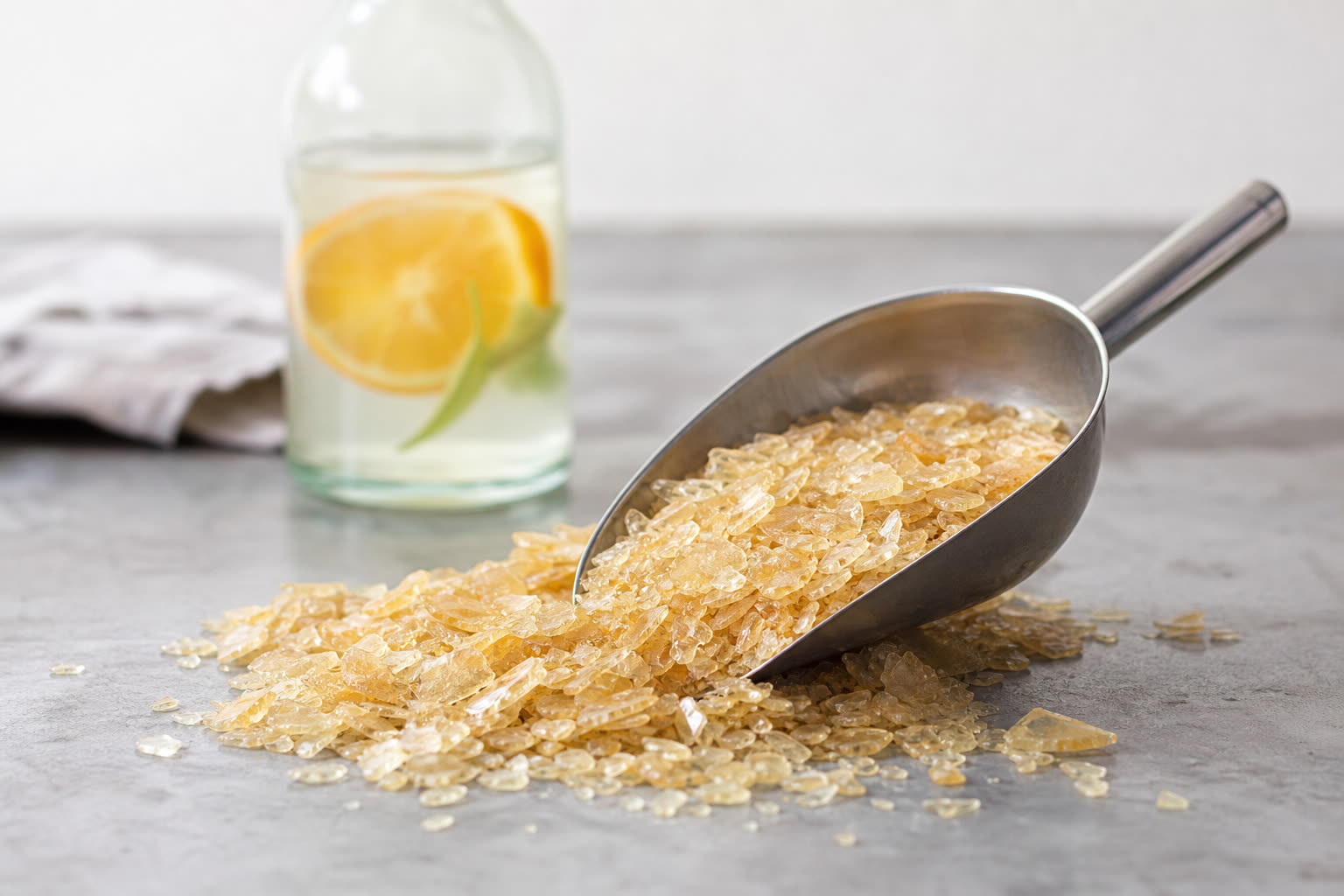
Liquid camphene (CAS 79-92-5) is the first major intermediate. It is a white, waxy solid at room temperature (melting point around 48-51 deg C) but is handled and sold in its liquid state when kept above the melt point, or as a flaked/pastille solid. Its uses go beyond being a camphor precursor:
- Fragrance ingredient in its own right: camphene has a cool, camphoraceous, herbal odour used in woody fragrance accords
- Intermediate for the production of isobornyl acetate and other terpenoid esters used in fragrance
- Rubber compounding: camphene is sometimes used as a plasticiser and dispersing agent in rubber processing
- Feedstock for specialty chemicals
Isoborneol Powder
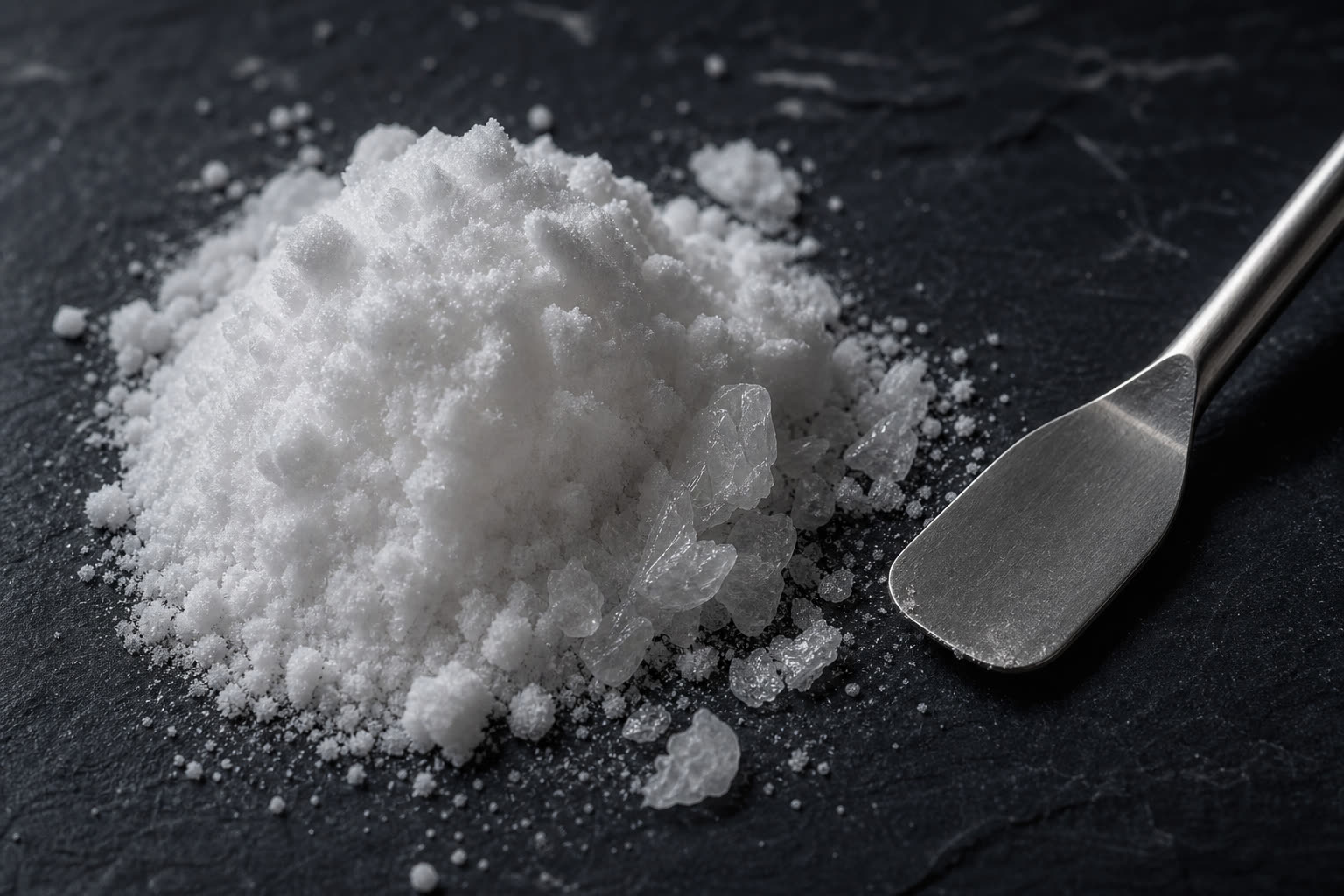
Isoborneol powder (CAS 124-76-5) is the secondary alcohol that is one oxidation step away from camphor. It is a white to off-white crystalline solid with a camphor-like odour. The main industrial use is as a feedstock for camphor production, where it is oxidised using chromic acid or catalytic oxidation processes. Buyers of isoborneol are typically camphor plants that have their own oxidation capacity but purchase isoborneol as a raw material rather than running the full pinene-to-isoborneol chain.
Isoborneol also has direct uses in fragrance as a cool, camphoraceous ingredient, and it is included in some pharmacopoeial references as an excipient.
Camphor Powder
Camphor powder (CAS 76-22-2) is the end product of the oxidation step. Synthetic camphor (derived from alpha-pinene) and natural camphor (from Cinnamomum camphora) are chemically identical. Commercial grades of camphor powder include:
- Industrial grade: used in the production of celluloid and nitrocellulose-based lacquers and explosives, as a plasticiser for cellulose nitrate
- Pharmaceutical grade: used in topical analgesic products (counterirritants), cough suppressants, and some traditional medicine preparations
- Religious and aromatic grade: used in temples, households, and in the Indian puja ritual, where camphor tablets are burned
The purity required varies by application. Pharmaceutical use demands compliance with pharmacopoeial specifications (USP, IP, BP). Religious use is less demanding on purity but buyers want a product that burns cleanly without residue.
Camphor Oil: Commercial vs Perfumery Grade
Camphor oil is produced by steam distillation of wood from camphor trees (Cinnamomum camphora), giving a complex mixture of camphor, safrole, cineole, and other components. Alternatively, it is produced by fractional distillation of crude camphor oil to give rectified fractions. The distinction between grades matters:
- Commercial camphor oil: a lower-purity product used in liniments, veterinary preparations, and industrial applications where the camphor character is required without fragrance specifications. It may contain safrole and other phenylpropanoid components that are restricted in cosmetic and food applications.
- Perfumery grade camphor oil: a rectified, safrole-free fraction meeting the limits set by IFRA (International Fragrance Association) and relevant regulations for use in cosmetics and fragrances. It is used in pharmaceutical and personal care formulations as well as fragrance compounding.
Always specify which grade you require when enquiring. The two are not interchangeable from a regulatory standpoint.
Choosing Between Derivatives
If you are a camphor tablet or powder producer, you want finished camphor at the appropriate purity. If you are a fragrance or specialty chemical company, camphene or isoborneol may be more useful as a starting material for your own synthesis. If you are a pharmaceutical company, specify the pharmacopoeial standard required: USP, IP, or BP.
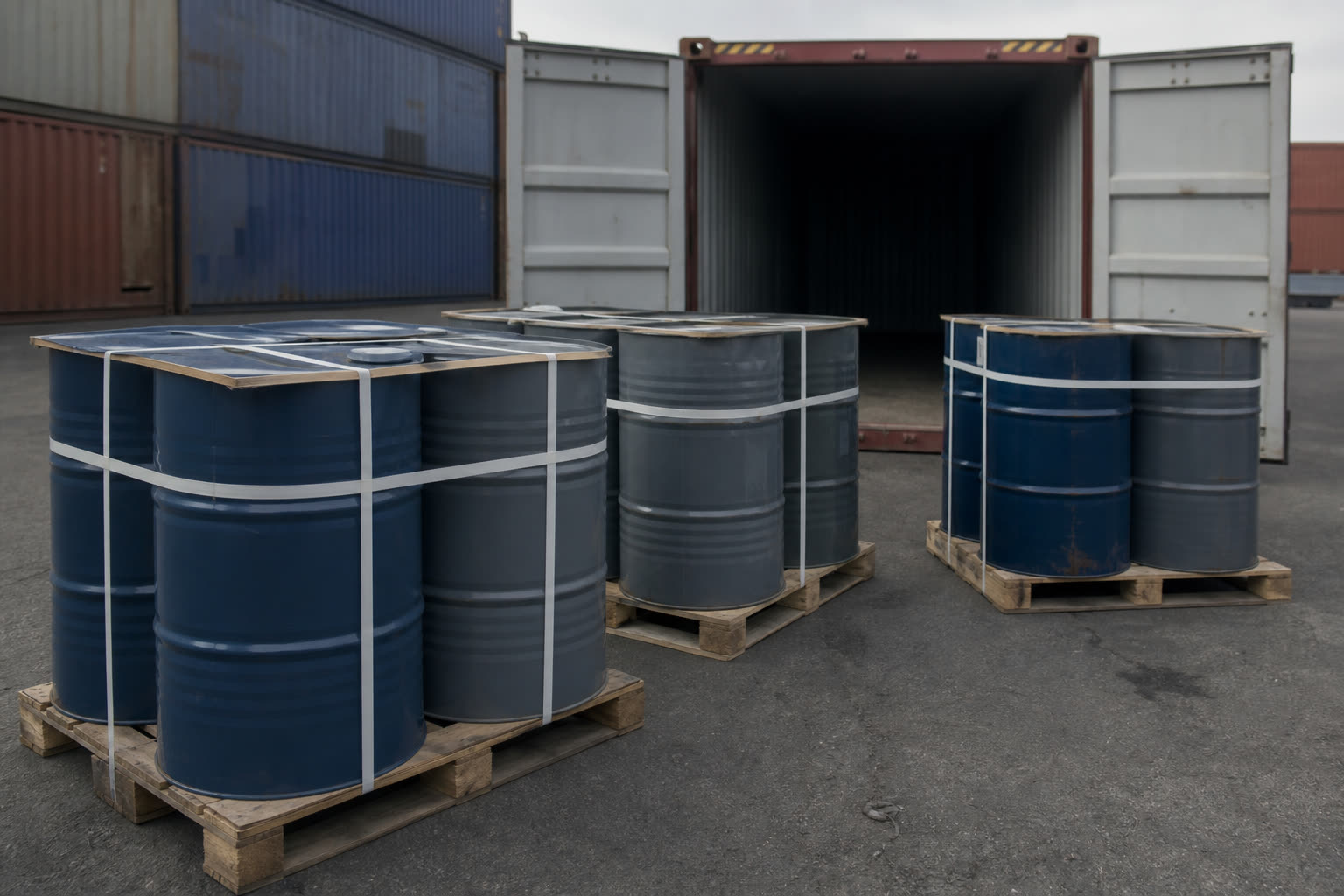
Shade Shine Pine Industries has supplied camphor derivatives from Kanpur since 1980, exporting to buyers in the United States, Southeast Asia, and beyond. We can supply camphor powder, isoborneol, camphene, and camphor oil in 200 litre barrels or smaller quantities, with samples available for laboratory evaluation. Phone +91 96965 09933 or email info@shadeshinepine.com with your purity requirements and we will arrange a sample and quotation.