Synthetic camphor is produced from alpha pinene through a three-stage terpene chemistry sequence: isomerisation of alpha pinene to camphene, conversion of camphene to isoborneol, and oxidative dehydrogenation of isoborneol to camphor. This route has been the dominant industrial method for camphor production globally since the mid-twentieth century, and it is particularly important in China, India and other countries with access to gum turpentine as a feedstock. Each intermediate along the route has its own commercial market beyond the camphor chain.
Step one: alpha pinene to camphene
The starting material is alpha pinene, isolated from turpentine by fractional distillation. Alpha pinene is heated in the vapour phase or in liquid phase over an acid catalyst, most commonly titanium dioxide hydrate (titania gel) or an acid-treated clay. Under these conditions the alpha pinene undergoes a Wagner-Meerwein skeletal rearrangement, driven by migration of a carbon-carbon bond in the bicyclic ring system. The product, camphene, retains the same molecular formula (C10H16) but the double bond has migrated and the ring skeleton has rearranged to the bornane framework.
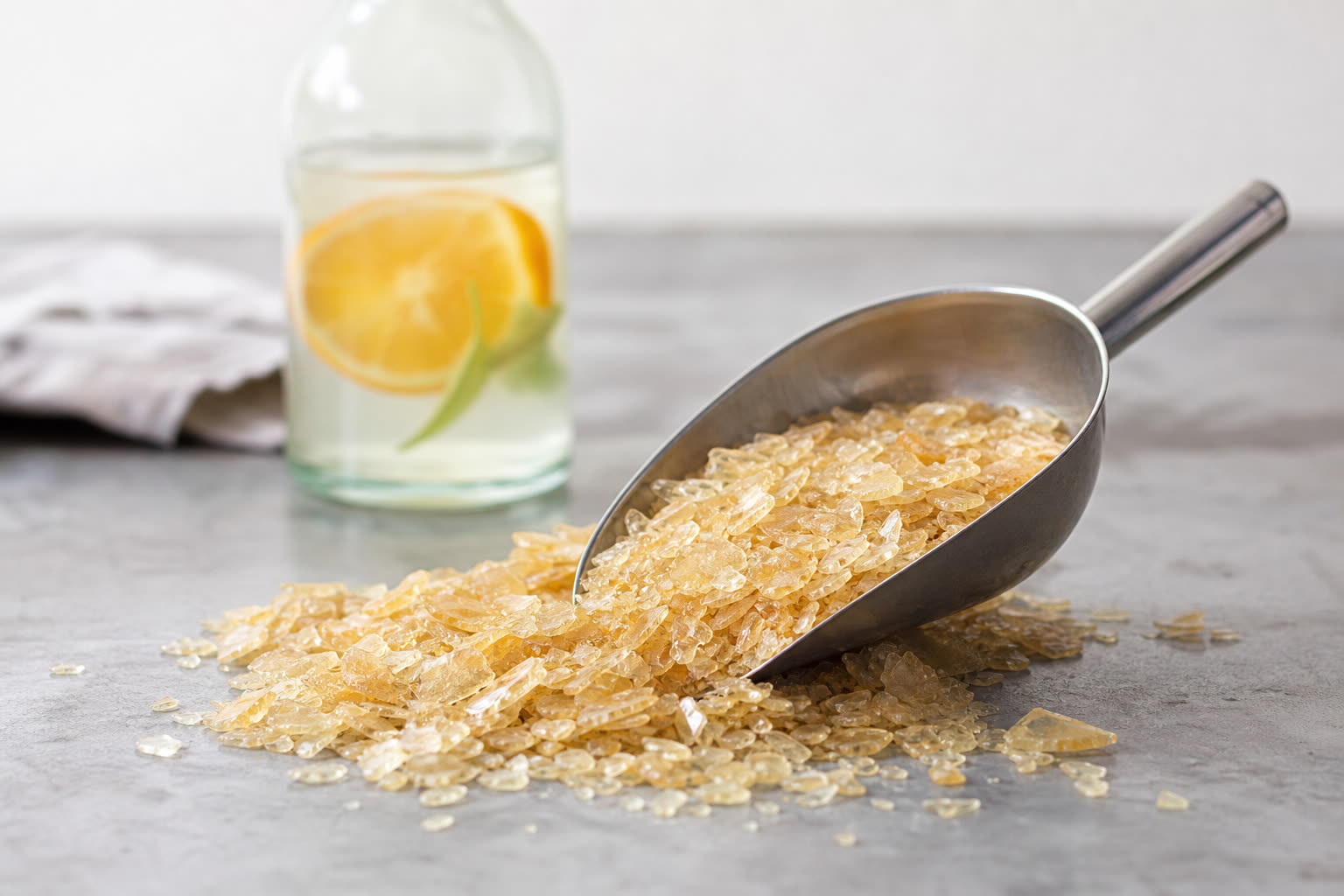
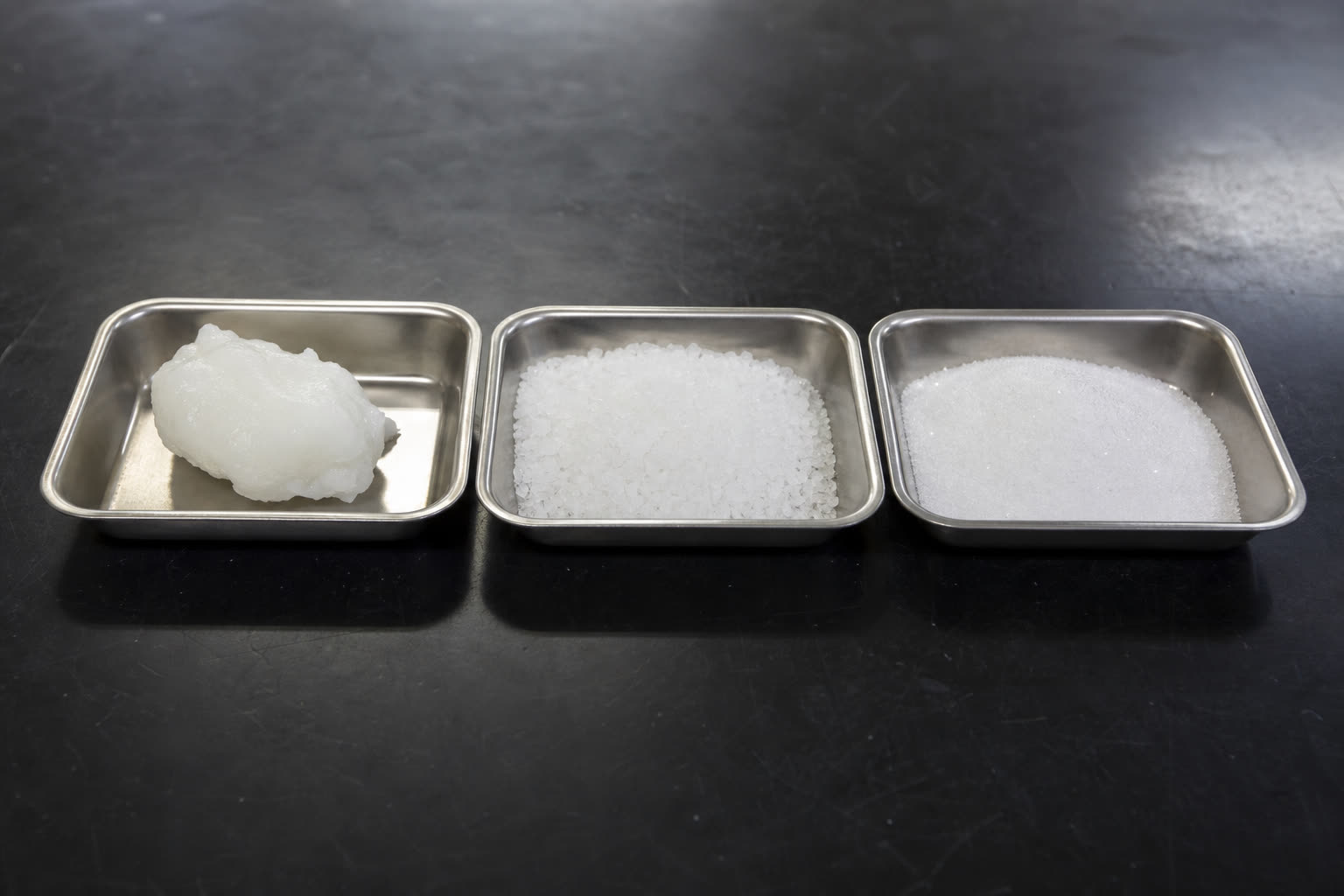
Yields in the isomerisation step typically run at 75-85% depending on catalyst activity and reaction conditions. Temperature control is important: too high and other by-products such as terpinolene and monocyclic terpenes accumulate; too low and conversion is incomplete. Camphene is a white solid at room temperature, melting at around 50 degrees Celsius, with a characteristic pine-woody odour. Liquid camphene (as supplied commercially) is the product kept above its melting point or dissolved in a compatible solvent.
Step two: camphene to isoborneol
Converting camphene to isoborneol requires adding water across the double bond in a way that places the hydroxyl group at the exo face of the bornane skeleton. Two main routes are used industrially:
Indirect esterification route
Camphene is reacted with a carboxylic acid such as acetic acid or formic acid under acidic conditions, forming the corresponding isobornyl ester (isobornyl acetate or isobornyl formate). The ester is then saponified with alkali to give isoborneol. This is a clean route with high stereoselectivity and is favoured in operations where the ester intermediate also has market value: isobornyl acetate is used in fragrance as a pine-resinous ingredient.
Direct hydration route
Camphene is hydrated directly using dilute sulphuric acid or solid acid catalysts such as cation-exchange resins. Water adds across the double bond to give isoborneol via the carbonium ion mechanism. The direct route is simpler in terms of reagents but requires careful pH and temperature management to avoid forming camphene hydrate by-products. Molecular sieve catalysts have also been investigated as alternatives to sulphuric acid for improved selectivity.
Isoborneol is a white crystalline solid with a pleasant camphor-like odour, softer and less sharp than camphor itself. It is used directly in perfumery and in some pharmaceutical applications, independent of the camphor chain.
Step three: isoborneol to camphor
The final step is oxidative dehydrogenation of isoborneol to camphor. Isoborneol vapour is passed over a copper-based catalyst at elevated temperature. The secondary hydroxyl group loses two hydrogen atoms, forming the ketone: camphor. The reaction is relatively clean and high-yielding. Camphor from this route is synthetic camphor with a slightly different optical purity profile compared to natural camphor distilled from Cinnamomum camphora wood, but it meets all pharmacopoeial and industrial specifications.
The three-step route summarised
| Step | Starting material | Product | Key chemistry |
|---|---|---|---|
| 1. Isomerisation | Alpha pinene | Camphene | Acid-catalysed Wagner-Meerwein rearrangement |
| 2a. Esterification | Camphene + acetic acid | Isobornyl acetate | Acid-catalysed esterification |
| 2b. Saponification | Isobornyl acetate + alkali | Isoborneol | Base hydrolysis |
| 3. Dehydrogenation | Isoborneol | Camphor | Catalytic oxidation over copper |
What are the end uses of camphor?
Camphor has a wide range of applications. In pharmaceuticals it is used in topical analgesic and decongestant preparations, mothball formulations and inhalers. In the Indian market, camphor tablets and bars are widely used in religious rituals and as moth repellents. Camphor is also a plasticiser for nitrocellulose and certain other polymers, and it appears in some explosive and pyrotechnic formulations as a burning rate modifier.
Where do the intermediates have independent value?
Each intermediate in the chain can be sold as a product in its own right:
- Camphene: Used in fragrance (woody, camphoraceous notes) and as a feedstock for other terpene syntheses including the production of safranal analogues and vitamin E intermediates.
- Isoborneol: Used in perfumery, as a chiral building block in pharmaceutical synthesis, and as an antioxidant in some polymer formulations.
- Camphor oil: The mixture of camphor with associated terpene fractions produced during steam distillation of camphor-producing plants has its own applications in liniment and topical formulations distinct from pure camphor powder.
Quality checks at each stage of the chain
Buyers entering the camphene-isoborneol-camphor chain at any point should verify purity by appropriate analytical methods. For camphene, GC purity and melting point are the key indicators. For isoborneol, GC purity, optical rotation and the absence of residual camphene are the main parameters. For camphor powder, GC purity (typically 96% minimum for synthetic camphor), melting point (174-180 degrees Celsius), solubility in ethanol and optical rotation are all checked routinely. Pharmacopoeia-grade camphor must additionally meet assay requirements and specific limits on related substances.
The optical rotation of synthetic camphor differs from natural camphor: synthetic camphor is typically racemic or nearly so, while natural camphor distilled from Cinnamomum camphora is predominantly dextrorotatory. Most industrial and pharmaceutical applications accept synthetic camphor without distinction from natural, but certain traditional or labelling requirements may specify the source.
Shade Shine Pine supplies alpha pinene as the entry feedstock, liquid camphene as the first-stage intermediate, isoborneol powder as the second-stage intermediate, and both camphor powder and camphor oil commercial grade as finished camphor products. Buyers can enter the chain at whichever stage suits their process. Samples of each grade are available on request; bulk orders ship in 200 litre barrels. Call +91 96965 09933 or write to info@shadeshinepine.com for pricing and availability.