Black phenyl and white phenyl are both disinfectant fluids sold under IS 1061, but the raw materials, cost structure, and markets they serve are entirely different. Knowing which to produce for which customer is the starting point for any unit entering or expanding in the Indian phenyl trade. We have been supplying raw materials to phenyl units since 1980 and have watched both segments grow and shift. Here is a clear account of both types.
What Is Black Phenyl Made From?
Black phenyl is a tar-acid or cresol-based phenolic emulsion. The active raw materials are coal tar acids, cresols, or creosote-type distillates, combined with a soap or emulsifier to produce a dark, emulsifiable liquid. When diluted with water it produces a cloudy brown to black emulsion. The raw materials come from coal tar distillation, not from the pine and turpentine industry.
Typical raw materials for black phenyl include crude cresylic acid or tar acid fraction, alkali soap (potash or soda soap), and sometimes a small amount of solvent or extender to aid emulsification. The formulation chemistry is grounded in the soap-acid reaction that creates a self-emulsifying system, but the raw materials require careful handling: cresols are corrosive compounds, and the tarry components carry a strong and distinctive odour that many consumers find unpleasant in a household setting.
The phenolic active content is what gives black phenyl its disinfectant character. Cresols are effective against a broad range of bacteria under the test conditions specified in IS 1061. This is why black phenyl has historically been the specification product for drains, public toilets, hospitals, and institutional sanitation contracts where germicidal activity is the primary requirement and fragrance appeal is secondary.
What Is White Phenyl Made From?
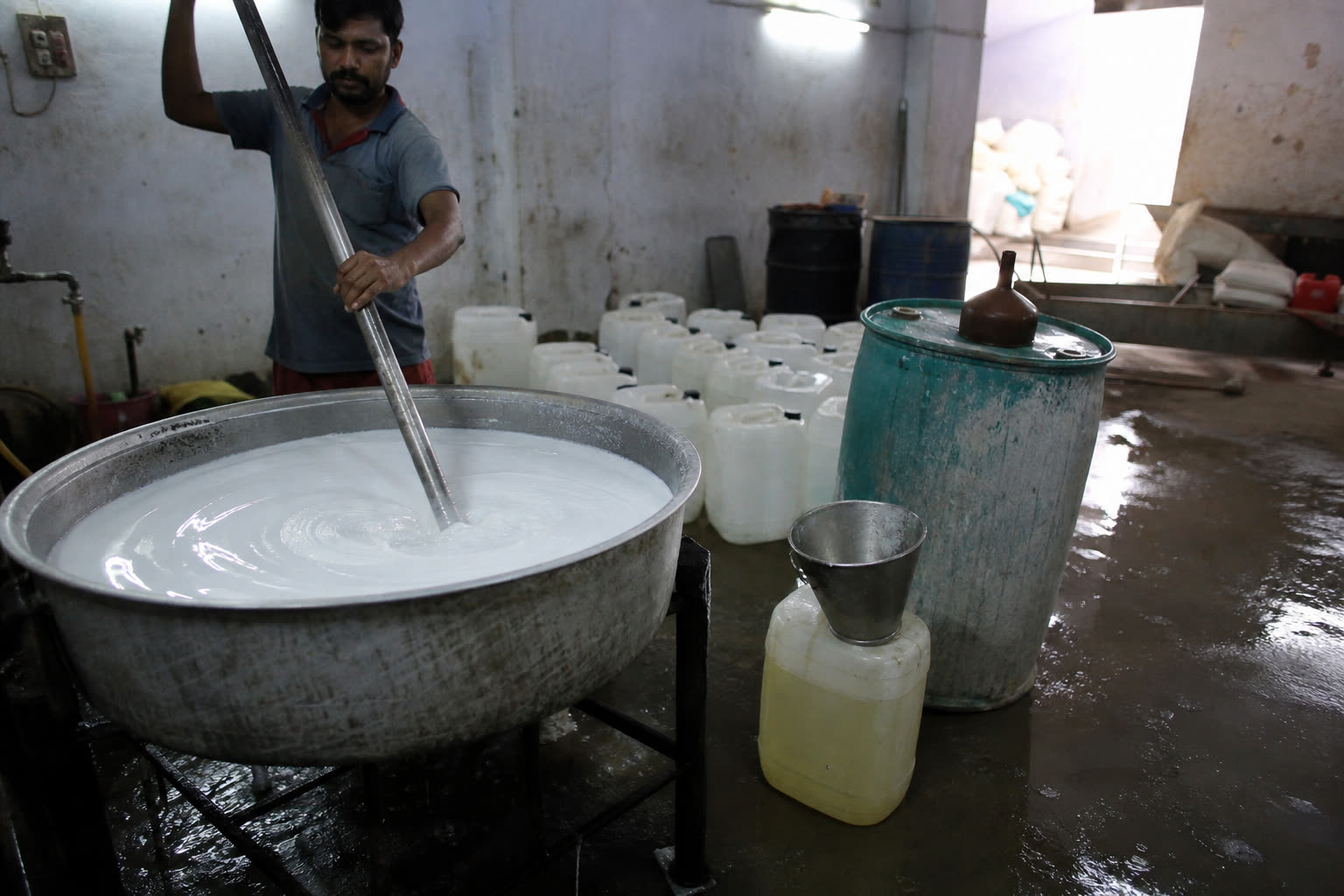
White phenyl is pine-oil based. The active raw material is pine oil, which is a terpene alcohol mixture derived from pine stumps or kraft pulping by-products. Pine oil is combined with an emulsifier, typically a blend of sulphonated castor oil, nonionic surfactants, or SLES, and optionally a fragrance addition. When diluted with water it turns milky white through oil-in-water emulsification, giving the product its name and its consumer appeal.
Some units also incorporate PCM tops phenyl cleaner into their white phenyl blend to boost the medicinal-pine character, which certain institutional buyers associate with effective cleaning. Others use gum turpentine oil as a top-note modifier to give the product a sharper, more volatile pine opening note. These additions are used to position the product's fragrance character for specific markets; they do not change the fundamental emulsion chemistry of a pine-oil-based product.
How Do the Costs Compare?
The cost structure of black phenyl and white phenyl differs in ways that are not always obvious to someone new to the trade. Tar acids and cresols are priced against the coal tar and coking industry cycle, while pine oil pricing tracks turpentine feedstock markets and the alpha-pinene chemistry chain. The two markets have their own supply volatility, and periods when one type is cheaper than the other can shift over months or seasons.
In general trade practice, black phenyl concentrates have historically been produced at a lower raw material cost per litre than pine-oil white phenyl concentrates of equivalent claimed dilution ratio. However, white phenyl commands a better retail price because of its consumer positioning: the clean milky appearance, the pleasant fragrance, and the association with household cleanliness that decades of marketing have established. Units that understand this margin difference position white phenyl for retail and light institutional work where price per litre is less sensitive, and black phenyl for bulk sanitation contracts where volume and price competitiveness drive the decision.
What Does Each Market Look Like?
The Indian disinfectant fluid market has both types firmly embedded, but the growth trajectory of white phenyl in retail and semi-institutional channels has been stronger over the past generation. Consumers buying floor cleaner for the home overwhelmingly choose white phenyl because of its appearance and fragrance. Black phenyl's strong odour and dark colour make it a harder sell through modern retail formats.
Institutional procurement by hospitals, railway contractors, defence establishments, and municipal sanitation departments still calls for phenolic disinfectants to IS 1061 in both classes depending on the application. A drain-treatment or outdoor sanitation specification will often call for black; a hospital corridor or hotel housekeeping specification may call for white or a surfactant-based floor cleaner.
Government MSME project profiles explicitly note that white phenyl demand at the consumer level is higher than black phenyl demand, which reflects the broader everyday-cleaning market it has captured over decades of retail growth. The fragrance and appearance advantage of white phenyl over black is deeply embedded in Indian consumer expectations, and that perception is unlikely to reverse in the near term.
Which Should You Produce?
This comes down to a market decision more than a purely technical one. If your primary customers are households, hotels, offices, and general retail channels, white phenyl with good pine oil gives you the margin and the volume at the right price point. If your primary customers are institutional buyers, municipalities, or industrial clients buying large quantities for drains and sanitation work, black phenyl may be the right product, particularly if you can secure regular tender contracts.
Many units we supply in UP and North India produce white phenyl as their main volume product and keep a smaller black phenyl line for institutional contracts. This is a practical balance if capacity allows. We supply pine oil in grades from 22% to 85% for white phenyl, plus PCM tops and turpentine for units that want to modify or further extend their formulation. To discuss raw material options for your line, reach out to Yash Agarwal at +91 96965 09933 or info@shadeshinepine.com.