Mineral Turpentine Oil prices in India are not set by one dial. They move because of crude oil costs, refinery output decisions, freight rates, seasonal demand cycles, and the behaviour of competing solvents. We have been sourcing and supplying solvents from Kanpur since the 1970s, and in that time we have watched prices swing for reasons that surprised even experienced buyers. This post lays out the main forces so you can read a quote with clearer eyes.
How Does Crude Oil Actually Feed Into MTO Pricing?
MTO is a middle-distillate fraction that refineries draw from crude oil. When the Indian Basket crude price rises, the refinery's feedstock cost rises, and that pressure eventually passes through to ex-depot solvent quotes. The relationship is real but is not a clean one-for-one formula. In June 2024, for instance, Indian MTO prices faced downward pressure from an oversupplied market even as crude was also slipping. Then in August the same year, MTO quotes moved upward by roughly three percent while the feedstock crude was falling by around six percent. The lesson is that crude sets a floor and a general direction, but the floor can be some distance below the actual market price when demand is weak or refinery inventories are heavy.
For practical planning, track the PPAC Indian Basket crude price as a directional signal, then get live depot quotes from suppliers rather than trying to calculate an MTO price from a crude figure. The gap between the two can be large enough to make formula-based estimates unreliable.
What Role Do Indian Refineries Play in Supply and Pricing?
In India the main domestic sources of MTO are the large public-sector refineries: IOCL, BPCL, HPCL and MRPL among others. Each refinery publishes periodic ex-depot prices that become the market reference for distributors and traders. If a refinery runs a turnaround or adjusts its distillation unit allocation, the available volume of MTO in a given region can drop sharply, pushing local prices above the depot benchmark. Conversely, when refineries are running at full capacity and export demand from markets like the US and EU is soft, domestic supply can accumulate and bring prices down. The June 2024 oversupply episode was partly a result of this dynamic.
Regional depot availability also matters. A buyer in Kanpur drawing from an IOCL location near Mathura will see different freight additions than a buyer in Chennai drawing from a southern refinery terminal. Distance from the nearest depot is a structural cost that buyers in inland locations carry permanently.
How Does Freight Shape the Final Price?
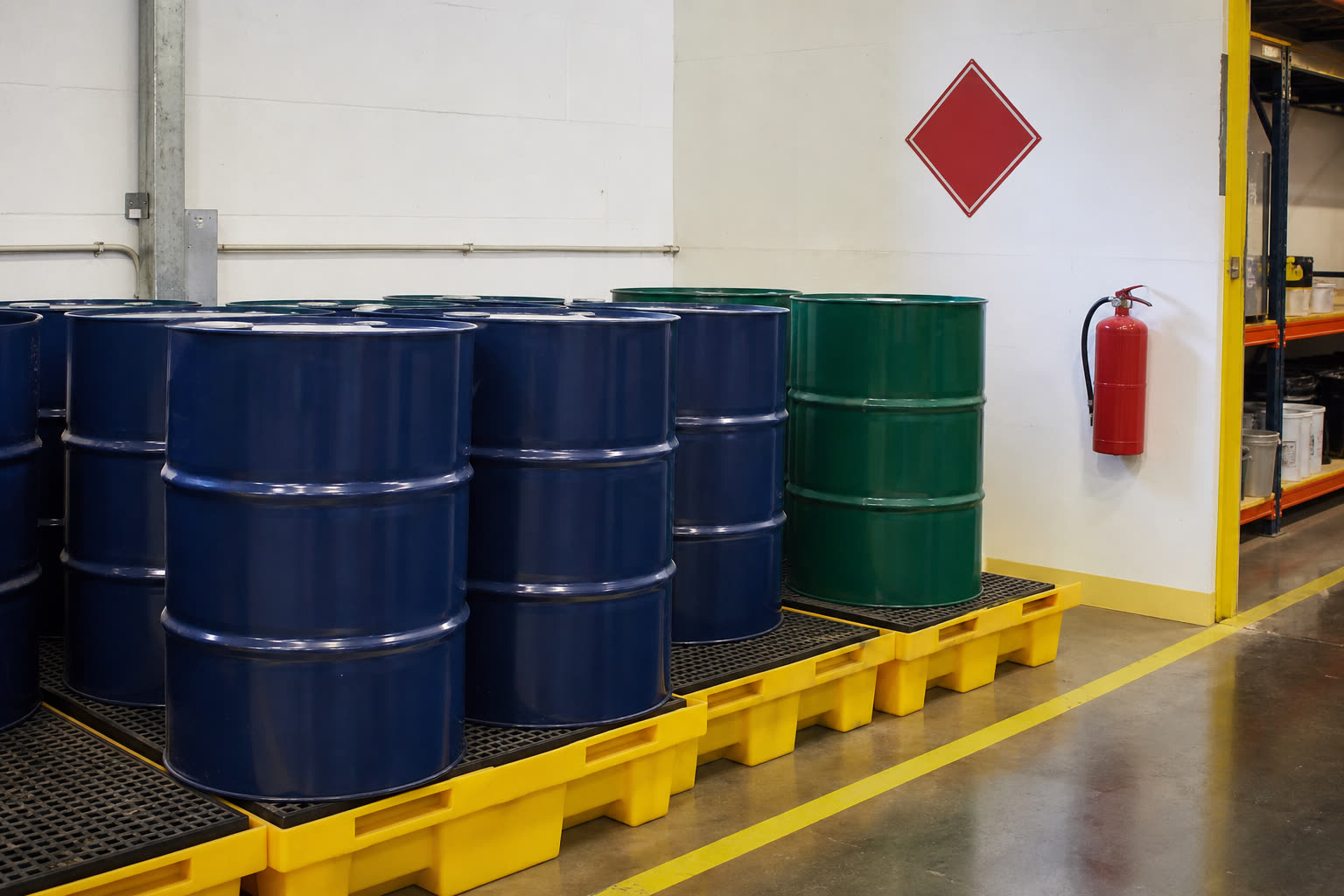
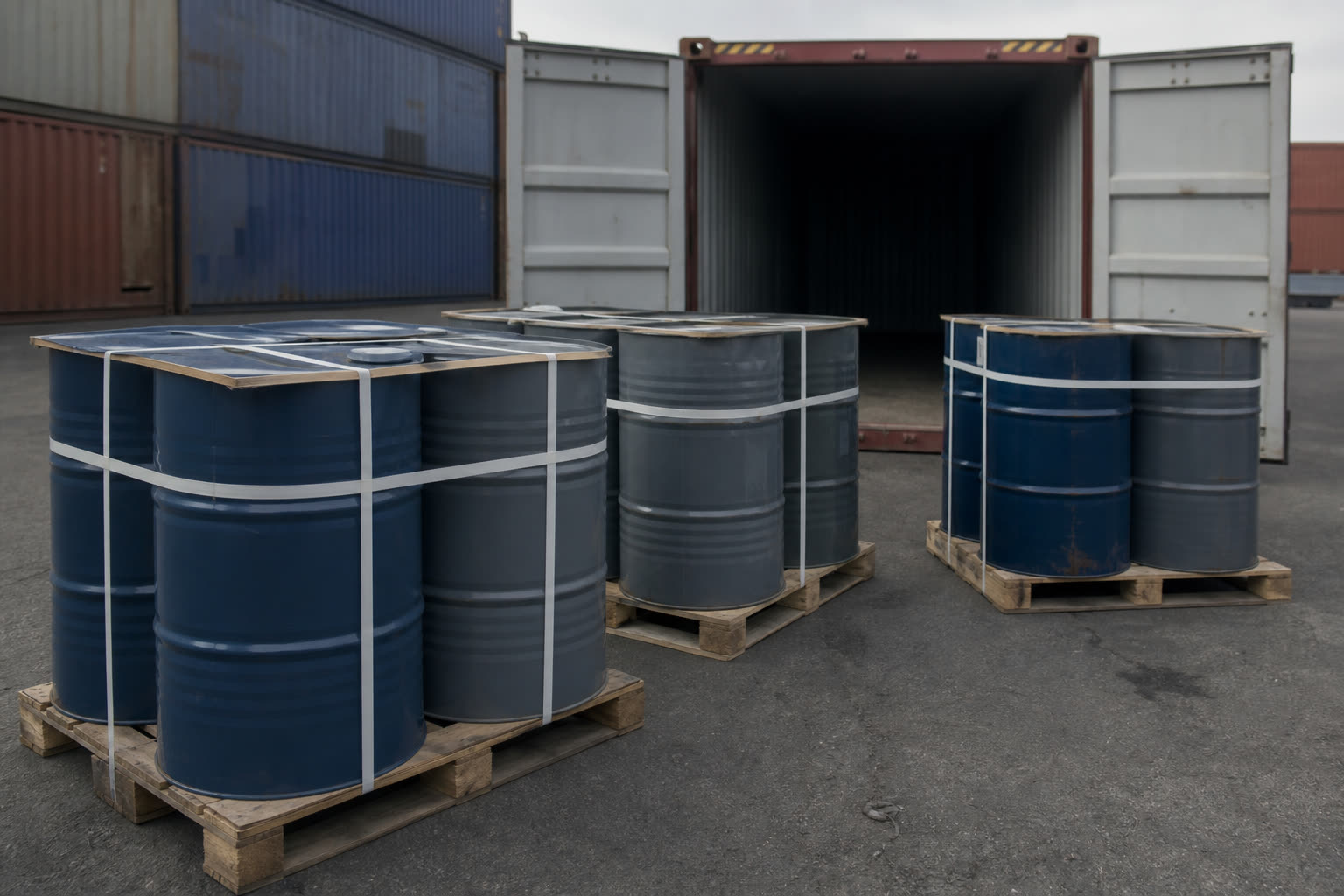
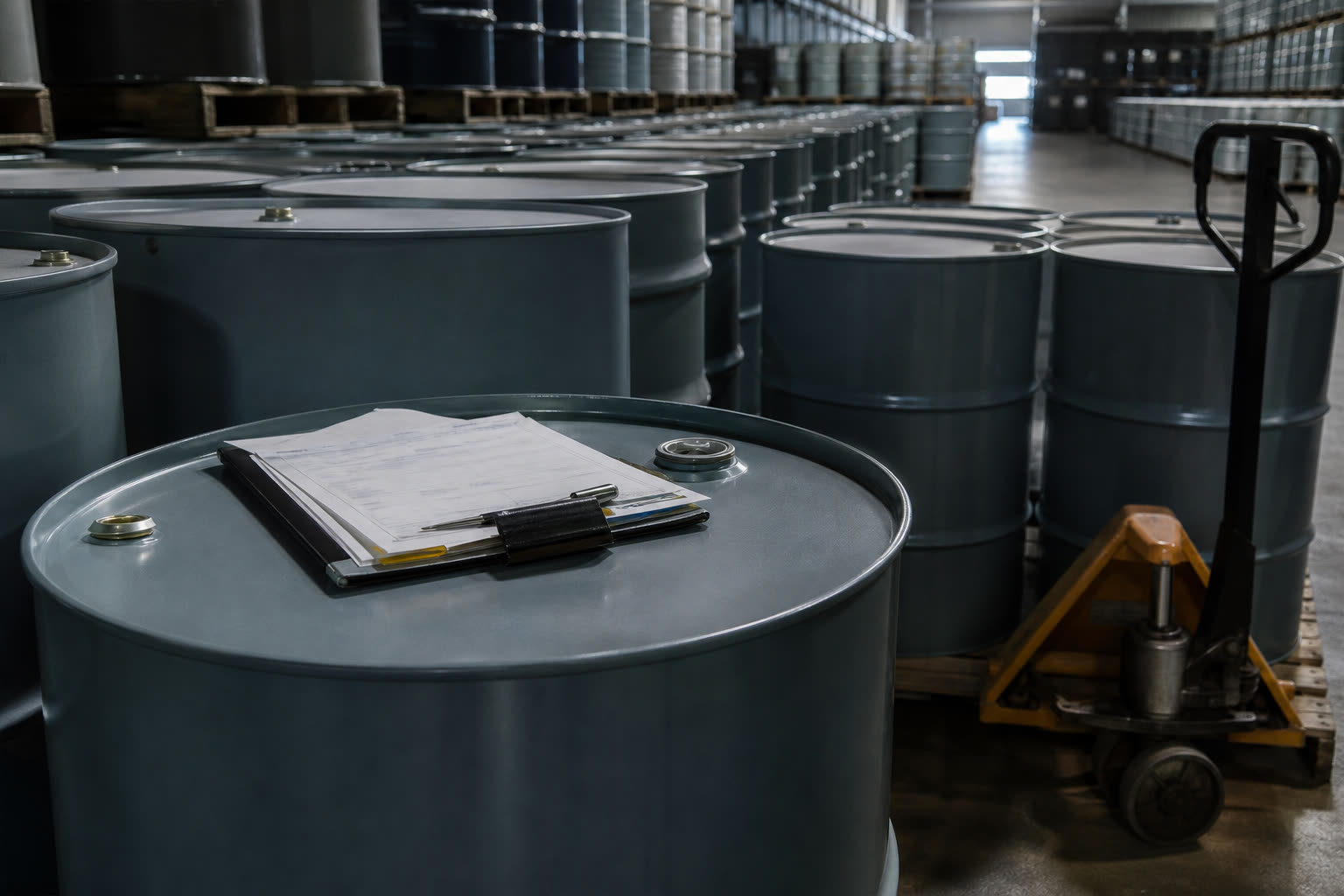
The ex-depot quote is only the starting point. Add GST, loading charges, the cost of the transport mode you choose, and any handling fees at your end. Road tanker freight is typically cheaper per kilolitre for large volumes but requires the buyer to have proper licensed storage and pump-out facilities. Drum deliveries add the cost of the drum itself plus handling at both ends. For smaller quantities in 200-litre drums, the delivered price per litre can be noticeably higher than the tanker equivalent, and that gap widens when diesel fuel costs are high because drum delivery usually means more trips per kilolitre moved.
Is There a Seasonal Pattern in MTO Demand?
Yes, and it comes mainly from the paint and coatings sector, which is the largest single buyer of MTO in India. Post-monsoon months, roughly October through February, tend to see stronger demand as construction activity resumes and painting and maintenance work picks up across the country. Pre-monsoon months can see a flush of buying as paint shops and contractors stock up before the rains slow work. These seasonal pulses can tighten nearby supply and nudge prices upward, particularly if they coincide with a tight refinery supply window.
MTO pricing does not follow the oleoresin cycle that governs gum turpentine oil prices. Gum turpentine comes from tapping pine trees, and that harvest is seasonal and weather-dependent. MTO is produced year-round by refineries, so its supply side does not have the same biological constraints. This makes MTO pricing somewhat more predictable in terms of supply availability, though the demand-driven seasonal pulse still applies.
What Other Factors Are Worth Watching?
Export demand can surprise domestic buyers. When international prices for white spirit are firm and Indian MTO is competitively priced for export, some of the domestic refinery output moves overseas, tightening the local market. Watch for periods when the rupee is weaker against the dollar, as those windows tend to make Indian solvent exports more attractive and can pull supply away from domestic channels.
The aromatic content and grade of MTO also affects pricing. Low-aromatic grades command a modest premium over standard grades because the refinery process to reduce aromatics involves additional steps. If your application requires a low-aromatic specification, confirm the grade in the quote and do not assume that all MTO sold at a similar price is the same product.
Finally, payment terms and order size both move the effective price. A tanker-load order with prompt payment typically fetches a better rate than a two-drum spot purchase on credit. Locking in forward supply agreements during periods of softer demand is a strategy we have used ourselves for decades.
Putting It Together for a Buying Decision
When you receive a MTO quote, break it down: ex-depot basic price, GST at the applicable rate, freight mode and distance, and any handling additions. Compare that delivered cost against the current PPAC crude signal to sense whether the margin looks normal or elevated. For consistent supply in northern India, a regional supplier who already stocks and distributes MTO in drum and tanker quantities removes the depot logistics from your plate.
We at Shade Shine Pine Industries have recently added Mineral Turpentine Oil to our range alongside our established pine chemicals including gum rosin. We supply in 1-litre Shade Shine branded bottles packed in cartons, in 200-litre drums, and by road tanker for bulk requirements. To discuss current pricing and availability, write to info@shadeshinepine.com or call Yash Agarwal at +91 96965 09933.