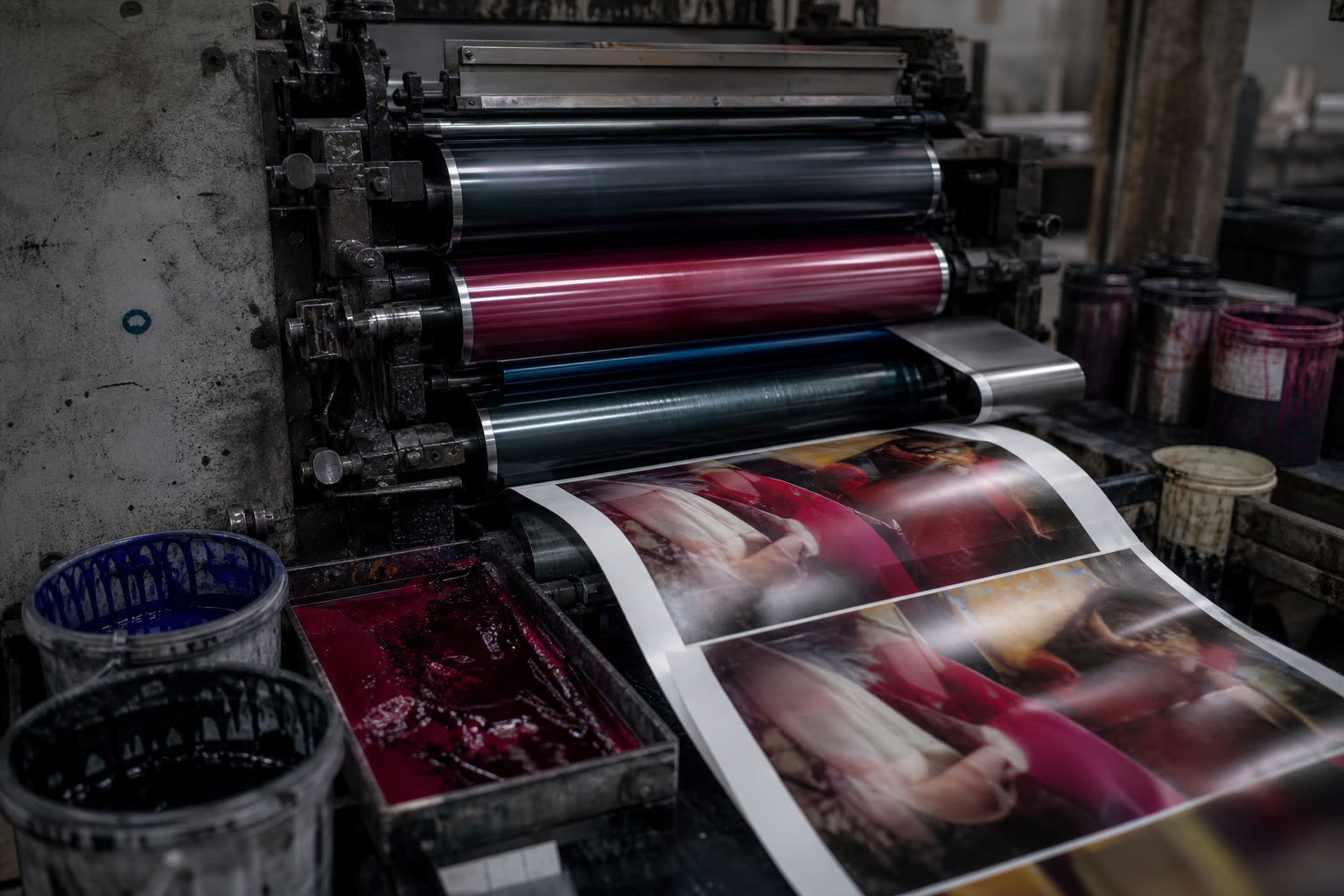
The offset printing press room is one of the established end-markets for petroleum solvents in India. Rollers accumulate dried ink and polymer residue. Blankets collect paper lint, dried ink, and paper coating particles. Both need regular cleaning, and the solvent you choose affects press uptime, roller and blanket life, operator health, and fire risk. Mineral Turpentine Oil enters this conversation as a base solvent and sometimes as a direct cleaning agent. This post is honest about where it fits and where it does not.
What Role Has MTO Historically Played in Press Room Cleaning?
Before the growth of the formulated press-wash market in India, printers in many small and medium print shops used mineral-based solvents, sometimes including MTO and similar petroleum cuts, as a basic roller wash. The solvent would dissolve the paste ink vehicle and allow ink residue to be wiped away with a cloth or lint-free wipe. For conventional oil-based inks on sheet-fed presses, this approach worked reasonably well as a manual process.
MTO's properties that made it useful in this context are its moderate solvency for oil-based ink vehicles, its relatively low cost compared with more refined solvents, and its availability in consistent quality from refinery sources. At a flash point above 35 degrees Celsius, it is Class B petroleum, which is safer than lighter solvents but still requires ignition control in a press room where rags and running machinery create static and heat.
Where Does Straight MTO Have Limitations in Press Room Use?
Modern offset printing has moved away from simple solvent wiping in several directions, and each direction creates a limitation for straight MTO:
- Automatic wash-up systems on modern presses are designed for purpose-formulated washes that can be sprayed at precise dilution ratios and recovered with squeegees. These systems work best with washes that have controlled viscosity, emulsification properties, and specified evaporation rates. Plain MTO does not have an emulsification package and can leave a residual film on rollers that affects the ink-water balance if not fully removed.
- UV ink systems cannot be cleaned with MTO. UV inks are cured by light, not by solvent evaporation, and their resin systems require specific UV-compatible washes. Using a petroleum solvent on UV rollers can swell or damage the roller rubber and leave an incompatible residue.
- Water-miscible washes are increasingly preferred for environmental and workplace health reasons. A wash with high water content and a small amount of emulsified solvent produces less volatile organic compound emission than straight MTO, which is relevant for print shops that need to manage VOC output under applicable rules.
- Roller and blanket rubber compatibility requires confirmation for each rubber compound. The blanket or roller maker's guidance should be followed for solvent compatibility. Some rubber compounds swell with aromatic petroleum solvents, and using an off-specification wash can shorten blanket life significantly.
Where Is MTO Still Genuinely Useful in Printing?
For smaller print operations running conventional paste inks with manual wash-up, MTO remains a practical and cost-effective base cleaner for rollers when proper ventilation, ignition control, and waste-rag disposal are in place. Some Indian press-room wash formulations also use MTO or similar petroleum distillate as a base solvent, with added emulsifiers and corrosion inhibitors to make them press-compatible. Buying MTO in bulk and supplying it to a formulator who makes your press wash is a different value chain from using MTO neat on the press.
MTO also has uses in the broader print supply chain: cleaning ink trays and storage containers, removing dried ink from non-rubber surfaces, and general solvent cleaning in the pressroom environment where open ink containers and application equipment need periodic cleaning with a petroleum solvent.
Screen Printing and Textile Printing: A Separate Consideration
Beyond offset, the screen printing and textile printing sectors in India have historically used petroleum solvents for mesh cleaning and pigment mixing. HPCL's product documentation specifically lists textile printing with pigment colours as an application for MTO. In this setting the solvent is used to dissolve pigment binders and clean screens between colour changes rather than to clean rubber rollers in the offset sense.
For screen printing, the aromatic content of the MTO grade matters because aromatic hydrocarbons have better solvency for many pigment binders and resins used in textile printing inks. A higher-aromatic grade may perform better for this application than a low-aromatic grade, though the trade-off is stronger odour in the working environment. Confirm the grade requirement with your ink supplier rather than assuming that any MTO will perform identically for your specific pigment system.
What Should a Press Room Manager Specify When Buying a Solvent?
If you are buying MTO for direct press room use, confirm: flash point above 35 degrees Celsius minimum; aromatic content below 25 percent v/v to limit rubber swelling risk; no water or sediment; and a residue on evaporation value that confirms the solvent leaves no film. For an automatic wash system, consult the press maker's specification for the approved wash type before ordering any solvent.
For a purpose-built wash, the flash point should typically be above 60 degrees Celsius and the product should have demonstrated water miscibility and compatibility with your rubber type. In that case you are not buying MTO as a direct wash, you are buying a formulated product that may or may not contain MTO in its composition.
We carry pine oil as a separate product, which has some cleaning applications but is a different chemistry from MTO and is not a press-room roller wash. If you are looking for a pine chemistry perspective on solvent supply alongside petroleum solvents, that is where our range started and where we have five decades of knowledge.
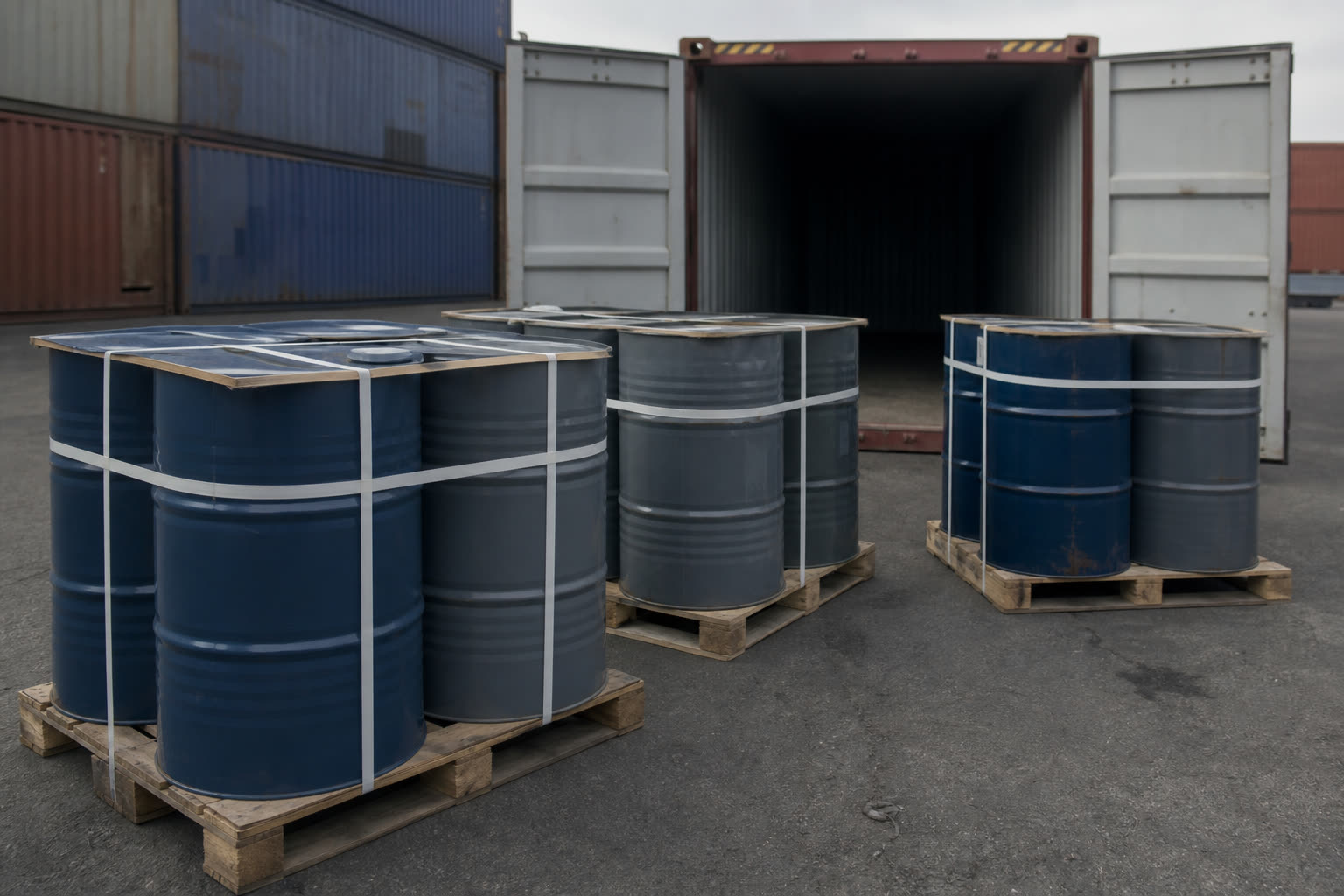
Shade Shine Pine Industries supplies MTO in 1-litre Shade Shine branded bottles in cartons for retail and small-scale users, in 200-litre drums for medium buyers, and by road tanker for bulk requirements. Write to info@shadeshinepine.com or call Yash Agarwal at +91 96965 09933 to discuss your solvent requirements.