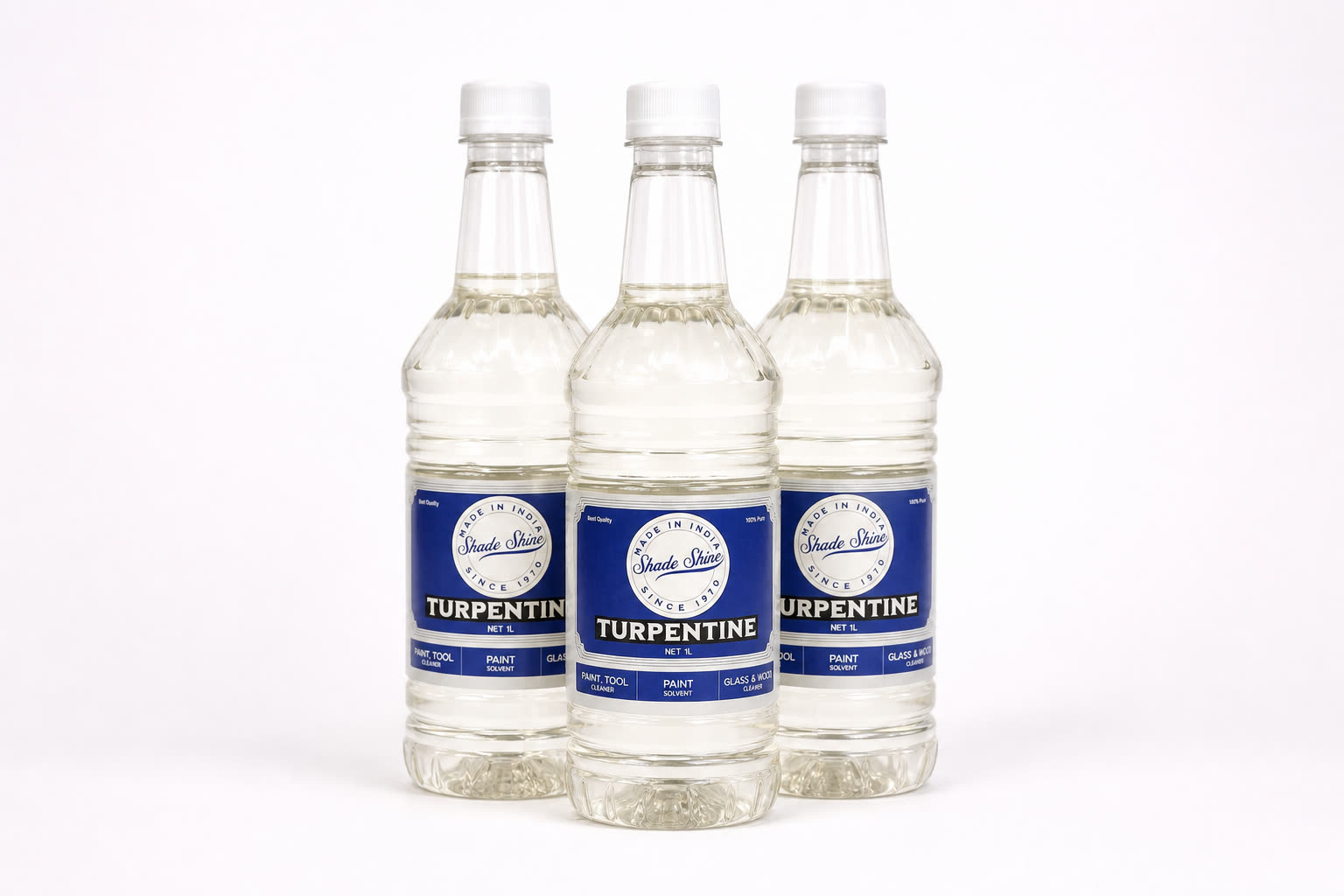
We supply mineral turpentine oil in three pack formats: the Shade Shine 1 litre bottle packed in cartons, the standard 200 litre drum, and road tanker loads for large industrial buyers. Each format exists because it suits a different buyer profile and a different operational situation. Choosing the wrong one is not a quality issue, but it costs money in unnecessary packaging overhead, logistics inefficiency, or spoilage from poor storage fit. Here is how to decide.
Who Should Buy the 1 Litre Bottle?
The 1 litre bottle under the Shade Shine label is designed for retail, small trade, and construction site use where controlled dispensing and minimal on-site storage are the priorities. The buyers who genuinely benefit from this format include:
- Hardware and paint retailers: A carton of 1 litre bottles is easy to stock on a shelf, easy to sell individually across the counter, and does not require the retailer to hold a petroleum storage licence for large volumes. Shelf life in sealed bottles is long, so there is no wastage from evaporation during slow trading periods.
- Small contractors and individual painters: A painter working on a single apartment renovation or a small batch of furniture does not need 200 litres of MTO. Buying one or two litres at a time matches consumption to purchase, avoids leaving a large open drum on site for weeks where evaporation and contamination reduce quality, and keeps the site tidy and compliant.
- Household users: Someone touching up furniture, cleaning brushes after a weekend project, or maintaining a small home workshop with irregular use benefits from the measured quantity. A sealed 1 litre bottle stored properly lasts through many months of occasional use without quality drift.
- Sites with no suitable drum storage: Smaller construction sites often have no facility to store or secure a 200 litre drum safely against theft or weather. Individual bottles in a lockable site box are far more practical.
Who Should Buy the 200 Litre Drum?
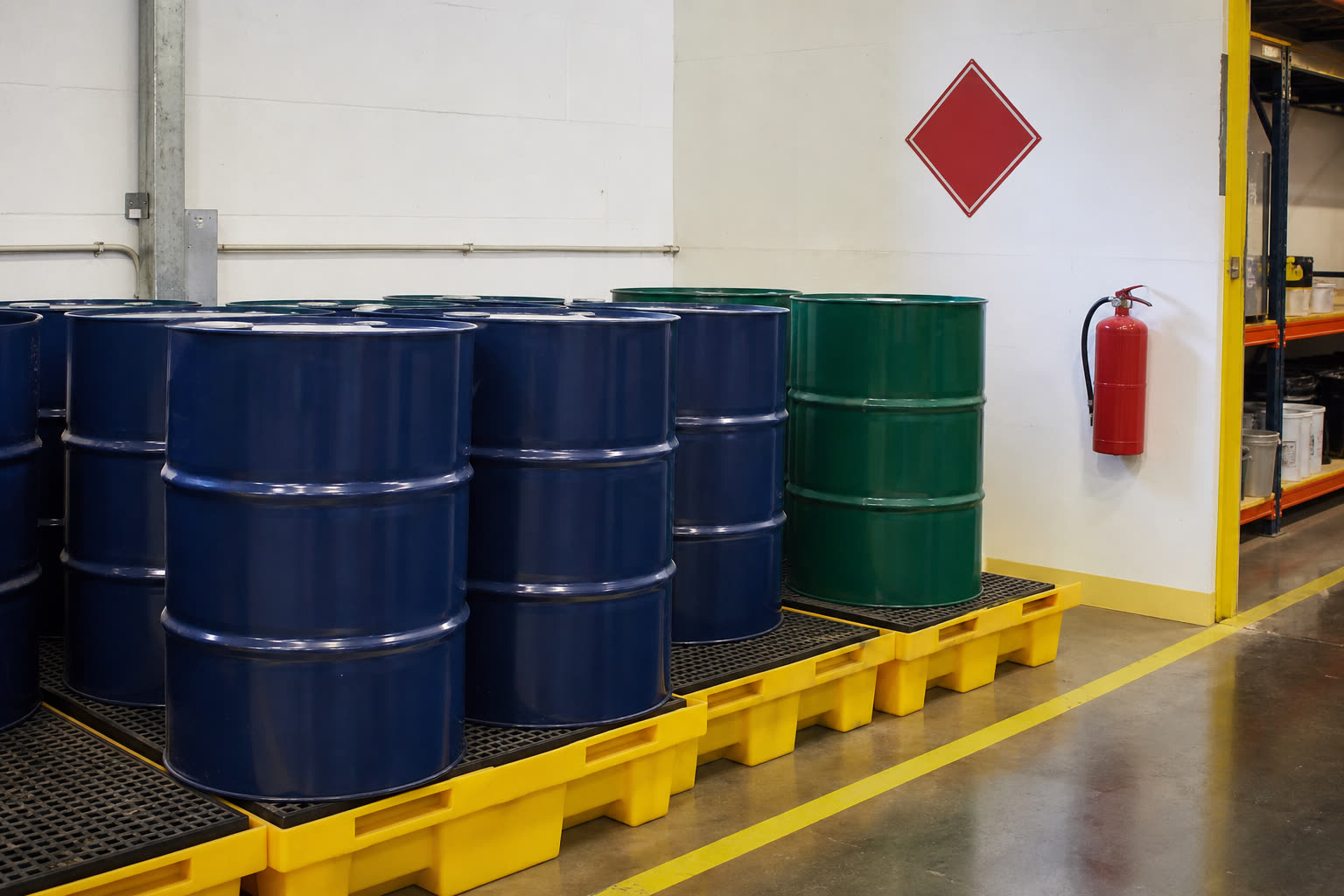
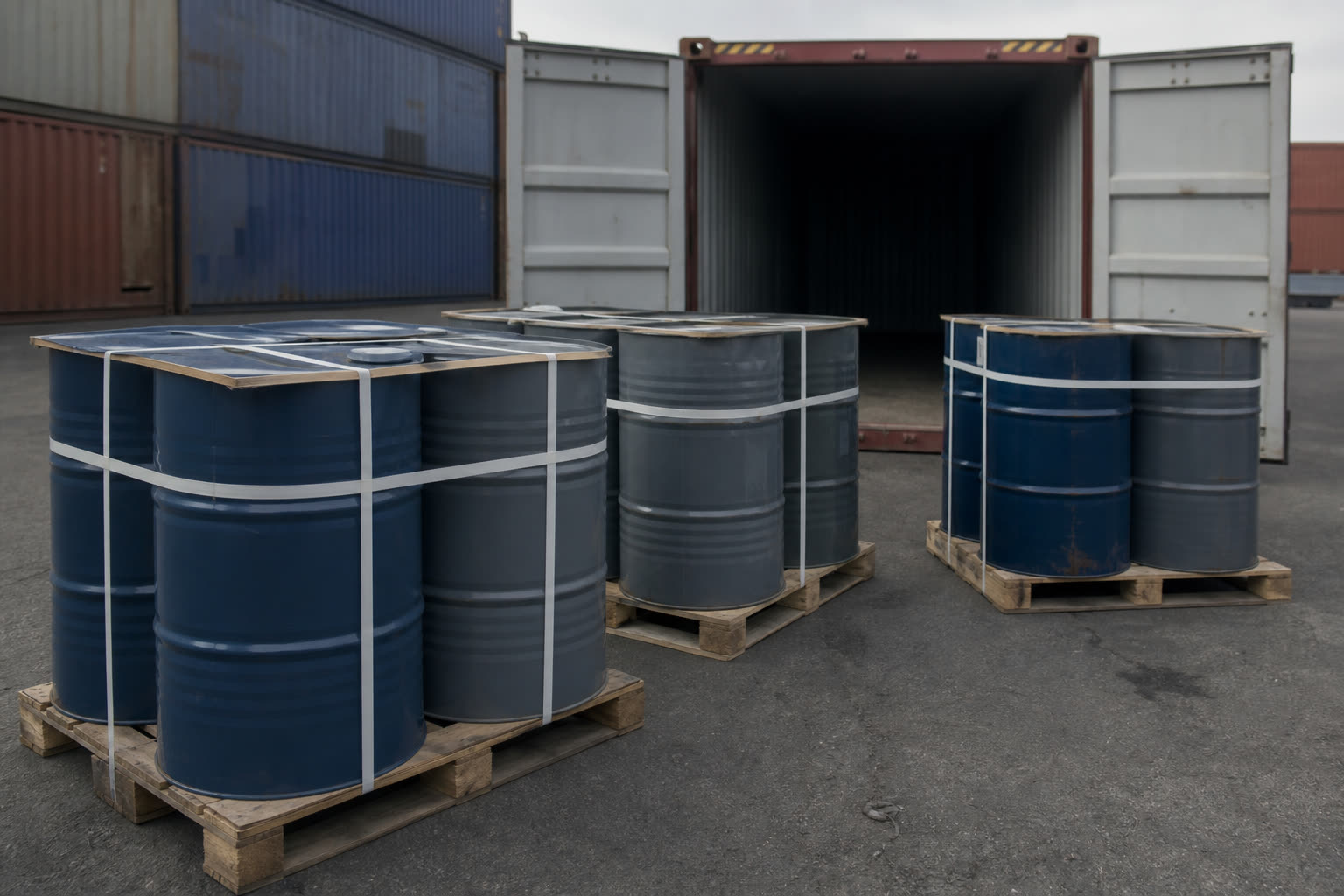
The 200 litre drum is the right format for buyers consuming MTO steadily across each working month. A workshop using MTO daily for thinning paint, cleaning brushes, and degreasing metal before priming will typically consume anywhere from 50 to several hundred litres a month. For these buyers, the economics of the drum are clear: the per-litre cost is lower, packaging waste is reduced, and receiving one drum is simpler logistics than handling many cartons of bottles. Drum buyers should have:
- A secure, ventilated store area suitable for Class B flammable liquids, with floor space for upright drum storage on a pallet and access for a drum pump or transfer trolley.
- A drum pump or hand-operated tap for dispensing. Tipping a 200 litre drum to pour from is impractical and dangerous. A simple drum pump or barrel tap costs little and makes dispensing controlled and safe.
- A consumption rate that means the drum will be emptied within three to four months of opening. An open drum sitting longer than that risks moisture ingress through the bung, quality drift, and in humid conditions the formation of rust scale inside a steel drum that can contaminate the solvent.
Typical drum buyers are paint works, furniture factories, automotive service shops, metal fabrication units, construction contractors, and industrial maintenance teams. This is the format that suits most professional operations across North and Central India.
Who Should Buy by Road Tanker?
Tanker supply removes drum-handling cost entirely and delivers the lowest per-litre price for buyers who consume MTO continuously. It suits buyers who maintain a bulk storage tank of several thousand litres on their premises, consume MTO as a regular process input, and have the pumping, metering, and safety infrastructure to receive and transfer from a tanker safely. Large paint works running continuous production lines, solvent blending operations, and chemical works that use MTO as a carrier solvent are the natural tanker buyers.
Receiving a tanker also requires attention to storage certification under Indian Petroleum Rules. The total volume held on the premises must be within the licensed limit for the site. Check this before committing to tanker-scale purchasing. Contact us to discuss minimum tanker quantities and lead times.
Stockist Economics
Stockists who distribute to multiple retail accounts face a different calculation. A stockist buying in drums and breaking bulk into retail units is paying for the drum format and the labour of repacking. If turnover supports it, buying in tanker loads into a ground storage tank and filling directly into retail containers or small drums is significantly more efficient per litre. The Shade Shine 1 litre bottle, sold through to the retail trade, carries a margin that compensates for the higher per-unit packaging cost of the bottle format. Plan the supply chain around actual monthly throughput to find the right tier.
Shelf Life and Decanting Risks
MTO in sealed bottles under normal storage conditions remains within specification for well over a year. In drums, the main risk is water ingress through a leaking bung seal if the drum is stored outdoors or in very humid conditions. Water contamination causes cloudiness and can introduce rust particles into the solvent. Always inspect a drum before use: draw the first small quantity into a clean glass jar and check for clarity, colour, and absence of sediment. If the sample is cloudy or shows particles, identify the source before using the drum content in paint or on a finished substrate. Decanting from a drum into clean working containers using a pump prevents the site contamination problems that are expensive to trace back after paint has been applied and has dried.
Order in the Right Pack
We supply mineral turpentine oil in Shade Shine 1 litre bottles packed in cartons for retail and small-use buyers, in 200 litre drums for workshops and distribution stockists, and in road tanker quantities for industrial accounts with appropriate storage. Contact Yash Agarwal at +91 96965 09933 or email info@shadeshinepine.com to discuss which pack makes sense for your operation and to get a current price and delivery schedule.