When a buyer asks for Mineral Turpentine Oil without a grade specification, they may receive anything from a product with 15 percent aromatics to one with 40 percent aromatics. Both are called MTO in the Indian market. Both meet some version of a petroleum solvent specification. But their performance in a paint, a cleaning application, or an ink formulation can differ enough to cause real problems. This post explains what aromatic content actually means in practice and how industries in India choose between grades.
What Does Aromatic Content Mean for MTO?
MTO is a mixture of hydrocarbon molecules. These fall into two broad chemical families: aliphatic hydrocarbons, which include straight-chain and branched alkanes and cycloalkanes, and aromatic hydrocarbons, which contain benzene-ring structures. The aromatic fraction gives the solvent higher solvency power for resins, oils, and polymers but also contributes stronger odour, slower evaporation in some formulations, and greater potential for skin and respiratory irritation at sustained exposure levels.
Indian refinery product sheets and the IS 1745:2018 standard define MTO grades partly by their aromatic content ceiling. BPCL's standard MTO specifies a maximum of 30 percent by volume aromatics. Some Indian suppliers in the market list products at around 17 to 23 percent aromatics as "low aromatic" grades. Others supply material at or near the 30 to 40 percent range. These are meaningfully different products even though they share the MTO label.
The Trade-Off Table
| Property | Low-Aromatic MTO (below 20% v/v) | Standard/High-Aromatic MTO (20-40% v/v) |
|---|---|---|
| Solvency for resins | Moderate | Higher |
| Odour strength | Milder petroleum note | Stronger petroleum note |
| Evaporation rate | Broadly similar; slight variation by grade | Broadly similar; slight variation by grade |
| Rubber compatibility | Lower swelling risk | Higher risk of rubber swelling |
| Workplace exposure concern | Lower aromatic vapour load | Higher aromatic vapour load at same use rate |
| Typical price premium | Small premium over standard | At or below standard grade pricing |
| Preferred use case | Paints, enamels, consumer products, cleaning, food-adjacent environments | Resin dissolving, heavy industrial cleaning, rust preventive formulations |
Which Grade Do Paint and Coatings Buyers Prefer?
For oil-based enamel and alkyd paint thinning, which is the largest end-use for MTO in India, most buyers and formulators prefer a low-aromatic to mid-aromatic grade. The paint thinning application does not require very high solvency from the MTO itself, because the paint's own resin package is already dissolved and the MTO is acting as a viscosity reducer and drying aid. A lower aromatic content means a milder odour in enclosed application spaces, which matters in domestic and commercial interior painting where occupants are nearby.
Paint makers formulating alkyd or oil-based products for retail sale tend to specify MTO at or below 30 percent aromatics because that is what their retail customers expect. A strongly aromatic thinner with a pungent smell is less commercially appealing at point of sale, even if the technical performance is similar.
Where Is Higher Aromatic Content Preferred?
Industrial applications where solvency is the dominant requirement and odour is less critical tend to tolerate or actively prefer higher aromatic content. Rust preventive oil formulations, heavy industrial degreasers, and some printing ink systems benefit from the enhanced dissolving power that aromatic content provides. In these settings the application is typically in an industrial environment with ventilation, and the user is a trained worker rather than a domestic painter.
Some resin-dissolving applications, for instance in adhesive and sealant production, also prefer a higher-aromatic MTO because the resin needs to stay dissolved in the solvent for long enough to allow application and bonding. A lower-aromatic solvent may not keep certain resins in solution at the same concentration.
How Do You Specify the Right Grade?
Do not rely on the label low aromatic alone. That phrase does not have a single regulated meaning in the Indian market. Instead, specify the maximum aromatic content as a percentage by volume, confirm it will be reported on the COA, and state the test method. Also confirm the distillation range, flash point, and residue, because aromatic content alone does not fully describe the grade. A product with 18 percent aromatics and a high residue value is not the same as a clean low-aromatic grade, despite the similar aromatic percentage.
If you are currently using gum turpentine or double distilled turpentine oil and considering a switch to MTO for cost reasons, the aromatic content of the MTO grade you choose will significantly affect how well it replaces the natural solvent in your formulation. See our post on natural versus petroleum solvents for wood finishing for a detailed comparison.
Aniline Point as a Supporting Specification
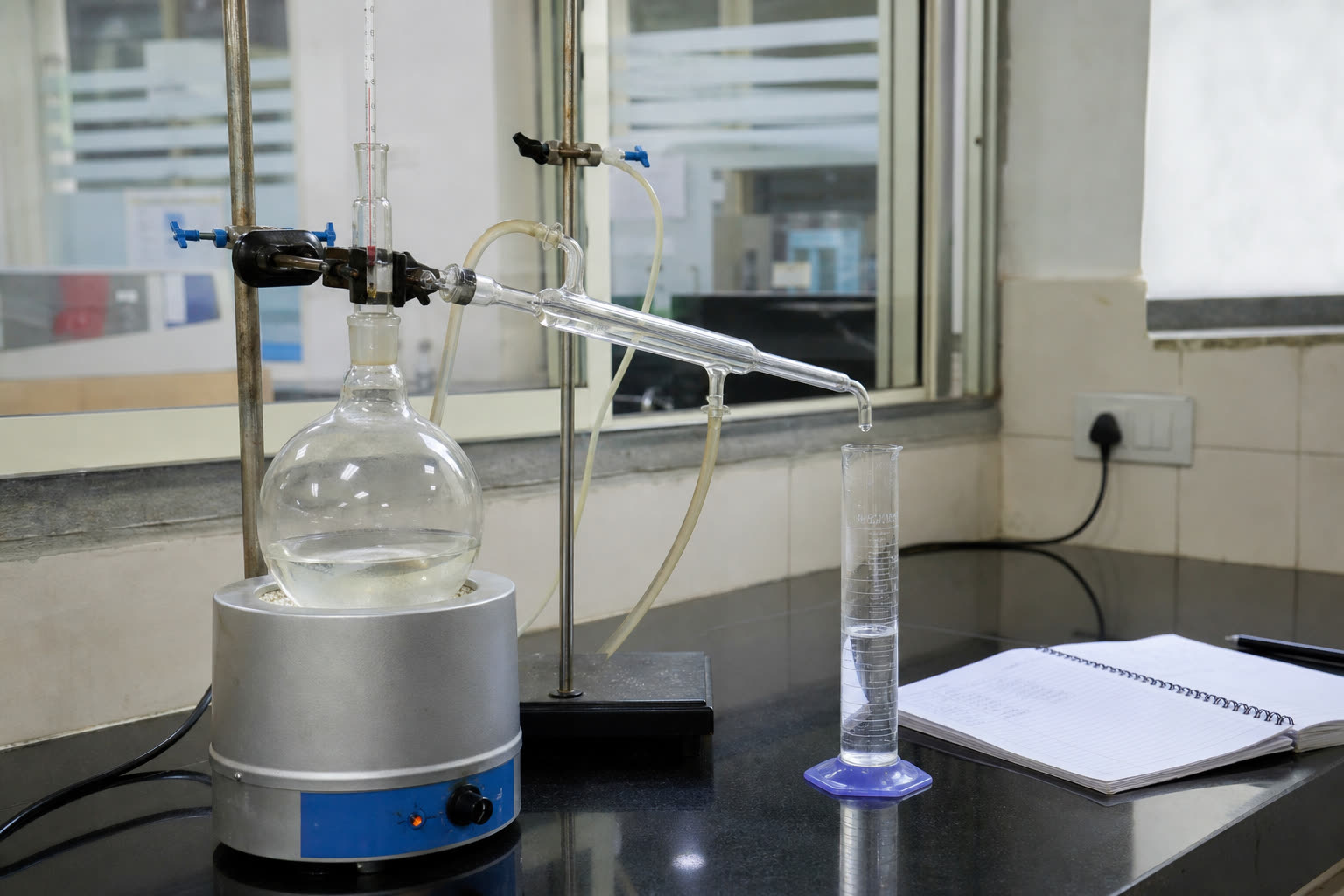
Buyers who want a reliable secondary check on aromatic content can request the aniline point alongside the aromatic percentage. Aniline point is the lowest temperature at which equal volumes of aniline and the solvent are miscible. A lower aniline point indicates higher aromatic content, because aromatics dissolve aniline more readily than aliphatic hydrocarbons do. For an MTO with 20 to 30 percent aromatics, the aniline point typically falls in the 60 to 75 degrees Celsius range, though the exact figure depends on the specific hydrocarbon distribution in the grade. Requesting both the aromatic percent and the aniline point from a supplier gives two independent checks on the same underlying property, making it harder to misrepresent the grade without detection in testing. Where the stakes are high, for example when MTO is being used in a skin-contact cleaning product or in a space with limited ventilation, specifying a verified low-aromatic grade with a COA that captures both parameters is worth the small additional cost over a generic quote.
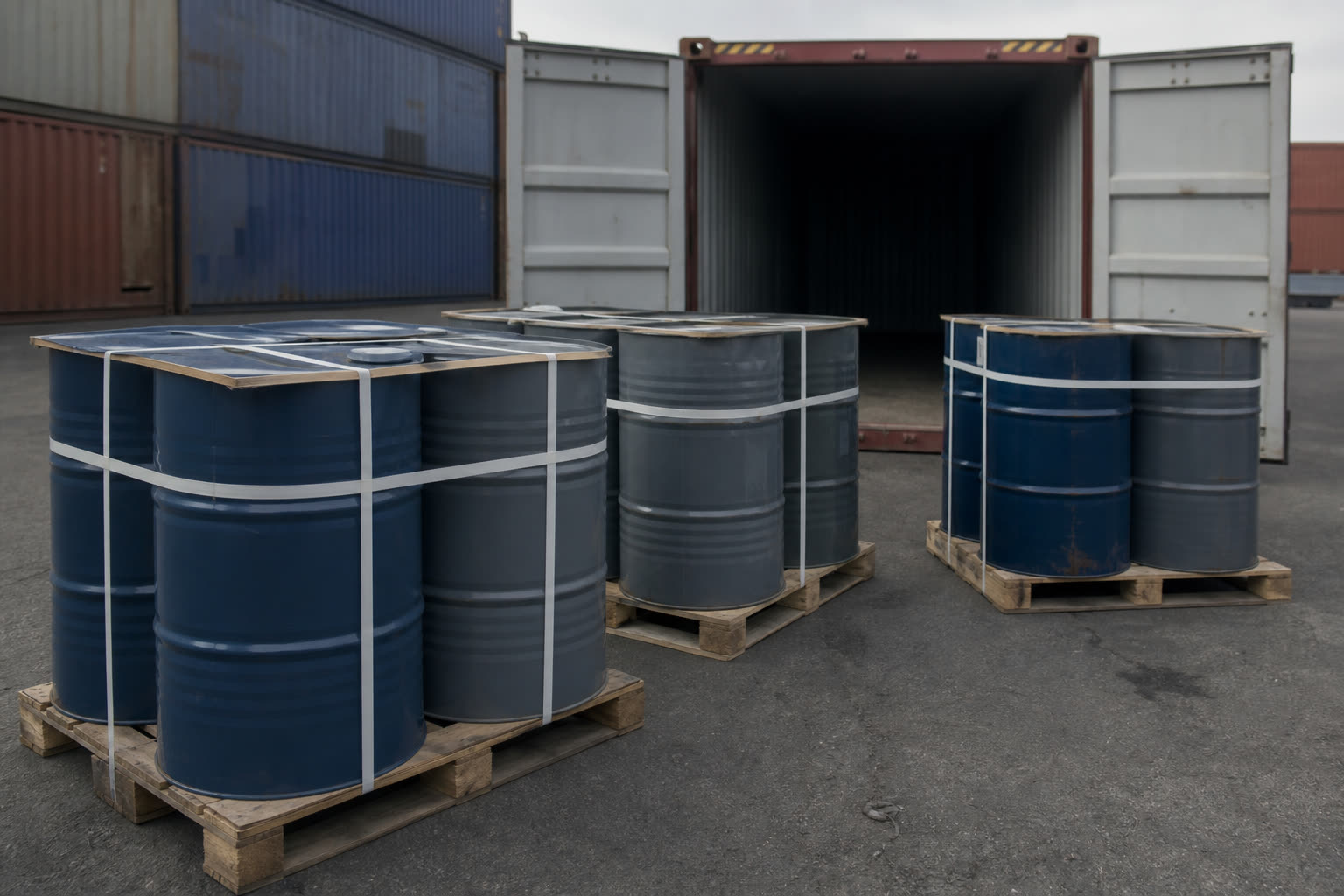
Shade Shine Pine Industries sources MTO with documented grade specifications and supplies with full COA. We offer 1-litre Shade Shine branded bottles in cartons for retail trade, 200-litre drums for mid-scale buyers, and road tanker quantities for bulk industrial customers. To discuss grade requirements and get a current quote, contact Yash Agarwal at info@shadeshinepine.com or +91 96965 09933.