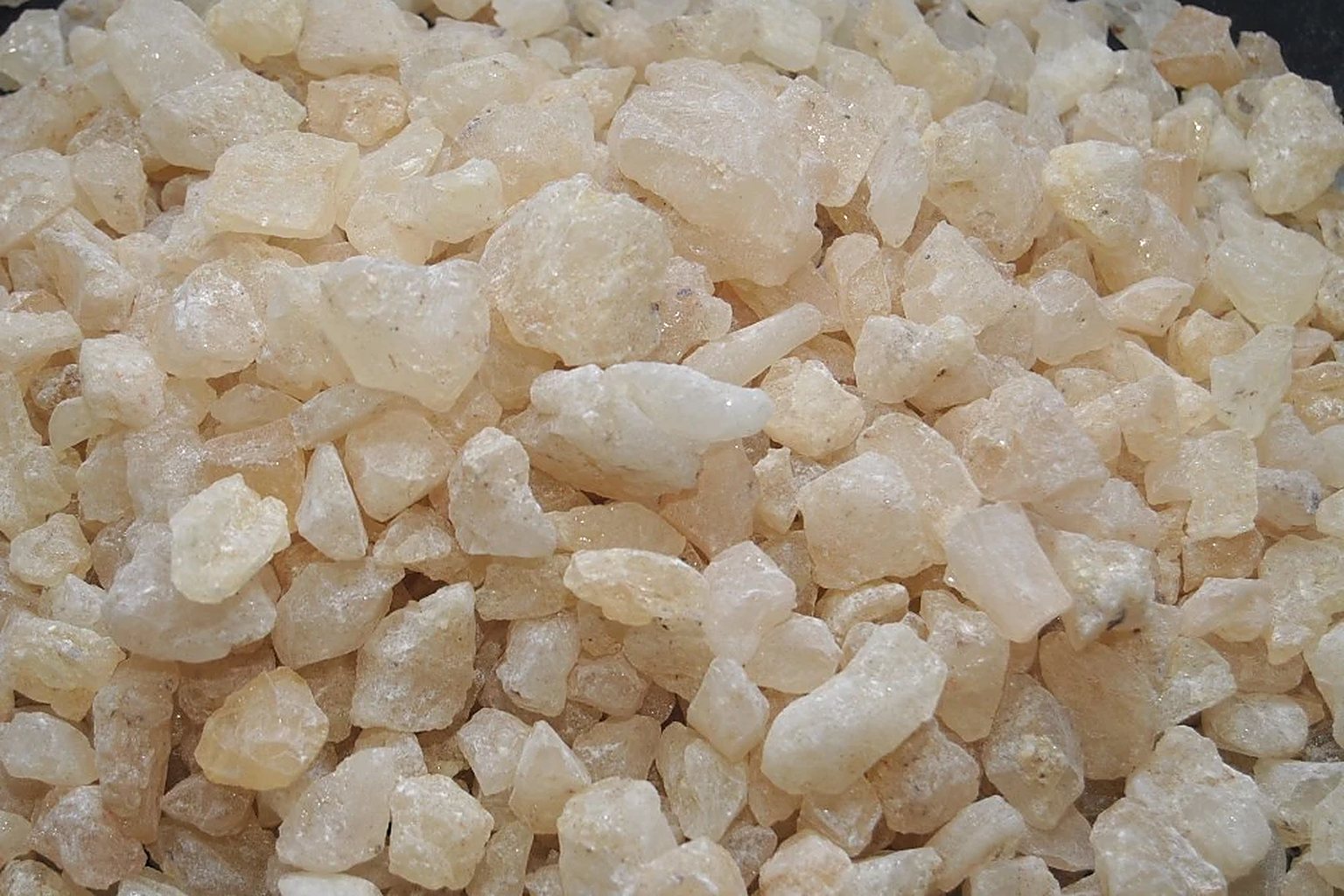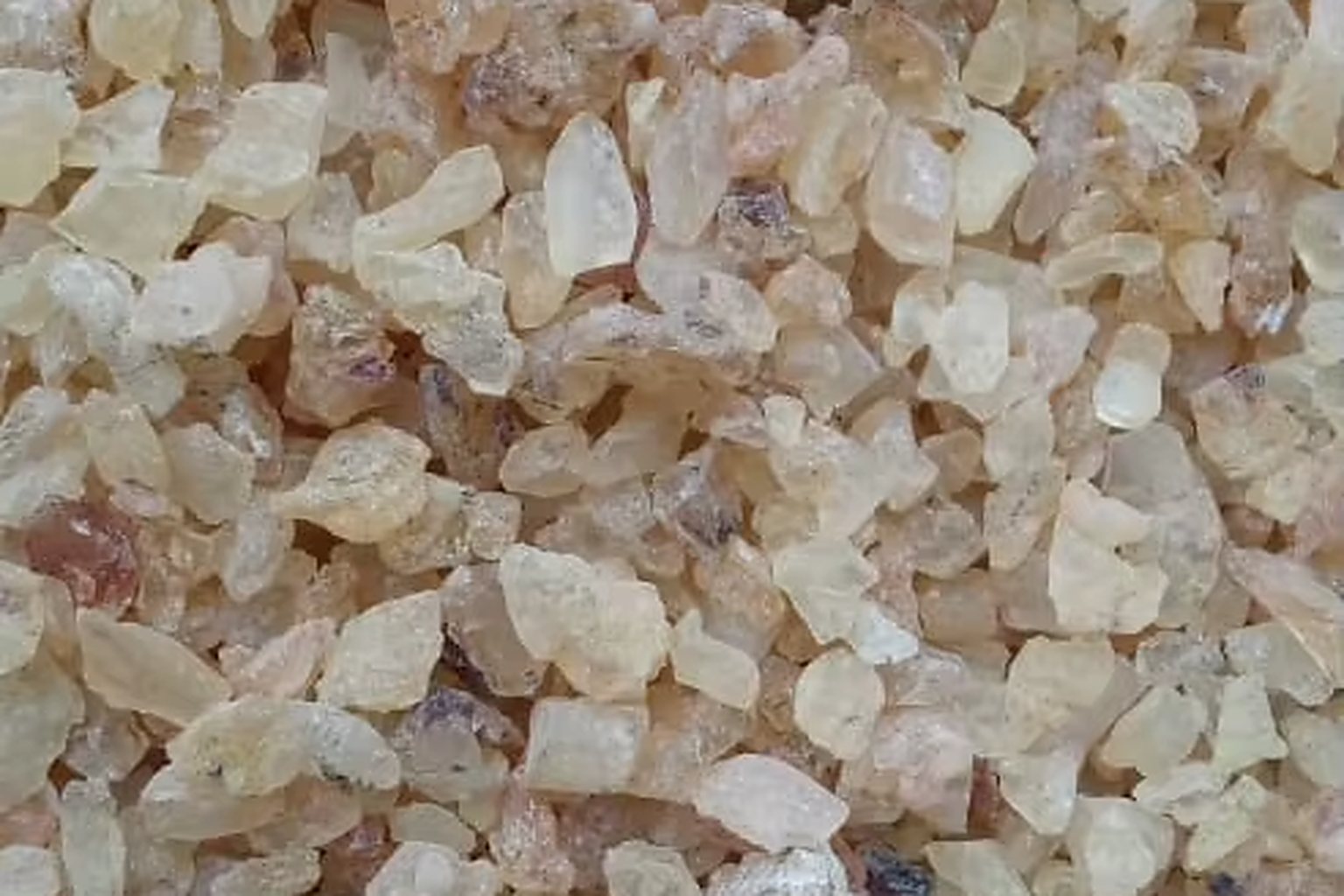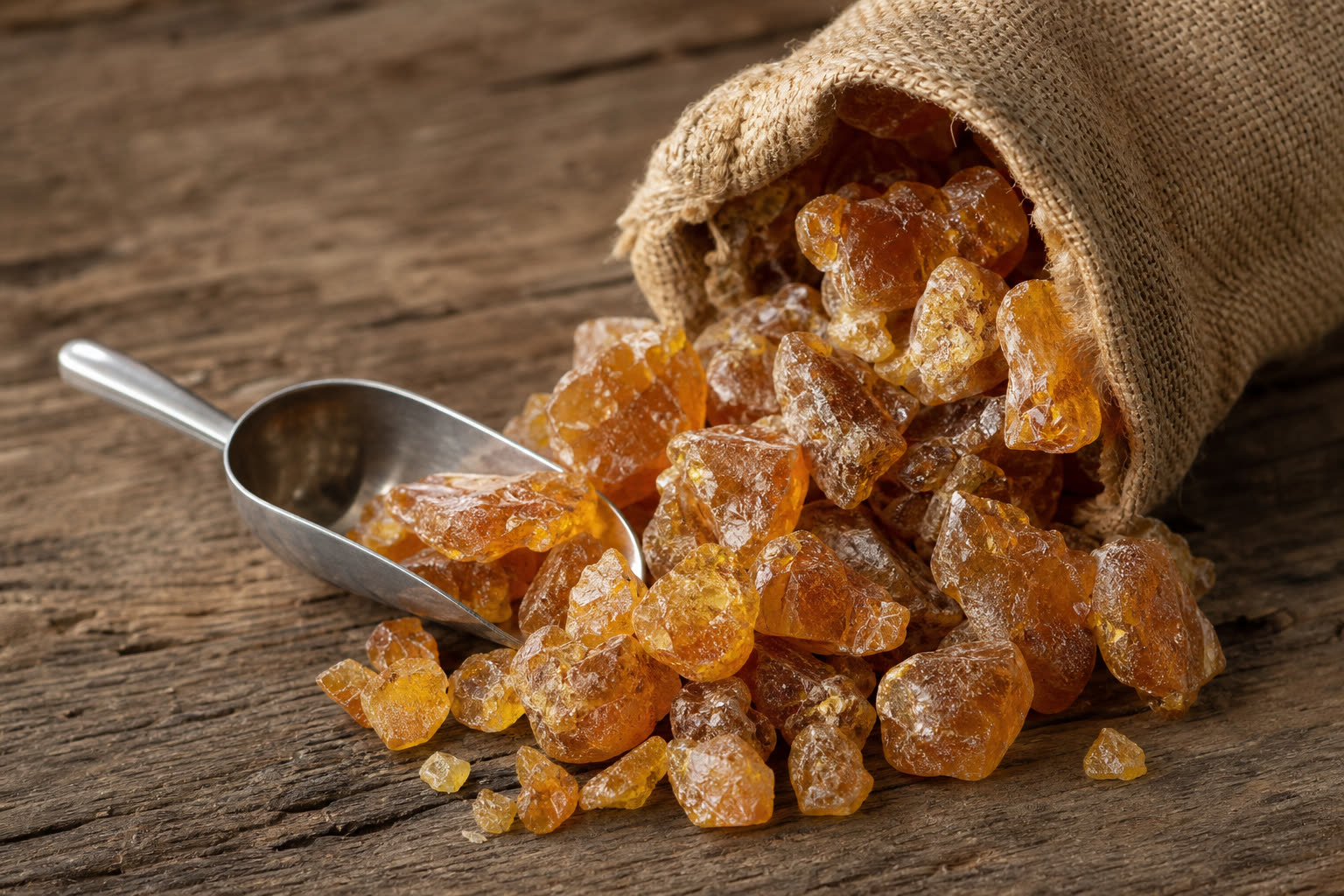
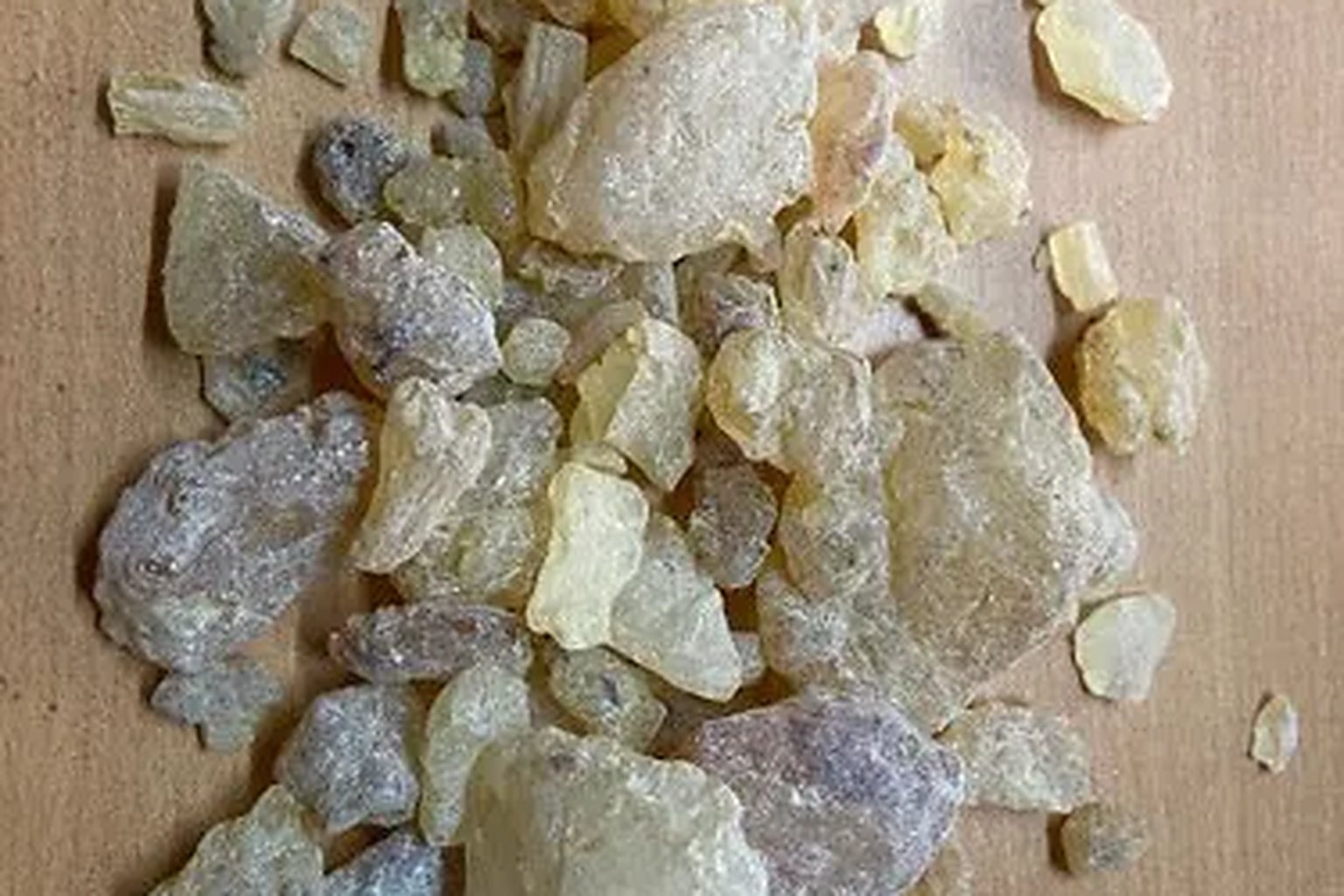
Copal varnish is one of the oldest finishes still made commercially, and the method has not changed much. Dissolve a hard natural resin, brush it on, let the solvent leave, and you are left with a film that is harder and glossier than most of what replaced it. The craft is almost entirely in the dissolving.
Which solvent does what
Copal dissolves readily in alcohol. That is the quick route, and it is what most small polish makers use. Ethanol or denatured spirit will take the resin into solution at room temperature with occasional stirring, usually over several hours rather than minutes.
Turpentine is the traditional route and it behaves differently. Copal does not dissolve freely in turpentine cold. It wants warmth, and it wants time. Gentle heat with the resin already broken into small pieces will get there; direct heat on a large lump will not, and risks scorching the resin and darkening the finish.
This is the practical reason the DBB grade is popular with polish makers. Pebble size material has far more surface area than large lumps, so it goes into solution faster whichever solvent is being used.
Typical ratios
Shop practice varies and the right answer depends on how the finish is being applied, but the usual starting points are:
- Around 1 part resin to 3 parts solvent by weight for a brushing varnish
- Thinner, nearer 1 to 5, for padding or French polish style application in many thin coats
- Thicker, nearer 1 to 2, where a heavy bodied varnish is wanted and will be thinned at the bench
These are starting points to adjust, not formulations. The sensible method is to mix a small batch, apply it to an offcut of the timber you are actually finishing, and move from there. Resin to solvent ratio changes the viscosity, the open time and the build per coat all at once.
Filtering
Whatever grade you start from, filter the solution before use. Copal is a forest product and carries bark, grit and the occasional insect fragment, and the sorting that separates PWS from DBB removes the worst of it but not all of it. A fine cloth or a paint strainer is enough. Skipping this step is the most common cause of a gritty finish that gets blamed on the resin.
Faults that show on the wood
Cloudy film. Usually moisture, either in the resin or in the solvent. Copal picks up moisture in storage, so bags left open in a humid workshop are a frequent cause.
Finish darker than expected. Either the grade carried more dark pieces than the job allowed, which is the argument for PWS on clear work, or the resin was overheated while dissolving.
Slow or incomplete dissolving. Pieces too large, solvent too cold, or not enough time. Breaking the resin down before it goes into the solvent solves most of this.
Soft film that stays tacky. Too much solvent retained, which usually means coats applied too thickly or too quickly on top of each other. Copal films want thin coats and air.
Where copal still wins
Against a modern synthetic finish, copal varnish is slower to make and slower to apply. What it gives back is hardness, gloss and a depth on close grained timber that is difficult to reproduce at the same cost. For furniture restorers, for traditional polish makers, and for anyone finishing work where the look is the product, that trade is still worth making.
We supply gum copal in the DBB and PWS grades from Kanpur in 25 kg bags, along with the gum turpentine and double distilled turpentine oil that go with it. Samples of both grades go out before bulk so you can test the dissolving behaviour on your own bench.