If you ask for a gum copal quotation in India you will usually be offered two grades: DBB and PWS. They are the same resin. What separates them is sorting, and the price difference between them is a sorting cost rather than a chemical one. Knowing which of the two your process actually needs is the single easiest way to avoid paying for quality you will destroy in the next step.
What DBB is
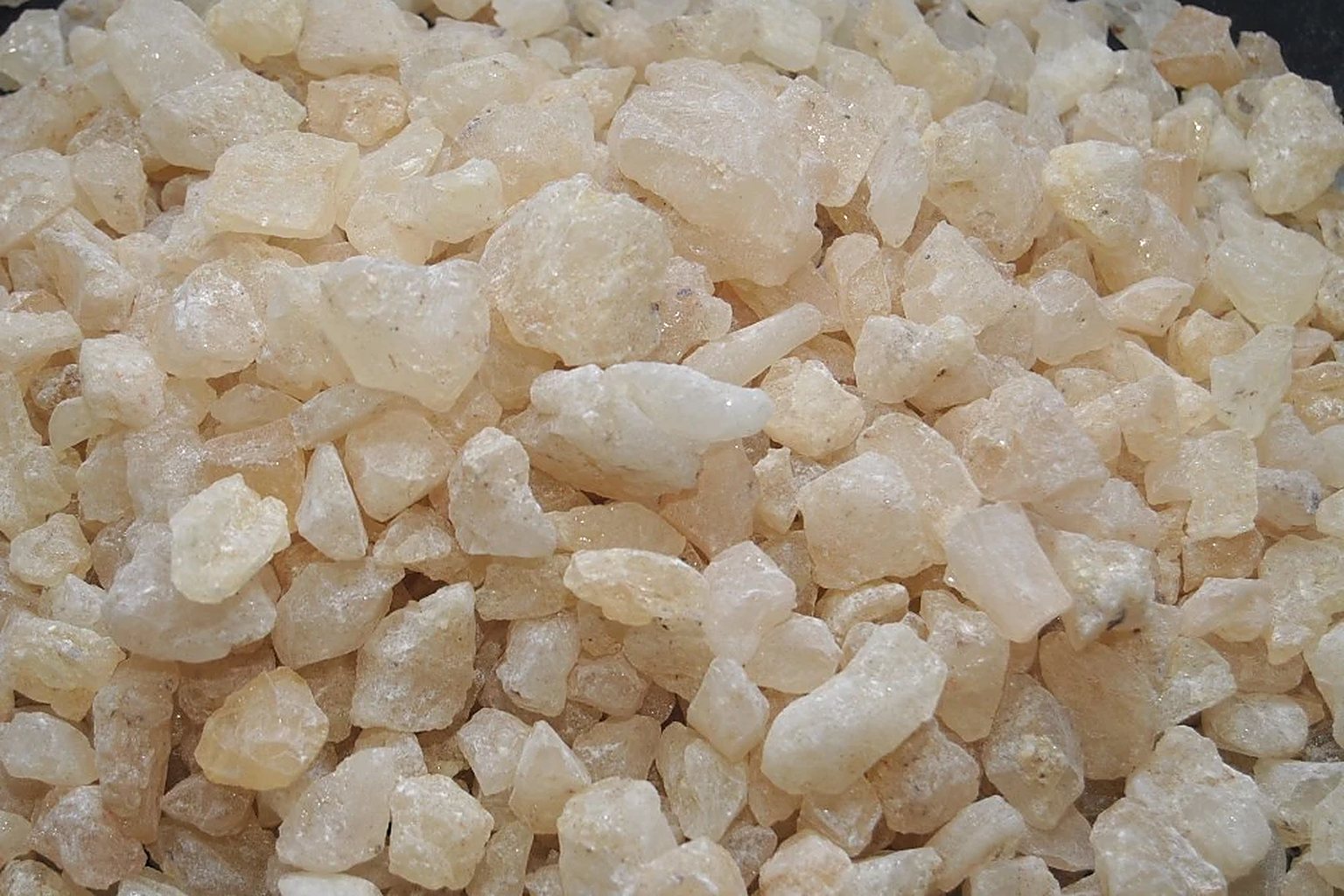
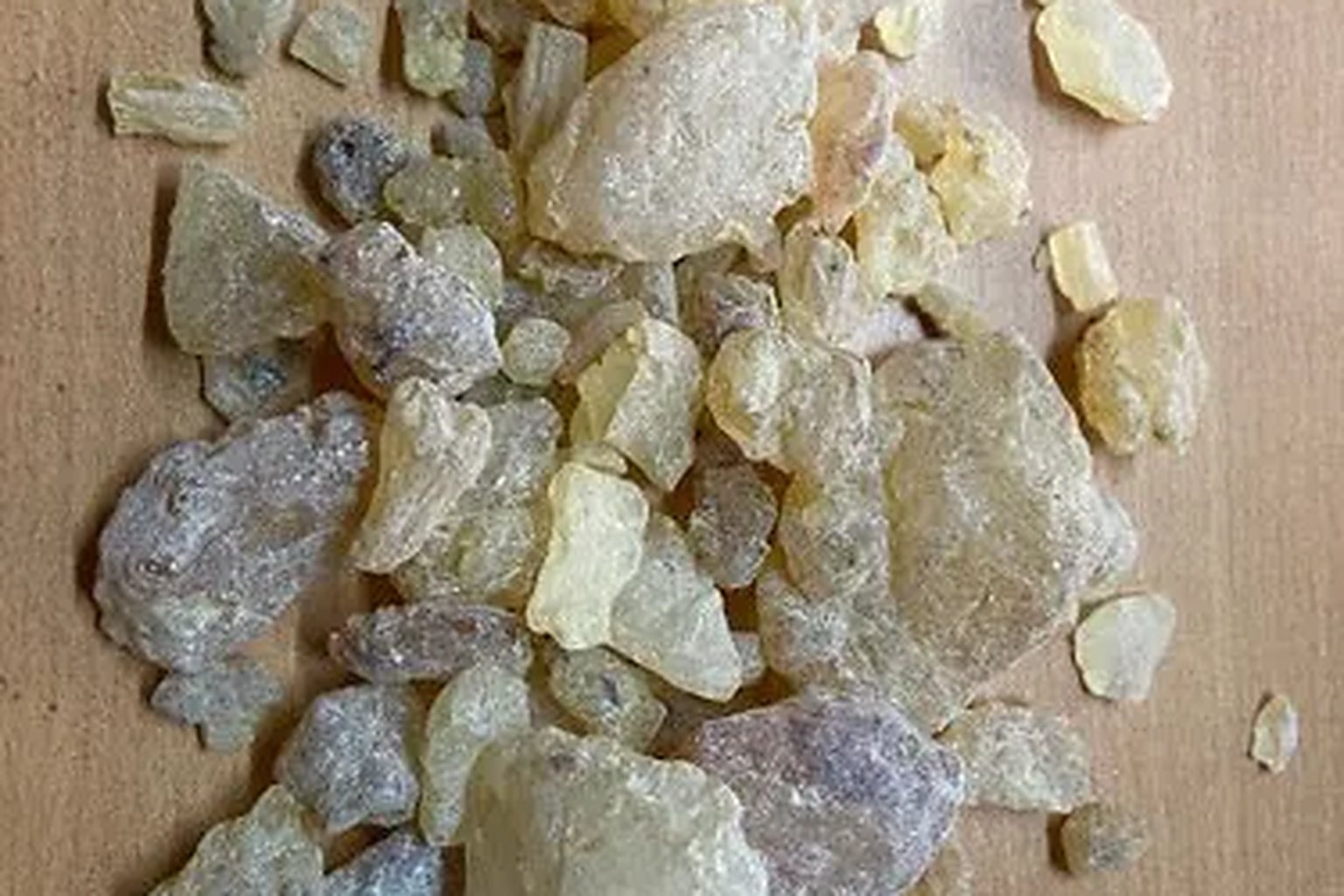
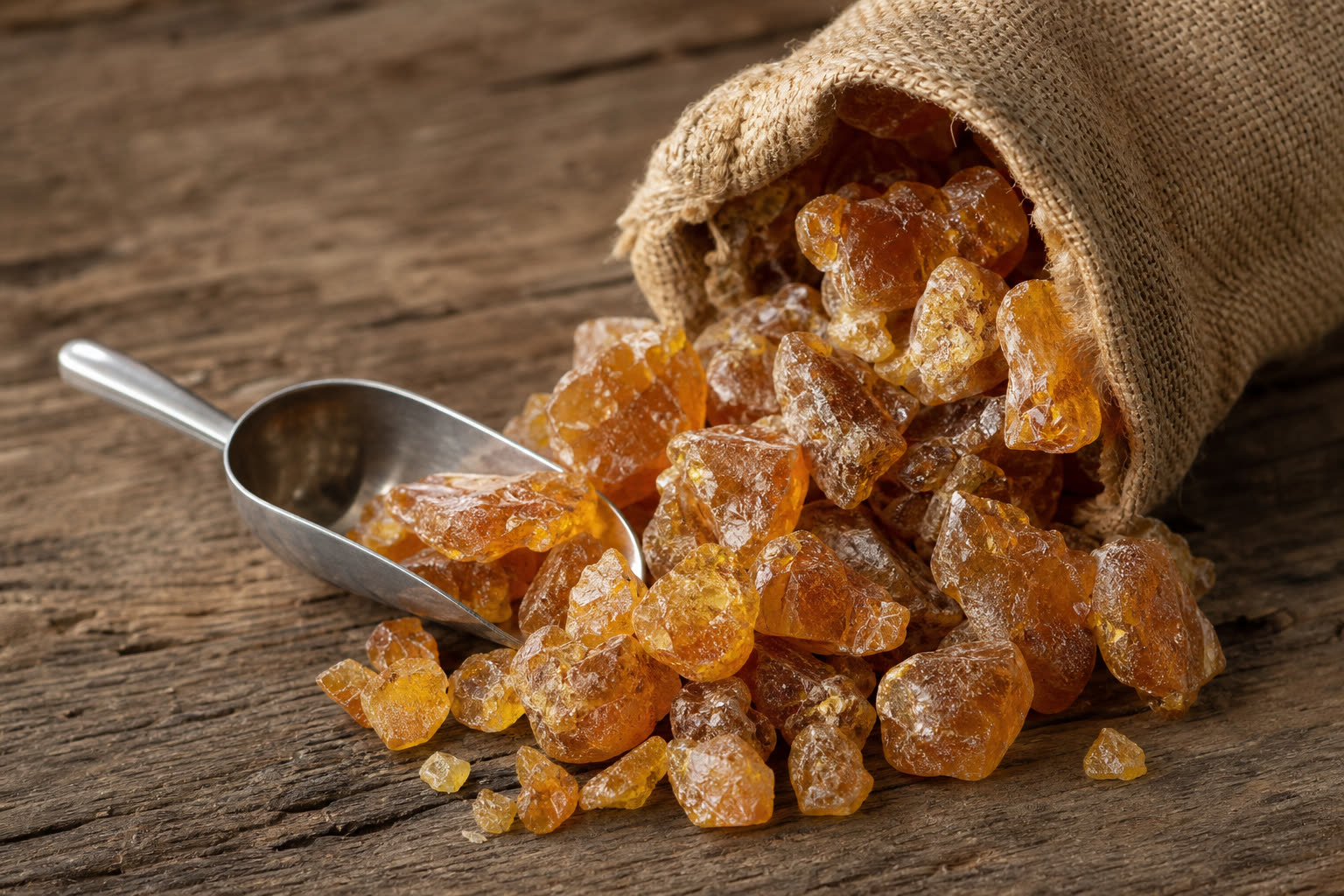
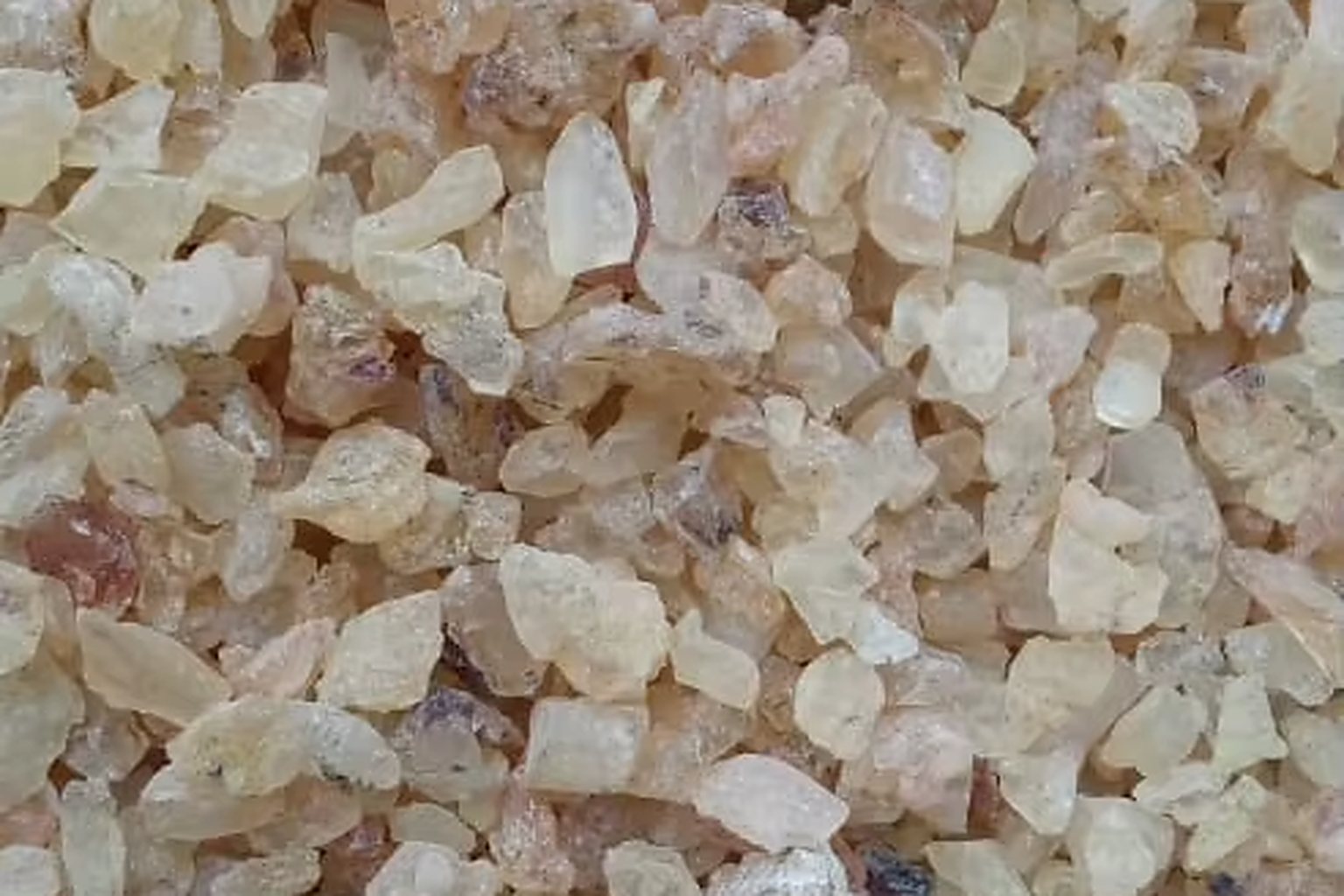
DBB is pebble size material, running from whitish through to a golden yellow, with the occasional darker piece in the lot. It is the economical grade. It dissolves readily, and for most buyers that is the characteristic that matters more than its appearance in the bag.
It is the grade most commonly bought for incense and agarbatti, and for general varnish work where the finished article is pigmented, tinted or otherwise not depending on absolute clarity.
What PWS is
PWS is the sorted grade. It is the cleaner, paler fraction picked out of the collected material, with fewer dark pieces and less foreign matter. Buyers take it when the colour of the finished film is part of what they are selling, which in practice means clear wood varnish and furniture polish.
The question that decides it
Ask what happens to the resin after it dissolves.
If the solution is going into a clear finish over light timber, the darker pieces in a DBB lot will show, and no amount of filtration recovers the colour once it is in solution. PWS earns its premium there.
If the resin is going into a pigmented paint, a tinted polish, a printing ink, or is being burned as incense, the extra sorting buys you nothing you can see in the finished product. DBB is the right commercial answer.
There is a middle case worth naming. Some buyers take DBB and hand sort it themselves, pulling out the darker pieces for a lower grade use and keeping the rest. Whether that is worth doing comes down to the cost of labour against the price gap on the day.
What does not change between them
Both grades sit in broadly the same chemical range. Softening point around 88 to 92 degrees Celsius, acid value in the region of 60 to 100 mg KOH/g, saponification value around 140 to 170 mg KOH/g, moisture normally specified at a maximum of 2 per cent. You are not buying a different resin when you move up to PWS, you are buying a narrower, cleaner selection of the same one.
This is also why the grade name alone is not a specification. Sorting is done by hand, so the line between two grades is a judgement rather than a measurement, and it will sit in slightly different places with different suppliers. Agree the specification, then check the consignment against its certificate of analysis.
Practical buying notes
- Ask for a sample of the actual lot, not a reference sample. Copal varies between lots in a way that a standing sample will not show you.
- Check the proportion of fines on arrival. Brittle resin that has been handled roughly carries more dust than the grade implies, and you have paid for pieces.
- Keep it dry. Moisture pickup is the most common avoidable quality problem with a resin bought in bags.
- Buy to the step that constrains you. If your filter takes out everything a sorter would have removed, you are paying twice.
We supply both grades from Kanpur in 25 kg bags, with a certificate of analysis against the agreed specification. If you are not sure which grade your process needs, tell us what you are making and we will send samples of both.