
Exporting pine chemicals from India to the United States is a well-travelled route, and turpentine, gum rosin and pine oil move in reasonable volumes every year. That said, the US has a specific regulatory layer that catches first-time exporters by surprise: the Toxic Substances Control Act, known as TSCA. Understanding how it applies to natural pine products is the first step to a smooth shipment. We have been sending these materials to American buyers since the 1990s, and this post walks through what the documentation actually needs to show.
Are turpentine and rosin already on the TSCA Inventory?
Yes, they are. Turpentine oil (gum turpentine) carries CAS number 8006-64-2 and is listed on the active TSCA Chemical Substance Inventory. Gum rosin is listed under CAS 8050-09-7. Being on the active inventory means these substances can be imported into the US without a new-substance notification, which simplifies things considerably for natural pine-derived products.
The picture gets more detailed for derivative products. Hydrogenated rosin carries its own CAS (65997-06-0), and rosin distillation fractions carry different ones again. If you are buying a derivative such as ester gum or glycerol ester of gum rosin, confirm its exact CAS number with your supplier before finalising the documentation. The CAS number on the commercial invoice and safety data sheet must match what the US importer declares to customs.
What is the TSCA Section 13 certification, and who files it?
Under TSCA Section 13, every shipment of a chemical substance entering the US requires a certification submitted electronically through the US Customs and Border Protection (CBP) Automated Commercial Environment system, known as ACE. The importer of record or their licensed customs broker files this, not the Indian exporter directly. The certification is either positive (the substance complies with all applicable TSCA requirements) or negative (the substance is not subject to TSCA).
For turpentine and gum rosin, the positive certification route applies in almost every case. The US importer or their broker handles the filing, but the accuracy of that filing depends on what we put in our shipping documents. Get the product name, CAS number and HS code exactly right on every invoice.
What does the documentation set need to look like?
A standard US-bound shipment from our works in Kanpur will carry the following: a commercial invoice with the IUPAC product name, CAS number, HS code (3805.10 for turpentine, 3806 for rosin grades), quantity, unit price and Incoterm; a packing list with drum count, net and gross weights; a Certificate of Analysis showing the batch parameters; a Safety Data Sheet compliant with GHS/HazCom 2012 format (the US standard); and a bill of lading from the carrier.
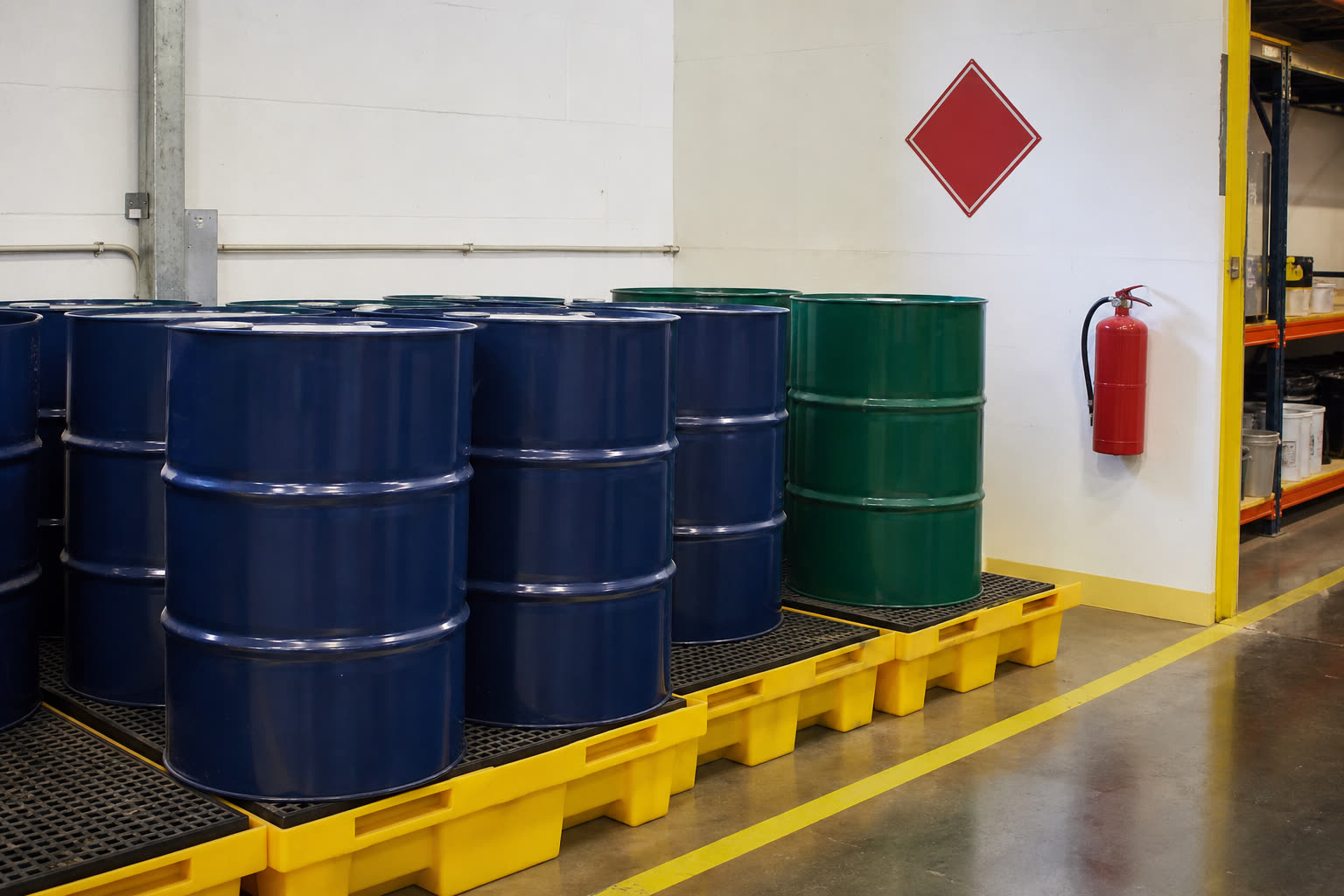
For gum turpentine oil and double-distilled turpentine oil, the SDS must flag the flammable classification clearly, since turpentine travels as a Class 3 flammable liquid (UN 1299) under IMDG rules. The US importer is responsible for ensuring the labelling on the drums meets OSHA HazCom requirements once the goods arrive, but a well-prepared SDS from us makes their life easier and avoids unnecessary queries from CBP.
Which ports does the cargo typically move through?
Indian pine chemical shipments to the US most commonly route out of JNPT (Nhava Sheva) near Mumbai or Chennai port, depending on which shipping line offers the best schedule. On the US side, the usual entry ports are Los Angeles/Long Beach for West Coast buyers, Houston for Gulf Coast buyers, and New York/Newark or Savannah for the East Coast. Your freight forwarder will advise on routing based on the buyer's location and current ocean freight rates.
What Incoterms do US buyers typically ask for?
In our experience, most established US importers prefer CIF (Cost, Insurance and Freight) to a named US port, or CFR if they prefer to arrange their own insurance. Under Incoterms 2020, risk under both CIF and CFR transfers to the buyer when the goods are on board the vessel at the Indian port of loading, not on arrival in the US. FOB JNPT or FOB Chennai is also common, especially with buyers who have strong freight-buying relationships of their own.
EXW (Ex Works) is rarely practical for US buyers importing from India, since it places the burden of Indian export clearance on the buyer, which is difficult to arrange from abroad. DAP to a US warehouse is used by some larger buyers who want the seller to manage the ocean leg. Whatever term you agree, make sure the named place and version are written exactly in the proforma invoice: for example, "CIF Los Angeles, Incoterms 2020."
Do I need to worry about any other US regulations for rosin or turpentine?
For standard gum turpentine and gum rosin at normal commercial purity grades, TSCA listing and a clean TSCA Section 13 certification covers the principal chemical regulatory requirement. There are no EPA-mandated import permits or SNURs (Significant New Use Rules) that we are aware of applying to these specific listed substances at the time of writing, but regulations do change. We always tell buyers: confirm the current regulatory picture with your licensed customs broker or a trade compliance specialist before each shipment. What was true last year may have been updated.
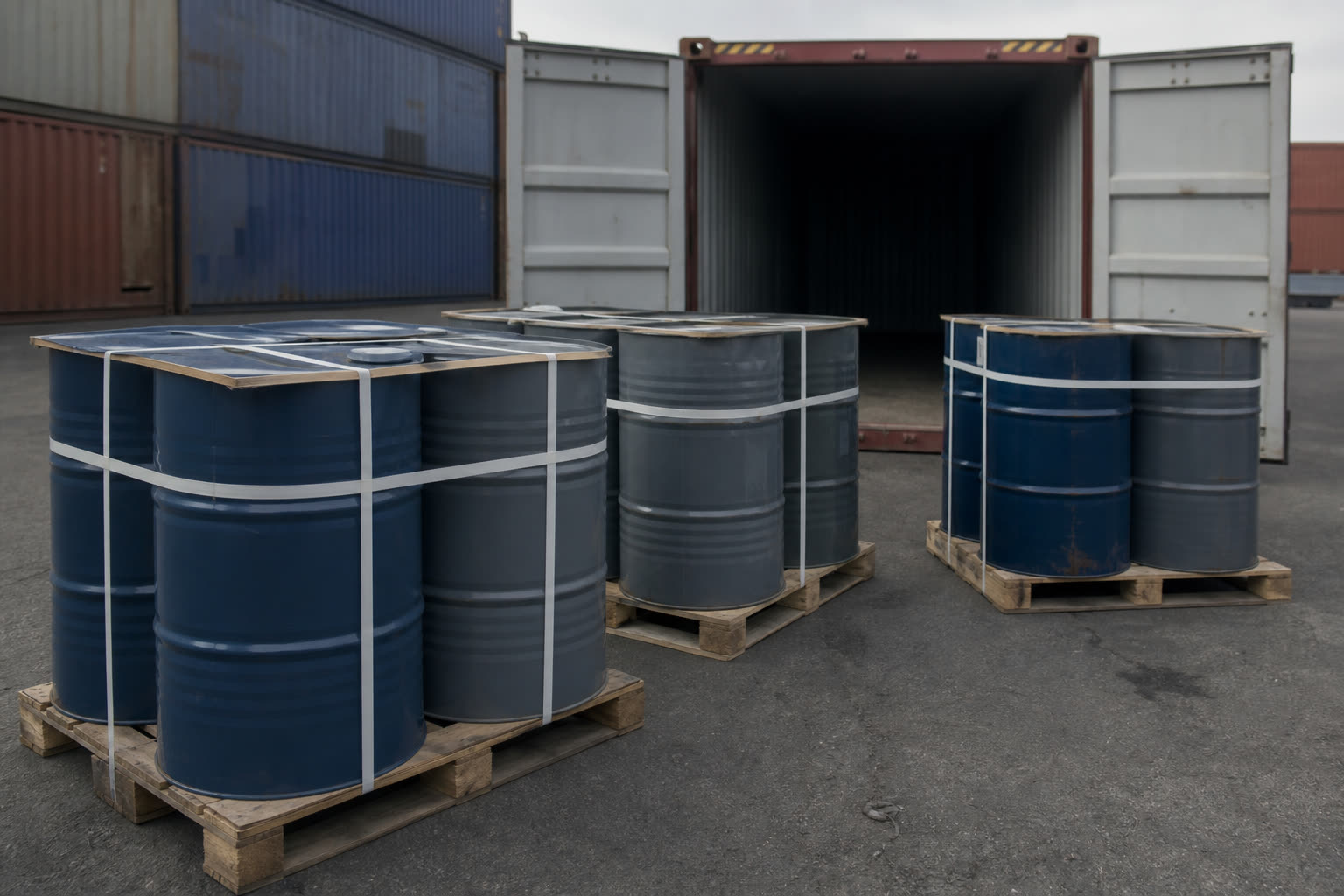
There are also standard US CBP requirements around country-of-origin marking. Pine products exported from India must be marked "Made in India" on the packaging, or on the drums themselves in our case, in a conspicuous location. Our 200-litre barrels and 25 kg bags for solid products like gum rosin grades are marked accordingly.
A word on US buyers and quality expectations
American buyers in the adhesives, paint and coatings, and naval stores sectors are systematic about quality documentation. A Certificate of Analysis showing softening point, colour grade (for rosin), acid value, and ash content is expected as standard. First-time buyers will often ask for a pre-shipment sample before committing to a full container. We are very comfortable with that and encourage it.
If you are a US buyer exploring Indian-origin pine chemicals for the first time, or an existing buyer wanting to understand the documentation side better, we are happy to walk through the process together. Write to us at info@shadeshinepine.com or call Yash Agarwal on +91 96965 09933 and we will cover your specific requirements in detail.